
Was Angela Merkel A Failure As A Chancellor?
I think so — but perhaps not a catastrophic one.
The last couple of weeks have served as a reminder that Europe could really use a leader right now. French president Macron, who likes to imagine himself in that position, invited a furious backlash with his hints that Europe shouldn’t get deeply entangled with Taiwan, which might come under Chinese invasion.
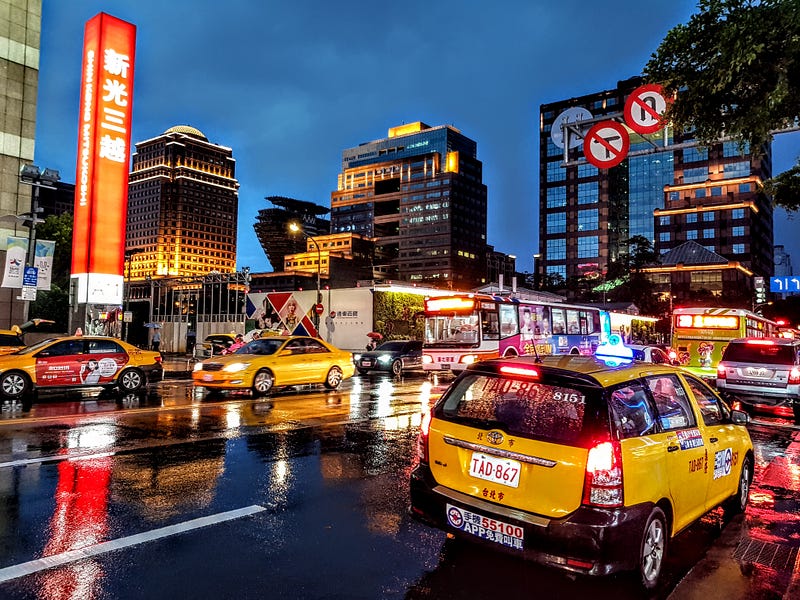
Contrary tones have been expressed by German foreign minister Annalena Baerbock, European Commission president Ursula Von Der Leyden, and EU foreign policy representative Josep Borrell. Yet the silence from other leading heads of state has been deafening.
Olaf Scholz, the leader of Germany’s coalition government, probably quietly agrees with Macron judging by his reticence to help Ukraine. British prime minister Rishi Sunak probably disagrees with Macron but has kept quiet, presumably because his bigger concern is preventing asylum seekers from crossing the English Channel in dinghies — to do so, he’ll need enthusiastic French cooperation.
The last European leader with the power and gravitas to speak on behalf of the continent was Angela Merkel.
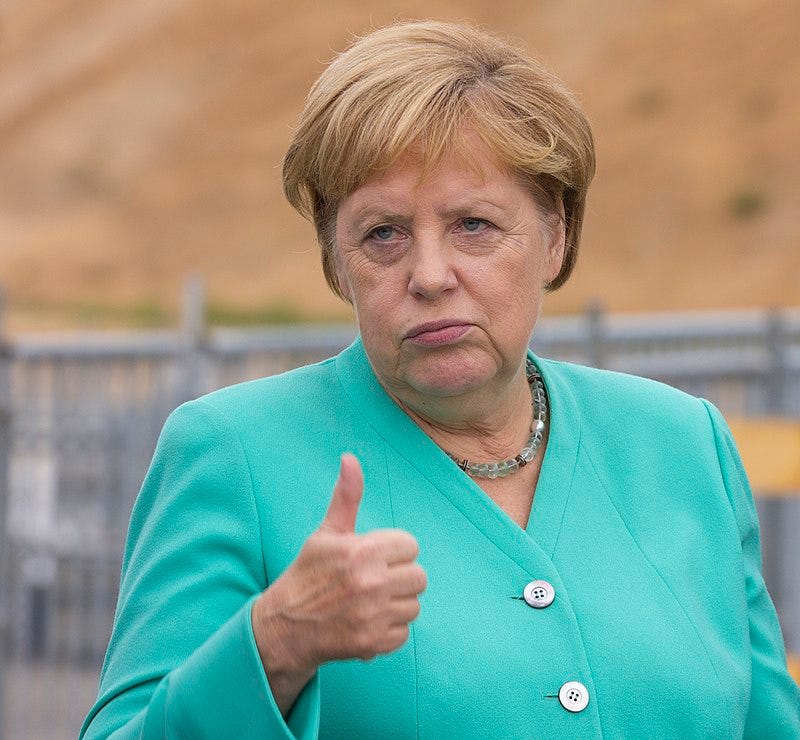
The calm scientist ruled the EU’s most populous state and biggest economy for 16 years, an almost unheard-of tenure in a Western democracy. Referred to by some Germans as “Mommy Merkel”, she was undoubtedly a stabilizing force for country and continent.
When the US looked chaotic to the outside world during Trump’s presidency, she was sometimes called “the leader of the free world.” Today, things aren’t going brilliantly in that free world — might they be better if it had a unifying figure like Merkel back at the helm?
Merkel’s legacy is a difficult thing to untangle, both at home and abroad. Did she give Germany a generation of calm, or lethargy? Did she bravely try to engage with Russia and China when the rest of the West wouldn’t, or did she sacrifice Western liberal democracy for cheap gas?
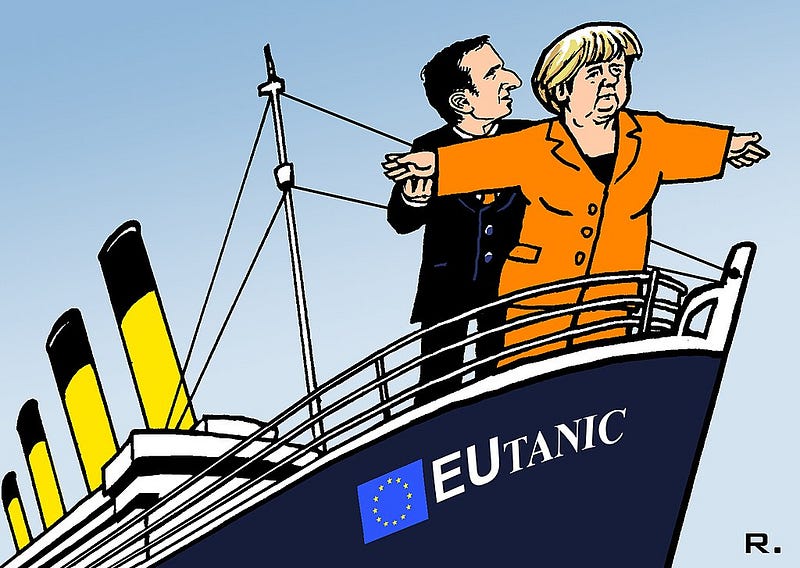
At the very least, she deserves a fair hearing, and that’s what I’ll try to give.
For such a bland character, and one representing a moderate-conservative party, Merkel was prone to decisive action and grand measures.
Something that she deserves a lot of credit for is her management of the 2015 refugee crisis.
When the other Northern European countries turned their backs on the issue, Merkel showed humanitarian leadership by accepting around a million asylum-seekers, mostly young Muslim males. That didn’t necessarily make her popular within her own party, but it was the right thing to do.
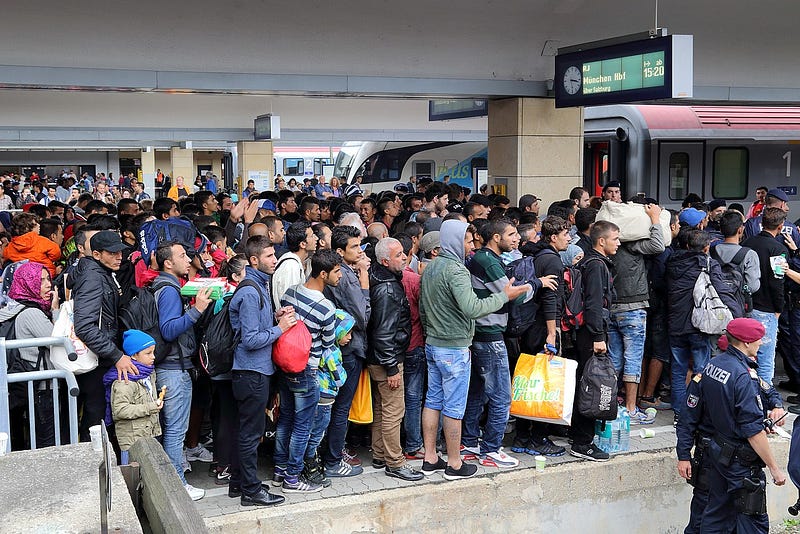
Perhaps even more impressively, those new arrivals were integrated fairly quickly.
Despite the infamous events on the eve of New Year 2016, when numerous sexual assaults took place across Germany, often involving North African asylum seekers or illegal migrants, German society withstood that tide of change quite well. Germany remains a safer country than neighbours like France, Britain, Italy or Sweden; most of the newcomers found their way into work or education.
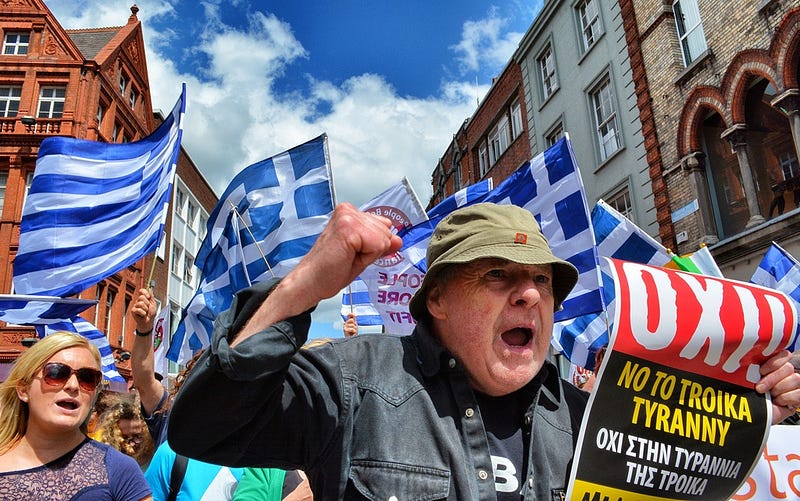
Merkel also did well to lead Europe out of the 2008 Financial Crisis. At a time when many Germans were willing to let countries like Greece collapse, Merkel understood that export-oriented Germany depended more than most on an integrated Europe, particularly on the common currency.
But there are at least two other crises where Merkel dropped the ball, and both also reveal glaring flaws in her long-term strategic vision.
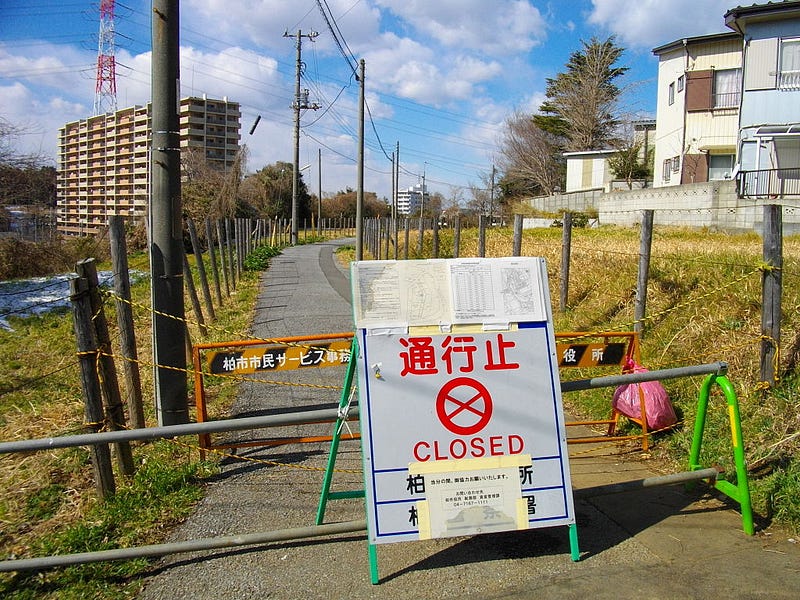
Firstly, Fukushima. When the Japanese nuclear power station suffered a catastrophic shutdown, Merkel caved to public pressure and accelerated Germany’s plans to phase out nuclear energy without an adequate replacement supply of energy, setting a date for 2022.
The frustrating thing about this is that Merkel, a research chemist before she became a politician, began her career as an advocate of nuclear energy.
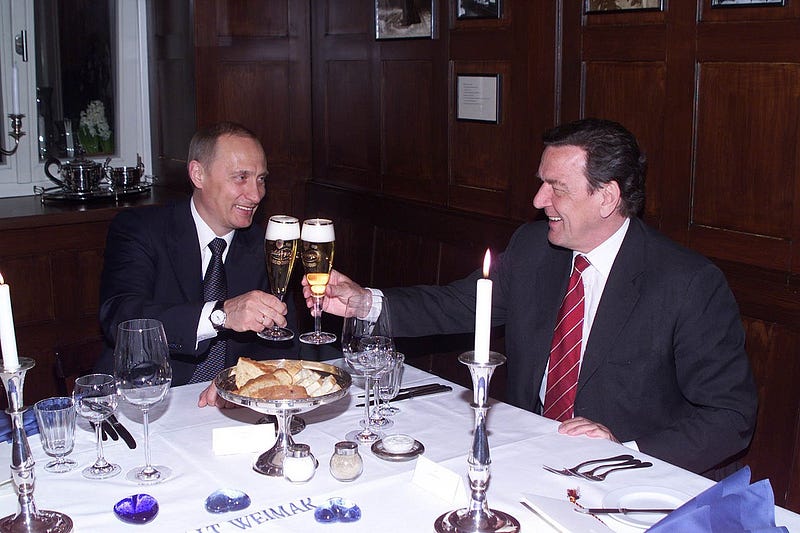
That 2022 date was originally picked by the administration of Gerhard Schröder, the chancellor before Merkel who now works as a lobbyist for Russian oil companies and is known for his close friendship with Putin; Merkel chose to push the date back by 12 years early in her term.
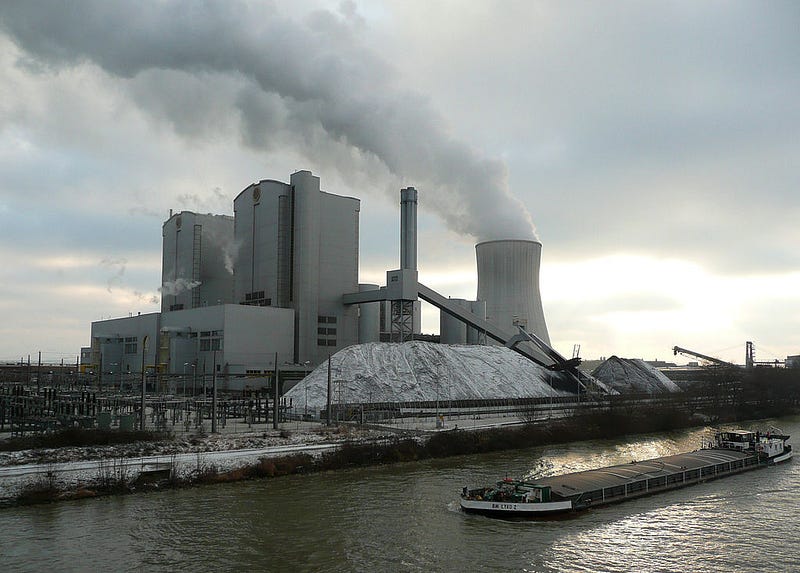
After Fukushima, Merkel agreed to re-accelerate the nuclear phase-out for short-term political advantage, leaving Germany dependent on coal (disastrous for the environment) and Russian gas (disastrous for democracy). Climate change is one of the greatest issues in today’s world, and Merkel simply did not rise to the challenge.
The same must be said of her soft response to the Russian annexation of Crimea in 2014, which ultimately led to the full-scale invasion of Ukraine that causes so many headaches today. Merkel isn’t a Russian shill like Schröder, but she was afraid to confront Putin. She has defended her approach and refused to apologise:
“I don’t have to blame myself for not trying hard enough,” she said. “I don’t see that I have to say ‘that was wrong’ and that’s why I have nothing to apologise for.”
Merkel’s two main arguments are:
- Finding a way to co-exist with Russia was a more productive approach towards diplomacy
- Appeasing Russia in 2008 (when Germany voted against Ukraine joining NATO) and 2014 gave Ukraine time to develop its military and build a functional country
On the first point, she’s half-right. In the 1990s, Russia was collapsing and the West watched gleefully. Rather than trying to support the most democratic state in Russian history, countries like the US and the UK abandoned it to anarchy, oligarchism, and eventually Putin’s dictatorship.
That was a shameful and stupid approach. We certainly need to have a more constructive approach towards Russia than that.
But learning to peacefully co-exist with Putin should never have been a strategic goal. Authoritarian strongmen don’t become nice because people peacefully co-exist was them. So long as Putin was consolidating power in Russia, it was a mistake to tolerate him.
As for Ukraine in particular, one wonders if Merkel would ever have supported standing up to Russia. Would Ukraine ever be ready in her eyes? Many Western analysts believed Ukraine would easily fall to Russia in 2022 too. At least in 2008 or 2014, Russia wouldn’t have had a massive sanction-proofed war chest or China as an ally. Appeasement bought Ukraine time, but it did the same for Russia.
Setting these strategic debates aside, it’s clear that Merkel’s vision was always short-term and more concerned with the success of German business than with humanitarian outcomes. Even the decision to accept vast numbers of asylum seekers and migrants in 2015 was motivated in large part by a demand for cheap labour in an industrial country with one of the world’s lowest birth-rates.
That lack of long-term vision has let down what might initially seem to be a reasonably positive legacy.
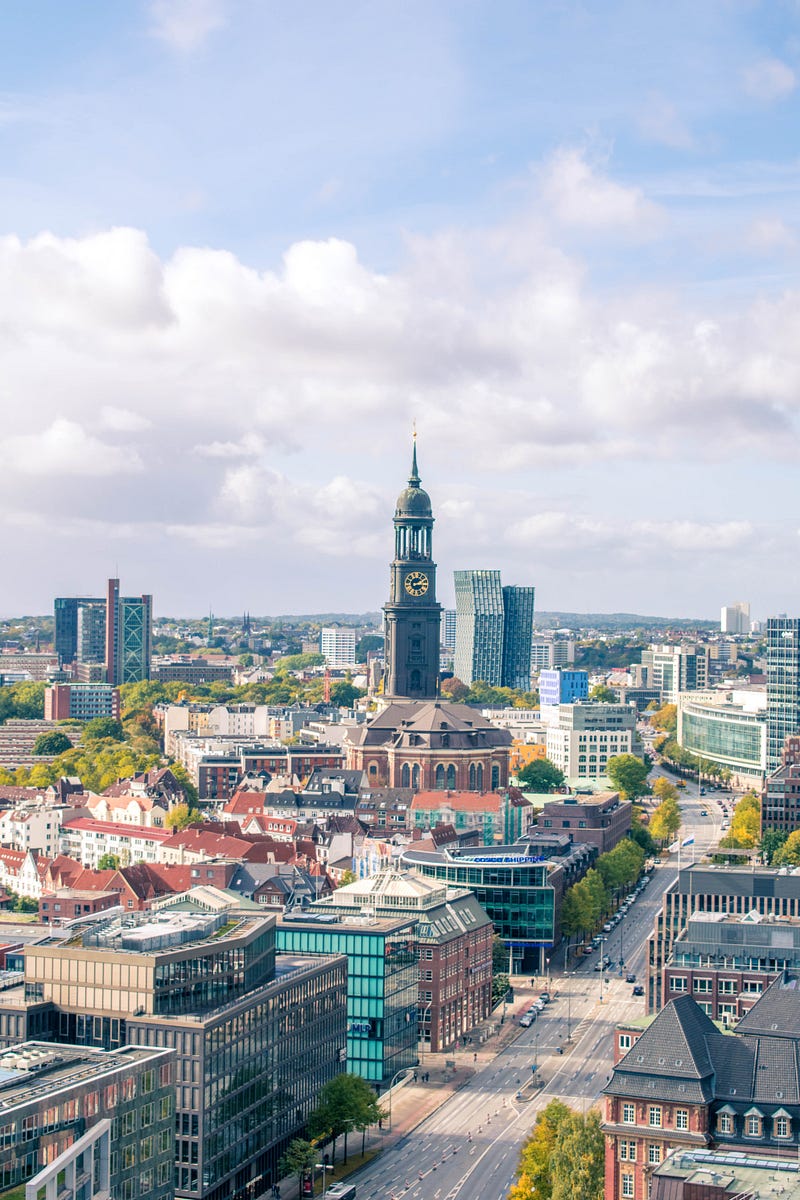
Concerning Merkel’s economic performance, we have clear data points recorded by organisations like the OECD. By most headline figures, she was a modest success. In 2005, when her tenure began, Germany’s GDP per capita was 15th in the group; in 2021, when it finished, Germany was in 12th place.
German productivity also grew compared to rival nations, meaning Germans are earning more just because they work longer hours; indeed, Germany went from having the 2nd lowest working hours in the OECD (after Norway) to 1st place.
But dig a little deeper, and it becomes clear that Merkel has not prepared Germany well for the modern world.
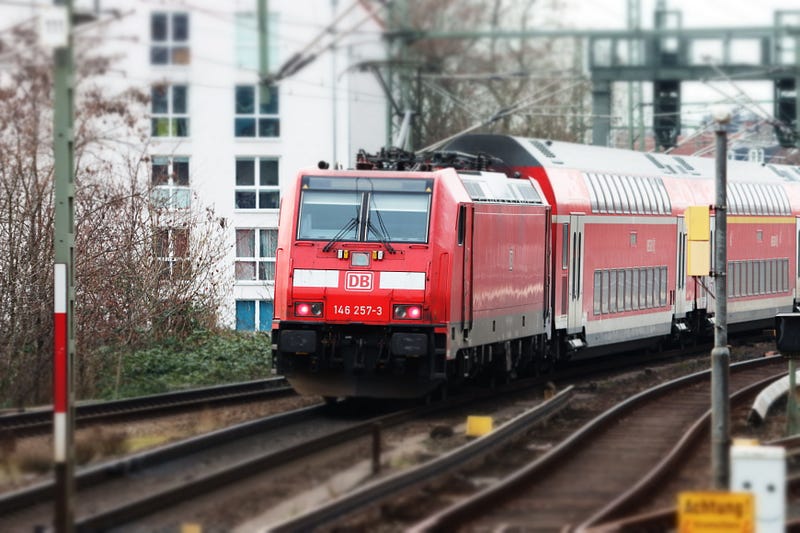
From a train system that is the laughing stock of Western Europe to some of the slowest and most expensive internet in the region, German infrastructure is badly outdated, a fact that Merkel only began to address towards the end of her time in power.
Germany will have to spend big in the upcoming years to rectify that, and it will probably have to do so at a time of global recession, industrial flight, and falling export revenue.
Merkel was probably a somewhat above-average leader, but when you’re in charge for an entire generation, you must be better than that — you have to be absolutely brilliant. That can be said of Helmut Kohl, the only other modern German chancellor to serve a 16-year term. I don’t think it can be said of Merkel.