Warning Signs for Dog Owners
3 signs of discomfort to watch for in your dog

Dogs are the best. The best welcome home greeters. The best snuggle buddies. And, the best road trip companions. But, just like humans, dogs have ruff days and health problems from aging and their active lives. They don’t always know how to tell us where they hurt or why they are acting differently, but there are some signs that pet parents can watch for.
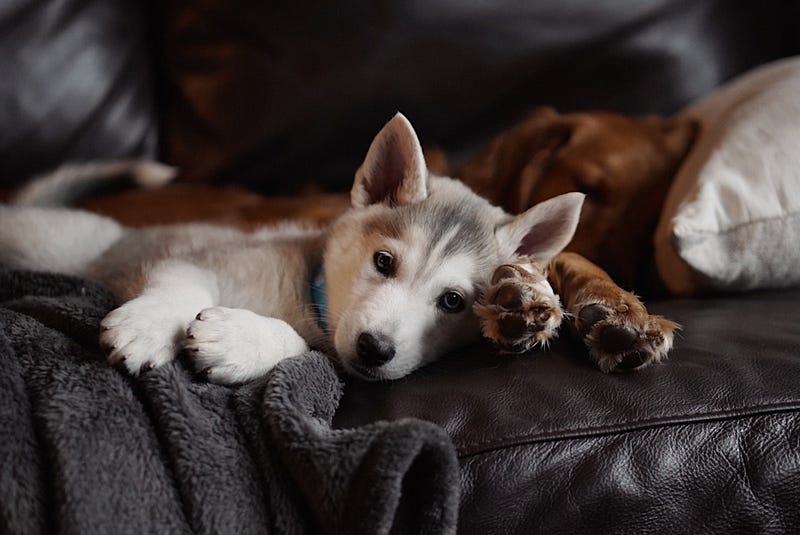
1. Less pep in their step
It’s natural for dogs to be less active as they age, but with four legs and boundless curiosity, injuries can happen any time. If your fur family member isn’t sprinting around the backyard like normal, or they’re walking up or down stairs instead of running, they may be experiencing leg or paw discomfort. A prolonged change in the way they walk or run could be a sign of hip or joint discomfort indicating a chronic condition, according to veterinarian Elizabeth DeLomba. “Medium to large dog breeds in particular are prone to developing joint issues as they age,” says Dr. DeLomba. “One of the first and best ways to manage these changes is with a daily joint supplement like GlycoFlex from VetriScience.”
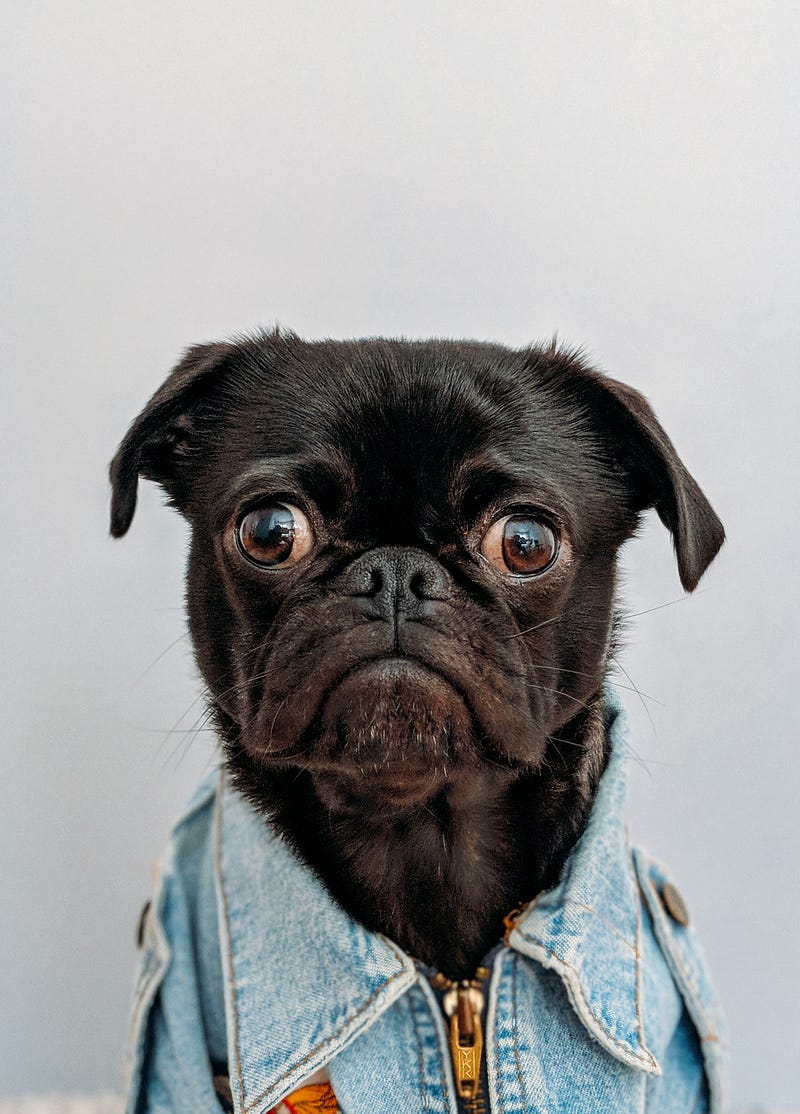
2. Missing your snuggle buddy
They’re always curled up beside you during a Netflix binge or keeping your feet warm in bed every night. But, when your best snuggler starts being anti-social, it may be a sign that they need something more than a cuddle. “A dog acting anti-social may be an indication of a physical problem or discomfort that they are trying to hide,” says Dr. DeLomba. A dog acting sensitive to petting or a gentle touch may signal underlying issues.
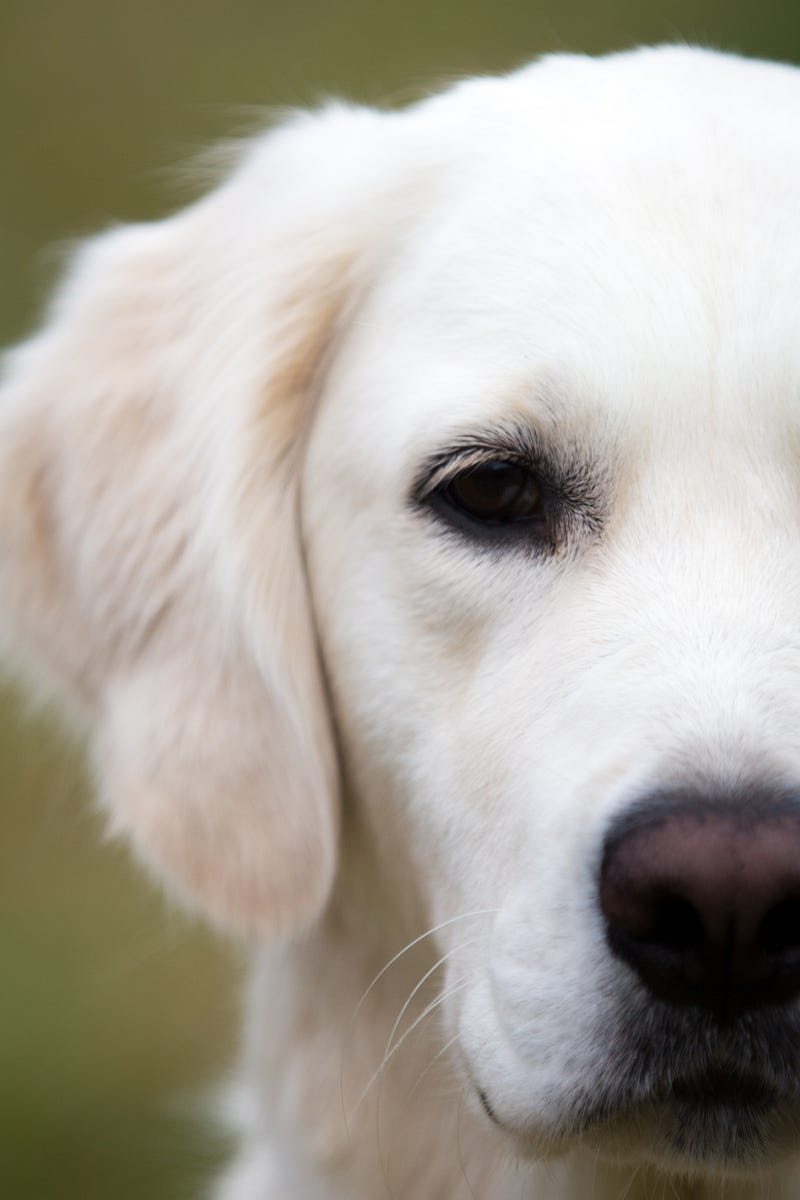
3. What’s that smell?
Doggie kisses are also the best, but not so much with bad doggie breath. If your dog has consistently bad breath despite special treats and regular teeth cleanings, they may have a tooth or gum issue. Likewise, if your dog is needing to “go” more often, or you start finding accidents in the house, it may be an indication of a urinary issue or problem. If Fido isn’t finishing meals or is not that interested in treats, that’s another sign of possible gastrointestinal distress or other internal issues that may not be obvious physically but may be detected with blood work.
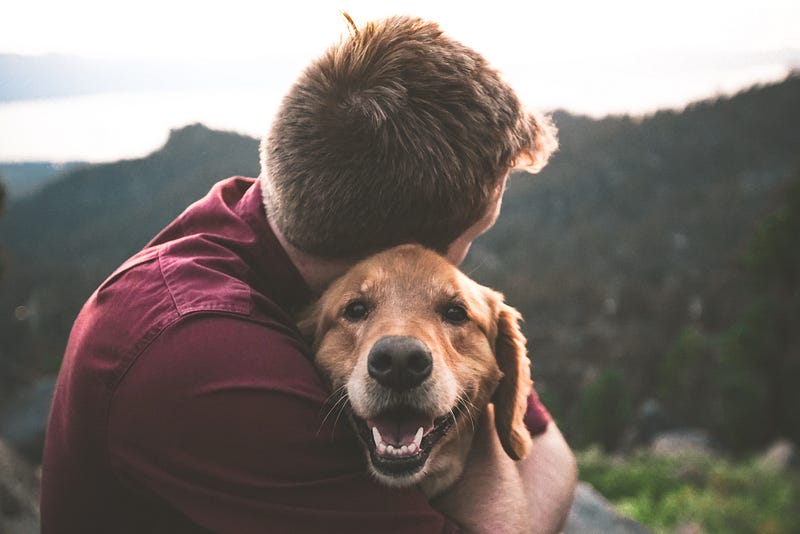
Conclusion
Talk to your veterinarian if your dog is demonstrating any of the above behaviors. Depending on the circumstance, your dog may benefit from a simple change such as a new diet or supplement regime. For serious issues, you should always contact your veterinarian, who may need to prescribe medication.
If your dog isn’t exactly a champ at swallowing pills when they need them to feel better, Dr. DeLomba recommends new VetriScience Pinchers pill-hiding treats with probiotics. Dogs love the organic peanut butter flavor and humans love that Pinchers are less greasy than similar products.
Our pets are with us for far too short a time. Watch for their signs of discomfort to keep them happy, healthy, and at your side for as long as possible. (BPT)