
Health/Food&Drink
Want To Be Super Healthy And Super Chill?
This Strain Of Tea Has You Covered
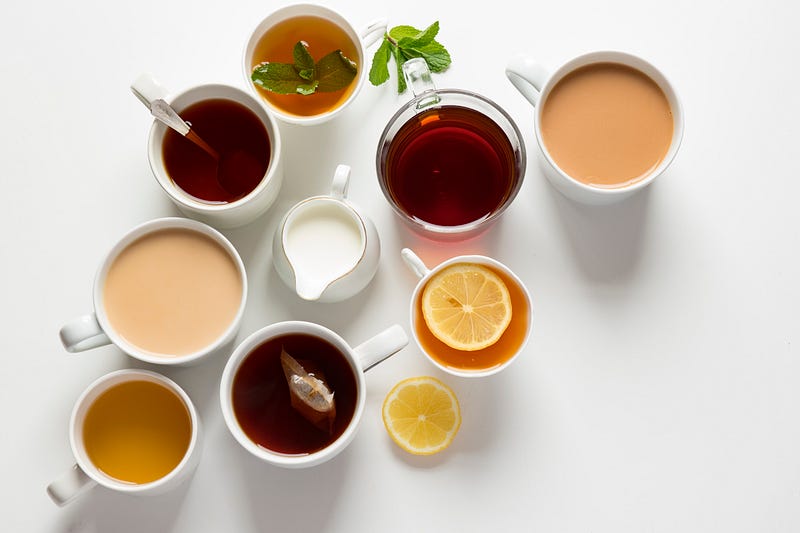
A cup of tea is a cup of peace.
-Sen Sshitsu VX
It’s the most popular drink on earth, second only to water, with about two billion people brewing three billion tons yearly.
It’s been around for about 5000 years, so it’s probably safe to say it’s not going anywhere, and if you want to know its origin story, you’ll get a different story depending on who you ask.
This popular beverage is, of course, tea.
Tea drinking may have come about when the Emperor Shen Nong of China accidentally discovered it in 2737 BCE. The story goes he was boiling water in his garden, and a leaf from a wild tea tree drifted into his pot.
A story from India says that Prince Bodhi-Dharma, an Indian saint who founded the Zen school of Buddhism, vowed to meditate for nine years straight without sleep. But, of course, he fell asleep. Legend has it that when he woke up from this accidental nap, he was so upset that he cut off his eyelids, and a tea plant sprung up where they landed.
Who knows which is true? They both sound plausible.
Many people drink tea for the caffeine kick, but what about those who prefer decaf? The decaffeination process leaves a lot to be desired.
It involves a solvent called methylene chloride, also used as a paint thinner, which leaves behind a chemical residue.
Even though the parts per million are below the legal limit for human consumption, many people have concerns about drinking decaf tea (and coffee).
Unfortunately, the swiss water method used to decaffeinate coffee can’t be used for tea because it ruins the leaves.
There is one method approved for certified organic teas involving CO2. However, all these methods can affect flavor and destroy compounds associated with health benefits. So there are pros and cons to giving up the caffeine in your tea.
Also, no decaf tea is truly decaf. There are still about two to four milligrams of caffeine per cup even when it has been “decaffeinated.”
Here are some other interesting tea facts about tea from Buzzfeed:
- There are around 3000 different types of tea.
- Tea has more caffeine than a coffee per weight, but since it takes more coffee to brew, you get more caffeine in a cup of coffee.
- Tea was so valuable in the Eighteenth Century that it was kept in locked boxes.
- You never want to use boiling water to make tea because you’ll burn the leaf.
- Earl Grey tea was actually named after a guy called Earl Grey
But for those looking for a genuinely organic decaf tea, your wishes might soon come true.
Scientists have recently discovered Hongyacha (HYC).
This rare wild tea is found in the mountains of southern China, and although the plant’s chemical makeup was a scientific mystery when it was discovered, locals swore by it.
They claimed it could cure colds, soothe stomach pain, and relieve many other illnesses.
Naturally, researchers set about figuring out what made it such a local legend. They did this by pumping a sample dissolved in solvent through a column packed with specialized materials.
As the different components in the solvent traveled through the material in the column, they separated because they moved at different speeds. After the various elements had split off, researchers could analyze them to determine what they were.
Researchers examined buds and leaves gathered during the growing season.
Not only did they find several potentially health-boosting elements not found in regular tea, but they also discovered that HYC contains virtually no caffeine.
HYC has a genetic mutation in the enzyme that promotes caffeine production in most tea plants.
So not only is this tea a super-healthy super-hero, but it’s also super chill.
If you love your tea but are not a fan of caffeine, and you want something entirely natural, hang in there!
It’s probably just a matter of time before you can enjoy this mutant caffeine-free option everywhere, from your local hangout to your kitchen counter.
Thanks so much for reading!
Monitor your habits for greater happiness by downloading your FREE Mini Wellness Workout Self-Care Bundle. This package includes a series of printable habit trackers, including a Mood Tracker, Beverage Tracker, Sleep Tracker, and Dream Journal.
❤Because the path to well-being is deeper self-knowledge.❤
Erin King is the author of the book “How To Be Wise AF: 30-Day Guided Journal For Women” and other health, wellness, and well-being resources.
Upgrade your free Medium membership to a paid one here, and for just $5/month, you’ll receive unlimited, ad-free stories from thousands of writers in a wide variety of publications. This is an affiliate link, and a portion of your membership will go directly toward supporting my endeavors. Many thanks!
If you’d like to read more by me on Medium, please check these out:
If you’d like to read more articles that uplift and enlighten you, join us here on ILLUMINATION. Here are some more excellent writers to check out: George J. Ziogas, Madoc Maduka, Jessica Cote, Charles Roast, Chris Hedges, Roxanna Azimy, Bill Abbate. Why not write for us? Bring your talent, courage, and insight, share your story, and let’s do something great!


