
Want To Be A Professional Writer? Here Are The 10 Things No One Ever Tells You.
So you want to be a full-time writer? That’s great. But there are a few things you need to know about…

You think it will look just like the picture above. Working from coffee shops, drinking fancy drinks. Words are flowing, and projects are coming together.
Well, it’s time to pull the curtain back a bit. As you know, the internet is full of information… but a lot of that information is not being told until now.
1. Writing is RARELY just about the writing.
It is often more about presentation, marketing, and networking. If your website looks absolutely terrible, that is a contributing factor to why you don’t have many readers.
2. It can be REALLY lonely being a full-time writer.
You’re likely working alone A LOT. Even if you are an introvert, you will still need some social interaction. This is why I usually work at the coffee shop. Working at home all the time sounds like a dream, but it really gets lonely. Not to mention, you need to interact with friends in real life.

3. It is also really easy to get depressed.
If you’re lonely and isolated for an extended period of time, depression is the next logical step. The words are flowing and when you go online and it seems like everyone else is a writer who is more successful than you.
To fight this, I find working out is something I absolutely must do. I also intentionally step away from the computer. Seriously, I have to take breaks and just set aside the computer. A walk in the park and jotting ideas in a notebook is absolutely restoring.
Depression is a serious issue for many people — especially artists and entrepreneurs. If you think you may be depressed, please seek help and bare minimum talk to someone. It often makes a world of difference.
4. Your writing must be interesting.
Most readers don’t care about Oxford commas, sentence fragments, run-ons and, in many cases, even typos. As long as the message is clear — that is, the writing is clear enough to let the writing entertain/inform/inspire the reader — that’s what really matters most.
5. Social media is your best and worst friend at the same time.
I’m serious. It’s great for networking and connecting with others, but it is also the number one form of procrastination out there. So use social media very wisely.
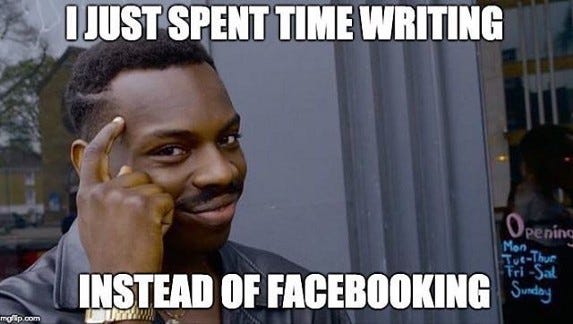
6. Publish less and edit more.
I’m not saying don’t write a lot — you should — but don’t hit the publish button as often. One great or even good blog post is better than 40 mediocre ones. I’m serious. Quality over quantity wins. If you’re not sure about the quality of something, compare it with something from a professional you admire. (Other than Seth Godin. Only Seth can write such short posts because he already has a huge following.)
7. Headlines are ABSOLUTELY critical to your success.
Without a great headline, it’s safe to assume that your audience is much smaller than it should be (aka mom and only a few bored Facebook friends reading your writing). I know that sounds a bit harsh, but it’s true. Headlines are almost always overlooked by most writers.
8. Most advice about how to do things is just a preference or opinion.
Very few other rules apply today as things change so quickly. Don’t be afraid to break the rules and experiment. When you follow what others say to do all the time, you will not be able to form your own conclusions.
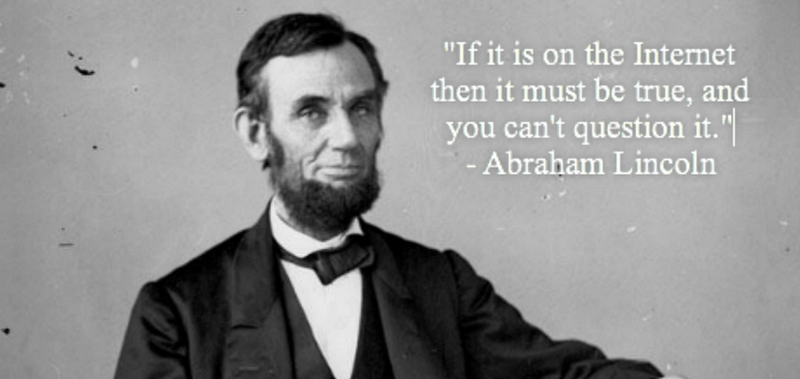
9. Your writing is NOT about you.
If you want to write for yourself, that’s fine, but let’s be clear — that’s really more of a journal or a diary. Unless you’re Oprah (or some other huge celebrity), it is best to write for a particular audience, or you will spend the majority of your time spinning your wheels. Write to help the audience. Even if you write fiction, you want to take the audience on an adventure and solve the problem of boredom.
10. If you want to be a writer, you have to be a marketer as well.
It is UNAVOIDABLE. Marketing is NOT a dirty word. It is just how you spread a message or share a story. Don’t let a few sleazy, pushy guys in ugly sport coats skew how you view marketing.
Marketing is just another form of storytelling. And if you write good stories, over time, some of them will spread.
The Takeaway For You
Your writing must be interesting. I know I’m repeating myself here, but it is THAT important. What do I mean by interesting? I mean informative, inspiring and entertaining. Ideally all three. Most blog posts simply are not interesting. Writing content just to write content does not help or interest the reader. And believe me, the reader can tell.
If you’re questioning whether or not a piece is interesting, back away from it and say, “Would I actually read this if I didn’t write it?” If the answer is not “HELL YES!” then you’re falling short, and your writing is not interesting. I know this is tough, but as a writer you are going to be challenged (and fail) a lot. It comes with the territory.
Even this post right here is competing with MILLIONS (if not billions) of other options out there fighting for your attention. If you want to be a professional writer, you’ve already got everything you need. The good news is that there are more opportunities than ever before. The bad news is that there are more opportunities than ever before. This means you’ll have to focus and work harder than you can imagine. You’ll fail some too (I promise). But if you stick with it, you can do it.
Got anything you would add to this list? I’d love to hear about it in a response!
Jim Woods is a bestselling author, freelance writer, and writing coach. His work has been featured in Fast Company, Life Hacker, Goinswriter, The Write Practice, and many other publications. If you’re a writer, I’d love to connect with you! My email is [email protected]


