avatarCosmin Firta

Free AI web copilot to create summaries, insights and extended knowledge, download it at here

4088

Abstract

in the eyes, posture, thoughts, we can even feel someone’s energy when they are sad.</p><p id="a0f4">So it is easy to tell when someone is happy or sad. It is harder to tell when they can be happier or not.</p><p id="37bc">Another question, maybe related, is <i>do we <b>want</b> to know if we can be happier</i>? Think about all the problems with social media. All the depression and sadness that is created by social media is because we see possibilities of being happier. That makes us feel that the amount of happiness that we feel is not enough. <b>There can always be more</b>. <i>So we become sad while being happy</i> just because we realize that we could be happier 🙃. Wouldn’t this happen if we would know that, now, when we are happy, we could, possibly, be happier?</p><p id="98f8">The idea of being <i>happier</i> comes in comparison with something else. Saing “I am happier” does not grammatically make sense. We can only say “I am happier than … “. If we remove the comparison source we can only say that “<b><i>I am happy</i></b>” and that is it. No levels, no <i>more</i> or <i>less</i>, just <b>happy</b>.</p><p id="5ded">So getting back to the questions, “Can someone already happy be happier?” <b>I don’t what to know</b>. And that person should not care as well. “How do you measure happiness?”<b> You shouldn’t</b>. Measuring happiness implies comparison and that destroys happiness.</p><p id="c555" type="7">Being happy is enough!</p><h1 id="7cce">Can it be that him being happy in a different way than us makes us think he is not happy?</h1><p id="1cd8">This is a very interesting question.</p><figure id="420b"><img src="https://cdn-images-1.readmedium.com/v2/resize:fit:800/1*UJ0GFLq_u1GSRLaj5u_2QQ.jpeg"><figcaption>Photo by <a href="https://www.pexels.com/@andrea-durey-498853?utm_content=attributionCopyText&amp;utm_medium=referral&amp;utm_source=pexels">Andrea Durey</a> from <a href="https://www.pexels.com/photo/woman-sitting-on-cushion-while-inside-of-a-van-1212863/?utm_content=attributionCopyText&amp;utm_medium=referral&amp;utm_source=pexels">Pexels</a></figcaption></figure><p id="bfb7">I am an atheist and one of my best friends, actually, the one that I had the conversation with, is a believing Christian. I found myself a lot of times explaining to him how following God’s will keeps him from progressing and achieving his best self and potential. I now realize why I was doing that. I did not care about his “best self” or his potential. I just wanted validation for my beliefs. He was very happy following God’s will. <i>He felt strong and protected and confident and all of that because he believed in God and he believed that God has his back and loves him.</i> <b><i>That is awesomely beautiful. </i></b>Why would I, his best friend, take that away from him just because I have a different opinion.</p><p id="0feb">That is when I realized that I was not helping him, I was trying to <i>get approval for my beliefs</i>. You see, if someone is happy believing something opposite from what I believe, that means that what I believe is wrong, right? And I am very stubborn so, <i>I will not change my belief, I will change his</i>. In this way, he will see that I am right and he is wrong. Right? <b>WRONG! Two times WRONG!</b></p><p id="eab5">To be able to destroy this kind of thinking I had to learn two lessons.</p><ol><li><b><i>People are different. That means different things make them happy.</i></b> If someone is happier with a different thought or belief does not mean that what I believe is bad, it is just different 🥰</li><li>If my beliefs make me happy is ok to have them unconfirmed by someone else. <b><i>Me feeling happy following a specific belief is enough!</i></b></li></ol><p id="151d">After realizing this I became more aware of when I tell my opinion. I realized that this happens a lot. In random discussions, I just barge in with my opinion without anyone asking about it. I had soo little faith in my beliefs that I, desperately, sought validation for them. Conversations became extremely interesting after this. I fou

Options

nd that people are extremely interesting and they have tons of stuff to share and to learn from. Also, when I say something, I say it because I am asked, that makes the people that I talk to more engaged and more present, that makes me feel listened to and interesting.</p><p id="3466">Getting back to the question. Can it be that him being happy in a different way than us, makes us think he is not happy? The answer is “yes”. We tend to seek confirmation for our beliefs and that makes us impose our beliefs on others. But …</p><p id="ea47" type="7">People are happy in different ways</p><p id="fcc6">… and that is what makes this world <b>wonderful!</b></p><figure id="516e"><img src="https://cdn-images-1.readmedium.com/v2/resize:fit:800/1*njhaYUNRuAXitWDHaszJ8A.jpeg"><figcaption>Photo by <a href="https://www.pexels.com/@fauxels?utm_content=attributionCopyText&amp;utm_medium=referral&amp;utm_source=pexels">fauxels</a> from <a href="https://www.pexels.com/photo/photo-of-people-s-hand-on-top-of-wooden-table-3184397/?utm_content=attributionCopyText&amp;utm_medium=referral&amp;utm_source=pexels">Pexels</a></figcaption></figure><h1 id="3517">If I consider someone unhappy, but they know they are happy, should I interfere and “help” him change his current situation?</h1><p id="0aa3">It is very easy to answer this question after thinking about the other two before it. Usually, we ask this before any of the other ones and then this would take us to the wrong paths. Think about all the quarrels you had with your friends or partners because they had a different opinion and you KNEW that is the wrong one. This creates other implications, especially in quarrels, people that feel opinions are being forced upon them will feel that their feelings or opinions are being canceled and considered not important enough. Will feel disrespected and pushed aside. And all that comes from your wish of making them happier. You have a very good intention. You want what is best for your friend or spouse. They do not feel this way. They gather anger and resentment against you, and then you feel that your effort is not appreciated, because you <i>just wanted to help</i>.</p><p id="3ced">This is very common and I saw it in a lot of my friends and couples, and it is very hard to get over it. We tend to identify ourselves with our ideas and our beliefs. So rejecting our beliefs will result in rejecting our very <b>being</b>. It is important to have our beliefs accepted so that we feel we deserve to live and we are safe and will not be alone. Our very survival became linked with the acceptance of our beliefs. No wonder people seek acceptance so hard.</p><p id="6972">Different opinions, different beliefs, contrast and variety make the world awesome and beautiful.</p><p id="ca81" type="7">Be brave enough to be different</p><h1 id="e9a5">Mindful conversations</h1><p id="7d56">All these lessons from a mindful conversation I had with a friend. There are lessons to be learned everywhere around us. Being mindful and listening openly will take us far and help us discover ourselves and strengthen our spirits.</p><p id="7c77" type="7">Life is a leason. Never stop learning</p><figure id="97c6"><img src="https://cdn-images-1.readmedium.com/v2/resize:fit:800/1*-kgkcKpbESvsEhmhIbDFBQ.jpeg"><figcaption>Photo by <a href="https://www.pexels.com/@karolina-grabowska?utm_content=attributionCopyText&amp;utm_medium=referral&amp;utm_source=pexels">Karolina Grabowska</a> from <a href="https://www.pexels.com/photo/books-in-tree-crotch-on-sunny-spring-day-4218698/?utm_content=attributionCopyText&amp;utm_medium=referral&amp;utm_source=pexels">Pexels</a></figcaption></figure><p id="a50b">If you liked this article and it helped you in any way, then I would love it if you would <a href="https://ko-fi.com/cosminfirta"><i>buy me a coffee ❤️☕️</i></a><i>.</i></p><p id="7cb3">Or, if you want unlimited access to all Medium content, feel free to use <a href="https://firtacosmin.medium.com/membership">my affiliate link</a>. It’s 5$/month, and I would receive half of that.</p></article></body>

A mindful Conversation With a Friend Thought Me These 3 Important Lessons.

How to listen so that you can always learn.

Photo by Matheus Bertelli from Pexels

Some days ago I had a conversation with a friend of mine.

Dude, he said, Mike doesn't have a girlfriend for some time now. How can we help him get one?

Help? I responded puzzled! What do you mean by “help”?

Help him find a girlfriend. Make him happy.

He told you that he needs a girlfriend to be happy?

Of course he needs a girlfriend. Everybody needs a girlfriend.

That was very interesting for me to hear. I know Mike. He is very happy. He does whatever he wants, he works out, and travels, he is a singer in a band, has concerts and stuff. The guy seemed happy to me. So I asked:

Man, have you seen Mike? The guy seems happy. What makes you think he needs a girlfriend?

Dude, he said, he is happy. But imagine how happy he would be if he would have a girlfriend. It would be awesome for him.

This opened, in my mind, 3 new questions:

  1. Can someone already happy be happier? How do you measure happiness?
  2. Can it be that him being happy in a different way than us makes us think he is not happy?
  3. If I consider someone unhappy, but they know they are happy, should I interfere and “help” him change his current situation?

The rest of the conversation diverged from this subject, but the 3 points remained in my mind.

I started to think a bit on each of them and I’ll tell you what I found.

Can someone already happy be happier? How do you measure happiness?

You can find a lot of studies on how can happiness be measured, but, all of them are psychological. My engineer mind feels that those types of tests are subjective and do not respect the 3 aspects of a successful experiment: applicability, reproducibility, and repeatability. And that makes sense because we are talking about individual feelings and thoughts. What makes someone happy is not the same as what makes someone else happy. I somehow thought that the level of happiness could be calculated, objectively by the level of dopamine released by your body. That is something that I did not find anything about. The internet is filled with how dopamine is tied with happiness, but nothing about being happier if your body releases more dopamine. If anyone finds or knows anything about this, please share with us 😉.

It would be very interesting to find someone drinking tones of coffee because he wants to be happier and happier and he read somewhere that coffee boosts dopamine 😅😅.

Photo by ELEVATE from Pexels

We might not be able to tell when someone can be happier, but it might be easy enough to tell when someone is not happy. That is very visible in the eyes, posture, thoughts, we can even feel someone’s energy when they are sad.

So it is easy to tell when someone is happy or sad. It is harder to tell when they can be happier or not.

Another question, maybe related, is do we want to know if we can be happier? Think about all the problems with social media. All the depression and sadness that is created by social media is because we see possibilities of being happier. That makes us feel that the amount of happiness that we feel is not enough. There can always be more. So we become sad while being happy just because we realize that we could be happier 🙃. Wouldn’t this happen if we would know that, now, when we are happy, we could, possibly, be happier?

The idea of being happier comes in comparison with something else. Saing “I am happier” does not grammatically make sense. We can only say “I am happier than … “. If we remove the comparison source we can only say that “I am happy” and that is it. No levels, no more or less, just happy.

So getting back to the questions, “Can someone already happy be happier?” I don’t what to know. And that person should not care as well. “How do you measure happiness?” You shouldn’t. Measuring happiness implies comparison and that destroys happiness.

Being happy is enough!

Can it be that him being happy in a different way than us makes us think he is not happy?

This is a very interesting question.

Photo by Andrea Durey from Pexels

I am an atheist and one of my best friends, actually, the one that I had the conversation with, is a believing Christian. I found myself a lot of times explaining to him how following God’s will keeps him from progressing and achieving his best self and potential. I now realize why I was doing that. I did not care about his “best self” or his potential. I just wanted validation for my beliefs. He was very happy following God’s will. He felt strong and protected and confident and all of that because he believed in God and he believed that God has his back and loves him. That is awesomely beautiful. Why would I, his best friend, take that away from him just because I have a different opinion.

That is when I realized that I was not helping him, I was trying to get approval for my beliefs. You see, if someone is happy believing something opposite from what I believe, that means that what I believe is wrong, right? And I am very stubborn so, I will not change my belief, I will change his. In this way, he will see that I am right and he is wrong. Right? WRONG! Two times WRONG!

To be able to destroy this kind of thinking I had to learn two lessons.

  1. People are different. That means different things make them happy. If someone is happier with a different thought or belief does not mean that what I believe is bad, it is just different 🥰
  2. If my beliefs make me happy is ok to have them unconfirmed by someone else. Me feeling happy following a specific belief is enough!

After realizing this I became more aware of when I tell my opinion. I realized that this happens a lot. In random discussions, I just barge in with my opinion without anyone asking about it. I had soo little faith in my beliefs that I, desperately, sought validation for them. Conversations became extremely interesting after this. I found that people are extremely interesting and they have tons of stuff to share and to learn from. Also, when I say something, I say it because I am asked, that makes the people that I talk to more engaged and more present, that makes me feel listened to and interesting.

Getting back to the question. Can it be that him being happy in a different way than us, makes us think he is not happy? The answer is “yes”. We tend to seek confirmation for our beliefs and that makes us impose our beliefs on others. But …

People are happy in different ways

… and that is what makes this world wonderful!

Photo by fauxels from Pexels

If I consider someone unhappy, but they know they are happy, should I interfere and “help” him change his current situation?

It is very easy to answer this question after thinking about the other two before it. Usually, we ask this before any of the other ones and then this would take us to the wrong paths. Think about all the quarrels you had with your friends or partners because they had a different opinion and you KNEW that is the wrong one. This creates other implications, especially in quarrels, people that feel opinions are being forced upon them will feel that their feelings or opinions are being canceled and considered not important enough. Will feel disrespected and pushed aside. And all that comes from your wish of making them happier. You have a very good intention. You want what is best for your friend or spouse. They do not feel this way. They gather anger and resentment against you, and then you feel that your effort is not appreciated, because you just wanted to help.

This is very common and I saw it in a lot of my friends and couples, and it is very hard to get over it. We tend to identify ourselves with our ideas and our beliefs. So rejecting our beliefs will result in rejecting our very being. It is important to have our beliefs accepted so that we feel we deserve to live and we are safe and will not be alone. Our very survival became linked with the acceptance of our beliefs. No wonder people seek acceptance so hard.

Different opinions, different beliefs, contrast and variety make the world awesome and beautiful.

Be brave enough to be different

Mindful conversations

All these lessons from a mindful conversation I had with a friend. There are lessons to be learned everywhere around us. Being mindful and listening openly will take us far and help us discover ourselves and strengthen our spirits.

Life is a leason. Never stop learning
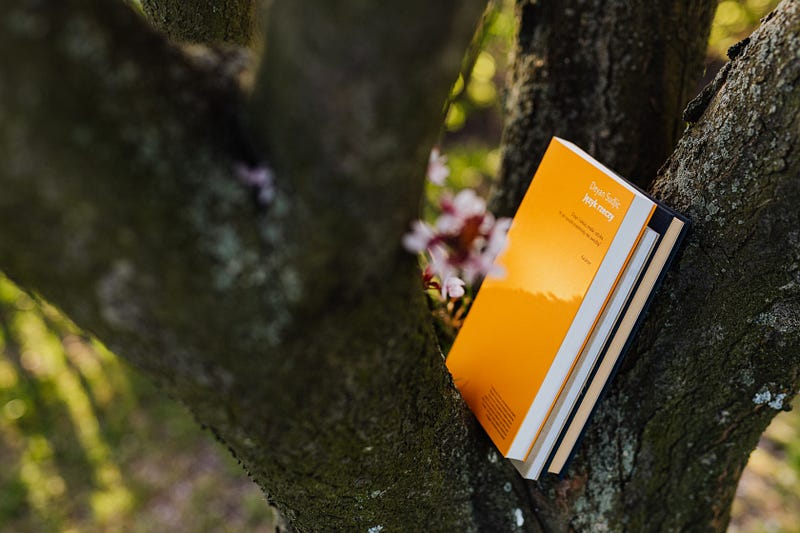
Photo by Karolina Grabowska from Pexels

If you liked this article and it helped you in any way, then I would love it if you would buy me a coffee ❤️☕️.

Or, if you want unlimited access to all Medium content, feel free to use my affiliate link. It’s 5$/month, and I would receive half of that.

Mindful Conversation
Happy Friendship
Life Lessons
Never Stop Learning
New Writers Welcome
Recommended from ReadMedium