
Want Children? Too Many in U.S. Saying ‘No Thanks’
Low birthrates, drop in immigration could hurt economy

The U.S. birthrate has declined for the sixth straight year, fewer adults even plan to have children, and there has been a stark drop in immigration into this country.
If these trends continue, they could have serious repercussions for the nation’s economic future. Who will keep the country productive? Whose taxes will fund Medicare and Social Security for aging Americans?
It’s time to take some overdue, practical moves: Make life easier on families likely to have more children and become more welcoming to immigrants. That would strengthen the economy for young adults too often despairing of the future, especially during the pandemic.
While demographers and other researchers are not predicting low fertility will result in U.S. deterioration, they do worry about these statistics:
- In April, the Census Bureau reported that in the last decade the U.S. population grew at the second-slowest rate for any 10-year period since the nation’s founding.
- The U.S. Centers for Disease Control and Prevention announced in May that the nation’s total fertility rate was 1.64 children per woman in 2020 — a record low for the nation. The so-called “replacement-level fertility” is about 2.1 children.
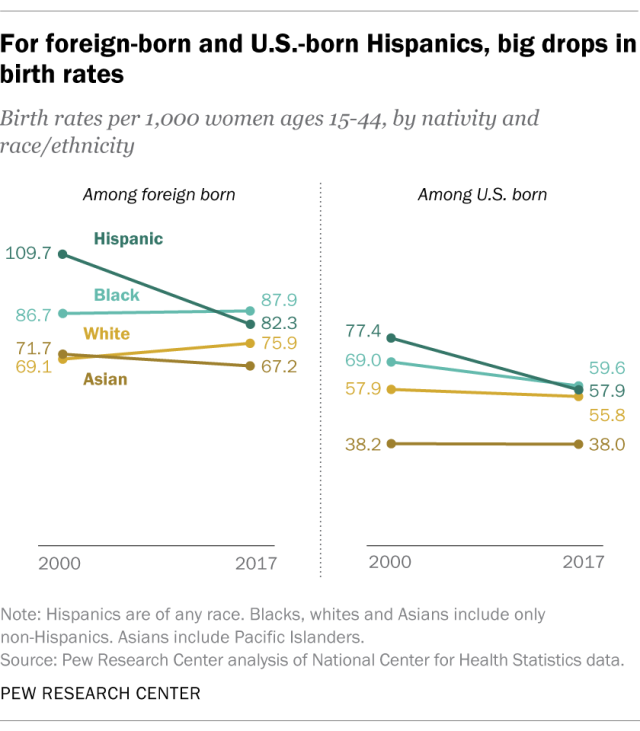
- For every 1,000 women of childbearing age (15 to 44), 55.8 of them gave birth in 2020, compared to 69.5 in 2007, a 20-percent decline.
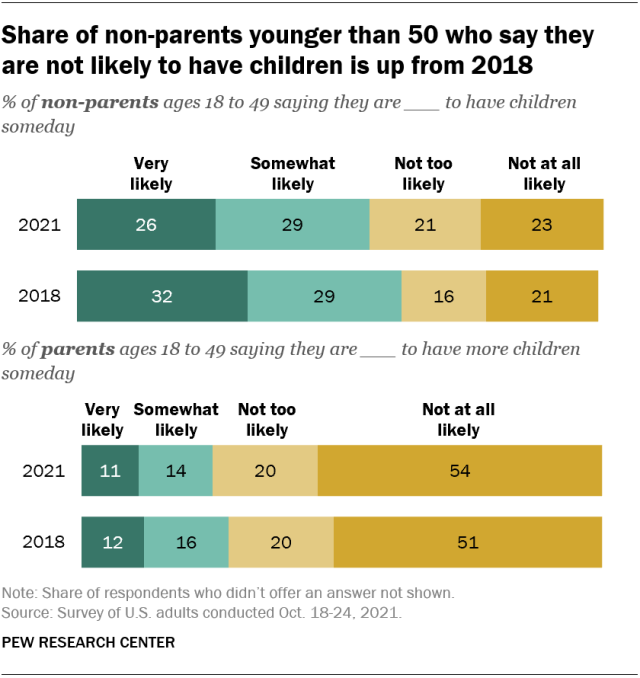
- More U.S. adults between ages 18 to 49 who have no children say they are unlikely to ever have them, according to a Pew Research Center survey. In October, only 26 percent of respondents said it was “very likely,” they will have children someday. That’s a six-point drop from 2018, when 32 percent answered “very likely.”
- Net migration into the U.S. declined by 40 percent from 2015 to 2019, in part because of hostile government policies.
- In July 2020, 52 percent of of young adults age 18 to 29 were living with parents. That’s higher than the 48 percent who lived with parents during the Great Depression in the 1930s.
Some may think more abortion restrictions could result in a jump in birthrates. But the number of abortions has fallen to the lowest level since the procedure became legal in 1973, according to a Guttmacher Institute study. The main reason, according to the study, is the decrease in pregnancies rather than tighter restrictions.
When asked in the Pew survey why they don’t see themselves having children, 56 percent replied that they just don’t want them. Forty-three percent cited other reasons, including lack of partner, medical issues, economic or financial reasons.
That’s why passage of President Biden’s social-policy legislation makes sense, not just for current economic challenges but for the future. The Build Back Better bill, passed by the House and now in the Senate, includes subsidized pre-K, child care, monthly child tax credits, paid family leave, affordable housing and health care reforms. Reducing the financial burden of having children is the best incentive — something other industrialized nations have already discovered..
The U.S. has always depended on immigration to remain vital. Migrants contribute to the economy and bring dynamism to the society. Since 2010, Asia has become the primary region for U.S. immigrants, followed by Africa and parts of the Caribbean.
Under the former administration, national policies were hostile to refugees, asylum seekers, temporary workers, young migrants who grew up in this country and even those following the rules for admission.
On his first day in office, Biden unveiled sweeping immigration reform legislation, the U.S. Citizenship Act of 2021, which included an eight-year path to citizenship for the estimated 11 million undocumented immigrants in the country. The bill has yet to be voted on by either House or Senate. Also, Senate Democrats have so far failed to get enough GOP support on other immigration reform bills.
Also, a federal court order forced reinstatement of the former administration’s policy that kept asylum seekers on the Mexican side of the border while awaiting U.S. immigration court dates.
Some researchers see low fertility as a positive development. Fewer people could lessen the impact on the environment, reduce overcrowding in urban areas and cut government costs. Yet, no one seems certain about the tipping point — when fewer births actually hurt the country’s finances and reputation.
In the meanwhile, demographers generally agree, it makes sense to welcome immigrants and invest in families and young adults. If this country can remain a place of opportunity and freedom, people will become more encouraged about the future. Faith in the future could lead to an increase in childbirth — and even happier adults.