
Wall Street Worries — Is This Stock Market a Bear
How to not get eaten by a bear market.
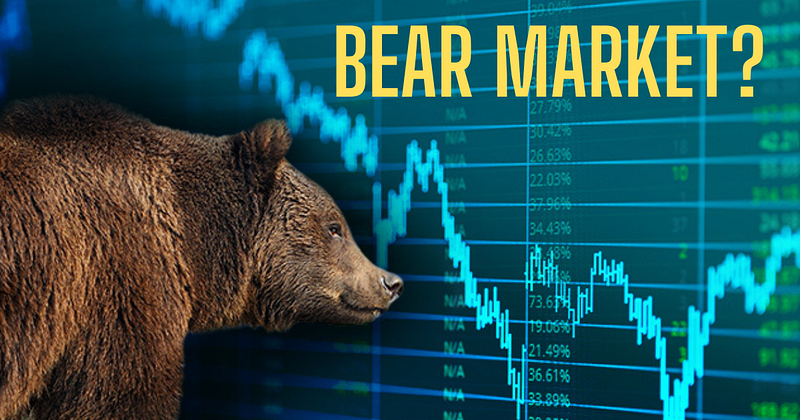
Since the peak of the stock market in December 2018, it has been gradually declining in value as of late March 2019. Will this be similar to the Great Recession of 2007–2008?
No one knows at this point, but many experts are worried that this market could be down by as much as 15% before recovering again, causing investors to panic and the economy to enter another recession.
If you’re an investor, it’s important to pay attention to these trends so you can protect your money. Read on for more information about whether or not this market will crash and how you can protect yourself from financial risks.
What Is a Bear Market
A bear market is an industry term that refers to any time when stocks experience sustained and sharp drops in value. As you may expect, these occurrences are fairly rare — but they’re also very important to monitor.
A bear market typically lasts anywhere from six months to two years and is often defined by heightened volatility. In other words, stock markets tend to swing more dramatically in down-markets than they do in up-markets, so keep an eye on your portfolio during these times.
At first glance, a bear market might not seem like much of a problem. After all, can’t you just sit back and wait for it to pass?
Are We In An Economic Recession
While there are several signs to indicate we may not be in an economic recession, there is one indicator that should make all of us stop and think about what is going on. The stock market has been so volatile it makes your stomach ache.
For every day of good news for stocks, there seem to be two or three days of bad news that drives it back down. Many economists claim we will see continued growth from Wall Street as long as consumers continue to feel confident and spend more money on things they need or want.
What Makes Up a Bear Market
Just because stocks have been on an upswing doesn’t mean we’re in a bull market. In fact, it could be just one part of what makes up a bear market. After all, markets rise and fall — it’s just part of what they do. But that doesn’t mean we should sit back and watch our portfolios diminish.
That’s why knowing how to identify what makes up bear markets is so important for your long-term financial health. Here is something you might want to pay attention to.
Volatility: It seems like nothing can stay calm for very long these days. Volatility may make it difficult to pinpoint exactly when bear markets begin or end, but there’s no doubt that uncertainty breeds volatility. The stock market is no exception.
Stocks often plunge at the beginning of major corrections and surge when things start to stabilize again, making volatility even more frustrating when trying to determine if you’re experiencing a bull or bear cycle.
Unfortunately, being able to predict volatility isn’t as easy as many would like, though if someone claims otherwise don’t believe them.
“The stock market is filled with individuals who know the price of everything, but the value of nothing.” — Phillip Fisher
How Do You Protect Yourself During a Bear Market
Don’t get too excited when you hear that stocks are doing well — no matter how much you love Wall Street. It’s good to watch how markets are performing, but in general, it’s probably not worth pulling your life savings out of your retirement account or selling off your entire portfolio just because some people think stocks could drop.
Most financial experts agree that while a bear market is something everyone should be prepared for (and be aware of), it isn’t an event that happens every few years. And if one does hit, it doesn’t mean you have to sell all of your stocks; using strategies like dollar-cost averaging can help you reduce risk and keep more money in play if prices fall.
Why Are Stocks and the Economy at Risk of Falling?
The S&P 500 is at an all-time high. But the economy is at risk of falling into recession. If that happens, stocks will likely fall with it. A recession tends to happen every two or three years and lasts for about six months.
The last one started in 2008 and lasted until mid-2009. In times like these, investors are more likely to lose money than make it. That’s because when economies are struggling, companies typically don’t do well either.
And when companies aren’t doing well, they don’t have as much cash on hand and if they don’t have cash on hand, they can’t pay out dividends or increase their share prices.

When Will the Fall Happen?
Even the strongest bull markets eventually come to an end. But knowing exactly when the fall will happen is nearly impossible. Still, there are some red flags investors can watch for that might give them an indication that it’s time to head for the exits.
To start with, we have to look at what caused past bubbles to burst. The tech bubble of 2000 was fueled by overvalued stocks in internet companies like Amazon (AMZN) and eBay (EBAY). When both stocks had their initial public offerings in 1997, they were priced at $18 per share each; by 1999, they were trading at $290 per share. That’s more than a 2,000% increase in just two years.
How To Protect Yourself From Another Crash
Investing during times of economic uncertainty is never easy. This can especially be true for those with short investment horizons. But what happens if another recession hits? Could it wipe out your investment returns in just a few months?
The truth is that no one knows for sure what will happen in our economy next. However, there are steps you can take to protect yourself against any further downturns while still holding onto solid long-term investments. With all that said, what strategies can you use to prepare for an economic crash? Well first off, you’ll want to make sure your portfolio consists of quality investments and not just stocks but bonds too. For example, bonds have done extremely well in recent years as both inflation and interest rates have remained near historical lows.
As an investor focused on protecting their money, taking advantage of such a situation would have been a great move because now your money has grown more than ever before even though interest rates are at record lows.
Additionally, there’s no reason not to hedge against risk either so maybe consider adding some gold or silver ETFs (exchange traded funds) or physical bullion depending on where prices go over time to further protect yourself.
How Long Do Bear Markets Last?
It depends. A bear market, by definition, is a 20% or more drop in stock prices over a two-month period. On average, that translates to about four months.
But they can be shorter or longer than that — 1929’s Great Depression took less than two months to turn into a disaster, while Japan’s Nikkei 225 fell 56% between October 1989 and August 1990 but it was nearly 14 months before that turned into an official bear market (it bottomed in December of 1991).
It’s worth noting that past performance is no guarantee of future results; nothing lasts forever and you never know when things might change for good.
Conclusion
So, Is this stock market a bear? The answer to the question isn’t so simple…The market is certainly going to rise and fall in terms of overall numbers, but looking at more specific factors may give you some insight into what is coming next.
There are many different areas to take into consideration when attempting to guess what comes next on Wall Street. As with any good stock market move, it starts with economic data.
Things like unemployment rates, GDP numbers, and interest rates play an enormous role in determining what investors do. If things look good for future economic growth chances are that investors will be more confident and willing to jump back into stocks, especially if they start seeing significant gains over previous years.
This is the end of today’s post. My readers can sign up for a membership through the following link to get full access to every story I write and I will receive a portion of your membership fee.
Sign-up link: https://midwestblogging66.medium.com/membership
Thank you so much for your continuous support. See you in the next story. Happy learning to everyone!