
Walking Blind: Living Well While the World Spins Out of Control
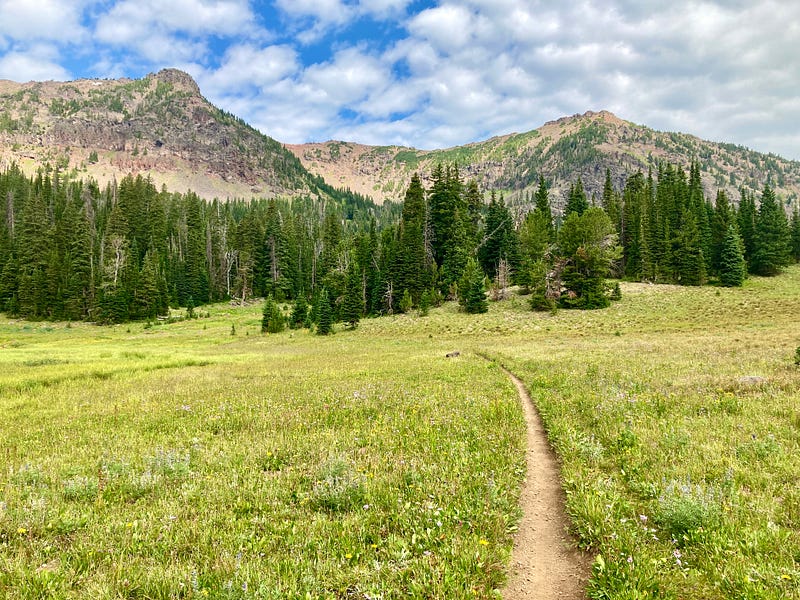
Perhaps one reason we have so much anxiety, fear, and depression in America today is that we collectively feel like we lack any sense of autonomy or control over our lives. When we look at the world around us and we take some time to think deeply about how it operates, we realize that we are completely and utterly out of control, and there’s not a damn thing we can do about it… almost.
This lack of control is readily apparent throughout our lives. Even if we think we have everything comfortably in hand and we’ve managed to create some illusion of control, random unforeseen events can quickly derail us. We can be healthy and fit, and an injury can turn our physical fitness aspirations into a train wreck. An unpredictable sickness can sideline us, or even kill us.
Consider government and law, and how absolutely little say we have in the authorities that hand down legislation to us. Aside from casting a vote every few years (and millions of Americans fail to have even that simple say in our democracy), we have no control over what our elected officials choose to do once they’re in office. I imagine that every single one of us can think of a time in the past four years when we have seen a piece of legislation passed or an executive order delivered that we’ve seriously disagreed with, and yet our disagreement doesn’t mean a goddamned thing.
If you need a more obvious example to connect with, consider the pandemic and the plethora of ways that it has derailed or altered the lives of almost every single human being on the planet.
Black Swans
Events such as the pandemic, that we can’t predict and that have dramatic and wide-reaching effects, are known as “black swan” events, a term coined by the writer Nassim Taleb in his book by the same name. The central tenet of black swan events is that they are entirely unpredictable, so if we spend time trying to predict these events or considering what sorts of black swan events might swoop in and fuck up our lives, we’re only deluding ourselves because a black swan is, by definition, unpredictable.
I sometimes struggle with how to live in such a world where black swans have such an outsize impact on my daily life. If I can’t predict them and I can’t prepare for them, then how do I live right now? How do I find some semblance of control in this unpredictable life?
The Path Forward
One path forward is to realize that life is simply a series of steps that we take, with minimal vision and foresight. The most important part is to continue taking those seemingly inconsequential steps every single day, because if you take a few steps every day, you end up covering vast distances over the course of your lifetime.
The alternative is to stop and refuse to move out of fear. It may seem logical that if you can’t see where you’re going, that you should stop and wait until you can see the path clearly again. But that supposed logic misses the point that we can never see that far ahead. Black swans are going to swoop in and alter our lives unexpectedly, whether we want them to or not. If we become paralyzed through this inability to foresee the future, then we never get anything meaningful done, ever.
Instead, true bravery begins with stepping out when we cannot see, making a move when the outcome is uncertain. The result is a thrilling rush of nervousness and excitement! Because if we only move when the outcome is certain, how boring would life be then?
Concretely, one method that I’ve been using to try to combat this unpredictability, to slowly claw back some semblance of control in at least a few portions of my life, is this Outside 365 project. No matter what’s happening in the world around me, no matter what sort of shit might hit the fan and obliterate my plans, I can at least go outside and move my body every single day. While conceivably some black swans could prevent me from doing even this, if I refuse to accept no for an answer, then in some small way I’ve reclaimed my autonomy by telling the world to go fuck itself while I go on my mountain bike ride for the day.
If all else fails, finding a way to have a small win by moving through nature every single day does wonders for my confidence in the rest of my life… and maybe it can for you, too.
Enjoy what you’re reading? Get Outside 365 delivered straight to your inbox by subscribing here!