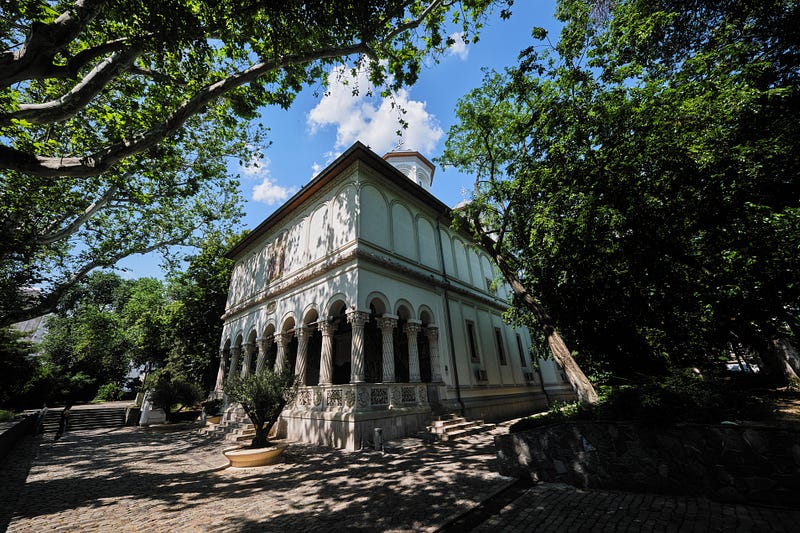
Walk With Me Through Bucharest’s Old Town
Travel Guide of Bucharest — “Little Paris” of Eastern Europe
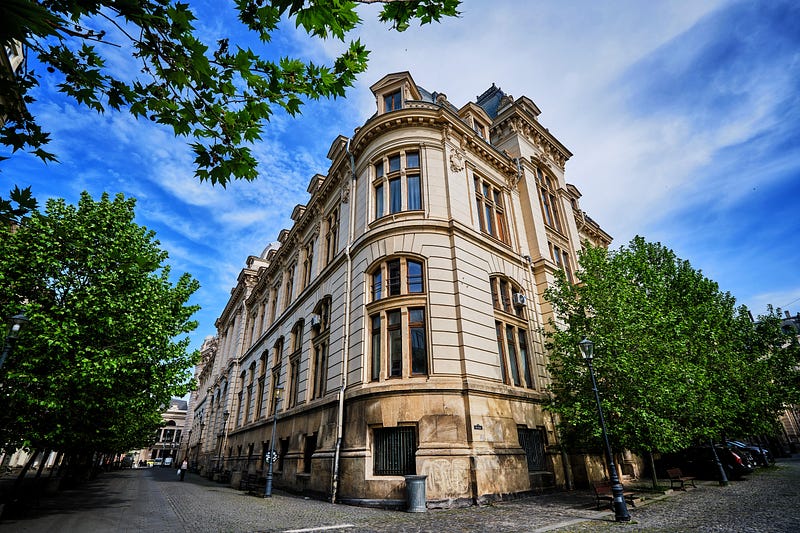
It’s difficult to imagine the former glory of the Bucharest Old Town, hidden beneath all the shiny new storefronts or eaten away by the relentless passing of time. There’s an almost eerie feeling wandering around the lifeless cobblestone streets on a Sunday morning.
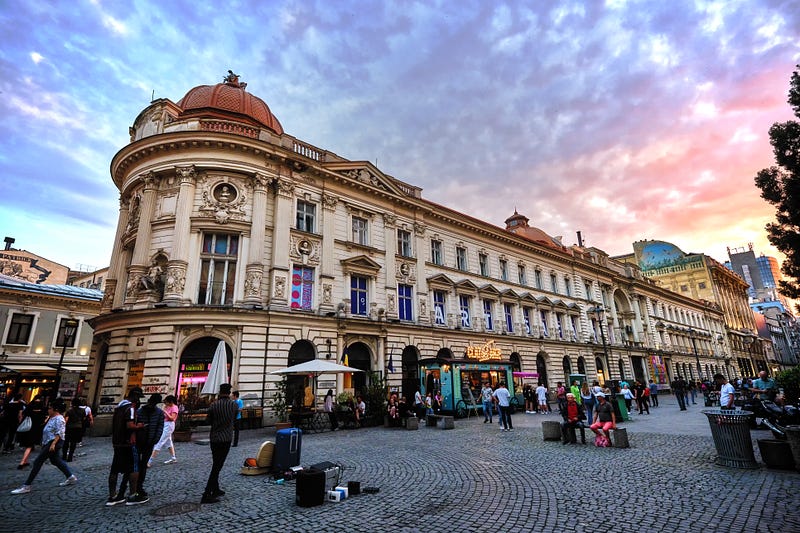
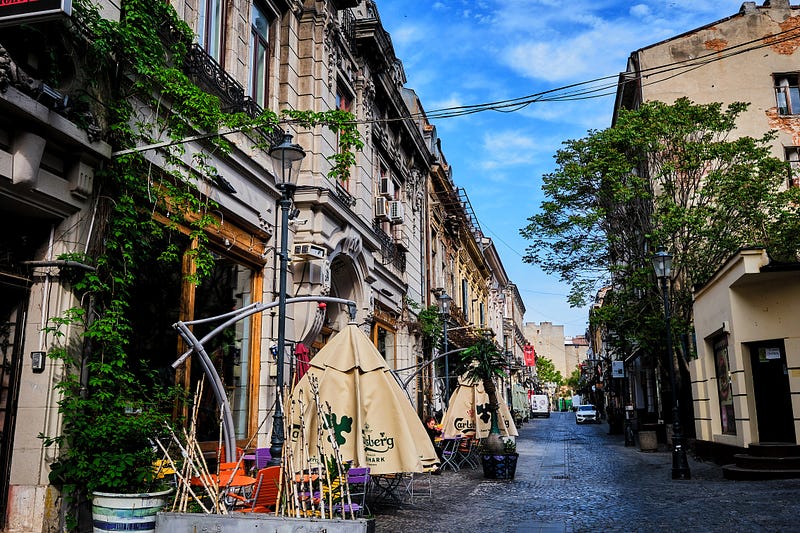
The quaint charm of Bucharest’s Old Town
Urban explorers and lovers of culture must wander through the constant construction works and disheartening derelict facades in order to get a glimpse of its raw beauty. Those that love this place still hope that some day the area will be completely reborn and all its treasures saved from the dust. As the evening sets in, especially during the warm season, it becomes a completely different place and the atmosphere changes dramatically.
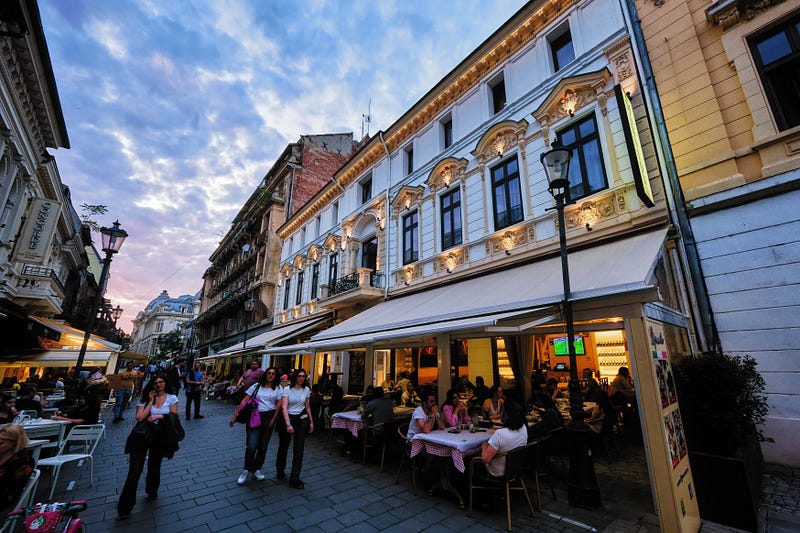
The pace becomes almost hypnotic, as rivers of people overflow into the most vibrant streets, frantically searching for the popular restaurants, pubs and nightclubs. Locals and tourists alike indulge into the free and careless spirit of Bucharest’s Old Town. A mix of cultural heritage and entertainment haven, this is one of the most fascinating destinations of the country. Far from perfect, the old city area of Bucharest is a mandatory experience when visiting the capital of Romania.
Short History of Bucharest’s Old Town
The true development of Bucharest’s Old Town started at the beginning of the 17th century, when the capital of Wallachia moved here from the city of Targovishte. It grew around the Old Princely Court Palace complex that was built in 1459, during the reign of Vlad the Impaler (Vlad III Dracula).
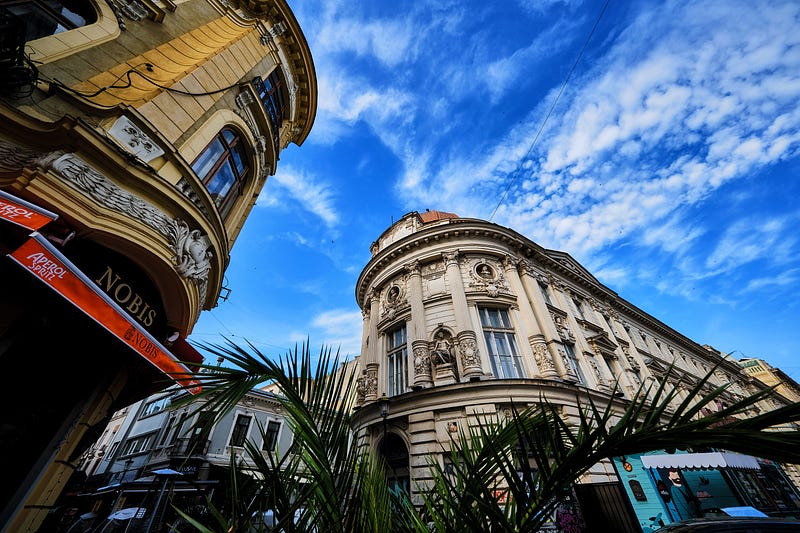
The surrounding streets spread out and became a commercial core that quickly expanded to develop into the capital of the whole country. The most important streets took the names of important guilds and merchants from all over Europe would set up shop along them. Soon, lively inns and later charming hotels opened up between shops and stores, to serve the increasing population and visitors.
Sadly, a great number of monuments were destroyed during the Second World War bombings and later by the Communists, who saw this area too bourgeois, nationalizing all the private businesses and completely ruining everything good about it. The state of the old town before 1990 can still be seen on some side streets and alleys, with derelict and collapsing buildings, some beyond saving.
Location of Bucharest’s Old Town
Bucharest Old Town (old center as it’s known by locals) covers an area of approximately 0.5 sq. km., located between Queen Elizabeth and Carol I boulevards to the north, Hristo Botev Boulevard to the east, Corneliu Coposu Boulevard, Halelor Street and Splaiul Independenței to the south, and Victory Avenue to the west. A walk through the enchanting streets will reveal exceptional historical and architectural treasures, but also a vibrant atmosphere that truly comes alive in the evening.
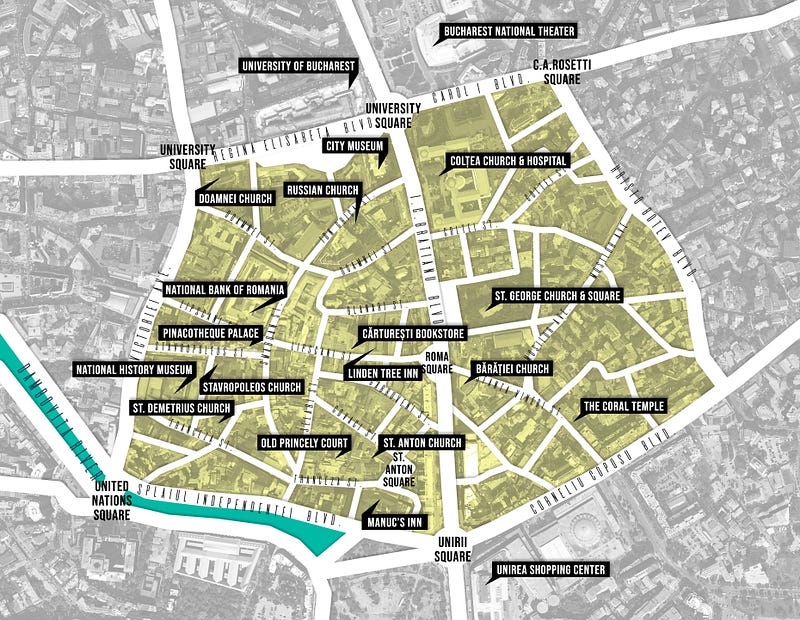
We can reach the old town in Bucharest easily from any part of the city, the best option being the subway system, with Piața Unirii and Universitate stations being on the southern and northern side of the area. There are also plenty of bus stops in the vicinity. We can explore the old town on foot, as most streets are pedestrian and the parking places are limited. I would suggest at least a half-day tour of Bucharest’s Old Town in order to get the full experience and see most of the interesting sights.
Top Sights of Bucharest’s Old Town
At the core of this area stands the Old Princely Court Palace that used to be the residence of the rulers of Wallachia, including the famous Vlad the Impaler. The palace complex included living chambers, reception halls, cellars, stables, gardens and other spaces. The palace was severely damaged and became obsolete after the fire of 1718 and the earthquake of 1738. Today, it is being renovated and transformed into a museum.
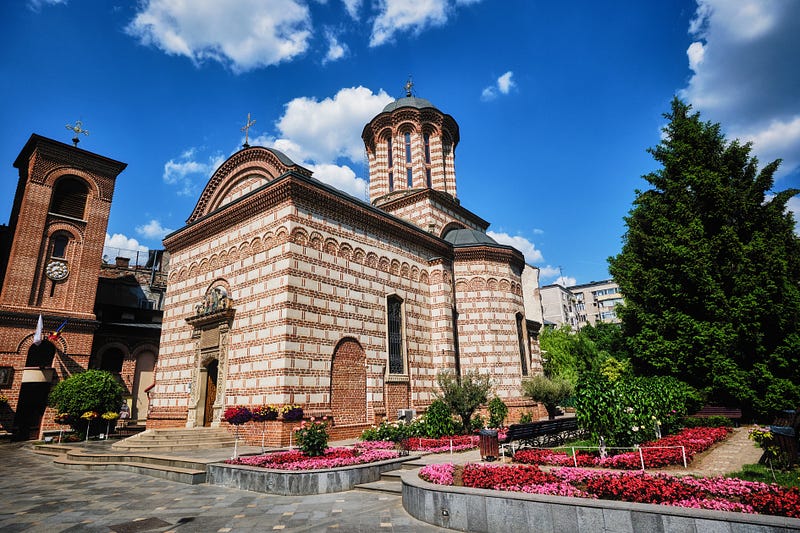
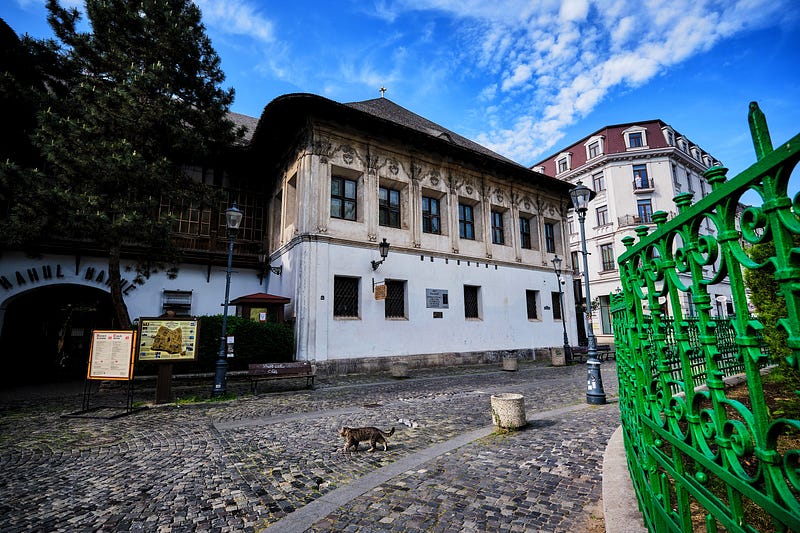
The palace complex also includes the adjacent Saint Anthony Church (also known as the Annunciation or Old Court Church), dated around 1555 and being the oldest religious edifice in the city to keep its original architecture. Right in front of the church is one of the oldest and most famous inns of Bucharest. Manuc’s Inn (Hanul lui Manuc) is still preserving much of its authentic aspect and was built in 1808 by a wealthy Armenian entrepreneur. It is the oldest hotel-type building in Bucharest and has housed important historical events.
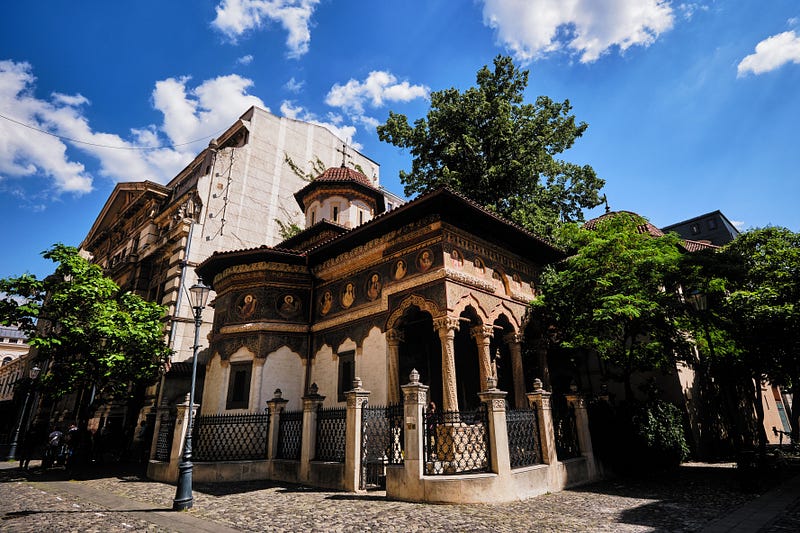
Still on the French Street, a little to the west, visitors can admire the beautiful St. Demetrius — Post Church, dated in 1819 and featuring several holy relics and the only old icon of St. Judas Tadeo in Bucharest. A few steps to the north along the rear walls of the National History Museum, there is one of the most beautiful churches in the city. The Stavropoleos Monastery Church, built in superb traditional Brâncovenesc style, houses the largest collection of Byzantine music books in Romania. It was built in 1724 by a Greek monk that owned an inn. The monastery and the inn were demolished by the end of the 19th century.
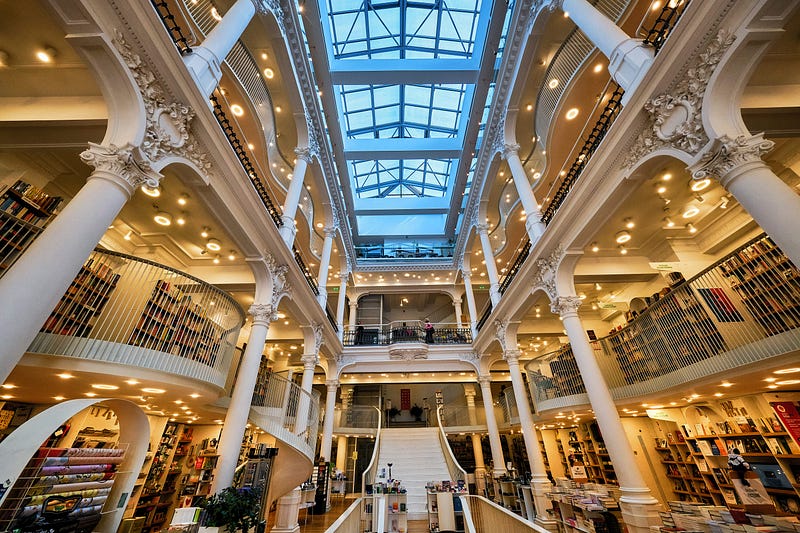
Moving over to Lipscani Street, this is one of the most enchanting in the Old Town. Travelers can admire the superb architecture of the Romanian National Bank or the Pinacotheque Palace. One of the lesser-known treasures of Bucharest is the “Little Paris” Museum that features fascinating exhibits that recall the atmosphere of the city at the dawn of the 19th century. Another spectacular attraction on Lipscani Street is the modern Cărturești Carusel Bookstore, with its unique interior design.
At times, we can still sense the soul of this eclectic and fascinating area of Bucharest. It’s no wonder that the city was once known as “Little Paris” and some of the renovated streets of the old center still capture part of that authentic charm of bygone times. Some of the old inns, mansions and churches have survived the long years of neglect and can now be admired in full splendor. Nevertheless, Bucharest Old Town is still far away from being saved, as it’s mostly famous for its restaurants and nightlife rather than the splendid architecture found all around.
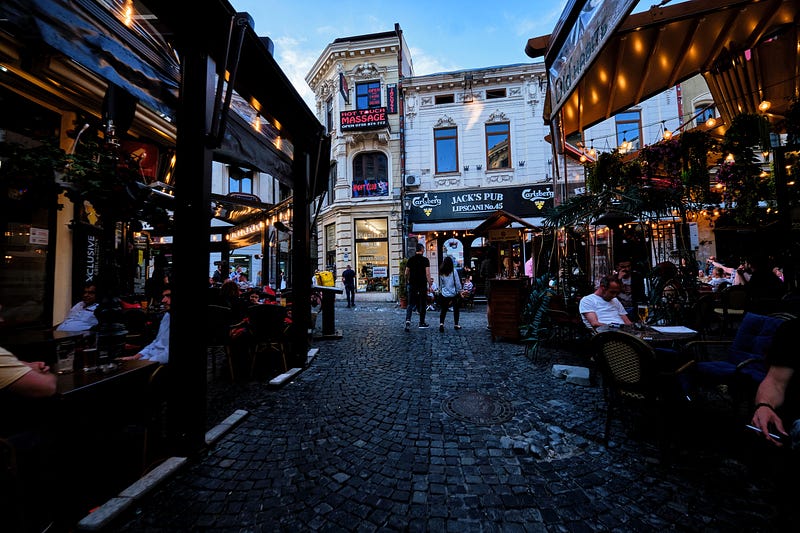
Another historical inn of Bucharest can be found nearby. The Linden Tree Inn (Hanul cu Tei) was built in 1833 and has preserved much of its original look, although today it houses art galleries and bars. It can be accessed from both Lipscani and Blănari streets. Other interesting attractions on the western side of Bucharest Old Town include the St. Elias Church — Colței Inn, St. Nicholas Șelari Church, the Romanian Kitsch Museum and more.
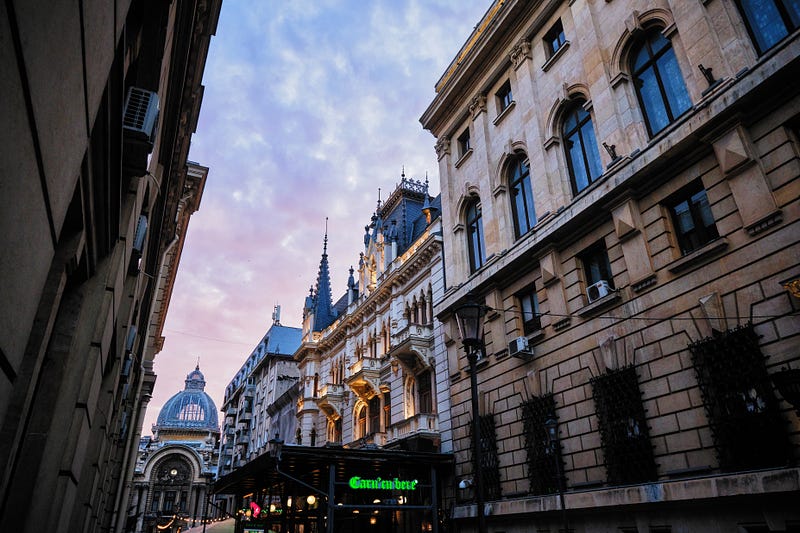
Surrounding the busy University Square, there are other beautiful landmarks, starting with the Bucharest Municipality Museum, housed inside the superb Șuțu Palace. This art and history museum presents the life and past of the city. Nearby, visitors can admire the amazing domes of the St. Nicholas or Russian Church, initially covered in gold and very unusual for Romania. Over the busy I.C. Brătianu Boulevard that was built over part of the old town, several heritage sites can be discovered, starting with the old Colțea Church, built in 1702 and once part of a monastery. It includes beautiful interior paintings and decorations.
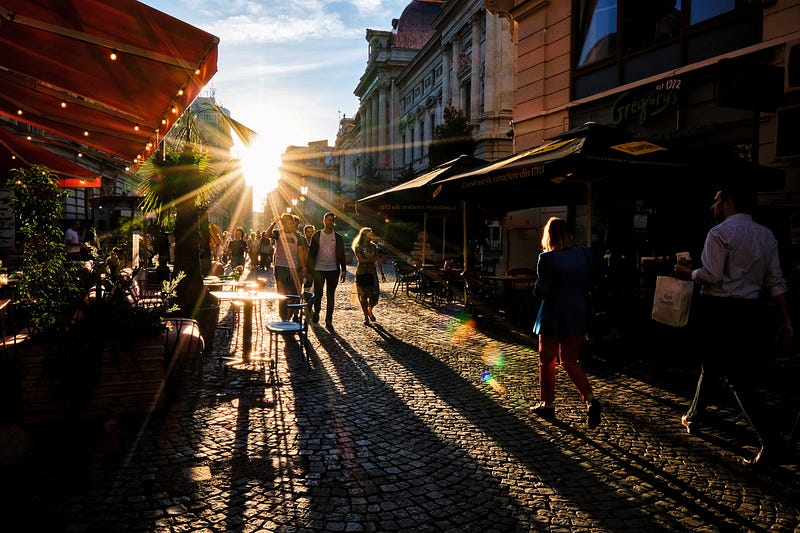
A little to the south, next to the amazing St. George New Church is the Kilometer Zero Monument, marking the place from which all distances in Romania are measured. The southeastern corner of old town is part of the so-called Jewish Quarter, with the Coral Temple built in mid-19th century as a replica of the Great Synagogue in Vienna. These are only the most important places to see while visiting Bucharest’s Old Town, as other hidden marvels can only be discovered by wandering around the maze of streets and alleys, especially around Lipscani Street, French Street, Șelari Street, Blănari Street, Doamnei Street, Calea Moșilor, Colței Street and others…