
The Beauty of Patience
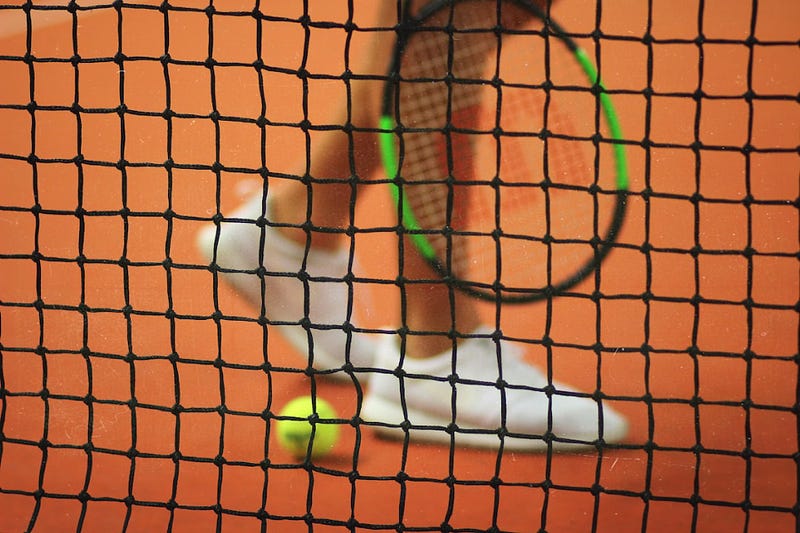
A tennis tournament was held, and the result was entirely unexpected. Those who are often on the tennis court are like swallows. None of the men and women who flew around with such light and dashing grace were champions, but he was a beginner, a middle-aged man who looks very clumsy and ridiculous.
The champion doesn’t have any skills, pulling, cutting, anything. The only thing he can do is bounce each ball back. Playing it, the other party was annoyed and slashed violently, but the result was either not the net or out of bounds, “DEAD”.
The champion’s approach is, don’t kill you, wait for you to kill yourself. He knows he is not ready yet. But he can wait. He is waiting for you to “kill yourself”.
This is not uncommon in personality contests, and some people never strike first. He’s just highly patient with you to grind time — when you can’t stand it anymore — when you’re in a hurry to win. He wins.

And, in fact, what kind of contest is not a contest of personalities?
“The Art of War” says: You can win against the enemy, but you can’t win against yourself. That is to say, first, make yourself invincible ground, and then patiently wait for the enemy to make a mistake.
Chess
In chess, strategic patience is often employed to wait for the opponent to make a tactical error or a positional blunder. Skilled players carefully plan their moves, creating a solid position on the board and patiently waiting for their opponent to make a mistake that can be capitalised upon.
Poker
In poker, experienced players often adopt a patient approach, waiting for their opponents to misstep or reveal a weak hand. By observing their opponents’ behaviours and betting patterns, players can identify opportunities to exploit their mistakes and maximise their gains.
Boxing
In boxing, fighters sometimes employ a defensive strategy known as “rope-a-dope,” where they lean against the ropes and allow their opponent to tire themselves out by throwing punches. By conserving energy and waiting for their opponent to make mistakes or become fatigued, the defensive fighter can seize the opportunity to counterattack and secure a victory.
Debate
Debating competitions often involve waiting for the opponent to make logical fallacies, inconsistencies, or weak arguments. By carefully listening and analysing the opponent’s points, skilled debaters can exploit these weaknesses and effectively refute their opponent’s position, ultimately winning the debate.
Negotiations
In negotiations, skilled negotiators often exercise patience and wait for the other party to reveal their position or make a mistake. By actively listening, asking probing questions, and observing the opponent’s reactions, negotiators can identify weaknesses or inconsistencies in the other party’s stance, leading to more favourable outcomes for themselves.
Project Management
In project management, there are instances where waiting for the opponent, in this case, a competing project or team, to make a mistake can be advantageous. Let’s say two teams are working on similar projects, vying for limited resources or recognition. Instead of engaging in confrontation or rushing to complete the project, one team may choose to adopt a patient approach. By closely monitoring the progress and actions of the competing team, they can identify potential pitfalls, errors, or delays. This allows them to learn from their competitor’s mistakes and adjust their project strategy accordingly. By waiting for their opponent to stumble, they can gain a competitive edge, deliver a more successful project, and potentially secure additional resources or recognition within the organisation.
Waiting for the opponent to make a mistake can provide a strategic advantage in various competitive contexts.
Next time when you encounter an opponent, kill him with your patience.

By Magni with DALL-E-3