
Wabi-Sabi: How to Embrace the Beauty of Imperfection and Impermanence
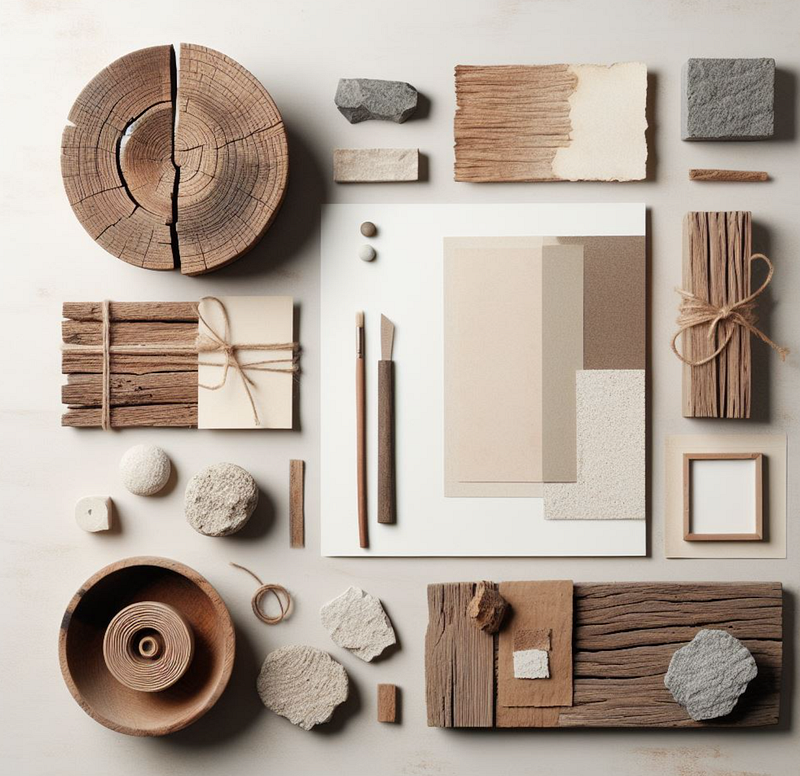
The Philosophy of Wabi-Sabi: Finding Beauty in Imperfection and Transience
Have you ever admired the cracks in a ceramic bowl, the faded colors of an old painting, or the asymmetry of a handmade vase? If so, you might have experienced a glimpse of wabi-sabi, the Japanese philosophy that celebrates the beauty of the imperfect, the impermanent, and the worn and weathered.
Wabi-sabi is not a set of rules or a style, but rather a way of looking at the world and appreciating the natural cycle of life. It is about finding joy and meaning in the simple and ordinary things, and embracing the flaws and limitations that make us and everything around us unique and authentic.
In this blog post, I will delve into the history and principles of wabi-sabi, and share some tips on how you can incorporate this philosophy into your own life and home.
The Origins of Wabi-Sabi
The term wabi-sabi is composed of two words that originally had negative connotations. Wabi (侘び) meant something like “a lonely life in nature, far away from society”, while sabi (寂び) meant “withered”, “faded”, or “degraded”. Over time, these words acquired more positive meanings, such as “rustic simplicity”, “understated elegance”, and “taking pleasure in the imperfect”.
The concept of wabi-sabi is influenced by Taoism and Zen Buddhism, two philosophies that emphasize the harmony and balance of nature, and the acceptance of change and imperfection. Wabi-sabi can be traced back to the 15th century, when a tea master named Murata Shukō introduced a new way of preparing and serving tea, known as wabi-cha. Instead of using elaborate and expensive utensils, he used simple and humble ones, often made of bamboo or wood, and sometimes cracked or chipped. He also preferred a rustic and natural setting for the tea ceremony, such as a thatched hut or a garden. His aim was to create an atmosphere of intimacy and tranquility, where the guests could focus on the essence of the tea and the moment.
Wabi-cha was further developed by other tea masters, such as Takeno Jōō and Sen no Rikyū, who refined the aesthetics and principles of wabi-sabi. They favored utensils and objects that were handmade, irregular, and imperfect, often with signs of age and use, such as cracks, stains, or repairs. They also appreciated the beauty of nature in its various seasons and stages, such as the falling leaves, the melting snow, or the blooming cherry blossoms. They believed that these elements evoked a sense of mono no aware, a Japanese term that means “the pathos of things”, or the bittersweet feeling of appreciating the fleeting and transient nature of life.
The Principles of Wabi-Sabi
Wabi-sabi is not a rigid or dogmatic philosophy, but rather a personal and subjective one. There is no definitive list of rules or criteria to define what is wabi-sabi and what is not. However, there are some general principles that can help us understand and practice wabi-sabi in our daily lives. Here are some of them:
- Simplicity: Wabi-sabi values simplicity over complexity, and quality over quantity. It encourages us to reduce clutter and distractions, and to focus on the essential and meaningful aspects of life. It also invites us to appreciate the simple and ordinary things that we often take for granted, such as a cup of tea, a ray of sunlight, or a smile from a friend.
- Authenticity: Wabi-sabi values authenticity over artificiality, and originality over conformity. It encourages us to be ourselves, and to express our true feelings and thoughts, without pretense or masks. It also invites us to appreciate the uniqueness and individuality of ourselves and others, and to respect the diversity and variety of life.
- Imperfection: Wabi-sabi values imperfection over perfection, and flaws over faults. It encourages us to accept and embrace our own and others’ imperfections, and to see them as sources of beauty and character, rather than as defects or shortcomings. It also invites us to appreciate the irregular and asymmetrical shapes and forms of nature and art, and to see them as expressions of creativity and spontaneity.
- Impermanence: Wabi-sabi values impermanence over permanence, and change over stability. It encourages us to accept and embrace the fact that nothing lasts forever, and that everything is subject to change and decay. It also invites us to appreciate the beauty and poignancy of the fleeting and transient moments of life, and to see them as opportunities for growth and renewal.
How to Incorporate Wabi-Sabi into Your Life and Home
Wabi-sabi is not only a philosophy, but also a lifestyle and an art form. It can be applied to various aspects of our life and home, such as our mindset, our relationships, our hobbies, our possessions, and our environment. Here are some tips on how you can incorporate wabi-sabi into your life and home:
- Mindset: Cultivate a wabi-sabi mindset by practicing mindfulness, gratitude, and compassion. Be present and aware of the here and now, and pay attention to the details and nuances of your surroundings and experiences. Be thankful for what you have and what you are, and avoid comparing yourself or others to unrealistic or idealized standards. Be kind and gentle to yourself and others, and forgive yourself and others for your mistakes and shortcomings.
- Relationships: Cultivate wabi-sabi relationships by being honest, respectful, and supportive. Be yourself and let others be themselves, and avoid trying to change or control them. Respect the differences and boundaries of yourself and others, and celebrate the diversity and variety of life. Support yourself and others in your goals and dreams, and encourage each other to grow and learn.
- Hobbies: Cultivate wabi-sabi hobbies by being creative, playful, and curious. Explore your interests and passions, and try new things and experiences. Express yourself through various forms of art and craft, such as painting, writing, knitting, or gardening. Enjoy the process and the journey, rather than the outcome and the destination. Have fun and experiment, and don’t be afraid to make mistakes or fail.
- Possessions: Cultivate wabi-sabi possessions by being selective, intentional, and sustainable. Choose quality over quantity, and only keep or buy things that you need, love, or use. Avoid unnecessary or excessive consumption, and opt for natural, organic, or recycled materials. Cherish and care for your belongings, and repair or repurpose them when they break or wear out. Appreciate the history and stories behind your possessions, and the marks and signs of their use and age.
- Environment: Cultivate wabi-sabi environment by being cozy, comfortable, and harmonious. Create a space that reflects your personality and preferences, and that suits your needs and functions. Use colors, textures, and patterns that evoke a sense of warmth, calm, and balance. Incorporate natural elements, such as plants, flowers, stones, or wood, and let them change and evolve with the seasons. Display objects and artworks that have meaning and value to you, and that inspire and delight you.
Conclusion
Wabi-sabi is a Japanese philosophy that can help us find beauty and happiness in the imperfect, the impermanent, and the worn and weathered. It can also help us live a more simple, authentic, and meaningful life, and create a more cozy, comfortable, and harmonious home. By practicing wabi-sabi, we can learn to appreciate and embrace ourselves, others, and everything around us, just as they are.


