
Wabi-Sabi
Haiku
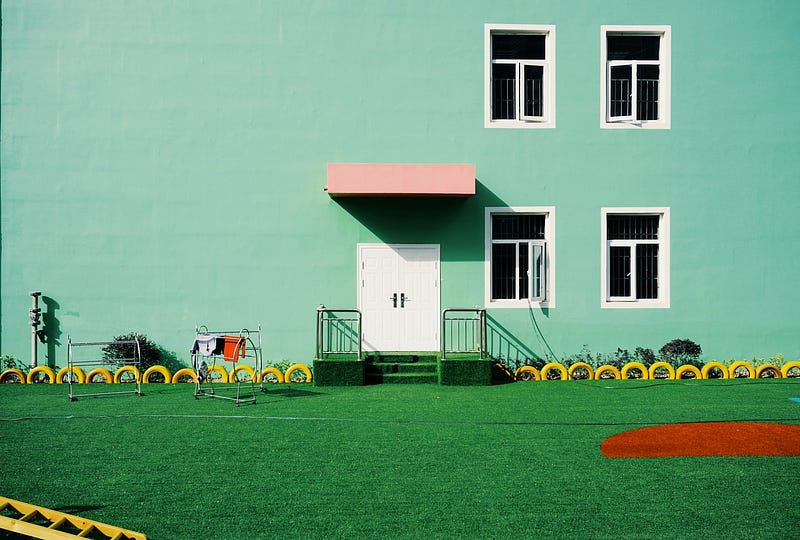
Dogtooth garden hose Air pleasures tall trees and sound Change of clothes, left note
Summary
The web content introduces the concept of Wabi-Sabi through a Haiku poem and an accompanying image.
Abstract
The website presents a Haiku poem titled "Wabi-Sabi," which encapsulates the Japanese aesthetic that finds beauty in imperfection, impermanence, and incompleteness. The poem "Dogtooth garden hose / Air pleasures tall trees and sound / Change of clothes, left note" is paired with a serene image of a garden hose, likely the "dogtooth" hose mentioned in the poem, set against the backdrop of nature. The image, credited to 傅甬 华 on Unsplash, visually complements the Haiku, evoking a sense of tranquility and the transient nature of life. The poem suggests a scene of quiet contemplation and the simple joys of life, such as the pleasure derived from the natural environment and the act of leaving a note after a change of clothes, perhaps indicating a moment of solitude or transition.
Opinions
Dogtooth garden hose Air pleasures tall trees and sound Change of clothes, left note


