avatarJoseph Serwach

Free AI web copilot to create summaries, insights and extended knowledge, download it at here

2137

Abstract

hields.</p><p id="46b9">We learn to hold back love and vulnerability to protect ourselves from harm. But the desire remains to make ourselves vulnerable, knowing we need to let down our guard to be loved and be open to happiness.</p><blockquote id="f7fc"><p>“We know that’s the path to happiness,’’ Thelen says. “We know that’s what we’re made for. On the other hand, we don’t want to be hurt. We don’t want to be vulnerable. Father, what does this have to do with Christmas? EVERYTHING! God understands you. He understands your desires not to be hurt and the places you have been hurt. Yet, he also understands the deep longing inside of you to be loved and to love and give yourself away.’’</p></blockquote><h2 id="9cea">At Christmas, “God is saying to us in His Son Jesus that He too is vulnerable…’’</h2><blockquote id="b975"><p>“He comes to us, not as a king to rule over us but as a little child who is completely vulnerable to being hurt and rejected by us and why does he do that? Because He wants to come and heal us, to enter into that very place of brokenness so that He can make us whole. He wants to save us from that place in our heart that desires to hurt other people.’’</p></blockquote><figure id="0c7a"><img src="https://cdn-images-1.readmedium.com/v2/resize:fit:800/0*9GUpwfkfVfgYwY_4"><figcaption>Photo by <a href="https://unsplash.com/@juliacaesar?utm_source=medium&amp;utm_medium=referral">Julia Caesar</a> on <a href="https://unsplash.com?utm_source=medium&amp;utm_medium=referral">Unsplash</a></figcaption></figure><p id="1ca4">We tend to react to being hurt by hurting others, he explains. So God tries to heal us by reaching the places where we have been hurt.</p><p id="b237" type="7">“This is the humility of God, to come to us in that place as a little child,’’ Father Mathias says. “How comfortable you are with love is an indication of how comfortable you are with God.’’</p><p id="0d6b">Because God is love: God gives Himself to us.</p><p id="adb2">He wants us to open ourselves to Him. As we come to know God, we begin to let down our guard, to trust and see who God actually is.</p><blockquote id="1a7f"

Options

<p>“We live in a culture of wounded people,’’ he says. “Sometimes, when people are wounded, they become cynical and say ‘You can’t trust God. God’s not there for you.’ Some people are even saying God’s not real… These people are very intelligent, saying ‘Don’t trust God, you can make it on your own.’ … It doesn’t change the fact that they’re wounded… that they’ve put walls around their heart because they refuse to be vulnerable…’’</p></blockquote><h2 id="7175">When we refuse to be vulnerable, we can’t know the God who is vulnerable…</h2><p id="c728">We can’t know love unless we allow ourselves to be loved. Focusing primarily on ourselves means we are putting ourselves first and others second. Yet every Christmas, we see images of a vulnerable infant laying in the manger.</p><p id="98c7">Every nativity scene has a baby that is incredibly vulnerable to harm.</p><figure id="a915"><img src="https://cdn-images-1.readmedium.com/v2/resize:fit:800/0*BG8v2DJbUpiyDCYQ"><figcaption>Photo by <a href="https://unsplash.com/@reskp?utm_source=medium&amp;utm_medium=referral">Jametlene Reskp</a> on <a href="https://unsplash.com?utm_source=medium&amp;utm_medium=referral">Unsplash</a></figcaption></figure><p id="f71f">When two dogs meet, they may snarl and attack but inevitably, one surrenders, laying down, completely vulnerable to the other, surrendering.</p><p id="cb98">When we pray, we similarly fall on our knees, making ourselves totally open and vulnerable.</p><p id="fbde">In all true love relationships, we surrender to a higher love, a higher authority, falling down, making ourselves vulnerable to the will of the other.</p><p id="f9e8">“God did not send His son as a little baby to shake our hand, He came to embrace us in our pain and give us life where we had death,’’ Thelen says.</p><blockquote id="d583"><p>“Every Christmas, God is reminding us that precisely in love and in being loved, you will find the truest joy… The only weapon that was ever in his hand is the nails we placed there… But He came to love us even then. Each of us have a choice: How do we respond to that love?’’</p></blockquote></article></body>

Vulnerable: Why We Shake Hands

We shake hands the way God became a baby: to expose ourselves to vulnerability, love and harm…

Photo by Jernej Graj on Unsplash

How the custom of shaking hands began: you extend your hand as a sign of peace, to expose yourself, proving you don’t have a weapon in your hand. Shaking hands is trusting.

The Romans extended handshakes to touching each other’s forearms to show nothing dangerous was “up your sleeve.’’ Again, to be vulnerable to attack, letting down your guard to potential harm.

“To love, means to be vulnerable,’’ Father Mathias Thelen says. “You allow someone to come in, to be vulnerable to attack. The word ‘vulnerable’ comes from the Latin word vulnerā, which means wound. To love, you are wound-able. To receive love, you open yourself to be wounded as well.’’

To love, to share your deepest secrets and feelings is to risk.

In this love, God creates us, Thelen says, noting you were born as a totally defenseless baby vulnerable to harm. That complete vulnerability drew great love from your parents, who instinctively felt a need to protect and guide you.
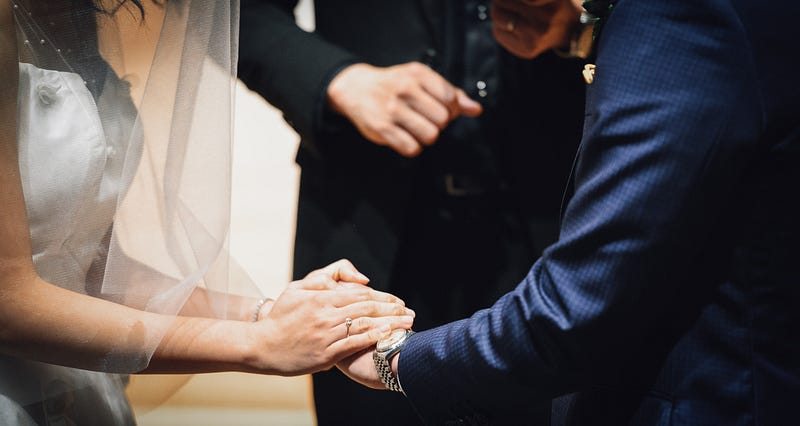
Photo by lucas law on Unsplash

As we grow, we begin to experience the brokenness of the world, learning to trust some people but not others, realizing everyone doesn’t have our best interests in mind. Life is learning when to be vulnerable and when to put up our shields.

We learn to hold back love and vulnerability to protect ourselves from harm. But the desire remains to make ourselves vulnerable, knowing we need to let down our guard to be loved and be open to happiness.

“We know that’s the path to happiness,’’ Thelen says. “We know that’s what we’re made for. On the other hand, we don’t want to be hurt. We don’t want to be vulnerable. Father, what does this have to do with Christmas? EVERYTHING! God understands you. He understands your desires not to be hurt and the places you have been hurt. Yet, he also understands the deep longing inside of you to be loved and to love and give yourself away.’’

At Christmas, “God is saying to us in His Son Jesus that He too is vulnerable…’’

“He comes to us, not as a king to rule over us but as a little child who is completely vulnerable to being hurt and rejected by us and why does he do that? Because He wants to come and heal us, to enter into that very place of brokenness so that He can make us whole. He wants to save us from that place in our heart that desires to hurt other people.’’

Photo by Julia Caesar on Unsplash

We tend to react to being hurt by hurting others, he explains. So God tries to heal us by reaching the places where we have been hurt.

“This is the humility of God, to come to us in that place as a little child,’’ Father Mathias says. “How comfortable you are with love is an indication of how comfortable you are with God.’’

Because God is love: God gives Himself to us.

He wants us to open ourselves to Him. As we come to know God, we begin to let down our guard, to trust and see who God actually is.

“We live in a culture of wounded people,’’ he says. “Sometimes, when people are wounded, they become cynical and say ‘You can’t trust God. God’s not there for you.’ Some people are even saying God’s not real… These people are very intelligent, saying ‘Don’t trust God, you can make it on your own.’ … It doesn’t change the fact that they’re wounded… that they’ve put walls around their heart because they refuse to be vulnerable…’’

When we refuse to be vulnerable, we can’t know the God who is vulnerable…

We can’t know love unless we allow ourselves to be loved. Focusing primarily on ourselves means we are putting ourselves first and others second. Yet every Christmas, we see images of a vulnerable infant laying in the manger.

Every nativity scene has a baby that is incredibly vulnerable to harm.
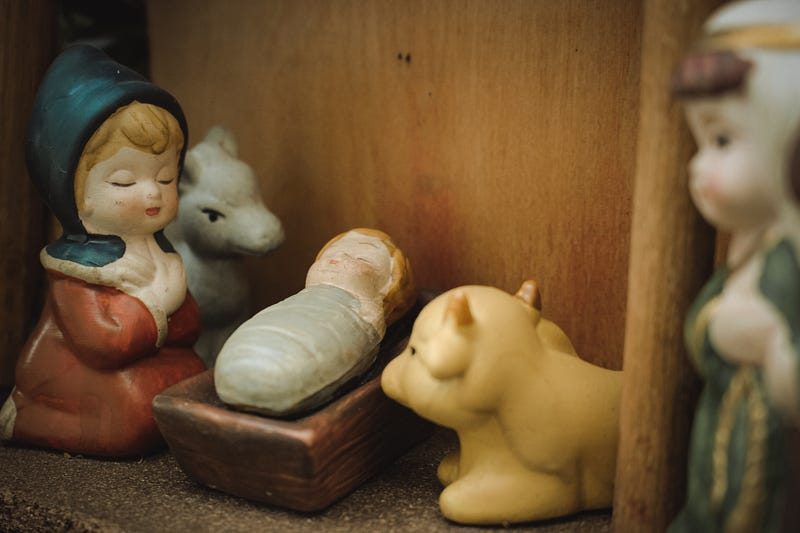
Photo by Jametlene Reskp on Unsplash

When two dogs meet, they may snarl and attack but inevitably, one surrenders, laying down, completely vulnerable to the other, surrendering.

When we pray, we similarly fall on our knees, making ourselves totally open and vulnerable.

In all true love relationships, we surrender to a higher love, a higher authority, falling down, making ourselves vulnerable to the will of the other.

“God did not send His son as a little baby to shake our hand, He came to embrace us in our pain and give us life where we had death,’’ Thelen says.

“Every Christmas, God is reminding us that precisely in love and in being loved, you will find the truest joy… The only weapon that was ever in his hand is the nails we placed there… But He came to love us even then. Each of us have a choice: How do we respond to that love?’’

Religion
Writing
Vulnerability
Christianity
Spirituality
Recommended from ReadMedium