
VR Machine Learning stories
meet MLearning.ai TOP Writers
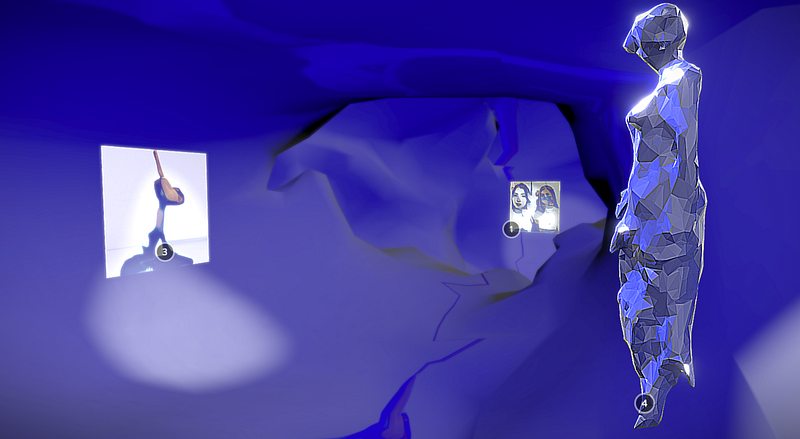
3rd gallery with the best MLearning.ai stories. vRoomL! is a space in which digital art is displayed (e.g Panna — DATAsculpture) , in our gallery we display also — MLstories in the form of images created with the help of machine learning. All the VRspace was generated by the MLearning.ai model.
A unique opportunity to meet MLearning.ai TOP Writers:
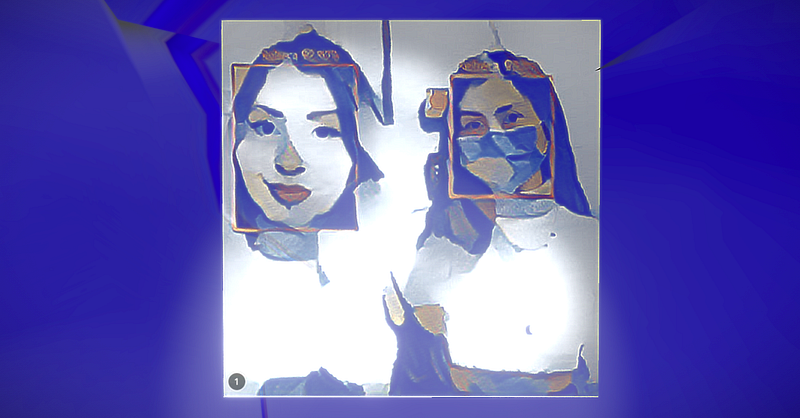
Build your own facial recognition system: To work even with a face mask!
In this project, now article, I create a facial recognition system from scratch with a Convolutional Neural Network(CNN) structure using Keras, to recognize me and my sister. Rebeca Sarai G. G.
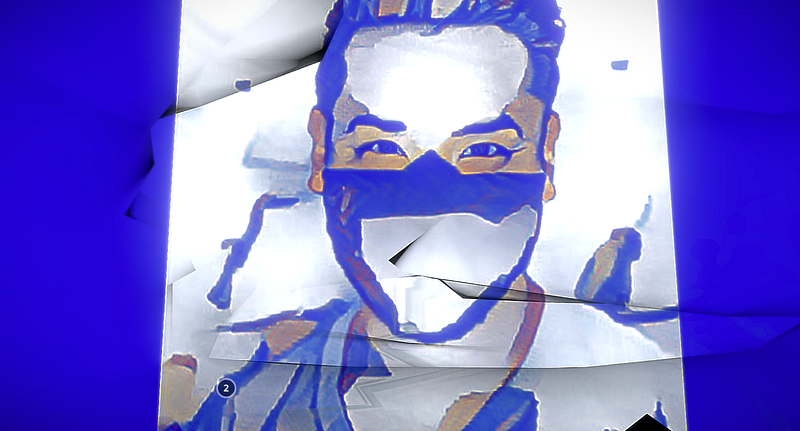
Facial mask overlay with OpenCV-dlib // Superimpose facemasks using OpenCV-dlib library
Face masks have been shown to be one of the best defense against the spread of COVID-19. However, this has also led to the failure of facial recognition algorithms which are built around facial features including nose, mouth and jawline. Before the global pandemic, facial recognition systems verify faces in two images by performing comparison measurements between different facial features detected. The wearing of a mask over a person’s nose, mouth and cheeks, has greatly reduced the information normally used to figure out his/her identity.Wong Chow Mein
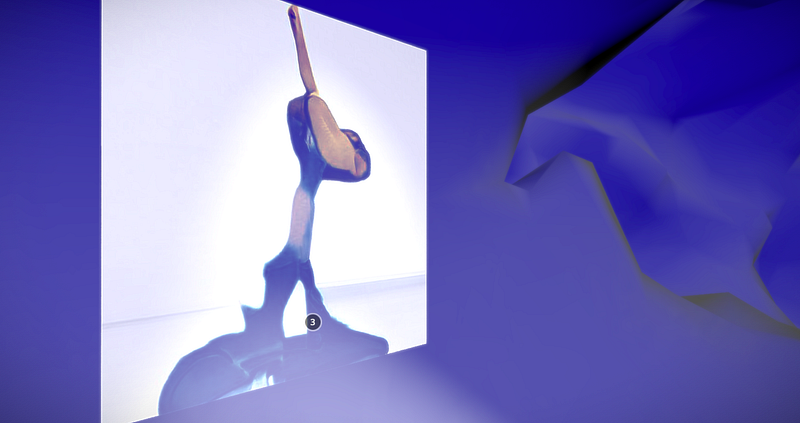
A Crash Course on VAEs, VQ-VAEs, and VAE-GANs
Over the past half-year, I have been experimenting with different generative models in deep learning, or more specifically, different types of VAEs. In short, the Variational AutoEncoder is a generative model capable of reproducing images, and along with that, spitting out the latent vector of the images which can be used to train other neural networks or latent space manipulation. With the vanilla or plain VAE, I have tried producing high-quality images from ImageNet, only to realize that it is just simply not capable of producing these types of images in that latent space (mostly because every output looked like a potato).Satyajit Kumar
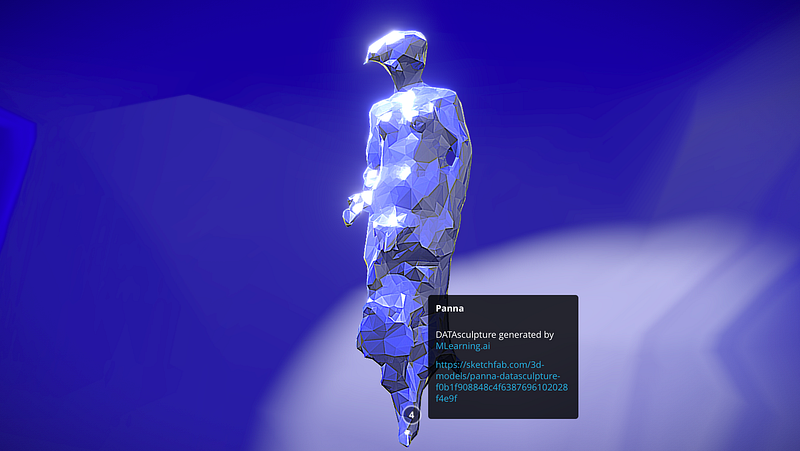
The last stop of the vRooML! is the DATAsculpture generated by the machine learning model, you can read about the entire datasculpting process here.
Please visit the vRooML! viewer below. It enables to move freely around using mouse, touch manipulation, VR or AR. You are able to play and control 3D view. VR mode is enable the to see the model in Virtual Reality headsets or to insert the model within the real world via a mobile device (the AR mode).
thank you for reading, you may also enjoy some other articles:
all images in the story was generated by MLearning.ai
- Check out my instagram with new material every week
- If you enjoyed this, follow me on Medium for more
- Want to collaborate? Let’s connect on LinkedIn
- Generated by ML model opensea.oi collection
- Datasculpture 3D model on sketchfab


