
THE DARK SIDE OF ANIMAL RESCUE
Volunteer or Volun-told? Why Do Animal Rescue Groups Attract Such Weird Volunteers?
Bossy, paranoid, gossip-mongers. These hard-to-get-along-with pet people turn into “pest people” and often scare away potential adopters and donors
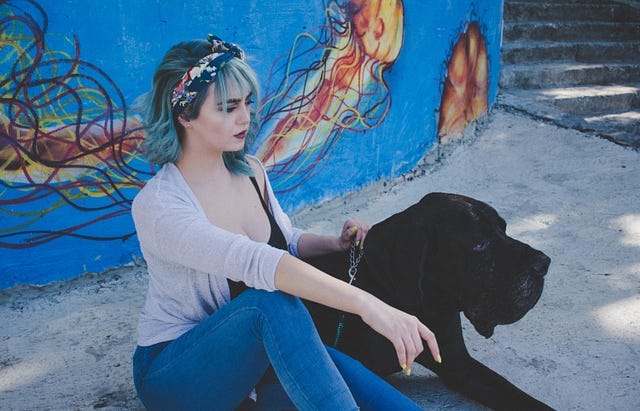
They come across initially as an answer to a shelter director’s or rescue group manager’s prayer. Most of them are tragically understaffed, over crowded and underfunded.
Humaniacs
“Humaniacs,” as they’re often called, give great first impressions. She’s upbeat, experienced, and ready to roll up her sleeves and get to work. It doesn’t matter the work— dog walking, litter box duty, answering phones or stuffing envelopes. She’s all in and she’s all over it.
Yes, I say she because we’re usually talking about women.
In the many years I’ve helped with rescue work — serving on boards of animal welfare organizations, pitching in at various events, and working adoption days for shelters— I’ve never encountered even one man I’d describe as a humaniac.
Noun: Humaniac (plural humaniacs) A derogatory slang term for a person with overzealous views in support of animal welfare
One thing is clear, though — and is backed up research. In the arena of animal rights and activism, women significantly outnumber men in every study I’ve read.
Additionally, according to a 2021 study by the American Veterinary Association, woman now outnumber men in the veterinary field 55% to 45%.
As such, it’s not hard to imagine more women than men volunteer their services to rescue groups, humane societies and animals shelters.
What’s perplexing is the type of volunteer that’s often drawn to work with animals.
In the past I’ve witnessed behavior by these people who I know, without a doubt, has driven away saner volunteers. In some cases it even put the brakes on adoptions of animals who desperately need forever homes.
Ironically, I’ve done volunteer work for other types of organizations such as historic preservation, arts, and music festivals, and none of these had the kind of problems with volunteers that animal related groups have.
All organizations that depend on volunteer assistance have occasional issues, but I’ve seen nothing that compares to those in the animal world.
I repeatedly witnessed the lack of cooperation among rival groups of women who you’d think would come together for the common purpose of saving animals and finding them homes.
Traits of animal rescuers
Being “labeled” as an animal rescuer seems to prevail in how they self-identify. It’s central to their life purpose.
An article in Psychology Today supports this notion.
“…she needs the rescuer role just as much, probably more, than the rescued needs her. . . In fact, the rescuer tends to feel as if her self-esteem has taken a big hit when there is a lag-time between rescues.”
There was continuous drama at every single animal organization I volunteered for. Over reaching interference between volunteers made working cooperatively almost impossible.
I became weary of being voluntold by bossy self-designated unpaid “leaders.”
For one rescue group, I volunteered to do something I knew I was good at — grant writing — only to be told I was assigned to walk dogs. I’d already mentioned dog walking was out for me due to a back injury and broken hip received while walking my own dog!
I love ’em, I just can’t walk them anymore.
Later I discovered a college freshman — an intern — would be writing their grants. This young lady had never written a grant in her life while I had certification from a grant writing institute in Washington, DC. plus years of experience writing them.
In another case I was asked to fold envelopes and stick on stamps for a mail out.
I didn’t mind doing menial stuff. Not at all. Things that need to be done, must be done. That wasn’t the point.
What I didn’t understand was why skills weren’t matched to tasks. I only had so many hours I could donate. If we were all working toward the same goal of helping animals then why couldn’t our work be done more efficiently?
Lack of staff supervision
What seemed to be lacking in the organizations I tried to volunteer for was any sign of staff coordination or supervision.
I observed on numerous occasions staff who were intimidated by the overly zealous humanics.
Because these women were so ardent in their passion for animals they repeatedly convinced others they knew better on almost any topic.
Often they asserted knowledge that extended to actual veterinary care.
I once witnessed a volunteer dress down a woman who’d come to pick up her dog after she was spayed at the non-profit clinic.
It was obvious the woman didn’t have a lot of money but the volunteer chastised her long and loudly about her dog’s nail length — which the clinic did actually trim.
“Your dog’s teeth have never been cleaned,” she shrilled.
I bet the dog owner’s teeth haven’t been cleaned in a while either, I thought.
The poor woman was almost in tears by the time she left, and the volunteer was just getting started on patrons in the clinic. Everyone who picked up a pet that afternoon got a load of unsolicited advice delivered in acid tones.
Meanwhile, this volunteer’s rival was checking in pets for their surgery and felt she needed an even more superior approach.
When it became clear the inmates were running the asylum I decided to call it quits for that day. The Jets vs the Sharks was getting old.
The rescuer personality
There’s plenty of literature on the “rescuer personality.” I’m thinking this is what distinguishes animal rescue volunteers from volunteers for organizations like the symphony, the scouts, or botanic gardens.
In an article by Keith Miller titled “Explanation of the Rescuer Personality Type and Disorder,” he mentions five traits rescuers generally have. (Not just animal rescuers, but rescuers in general.)
I’ve witnessed several of these traits in animal welfare volunteers and I know they cause a great deal of tension between volunteers working closely together. Micromanagement is a leading headache.
“You feel like everything must be micromanaged. Rescuers become focused on the decisions made by others. They develop a sense of morality that defines “right” and “wrong.” Then the rescuer attempts to stop every wrong decision, believing this method of micromanagement helps. . . What really happens is the rescuer is taking the focus off their own issues to address what they see in others — like taking the speck out of the eye of someone before taking the plank out of their own.”
Final takeaway
Animal and pet related organizations — especially those involved in rescue work — typically attract a disproportionate number of women volunteers.
These volunteers tend to display an inordinate number of traits associated with a rescuer “personality type” or syndrome.
In many cases these traits can predictably produce negative consequences in the operation of their organizations.
It’s also possible that under closer staff supervision these volunteers could work more harmoniously with other volunteers and with the organization’s clients.
If you like you can follow me at https://[email protected]


