
Vladivostok: Eastern Economic Forum
The false narrative of Putin’s speech
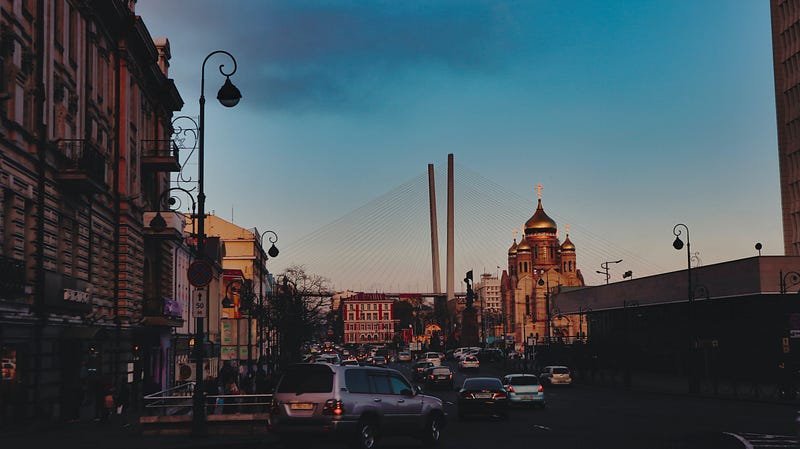
In Vladivostok, a Russian city located in the far east of the country, the seventh Eastern Economic Forum (EEF) opened on Monday, September 5. This is the initiative launched in 2015 by the Kremlin with the aim of encouraging the development of the Russian Far East and strengthening cooperation with the countries of the Asian-Pacific area. It is no coincidence, in fact, that the easternmost urban center of the country was chosen for the platform. It is one of the most important hubs for transport controlled by Moscow. It has the largest Russian port on the Pacific Ocean and the headquarters of the Pacific Fleet, not to mention that it represents the final destination of the Trans-Siberian. Furthermore, the city is located in a rather particular position, namely near the border with China and North Korea.
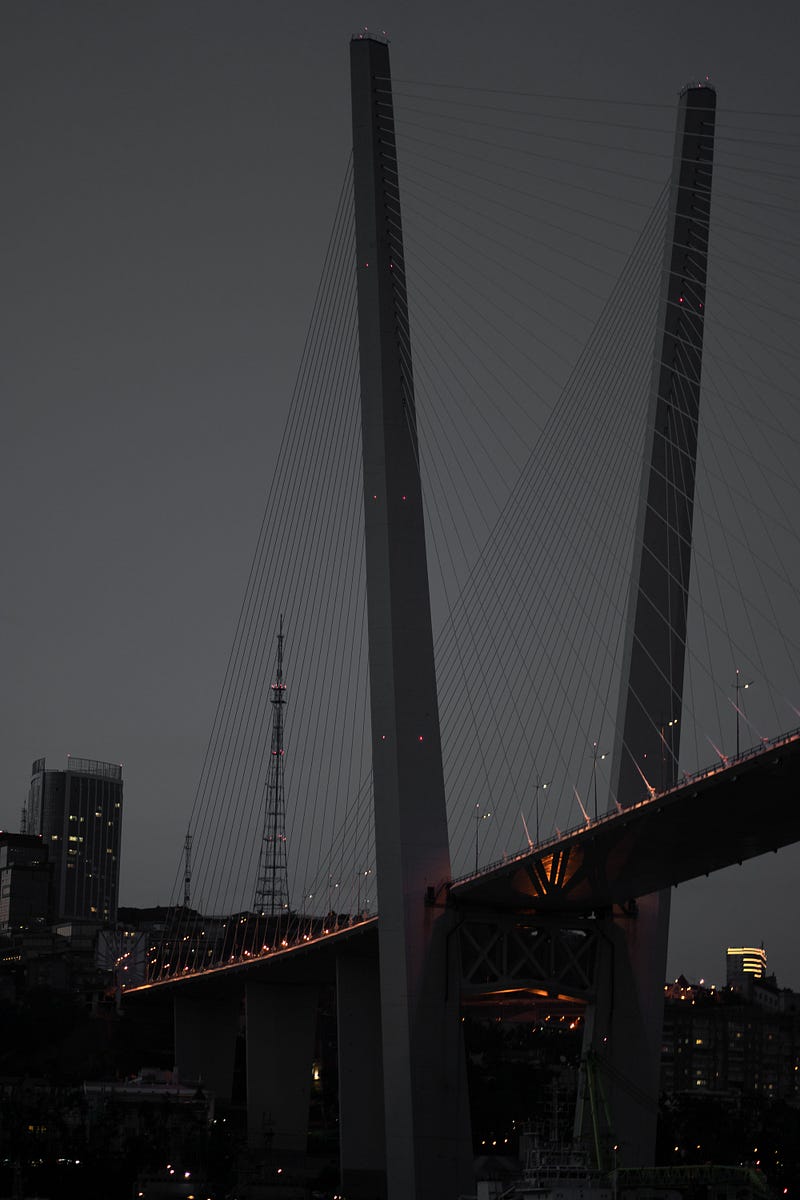
Is was therefore precisely at the the plenary session of the Forum that Vladimir Putin chose yesterday to launch the attack on what is called the “collective West”, stating that, in response to the sanctions, Russia “has lost nothing and will lose nothing. The main result is a strengthening of the country’s sovereignty from within”. In front of representatives of friendly countries, the Russian president briefly described his vision on the current world situation, arguing that Moscow and its allies are prepared to best withstand economic difficulties. Indeed, they would be in a decisive recovery, while the West finds itself in a rather precarious situation, with an economic collapse at the gates and the devaluation of the dollar.
“I am speaking of the West’s sanctions fever, with its brazen, agressive attempt to impose models of behavior on other countries, to deprive them of their sovereignty and subordinate them to their will”, Putin stated, adding that “no matter how much someone would like to isolate Russia, it is impossible to do this”.
So, how did Putin actually describe his personal distorted view of the international geopolitical chessboard?
Grain shipments
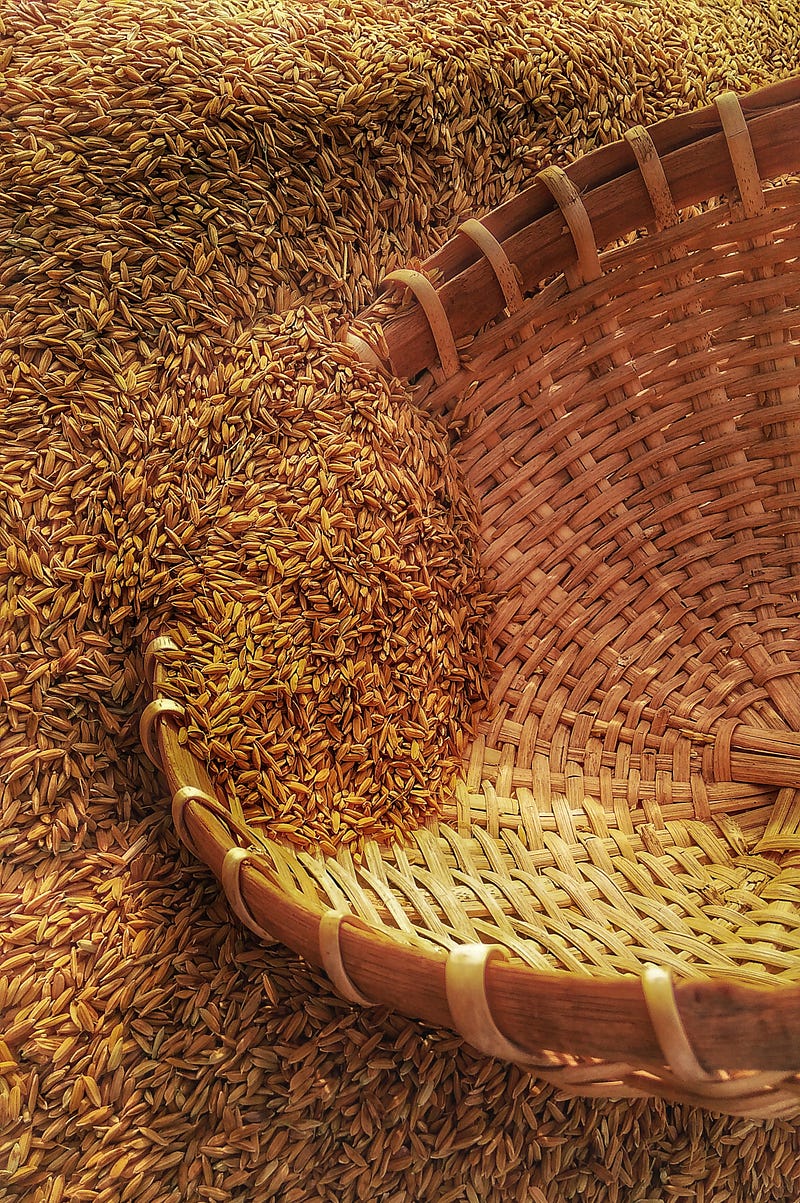
During his speech, Vladimir Putin stressed that, according to his world view, Russia was “grossly cheated” at the time of the conclusion of the grain shipment agreement. It was reached with Ukraine last July and was brokered by Turkey and the United Nations.
In fact, Moscow claims that only two out of 87 ships, that is only 3% of the cargoes exported from Ukrainian ports, went to the poorest countries. “What we observe is a deception, a rude and reckless attitude”, so began the Russian president. This is because “almost all the cereals exported from Ukraine were not sent to developing countries, but to the countries of the European Union”.
In response, therefore, Putin said he was considering the possibility of limiting destinations for grain exports, consulting on the terms of the agreement with Turkish President Recep Tayyip Erdogan for possible changes.
On the same day, however, Ukrainian presidential adviser Mykahilo Podolyak called the Kremlin’s proposal “unexpected” and “unfounded”. Podolyak replied that the agreements signed in Istanbul are intended to focus only on the transfer of merchant ships to the Black Sea. Consequently, “Russia cannot dictate where Ukraine should send its grain and vice versa.”
Price cap on gas and oil
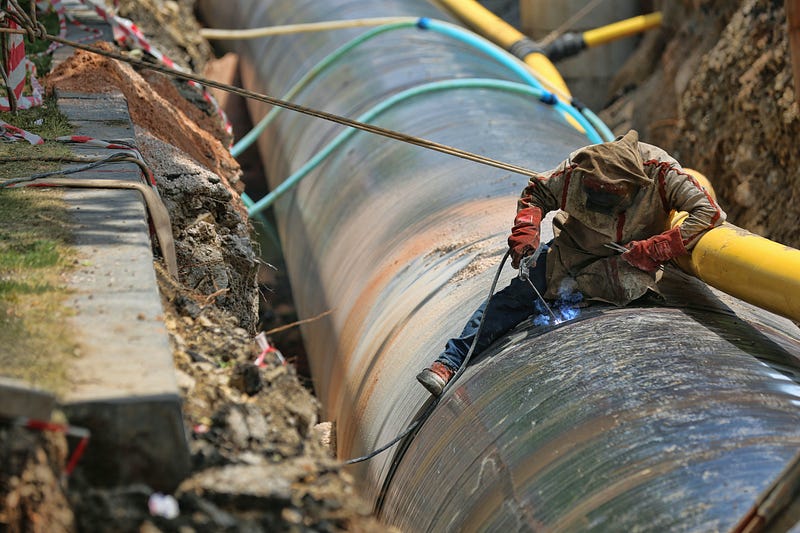
Russia is the world’s largest exporter of natural gas and the second largest oil exporter after Saudi Arabia. Obviously, if the G7 countries and the West were therefore to impose a ceiling on the price of hydrocarbons, a cut in the flow of gas to Europe would be highly contemplated by the Kremlin.
“Will there be political decisions that contradict the contracts? Yes, we simply will not fulfill them. We will not provide anything if it contradicts our interests, ”Putin ruled. The gas that will no longer be sent to European countries will be redirected to Asian buyers, first of all China.
However, even in this case, the words of the Russian president were actually quite empty. Firstly, the product only travels through gas pipelines, but the one already in operation between Moscow and Beijing is now saturated. Furthermore, the second line that should pass through Mongolia has yet to be planned and will therefore take years.
This is why, without fear, the president of the European Commission Ursula von der Leyen answered journalists, after a few hours, declaring that Europe will continue to “propose a ceiling on the price of Russian gas”. This happens because it is now more necessary than ever to “cut the revenue that Putin uses to finance this terrible war in Ukraine”
New geopolitical order
In his long speech, Vladimir Putin welcomed the “growing role” of the Asia-Pacific region in world affairs, which, according to Moscow’s strategy, should counteract an increasingly declining West infested with rising inflation.
Seeking new markets and suppliers to replace those lost due to sanctions, the Russian president announced that China plans to buy gas from the state-owned energy company Gazprom in a 50–50 split between Russian rubles and Chinese yuan. Likewise, via video message, Indian Prime Minister Narendra Modi would also have welcomed closer cooperation with the Kremlin in the energy sector.
“Western countries are striving to maintain a former world order that is only beneficial to them, to force everyone to live by the infamous rules that they themselves have invented and regularly violate, rules that constantly change for themselves according to current circumstances”, Putin said. Alongside him were the premier of Mongolia and Armenia, Luvsannamsrai Oyun-Erdene and Nikol Pashinjan, the leader of the Burmese junta Min Aung Hlaing, but above all Li Zhanshu. The latter is the head of the Standing Committee of the National People’s Assembly and number three in the Chinese hierarchy.
How Russian industry is really reacting
Putin finally admitted that serious difficulties could arise in some economic sectors, as well as in certain parts of the country. Despite this, however, according to the Russian president, the nation “is strengthening from the inside”.
However, earlier this week, Bloomberg released a secret government document showing that the decline in GDP would be more severe than certain public data. This is because some indicators have been specially classified. Having an economy based on raw materials, the most advanced sectors of the country are entering a serious crisis: in some areas the decline is -58%, such as the automotive one. The sanctions block the importation of numerous components for the industry, especially high-tech ones. Thus, Russia may not review economic growth before 2030.
Sources I was inspired by for this article:
- Putin, stop gas e petrolio se impongono il price cap, published by Il sole 24 ore
- Il discorso di Putin contro l’Italia (strangolata) e l’Europa, e il documento segreto del Cremlino sulla «decrescita grave», published by Il Corriere della Sera
- Russia, Putin a Vladivostok: “In Ucraina non abbiamo perso, abbiamo guadagnato sovranità”, published by La Repubblica
- Russia: Vladimir Putin slams sanctions in pitch for new global order, published by Deutsche Welle
I am an Italian student who tries every day to improve her English. I really like writing and studying in this language, also to be able to reach more people. However, I still often run into mistakes. So, if while reading my article you have found some, do not hesitate to contact me, either through a comment or a private note!


