
Yellowstone National Park, Wildlife, Landscapes, and Photography
Visual Highlights of Yellowstone National Park
If you could visit one national park in the United States, which one would it be?
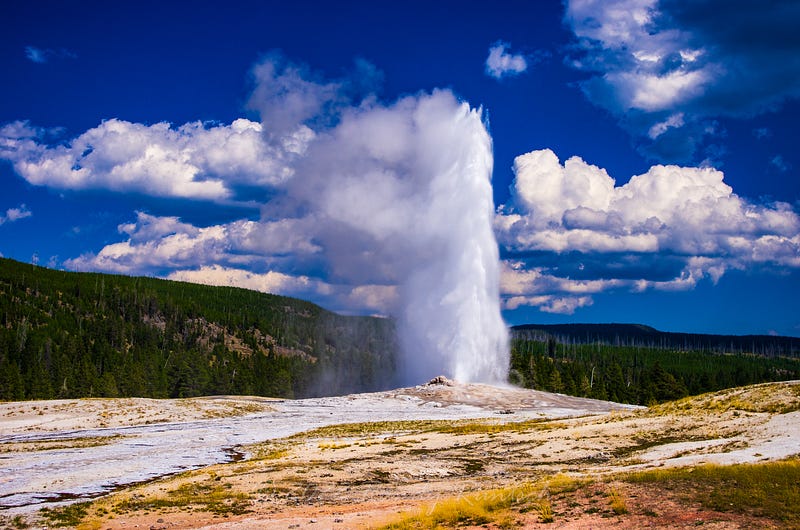
The US National Park Service (NPS) manages and protects 423 units covering more than 85 million acres in all 50 states, the District of Columbia, and US territories. These units are divided into 19 naming designations, such as national monuments (84 units), national parks (63 units), and national historic sites (73 units).
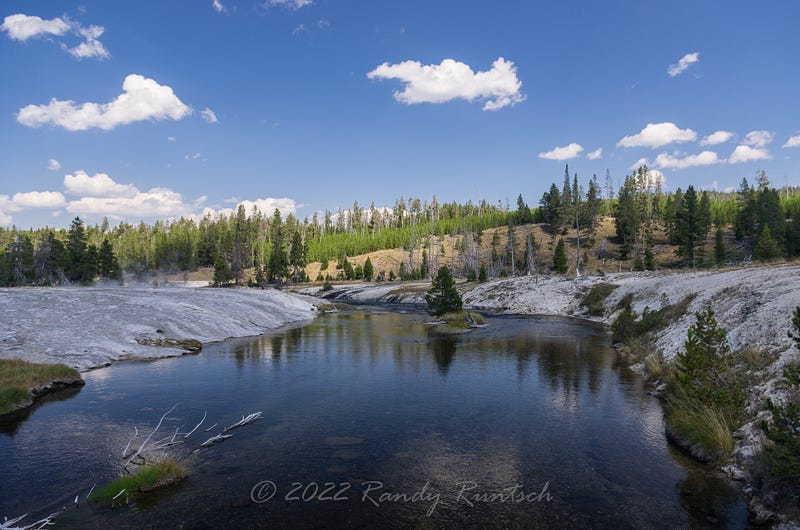
Since childhood, I have been fortunate to visit dozens of NPS sites throughout the lower 48 states. Included are places as diverse as Independence National Historical Park and Gettysburg National Military Park in Pennsylvania, Everglades National Park in Florida, Mount Rainier National Park in Washington, Yosemite National Park in California, and Grand Canyon National Park in Arizona. But knowing what I know now if I could visit only one US National Park Service Unit, it would be Yellowstone National Park.
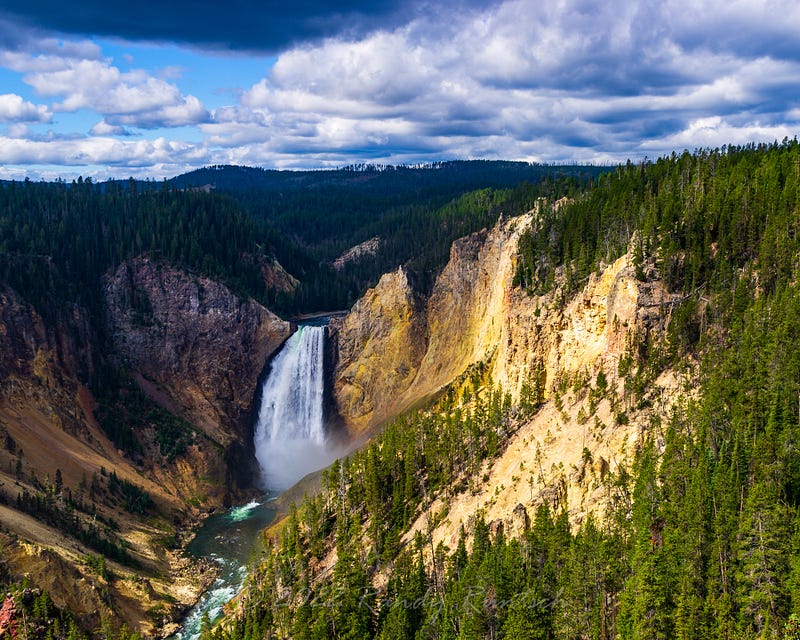
You might ask why I would choose Yellowstone if I could visit only one park. I will do my best to answer. The park’s scenery is good, but it doesn’t feature the most majestic mountains or the deepest canyons. The thousands of thermal features, including geysers, mud pots, and pools fascinate visitors. But the diverse and numerous animals pull me back to Yellowstone over and over again.
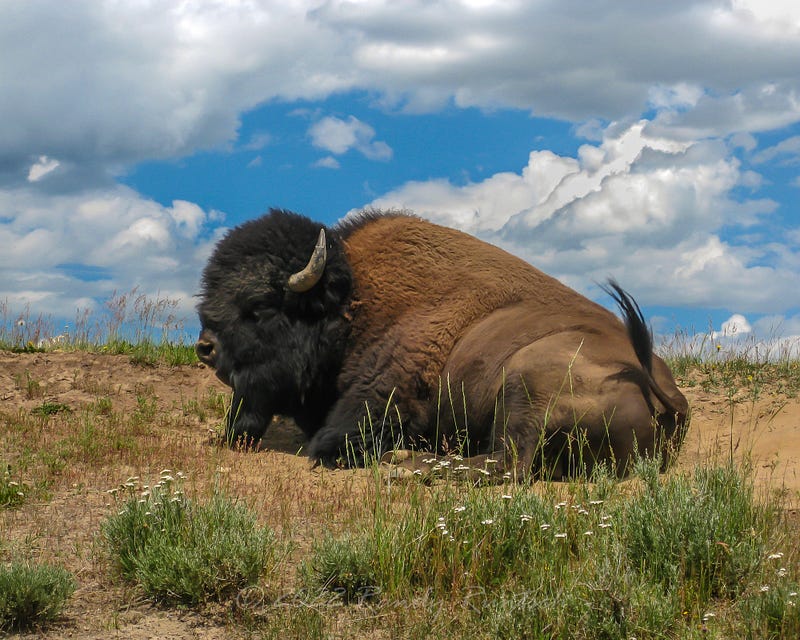
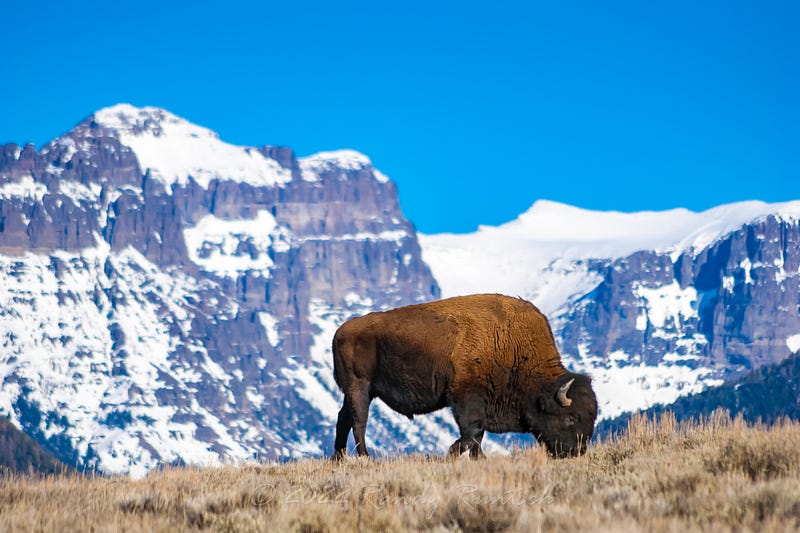
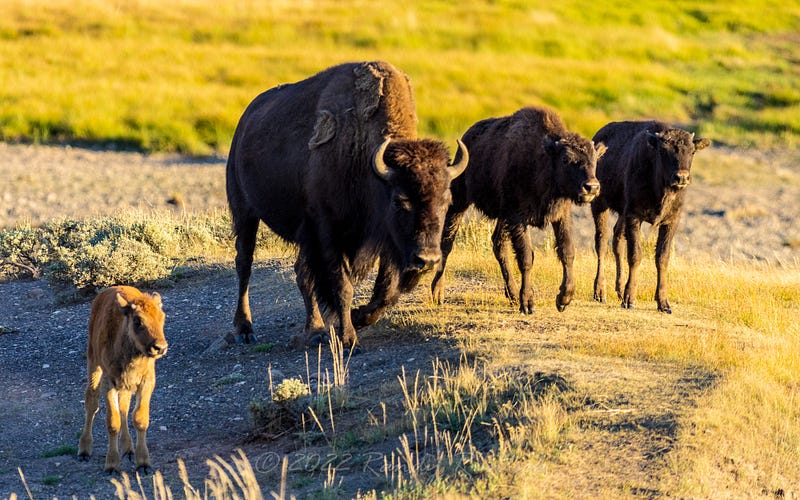
Take the American bison (Bison bison) for instance. Some 5,000 to 6,000 of these beasts roam the valleys and prairies of Yellowstone National Park. On the brink of extension from overhunting in 1900, because of regulations and protections, the species thrives again.
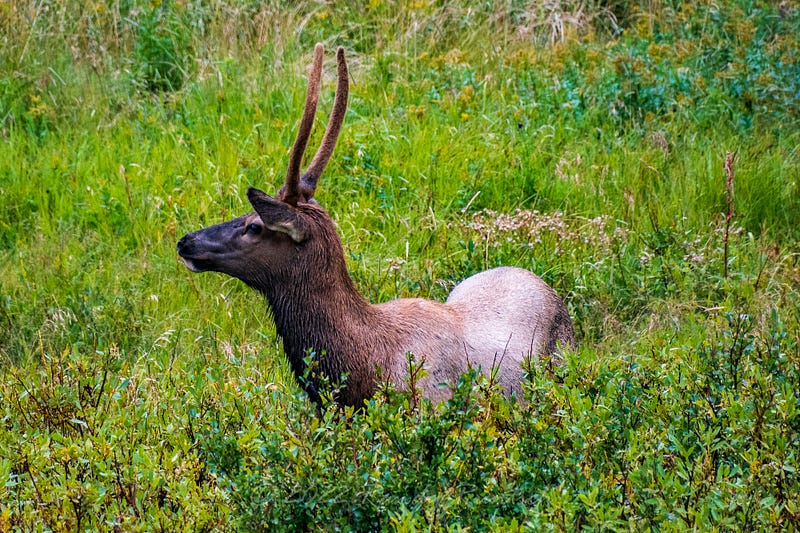
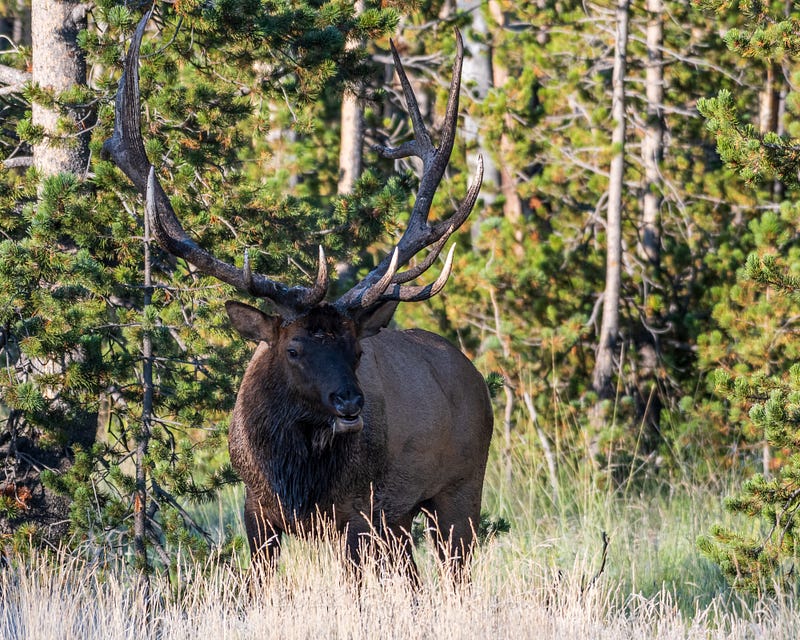
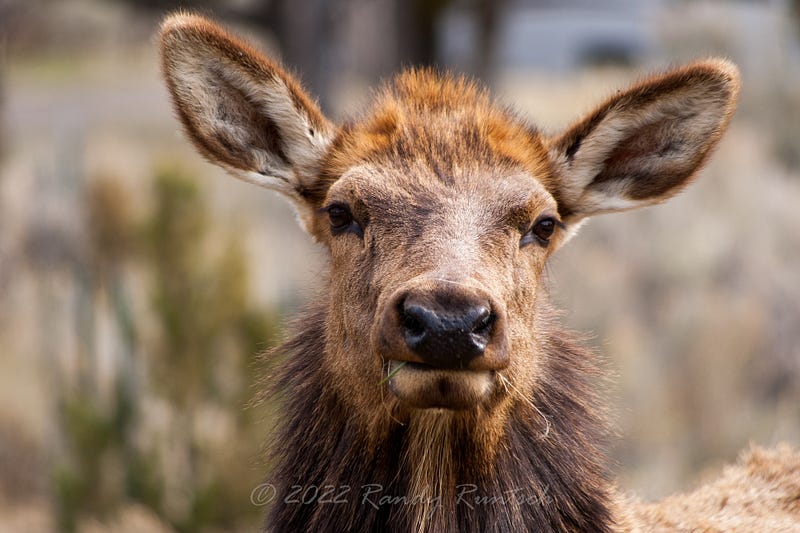
Elk (Cervus canadensis) can be seen munching on vegetation in or at the edge of the forest in campgrounds and along roadways. Each year, bulls grow new sets of antlers that weigh up to 40 pounds (18 kg). The antlers start to grow in spring and can grow as much as one inch (2.5 cm) per day. Bulls shed them each winter.
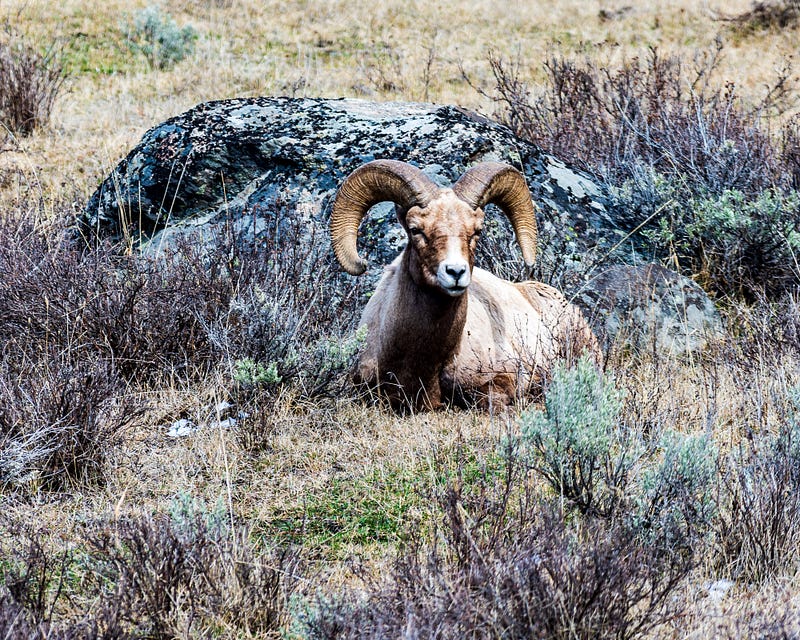
Bighorn sheep (Ovis canadensis ) are large sheep native to North America. Rams weigh up to 315 pounds (143 kg) and feature horns that may weigh 30 pounds (14 kg).
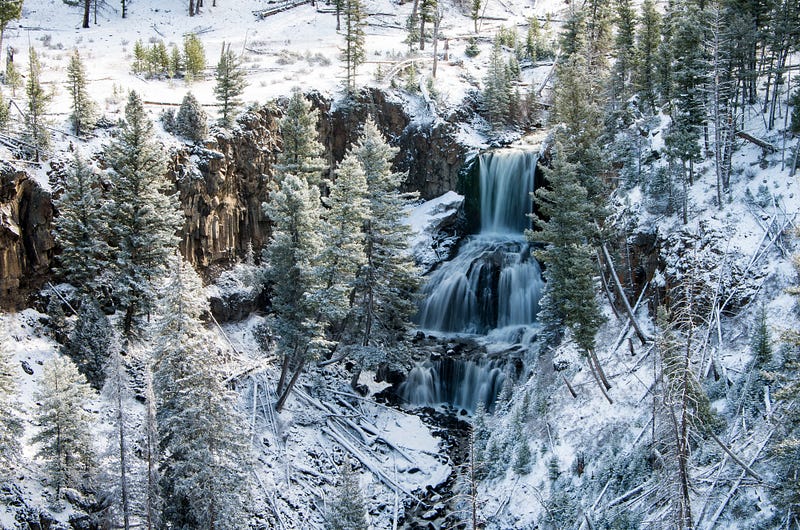
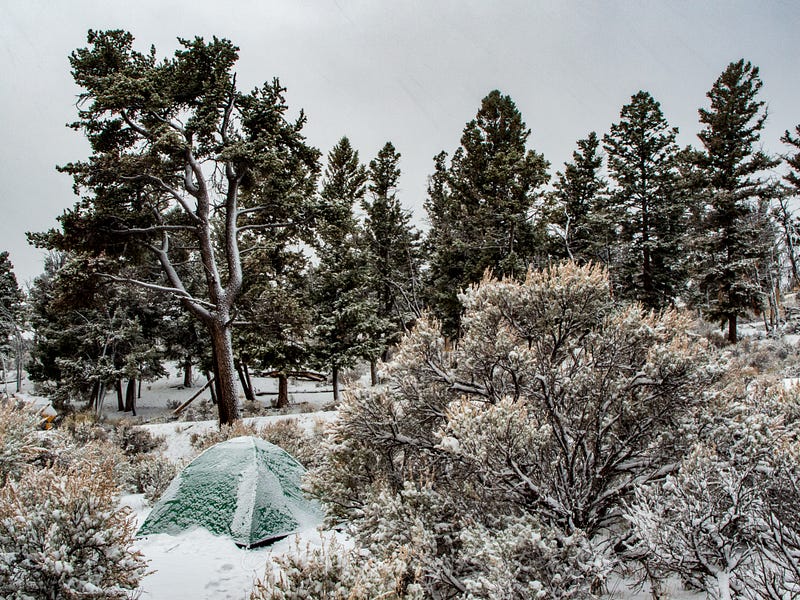
In addition to the animals shown here, I have seen grizzly bears, black bears, mule deer, and plenty of rodents, such as squirrels and rabbits. While not native to the area, mountain goats inhabit the northern reaches of the park. While I have never seen one, wild cats, including cougars (also called pumas or mountain lions) and bobcats, are native to the area.
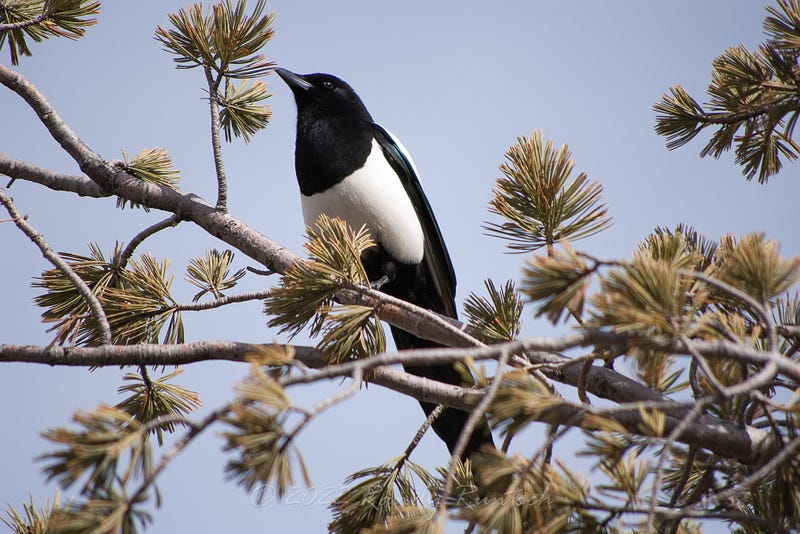
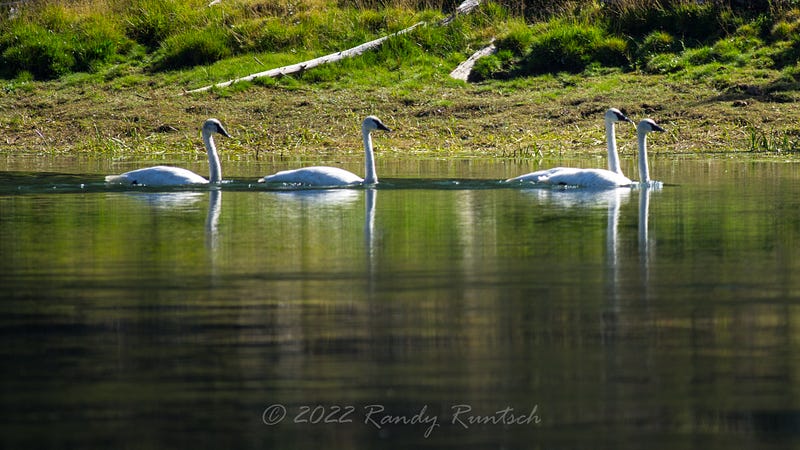
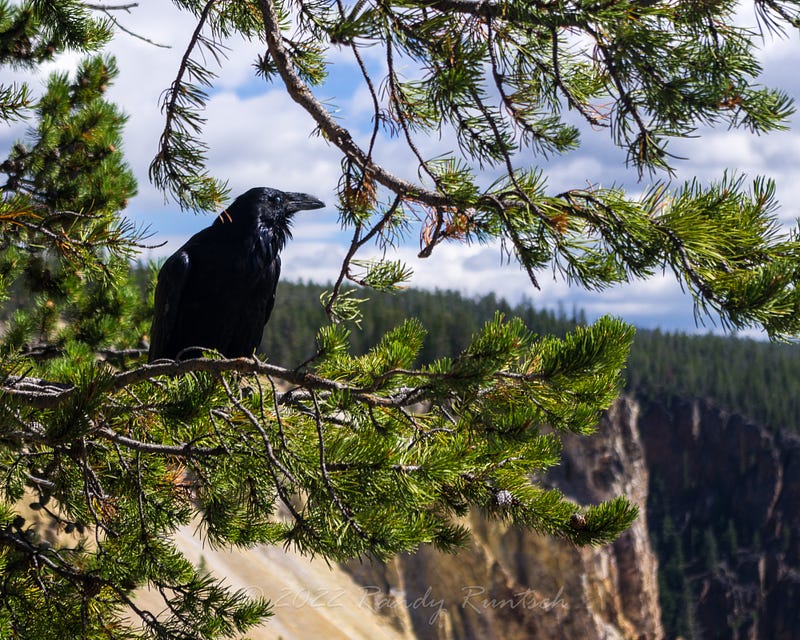
Birds are also common throughout Yellowstone, of course. Among the most conspicuous species are Black-billed Magpies, Trumpeter Swans, Ravens, Bald Eagles, Golden Eagles, and various types of hawks.
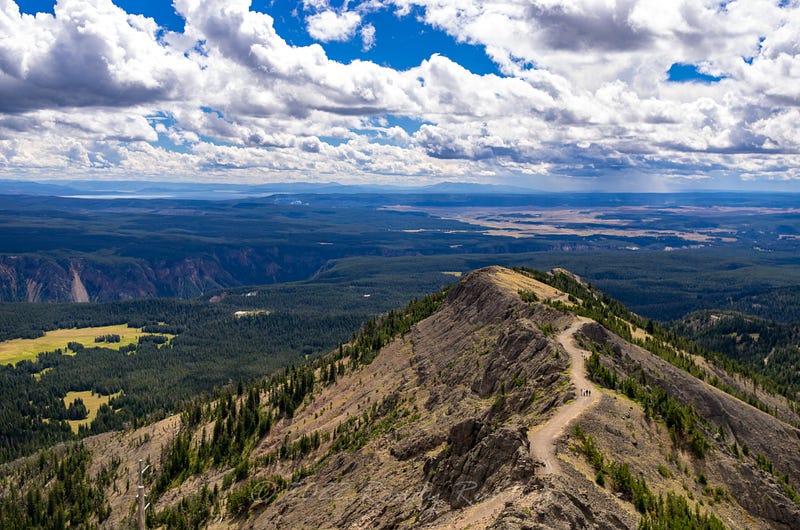
I estimate that I have visited Yellowstone National Park eight times. But since the animals there are dynamic, I hope to return soon.
How about you? If you could visit only one national park in your country, or in the United States, which one would it be? Also, what are some national parks you would recommend to others?
Thanks to the team of editors at Globetrotters for making the publication a great place to write and read about travel. This includes JoAnn Ryan, Adrienne Beaumont, The Sturg, Anne Bonfert, and Jillian Amatt - Artistic Voyages.


