Visiting the Galapagos: to cruise or not to cruise?
Options for visiting the world’s most otherworldly archipelago
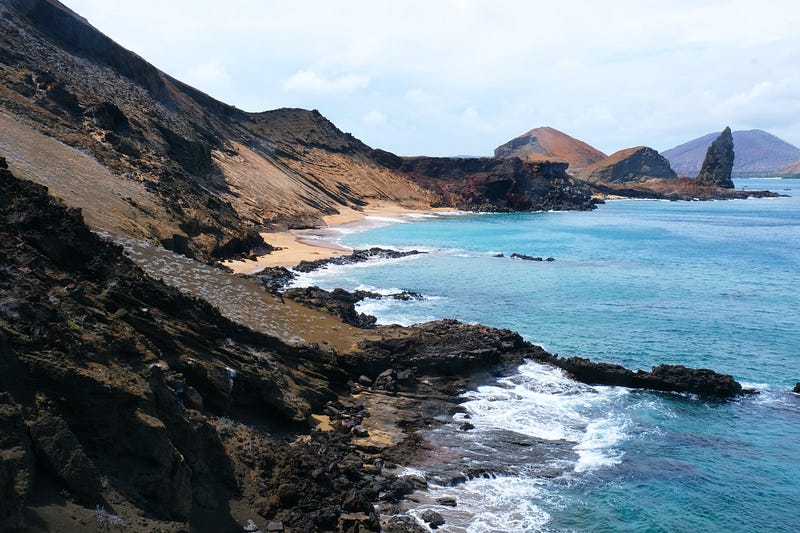
Around three weeks into my volunteering trip to the Galapagos, I realised that it is time-consuming and often impossible to get around the Galapagos archipelago efficiently without a big boat.
What were you thinking? I hear you say. Well, I’ll tell you what I was thinking. I was thinking that I could get around on a little boat. That the various islands of the Galapagos would be both close to each other and interconnected by sailboats waiting to happily ferry passengers back and forth like a nautical taxi service.
My subtle foreshadowing may tell you that this is not the case. Transport between the main islands (and only the main ones) happens one to two times a day, and each trip is a few bumpy hours at best. Seasickness is very common. Some of the islands are real far from each other, and completely uninhabited. So how do you get around?
There are four main ways to get around the Galapagos. And fear not, each way is rewarding and spectacular — it just helps to be prepared.
Getting around the Galapagos
You have a few options for getting around the Galapagos:
- Cruises
- Liveaboards
- DYI Island hopping
- Flying
I’ll share the pros and cons of each below.
Cruises
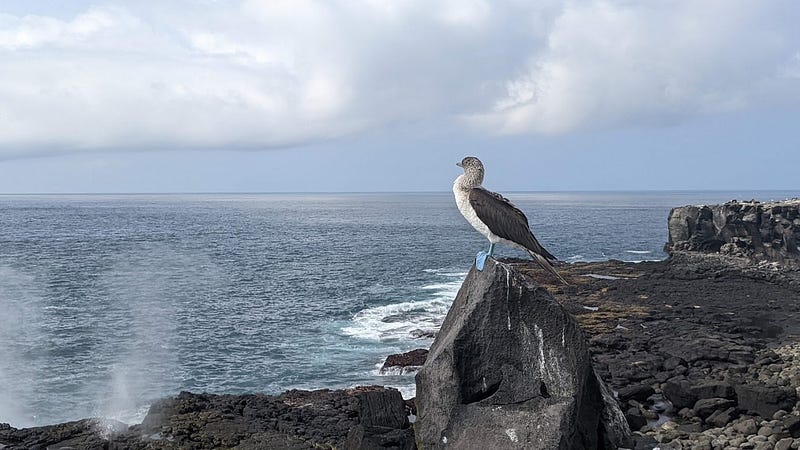
Galapagos cruises are probably the most popular way of getting around. The 80 or so boats that are allowed to cruise around Galapagos are quite small, with the majority hosting under 20 guests. There are a few bigger ones around, but the maximum guest capacity is 100.
Now here’s the big pro with Galapagos boat-based travel: you can see a lot within a little timeframe. The archipelago, made of 13 islands is big.
So big that even if you do a week-long, activity-packed adventure cruise, seeing multiple spots every day, you will probably only see half of the islands, and that’s if you’re lucky. Trying to achieve that by island hopping will take far longer, and the cost of staying on the Galapagos while doing tours and getting around will creep up.
Many of the most impressive parts of the Galapagos are also simply unreachable without serious boat trips. DYI trips allow for day trips to some spots, but some places will not be reachable in a day. This rings particularly true for some of the north western islands and points.
Cruises can also be particularly beneficial for travellers coming from afar, who can be picked up from Baltra airport, go straight to the cruise, and then be dropped off at the airport at the end.
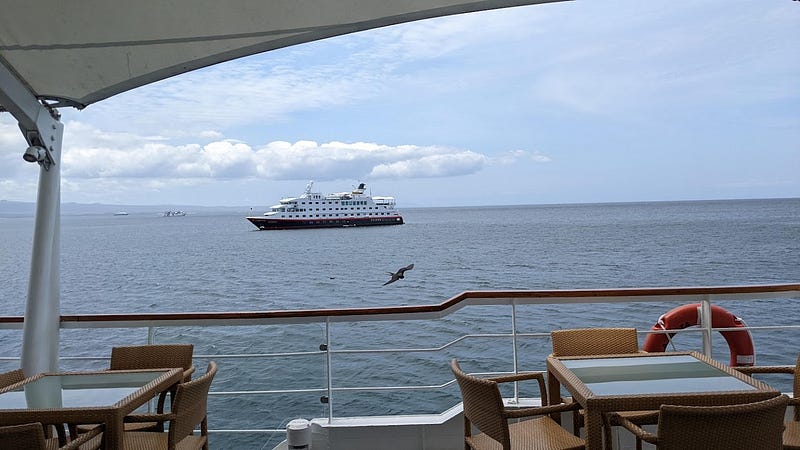
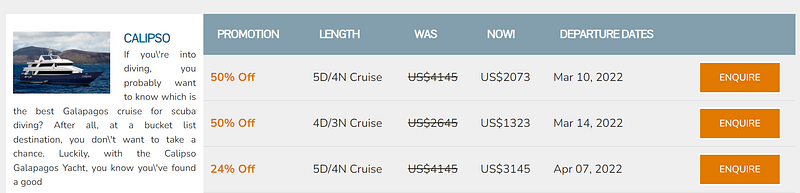
Still, Galapagos cruises are notoriously expensive, easily costing a good $4–5,000 per person for a few days at sea (give or take based on the boat). I should mention that right now there are big discounts available, and shopping months in advance and/or super last-minute can yield some pretty great discounts. A few sites that I found useful in searching last-minute deals include Choko Tours and GalapagosIsland.
On the other hand, aside from the cost, cruises have rigid activity schedules that more free-spirited travellers may not like. Seasickness is common and a very real thing, especially on smaller boats. And if you don’t like your boatmates… well, you’re pretty stuck.
If you choose a cruise, I would really recommend that you do a bit of due diligence and read what people have said about the specific boat you’d be taking — both the positives and the negatives. The right cruise is an amazing experience, but being miserable at sea with no escape (having paid an arm and a leg for it) is just not worth it.
Liveaboards
If you’re heading to Galapagos for diving, have plenty of diving experience, don’t mind being out at sea and can afford it, a liveaboard is a great option. Galapagos liveaboards usually require 50+ dives under your weight belt (ha ha) to handle some of the rougher currents. Personally, I would not do a Galapagos liveaboard until I had much more than that.
Some islands (notably Wolf and Darwin) are extremely remote and only accessible by liveaboard. They are uninhabited and there is nowhere to dock, although the dives more than make up for the lack of land for a few days. These areas are shark heaven, and you can expect to see hammerheads, Galapagos sharks, white and black tips, dusky and silky sharks, to name a few, and all in incredible qualities.
Again, liveaboards are not cheap, and will likely set you back a good $6000, (give or take based on the quality of the boat). Deals can be available (Santa Cruz dive outfit Academy Bay Diving lists some on offer at the time of writing), but make sure you factor in costs like tanks and equipment (which are not always included), and tips.
Consider that liveaboards include a good 4–5 dives per day, so you should also be in good physical shape and ready to tackle the dives or a good chunk of them to make the best of your trip. The currents can make some of these dives difficult, and water can be cold. They also may not include some of the incredible hiking in Galapagos, like Punta Suarez or Punta Pitt.
For those who love diving but do not want to go on a liveaboard, Santa Cruz offers the best selection of same-day diving spots, including Seymour North and Gordon Rock (for more advanced divers), which both offer a nice selection of sharks and wildlife. Make sure you do your research when comparing dive shops. Saving a few bucks should not come at the expense of safety; there have been some pretty sad accidents in the past.
DIY Island Hopping
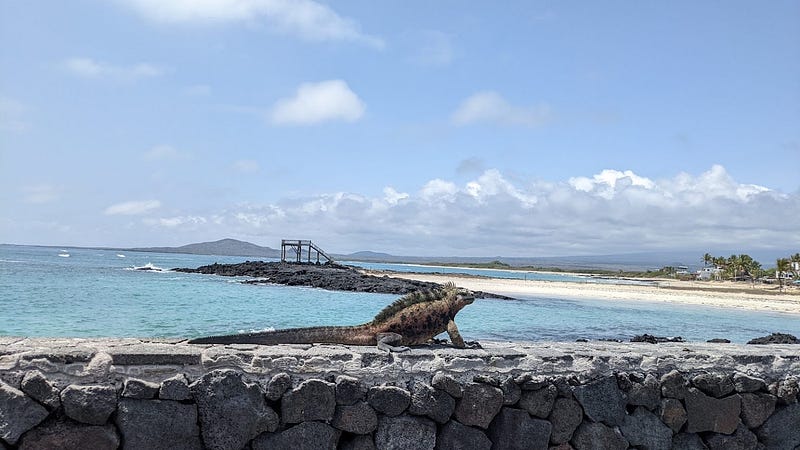
Galapagos DIY trips are certainly possible and are less expensive than cruises. They offer more freedom and rest time between excursions, plus there is the opportunity to really soak up the atmosphere of the towns where people live. On the other hand, day trips to more remote locations are expensive and can easily add up. A bit of preparation will go a long way.
To visit a good variety of Galapagos spots, you would have to visit and stay on each of the three main inhabited Galapagos hubs:
- Santa Cruz: the most populated and touristy island. Santa Cruz is the Galapagos’ main transport and tourist hub, with Baltra airport at the north and the best boat connections to Isabela, Floreana (sometimes) and San Cristobal, among others. Santa Cruz also has the widest selection of diving spots that can be reached by day trip. At the time of writing, one dive trip with two dives costs between $160–215.
- Popular day trips and/or activities include Bartolome (greatly recommended, $180–300), Santa Fe island, Plaza Sur, Charles Darwin Research Station (free with the option of a $10 walk to see the embalmed Lonesome George, and if you bring your passport to the research station at the end, you can get a stamp) and Tortuga Bay, to name a few. I was advised against going to see the Grietas ($10, which is considered a ripoff).
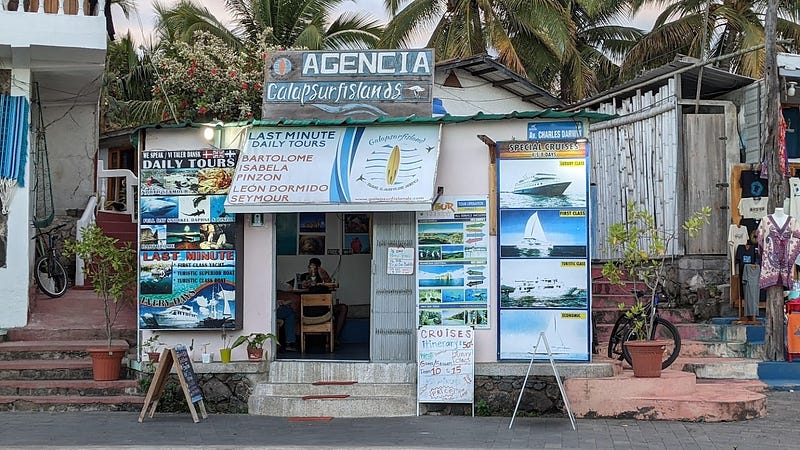
- Isabela: the most Western island and largest in terms of size. An estimated 3,000 people are said to live on the laid-back, idyllic island. Boasting fine, white sand beaches and incredible hiking, day trips are available to places like Tuneles ($85–120), Sierra Negra volcano, the sulphur mines ($75–90 & highly recommended) and Isla Tortuga (around $100). Unfortunately, it is impossible to get to the top of the island to places like Wolf Volcano (at the north part of Isabela) without a cruise or liveaboard. Isabela is a 2.5–3 hour boat ride from Santa Cruz. Locals advise popping a seasickness pill before boarding.
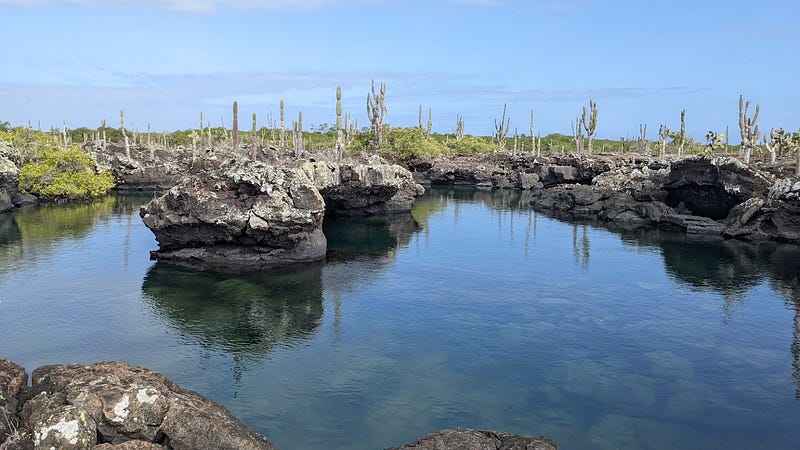
- San Cristobal: the most Eastern island in the Galapagos, and also the oldest. San Cristobal has around 6,000 people and an impressive host of sights on offer, from the panoramic Kicker Rock, unbelievable Cerro Brujo, turtle breeding centre Galapaguera de Cerro Colorado, and many more. San Cristobal is a 2–2.5 hour ferry ride from Santa Cruz.
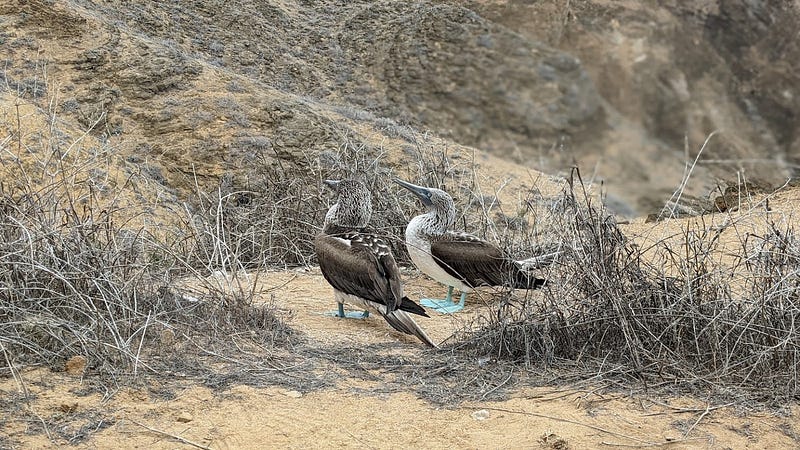
To get a comprehensive understanding of the Galapagos, I’d recommend staying at least a few days on each. How long you stay of course depends on budget and what you’re interested in (hiking, snorkelling, diving, birdwatching, etc).
Accommodation is not as extortionate as one might think — budget hostels or hotel rooms start around $20–30 and go up from there.
The tours are what make the costs really add up. Consider that you’d spend between $75 and $300 on a day trip. If you do that every day, adding food, lodging and transport, that adds up quickly. But there are free or cheap things to do on each island, which can be easily discovered with a little research.
On Isabela, for example, that’s snorkelling haven Concha Perla, the white sand beach, and the Wall of Tears (and dozens of beautiful coves, beaches and viewpoints on the way). On Santa Cruz, a restaurant called Mi Tierra offers friendly, hearty meals for $5.
Flying
Finally, there is flying. I can’t offer much on this as I didn’t do it, but if short on time and island hopping, this option may help you gain an extra day or two. Emetebe flies from each of the three main islands in less than an hour per trip.
Of course, flying is more expensive than other options, coming in at over $100 online. I am told going in to the airline office can get you a better deal, and there is one in each Santa Cruz, Isabela and San Cristobal.
When comparing, make sure you factor in ferry times and cost. For example, if you’re going from Isabela to Cristobal, you will need to first take a 2.5 hour ferry to Santa Cruz ($25–30), and then wait for the next ferry to San Cristobal. There are usually two ferries a day to each destination — one around 6 or 7am, and one in the afternoon. So a flight could essentially save you a day of travel.
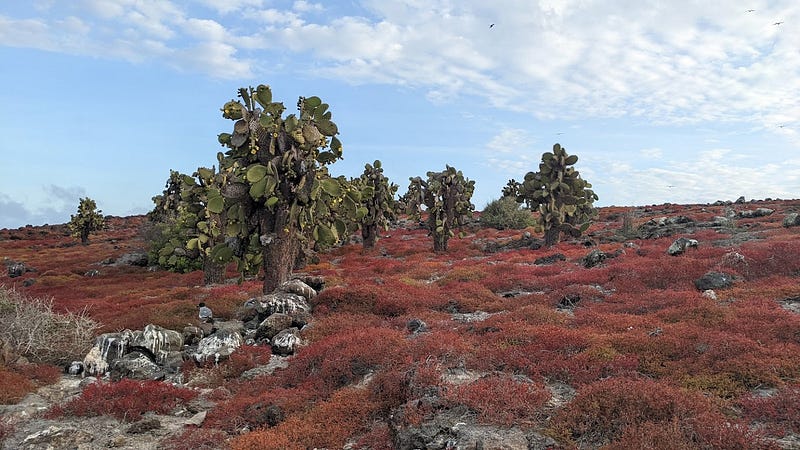
Conclusion:
The decision on how to travel around Galapagos is a personal one based on priorities, interest and budget. And I really believe that regardless of how you do it, you will see incredible sights and wildlife. My only recommendation would be to learn from my mistakes and read up before going (which I did not).
I spent a month in Isabela in Puerto Villamil, volunteering for a non-profit, and had a wonderful time. If I’d had more time to travel after the program, I would have probably chosen to island hop for cost, but I had a special visa that was time restrictive, and I was desperate to see a lot in a short time. So I splurged on a cruise, and it was honestly one of the best things I have ever done.
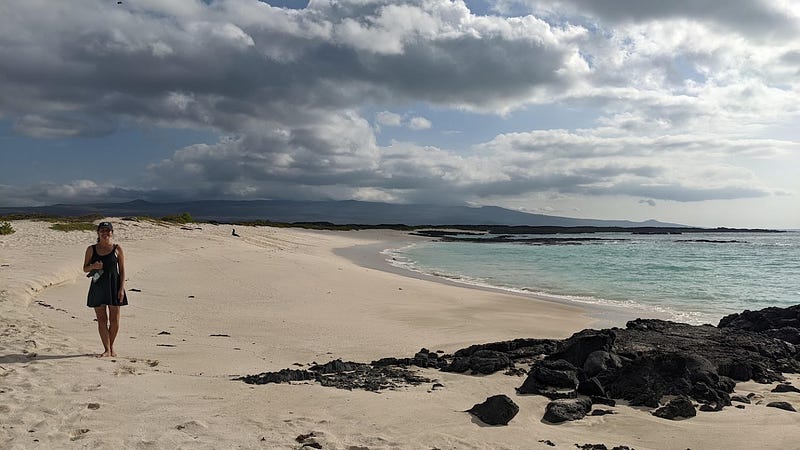
Undoubtedly, I did get lucky. The costs were lower due to Covid cancellations, and booking last-minute got me further savings. There were 21 people on board, and most were absolutely brilliant. I genuinely made friends for life. The sights and activities were unrivalled and the service was impeccable. The naturalist guides were extremely knowledgeable, answering questions on the incredible wildlife that made up so much of our days. I think that trying to hit all of the places on my own would have been comparable in cost when factoring in food, lodging and tour costs (these are all included in cruises).
Still, I have never gotten seasick before, and some days it was an issue. For me it was nothing that a seasickness pill couldn’t fix, but others had to miss meals due to feeling so ill. When I got off the cruise, I was dizzy for a full day after (I believe it was mal de debarquement syndrome).
It would be incorrect to say that the costs of cruises are not prohibitive, and this is shown in the clientele. 90% of the passengers were over 50 and the majority were over 60. One of the tour guides told me that it’s one of the ironies of the Galapagos — you have to be in great physical shape to enjoy the demanding hikes and diving, but by the time you can afford it (if ever), the time has past. Still, my group tackled them all without difficulties. The cruise I went on was known for being an adventure one full of excursions, so perhaps everyone was prepared.
Have you been to the Galapagos? What are your best tips for getting around? I’d love to know in the comments.
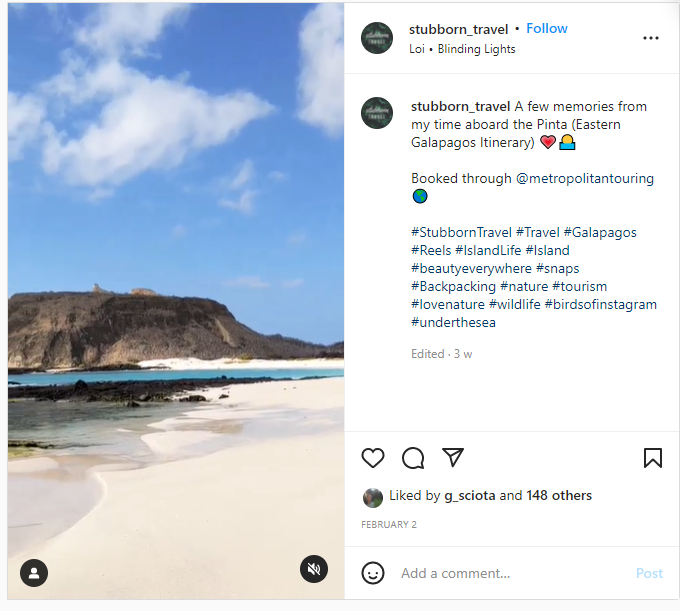
And for more Galapagos highlights, check out my Instagram page, Stubborn Travel: