
Virtual Reality Graded Exposure Therapy (VRGET) is Changing PTSD
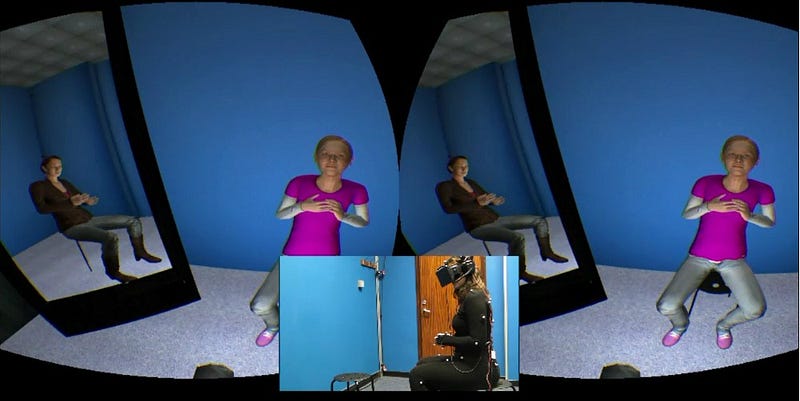
Virtual Reality Graded Exposure Therapy (VRGET) is a tech-based therapeutic treatment that helps those with PTSD and other phobias deal with their illnesses in a safe, non-medical way. Since using conventional psychological therapies and medications do no help everyone, using virtual reality is a great alternative for both providers and patients.
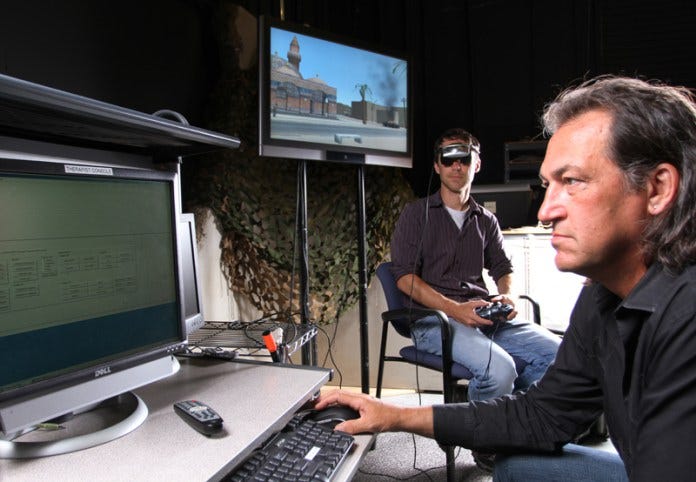
The therapy combines advanced computer graphics, 3D visual displays, and body-tracking technology that is used to create realistic virtual surroundings. The goal of the process is to stimulate fears, whether they be situations, objects, or even people. During the exercise, the therapist collects data such as increased heart rate or breathing to study how the patient reacts to their surroundings. Studies have found that patients are more likely to deal with real-world situations in a better way if they have been desensitized to a virtual environment first.
Is VRGET as effective as conventional exposure therapy?
For one, we live in a world in which more and more patients are looking for more non-medical ways to care for themselves and their conditions. By offering an alternative type of therapy that may still get them the same results, the teams behind Virtual Reality Graded Exposure Therapy have already won half the battle.
“VRGET is more effective than conventional imaginal exposure therapy and has comparable efficacy to in vivo exposure therapy for the treatment of specific phobias, agoraphobia, panic disorder, and PTSD,” says James Lake, MD, of Psychology Today. “Like in vivo and imaginal exposure therapy, VRGET desensitizes the patient to a situation or object that would normally cause anxiety or panic.”
In a controlled study, the newly-discovered therapy and conventional cognitive behavioral therapy (CBT) were equally effective treatments of panic disorder with agoraphobia. Patients who received VRGET needed about 33% fewer sessions to achieve the same results of the CBT patients. Other phobias that the therapy sessions were found to treat include fear of flying, fear of heights, fear of small animals, and fear of driving.
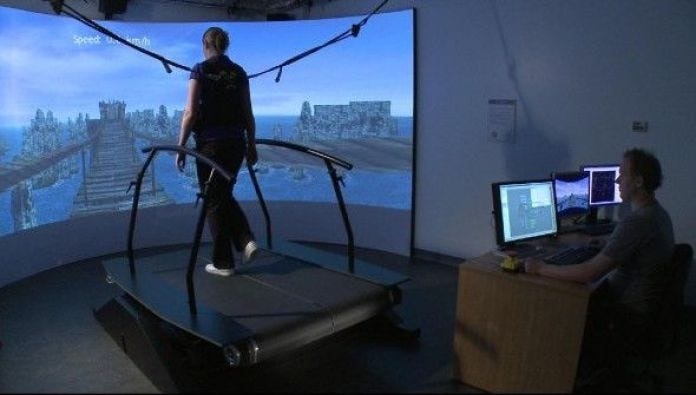
Not only is VRGET effective, it also costs less than CBT and other therepeutic options. When you consider that patients are able to deal with their fears in less time, plus the lack of need for real-world tools (such as an airplane for fear of flying), it is much more affordable for the patient, the provider, and the insurance companies.
Results from these studies also found that military members who suffered from PTSD due to experiences in combat responded well to the new therapy, even if they didn’t respond at all to CBT. So not only is it effective, but VRGET is also picking up where CBT has been known to fail.
Analyzing those at risk of developing PTSD
There are teams working on virtual reality tools that will help patients who are deemed ‘high risk’ before they are put into situations that can lead to a PTSD diagnosis. A new program called STRIVE (Stress Resilience in Virtual Environments) is being used to enhance emotional coping strategies prior to active deployment. STRIVE permits patients to be placed in virtual stressful combat situations and interact with characters for training in a variety of coping strategies that may enhance resilience in the face of extreme stress.
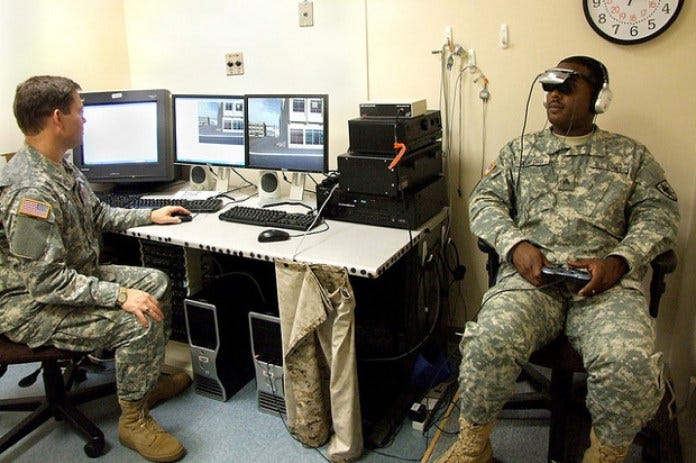
Using STRIVE may provide a useful tool for predicting the risk of developing PTSD or other psychiatric disorders in new recruits prior to actual combat exposure. Recruits who are able to withstand certain high-risk situations may be more suitable for combat than those who do not respond on the same level of resilience.
Safety concerns for VRGET
In a few cases, there have been a few recorded effects in patients that were unexpected. These include disorientation, nausea, dizziness, headache, and blurred vision. Intense sensory stimulation can also trigger migraine headaches, seizures, or gait abnormalities in individuals who have these disorders. The therapy has also been found to be unsuitable for patients with schizophrenia.
As we learn more about Virtual Reality Graded Exposure Therapy, we may get a clearer picture on how to treat those with fears and PTSD. We could be sitting at the cusp of other innovative therapies as well.
Originally published at sanvada.com on November 6, 2017.


