avatarToby Castles

Free AI web copilot to create summaries, insights and extended knowledge, download it at here

6270

Abstract

in a converted petrol station.</p><p id="5a27" type="7">“Nothing had prepared me for the psychological impact of dealing with that. It was never mentioned in any of the training that I’d had.” — Parkinson</p><p id="59eb">Having confronted near-fatal circumstances, these innovators understand the significance of mental preparedness and the need for resilience.</p><p id="093e">With this knowledge, Head Set Immersive acknowledges the shortcomings of traditional training methods, particularly under the stressful demands of actual conflict. Also, they advocate for mental health and resilience, enabling journalists to remain composed and recall critical safety procedures under overwhelming stress.</p><p id="0e23">Parkinson’s story is compelling. I recognise that storytelling is a crucial tool in developing immersive designs because it enables the uncovering of valuable information. Through storytelling, Immersive Designers can delve into the depths of a situation, like Parkinson’s, unravelling layers of meaning and gaining insight into the human condition at the time</p><div id="c16f" class="link-block"> <a href="https://www.headsetimmersive.com/"> <div> <div> <h2>Head Set Immersive</h2> <div><h3>Initially crafted for frontline journalists, our VR technology is now a powerful tool for mastering high-stakes…</h3></div> <div><p>www.headsetimmersive.com</p></div> </div> <div> <div style="background-image: url(https://miro.readmedium.com/v2/resize:fit:320/0*6apfKCQ1pXLhTsoP)"></div> </div> </div> </a> </div><h1 id="0fcc">3. The Design Process of Virtual Reality</h1><p id="0fec">Head Set Immersive carefully architects VR to mirror reality.</p><h2 id="c293">How it is Used</h2><p id="128e">The modules are crafted to be short yet intensive, complemented by non-digital exercises focusing on personal risk assessment.</p><p id="36ee">The focus is on the unique risks faced by individual journalists, which can vary greatly. These customized sessions help participants address the apparent differences between theoretical understanding and the unpredictable realities of conflict areas.</p><h2 id="9bb9">What it Looks Like</h2><p id="081d">Head Set Immersive creates virtual reality (VR) environments with the Unity game engine, using computer-generated graphics and imagery instead of 360-degree video.</p><figure id="b686"><img src="https://cdn-images-1.readmedium.com/v2/resize:fit:800/0*qXZIA5Blpq6b4xwx"><figcaption>Photo by <a href="https://unsplash.com/@ilgmyzin?utm_source=medium&amp;utm_medium=referral">ilgmyzin</a> on <a href="https://unsplash.com?utm_source=medium&amp;utm_medium=referral">Unsplash</a></figcaption></figure><p id="dc90">Interestingly, the study found that adding minimal visuals helped maintain engagement levels, but they dropped when highly realistic visuals were used.</p><p id="4e04" type="7">“The brain tends to believe less in something that looks extremely real.” — Parkinson</p><figure id="1b2f"><img src="https://cdn-images-1.readmedium.com/v2/resize:fit:800/0*ecc1amyRbGT9d0es"><figcaption>Photo by <a href="https://unsplash.com/@levimeirclancy?utm_source=medium&amp;utm_medium=referral">Levi Meir Clancy</a> on <a href="https://unsplash.com?utm_source=medium&amp;utm_medium=referral">Unsplash</a></figcaption></figure><p id="438c">Subjects were more accepting of and engaged with abstract visuals.</p><p id="6753" type="7">“We observed significantly higher levels of engagement, acceptance, and immersion with abstract visuals.”</p><p id="8aa7">This concept resembles the notion of the ‘Uncanny Valley,’ which describes the uncomfortable sensation individuals feel when they come across robots or computer-generated imitations that closely mimic humans but lack convincing life.</p><p id="7c76">So, the effect poses a psychological barrier to adoption in tech and entertainment, as the study shows. I understand that Head Set Immersive’s adoption of Unity Game Engine countered this, giving the visualisations a gamified rendition and resulting in higher engagement for trainees.</p><div id="3e57" class="link-block"> <a href="https://stepico.com/blog/why-is-unity-the-best-game-engine-pros-and-cons/"> <div> <div> <h2>Why is Unity the best game engine? From Lead Unity Developer</h2> <div><h3>Let's dig into the essence of Unity pros and cons, why Unity game developers are still in demand, and why Unity game…</h3></div> <div><p>stepico.com</p></div> </div> <div> <div style="background-image: url(https://miro.readmedium.com/v2/resize:fit:320/0*lshYkOJFrz4vOu_A)"></div> </div> </div> </a> </div><h1 id="4d7c">4. Trainee Impressions</h1><p id="9ed3">Yakushko, the journalist and participant in the training, mentioned that workshop attendees were fascinated by the VR component, which effectively served as a promotional tool for the training.</p><figure id="4d93"><img src="https://cdn-images-1.readmedium.com/v2/resize:fit:800/0*cAAFonz3EsCiPg_-"><figcaption>Photo by <a href="https://unsplash.com/@sorkin?utm_source=medium&amp;utm_medium=referral">stephan sorkin</a> on <a href="https://unsplash.com?utm_source=medium&amp;utm_medium=referral">Unsplash</a></figcaption></figure><p id="b5ac" type="7">“It’s a new technology we hadn’t encountered previously.”</p><p id="6287">They report a profound sense of immersion, with many highlighting the difficulty in replicating the intensity of genuine conflict.</p><p id="74eb">Although she felt secure during the sessions, the virtual reality (VR) scenario where participants underwent detainment and interrogation by airport authorities proved to be a beneficial learning opportunity.</p><figure id="0864"><img src="https://cdn-images-1.readmedium.com/v2/resize:fit:800/0*6ABuiZsFg825yx0_"><figcaption>Photo by <a href="https://unsplash.com/@chuttersnap?utm_source=medium&amp;utm_medium=referral">CHUTTERSNAP</a> on <a href="https://unsplash.com?utm_source=medium&amp;utm_medium=referral">Unsplash</a></figcaption></figure>

Options

<p id="fd98">Yakushko admits that she initially responded to the questions with ease but later realized that her answers could have been better, recognizing the existence of more secure methods to handle such situations.</p><p id="462f" type="7">“Fortunately, I made these errors in virtual reality rather than real life.”</p><p id="beb3">The training illuminates the psychological impact of critical incidents, equipping them with the appropriate skills to navigate the complexities of such environments.</p><p id="978b">Other journalists who have engaged with VR training describe it as a transformative experience that contrasts with passive learning. The immersive authenticity magnifies their emotional engagement, fostering a profound comprehension of potential risks they may encounter in the field.</p><p id="500b">Yakushko’s feedback is informative. Collecting feedback following the immersive experience is vital for the ongoing evolution of VR applications. It offers valuable insights into user perceptions, preferences, and opportunities for improvement.</p><p id="3ecf">Through feedback analysis, Immersive Designers can pinpoint strengths and weaknesses, iterate on design components, and enhance the immersive experience to align more closely with user requirements.</p><h1 id="61f8">5. Future Prospects</h1><p id="4337">Sergatskova emphasizes that the effectiveness of this training program lies in its holistic approach. It incorporates virtual reality as needed but integrates role-playing, practical first-aid training, presentations, and workshops.</p><p id="bec2">The fusion of virtual reality and live action represents a forward-looking modality. It underscores the continuous advancement in the preparation of journalists.</p><p id="8272">As an academic, I propose that immersive experiences offer a comprehensive approach to learning and engagement, whether in virtual or real-world settings. By integrating elements from both realms, individuals can immerse themselves fully in the learning process, resulting in a more holistic and practical outcome.</p><figure id="163d"><img src="https://cdn-images-1.readmedium.com/v2/resize:fit:800/0*7cpkTlAtFdtrk9Ja"><figcaption>Photo by <a href="https://unsplash.com/@fredasem?utm_source=medium&amp;utm_medium=referral">Freddy Kearney</a> on <a href="https://unsplash.com?utm_source=medium&amp;utm_medium=referral">Unsplash</a></figcaption></figure><p id="f920">Sergatskova suggests that this training could benefit journalists navigating Ukraine's unique warfare. She explains:</p><p id="4281" type="7">“Determining the best action during an attack can be challenging: should one flee or seek shelter?</p><p id="97ea" type="7">One of the primary concerns among journalists in Ukraine is how to respond during these attacks while driving.”</p><p id="16f8">The 2402 Foundation intends to broaden its efforts beyond journalists to include NGO and non-profit personnel in Ukraine. In 2024, it aims to collaborate with Head Set, focusing on creating VR and AR training scenarios.</p><p id="5df9">Additionally, it plans to launch a program in March in collaboration with the Digital Defenders Partnership, which aids human rights activists facing threats.</p><div id="30b5" class="link-block"> <a href="https://2402.org/the_2402_foundation_is_expanding_now_not_only_for_journalists"> <div> <div> <h2>The 2402 Foundation is expanding: now not only for journalists</h2> <div><h3>The 2402 Foundation is expanding: now not only for journalists</h3></div> <div><p> The 2402 Foundation is expanding: now not only for journalists2402.org</p></div> </div> <div> <div style="background-image: url(https://miro.readmedium.com/v2/resize:fit:320/)"></div> </div> </div> </a> </div><h1 id="eb7d">Conclusion</h1><p id="c4d4">The journey of training Ukrainian journalists for safe war coverage through virtual reality has been transformative and illuminating. However, there are three key ideas from this text that I’ll leave you with.</p><p id="8e9a">Firstly, it’s essential to embrace immersive learning. I encourage to seek VR training simulations relevant to your field, whether hostage negotiation, first aid in remote areas, or navigating natural disasters. Immersive learning can deepen understanding and build critical skills in a safe environment.</p><p id="5cce">Secondly, we must cultivate collaboration. It doesn’t matter what your industry is; you should connect with experts in your field and related sectors. Their diverse perspectives can enrich your knowledge and problem-solving abilities when facing complex situations.</p><p id="2ac0">And lastly, as professionals, we must practice real-world scenarios. Future training environments must seek opportunities to apply your learning in controlled simulations or role-playing exercises. This can bolster your confidence and decision-making in real-world situations.</p><p id="4448">The power of VR training for Ukrainian journalists, pioneered by the 2402 Foundation, illustrates the transformative potential of immersive learning, emphasising collaboration and the practical application of critical skills in real-world scenarios.</p><p id="a1f7">Would you embrace virtual reality as a training method to enhance your professional skillset, and if so, how would you utilise it?</p><p id="cb0c">Did you find this article interesting?</p><p id="2dc2">Join my weekly newsletter on Substack, where I delve deeper into human-centred design:</p><div id="1e64" class="link-block"> <a href="https://tobycastles.substack.com/"> <div> <div> <h2>Electrostatic | Toby | Substack</h2> <div><h3>Essays on the power of design and human experience. Click to read Electrostatic, by Toby, a Substack publication…</h3></div> <div><p>tobycastles.substack.com</p></div> </div> <div> <div style="background-image: url(https://miro.readmedium.com/v2/resize:fit:320/0*CIzuy9lP5WXPlff7)"></div> </div> </div> </a> </div></article></body>

Virtual Reality: 5 Key Insights Into Training Ukrainian Journalists for Safe War Coverage

Preparing Ukrainian Journalists for Safer Reporting in Conflict Zones through Virtual Reality
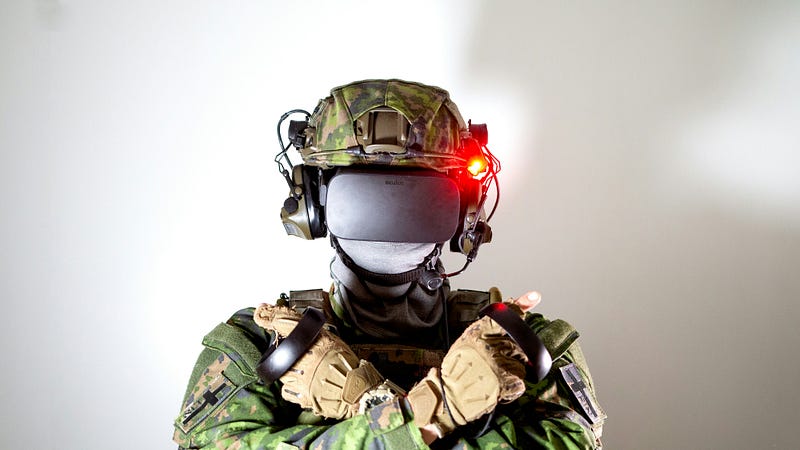
Photo by Jimi Malmberg on Unsplash

“I was doing reports about fashion, Eurovision and celebrities. I had never been in a conflict zone before.”

— Halyna Yakushko, Journalist

At the beginning of 2023, Yakushko was in Bakhmut, reporting about the city surrounded by Russian forces.

When Ukraine faced a full-scale invasion, reporters like Yakushko became war journalists. People who used to cover business news and arts or take pictures for magazines are now reporting from the war zones or covering the conflict.

As an academic delving into human-centred design, I grasp the inherent and enduring unpredictability of the world, particularly within conflict zones. Recognizing this reality, award-winning journalists Katerina Sergatskova and Roman Stepanovych established the 2402 Foundation initiative.

1. How It Began

The inception of a cutting-edge training initiative can be traced back to the emergence of war journalism necessities following the mentioned full-scale invasion.

Katerina Sergatskova and Roman Stepanovych, both seasoned correspondents in conflict reportage and pioneers of the independent news outlet Zaborona, spearheaded the 2402 Foundation.

This organisation dedicated itself to enhancing defensive measures and training for media personnel amidst the escalating need for such skill sets, providing crucial equipment such as body armour and medical packs.

“It was important for us to support other journalists who had never reported from a war zone before.” — Sergatskova

As a human-centred designer, I firmly believe in the power of collaboration and knowledge sharing. In our interconnected world, no individual possesses the answers to address complex challenges effectively.

The 2402 Foundation fosters a culture of knowledge sharing, cooperation and innovation. Ultimately leading to more inclusive and impactful design outcomes.

2. Advantages of Virtual Reality

Virtual reality stands out for its ability to forge an authentic experience that compels journalists to confront and manage their reactions to high-stress conditions.

Reporters are plunged into lifelike challenges, triggering genuine reactions to aid their decision-making under duress.

Virtual reality technology facilitates an embodied experience, prompting emotional and bodily responses similar to real-life critical scenarios.

In my opinion, immersive technologies, like virtual reality, have revolutionized how users interact with digital environments by providing a high-fidelity experience that engages multiple senses and enhances immersion.

Also, such training teaches journalists to recognize outside dangers and think deeply about them. It encourages the importance of heeding their instincts when they sense potential danger.
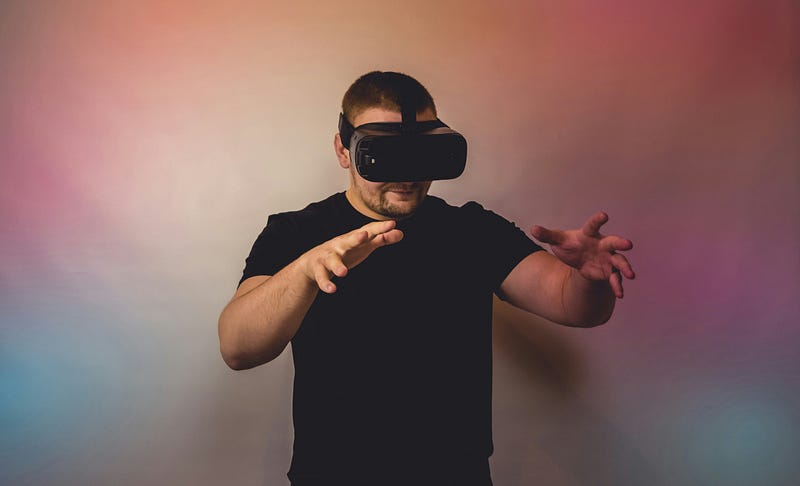
Photo by Bermix Studio on Unsplash

“In a virtual situation, you can imagine the decisions you will make.” — Katerina Sergatskova

Recognising bodily responses, including stress signals, VR equips journalists with an intimate understanding of their instinctual fight or flight responses, previously difficult to simulate with conventional methodologies.

I acknowledge that this immersive training method has been statistically proven to enhance training outcomes in military settings, emergency services, and related fields.

3. Architects of the Project

The minds behind the virtual reality training, Head Set Immersive, possess extensive field experience in conflict zones. Having confronted near-fatal circumstances, these innovators understand the significance of mental preparedness and the need for resilience.

Parkinson, the co-founder, was reporting as a freelance journalist in Libya when a grenade seriously injured her cameraman — and now husband. Medical professionals provided treatment for him immediately after the incident at an improvised field hospital set up in a converted petrol station.

“Nothing had prepared me for the psychological impact of dealing with that. It was never mentioned in any of the training that I’d had.” — Parkinson

Having confronted near-fatal circumstances, these innovators understand the significance of mental preparedness and the need for resilience.

With this knowledge, Head Set Immersive acknowledges the shortcomings of traditional training methods, particularly under the stressful demands of actual conflict. Also, they advocate for mental health and resilience, enabling journalists to remain composed and recall critical safety procedures under overwhelming stress.

Parkinson’s story is compelling. I recognise that storytelling is a crucial tool in developing immersive designs because it enables the uncovering of valuable information. Through storytelling, Immersive Designers can delve into the depths of a situation, like Parkinson’s, unravelling layers of meaning and gaining insight into the human condition at the time

3. The Design Process of Virtual Reality

Head Set Immersive carefully architects VR to mirror reality.

How it is Used

The modules are crafted to be short yet intensive, complemented by non-digital exercises focusing on personal risk assessment.

The focus is on the unique risks faced by individual journalists, which can vary greatly. These customized sessions help participants address the apparent differences between theoretical understanding and the unpredictable realities of conflict areas.

What it Looks Like

Head Set Immersive creates virtual reality (VR) environments with the Unity game engine, using computer-generated graphics and imagery instead of 360-degree video.

Photo by ilgmyzin on Unsplash

Interestingly, the study found that adding minimal visuals helped maintain engagement levels, but they dropped when highly realistic visuals were used.

“The brain tends to believe less in something that looks extremely real.” — Parkinson
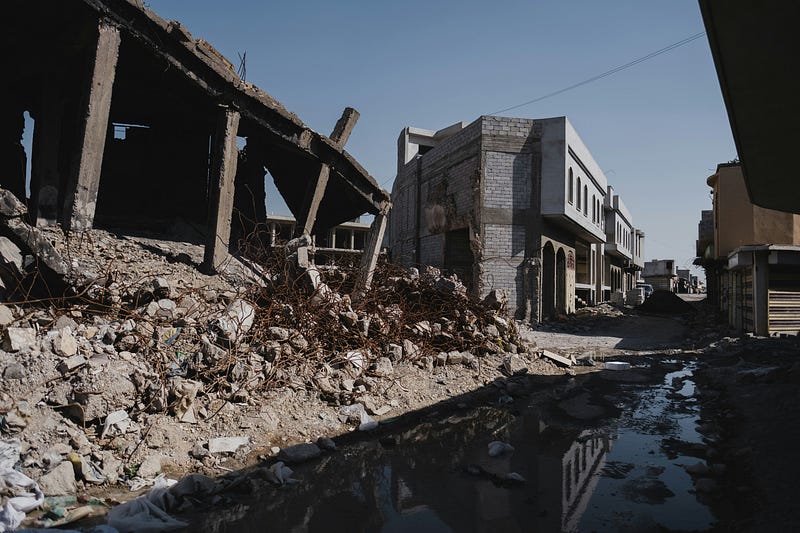
Photo by Levi Meir Clancy on Unsplash

Subjects were more accepting of and engaged with abstract visuals.

“We observed significantly higher levels of engagement, acceptance, and immersion with abstract visuals.”

This concept resembles the notion of the ‘Uncanny Valley,’ which describes the uncomfortable sensation individuals feel when they come across robots or computer-generated imitations that closely mimic humans but lack convincing life.

So, the effect poses a psychological barrier to adoption in tech and entertainment, as the study shows. I understand that Head Set Immersive’s adoption of Unity Game Engine countered this, giving the visualisations a gamified rendition and resulting in higher engagement for trainees.

4. Trainee Impressions

Yakushko, the journalist and participant in the training, mentioned that workshop attendees were fascinated by the VR component, which effectively served as a promotional tool for the training.
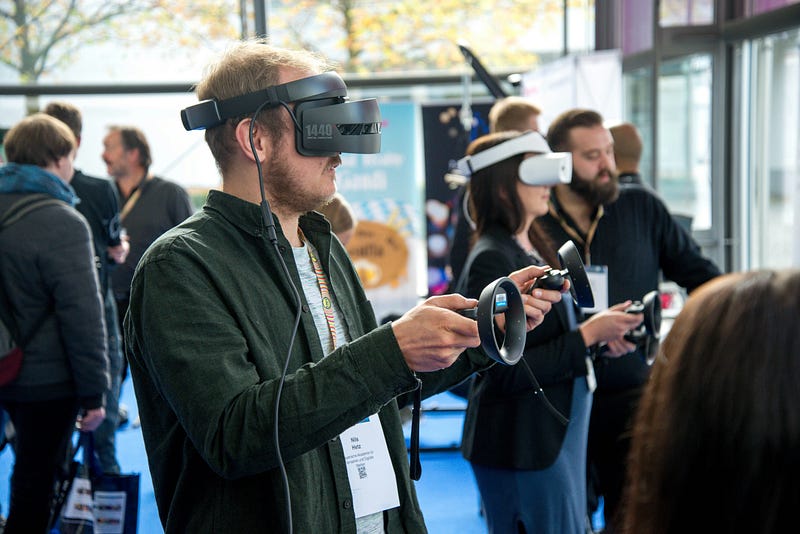
Photo by stephan sorkin on Unsplash

“It’s a new technology we hadn’t encountered previously.”

They report a profound sense of immersion, with many highlighting the difficulty in replicating the intensity of genuine conflict.

Although she felt secure during the sessions, the virtual reality (VR) scenario where participants underwent detainment and interrogation by airport authorities proved to be a beneficial learning opportunity.

Photo by CHUTTERSNAP on Unsplash

Yakushko admits that she initially responded to the questions with ease but later realized that her answers could have been better, recognizing the existence of more secure methods to handle such situations.

“Fortunately, I made these errors in virtual reality rather than real life.”

The training illuminates the psychological impact of critical incidents, equipping them with the appropriate skills to navigate the complexities of such environments.

Other journalists who have engaged with VR training describe it as a transformative experience that contrasts with passive learning. The immersive authenticity magnifies their emotional engagement, fostering a profound comprehension of potential risks they may encounter in the field.

Yakushko’s feedback is informative. Collecting feedback following the immersive experience is vital for the ongoing evolution of VR applications. It offers valuable insights into user perceptions, preferences, and opportunities for improvement.

Through feedback analysis, Immersive Designers can pinpoint strengths and weaknesses, iterate on design components, and enhance the immersive experience to align more closely with user requirements.

5. Future Prospects

Sergatskova emphasizes that the effectiveness of this training program lies in its holistic approach. It incorporates virtual reality as needed but integrates role-playing, practical first-aid training, presentations, and workshops.

The fusion of virtual reality and live action represents a forward-looking modality. It underscores the continuous advancement in the preparation of journalists.

As an academic, I propose that immersive experiences offer a comprehensive approach to learning and engagement, whether in virtual or real-world settings. By integrating elements from both realms, individuals can immerse themselves fully in the learning process, resulting in a more holistic and practical outcome.
Photo by Freddy Kearney on Unsplash

Sergatskova suggests that this training could benefit journalists navigating Ukraine's unique warfare. She explains:

“Determining the best action during an attack can be challenging: should one flee or seek shelter?

One of the primary concerns among journalists in Ukraine is how to respond during these attacks while driving.”

The 2402 Foundation intends to broaden its efforts beyond journalists to include NGO and non-profit personnel in Ukraine. In 2024, it aims to collaborate with Head Set, focusing on creating VR and AR training scenarios.

Additionally, it plans to launch a program in March in collaboration with the Digital Defenders Partnership, which aids human rights activists facing threats.

Conclusion

The journey of training Ukrainian journalists for safe war coverage through virtual reality has been transformative and illuminating. However, there are three key ideas from this text that I’ll leave you with.

Firstly, it’s essential to embrace immersive learning. I encourage to seek VR training simulations relevant to your field, whether hostage negotiation, first aid in remote areas, or navigating natural disasters. Immersive learning can deepen understanding and build critical skills in a safe environment.

Secondly, we must cultivate collaboration. It doesn’t matter what your industry is; you should connect with experts in your field and related sectors. Their diverse perspectives can enrich your knowledge and problem-solving abilities when facing complex situations.

And lastly, as professionals, we must practice real-world scenarios. Future training environments must seek opportunities to apply your learning in controlled simulations or role-playing exercises. This can bolster your confidence and decision-making in real-world situations.

The power of VR training for Ukrainian journalists, pioneered by the 2402 Foundation, illustrates the transformative potential of immersive learning, emphasising collaboration and the practical application of critical skills in real-world scenarios.

Would you embrace virtual reality as a training method to enhance your professional skillset, and if so, how would you utilise it?

Did you find this article interesting?

Join my weekly newsletter on Substack, where I delve deeper into human-centred design:

Virtual Reality
Augmented Reality
Immersive
Design
Journalism
Recommended from ReadMedium