
Viewing Disciplines as Languages
Recognising Patterns, Remixing Ideas, Embracing Beauty and Bridging Disciplines
I have been curious about what drives creativity and how one can channel creativity across various disciplines. Lately, I have gradually come to believe that language is the linchpin. By language, I mean more than just spoken or written communication, rather language extending to coding, design, music, art, symbols, body movement and more.
Disciplines as languages
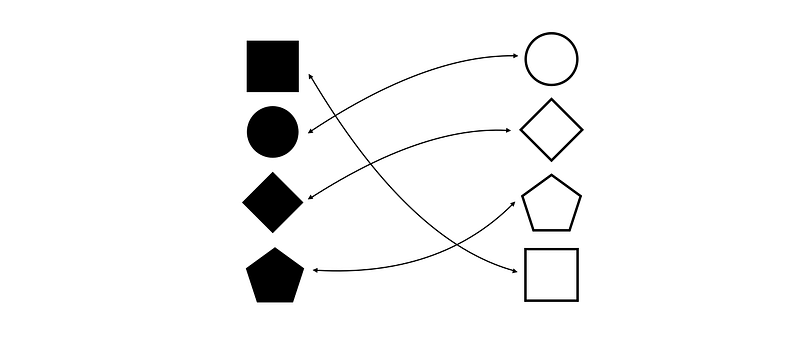
When we approach the discipline as a “language,” we are acknowledging it as a organised pattern and a medium for both emotion and information. By recognising the patterns in it, we are able to blend elements from two unrelated patterns of thought into a new one. Thereby expanding the horizons of our perspective and capacity to bridge diverse disciplines, even in unrelated fields.
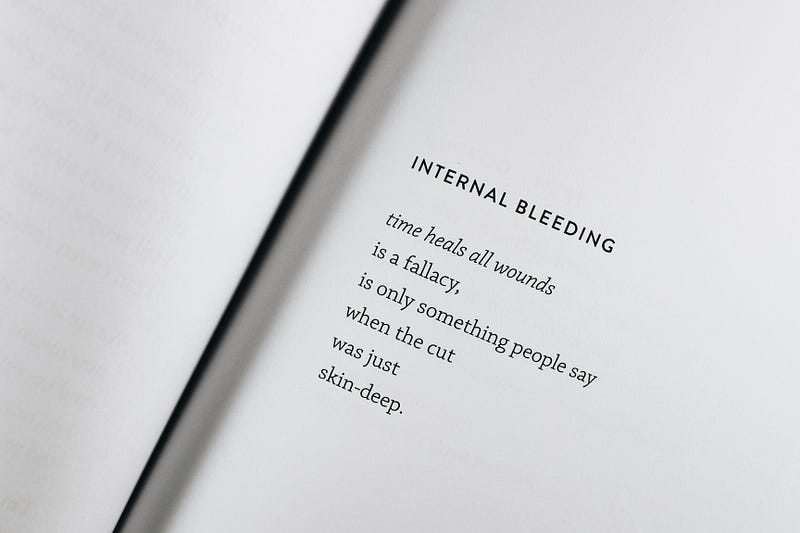
What I appreciate about this perspective is that when language is at its most refined, it becomes a symphony of elegance and balance. Just as plain words to poetry, isolated musical notes to symphonies, and in the world of physic, there is the pursuit for a theory that explains everything. It denotes not just technical proficiency, but also emotionally and spiritually aligned with the work as an art form.
Making sense of the world with languages
I believe that to truly understand the world, we need tools that encompass more than just one perspective. This demand a diverse of ‘languages’ to connect seemingly unrelated dots.
“The limits of my language mean the limits of my world.” — Ludwig Wittgenstein
As Ludwig Wittgenstein stated, “The limits of my language mean the limits of my world”. Our understanding is only as expansive as the languages we know.
Notes and references
- The perception of colour by the Namibian Himba tribe trigger my interest. They seemingly cannot perceive blue because their language lacks a term for it.
- Everything is a remix: There is nothing new under the sun; it’s all made up of a network of different nodes.
- Bisociation — It was introduced by Arthur Koestler in his book “The Act of Creation”. Bisociation describes the process of associating two seemingly unrelated ideas or contexts to produce something new and creative.
- Words we don’t have — I like how the words is ‘invented’ to make sense of the world that we are living in.