Videogames Are The Primary Catalyst Of Personal And Professional Growth In My Life
I started playing League of Legends a short while after it came out. Part of the second big wave of players to join the game. Going in, I had a self-image that was largely informed by gaming and the notion that I was good at games, better than the average gamer by far. I thought I knew what I was doing and that I should win often.
That was part of my internal narrative. Formed from a childhood of gaming, getting quickly defeated by my siblings time and time again and slowly getting better, and playing with friends and improving.
Until that moment in League, the majority of my competition was either local or against a PC in the case of the online games I played.
Being ‘good at games’ was core to my identity because games were what captured my imagination, what I looked forward to, and what I was passionate about.
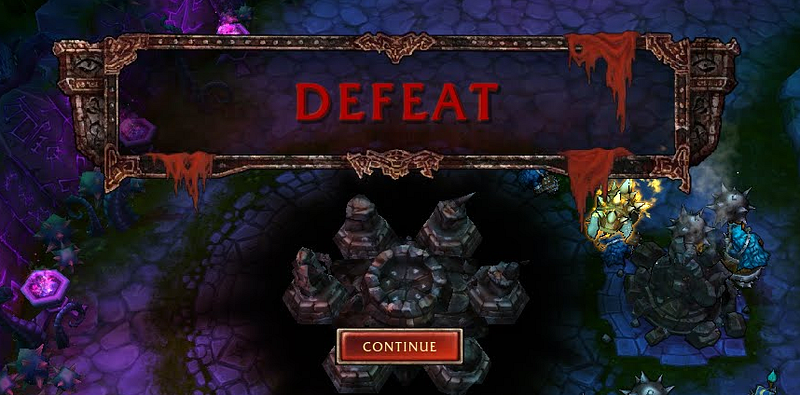
So going into League, I had these high expectations of myself, and statistically I did well. I even placed in the gold rank (top 30% of players). But, to me, this was a defeat, I knew I was better, but I couldn’t manage to climb to a higher rank.
I would mentally prepare before every match, overthink my choices and go in with a short fuse, ready to call out the slightest mistake someone might make. Yet I was quick to deflect any mistakes I made. The game got to me and embarrassingly, this led to shouting, anger, and on one occasion, throwing a keyboard across a room.
Playing the game with that mindset and with others who share the same mindset was like stepping into a minefield. Everyone was always on edge, and by staying on that battlefield I was subjecting myself to constant verbal abuse and pressure.
I continued playing for nearly 10 years, and for most of that time - I was not ‘happy’ to play, I was not enjoying the game, I was fighting for my ego.
About 7 years after I had started playing, I picked up a book that would later give me an epiphany. That was Campbell’s The Hero with a Thousand Faces, a work of comparative mythology that outlines what is now known as The Hero’s Journey, or the Monomyth.
In case you’re unfamiliar, Campbell summarizes it as follows:
“A hero ventures forth from the world of common day into a region of supernatural wonder. Fabulous forces are there encountered and a decisive victory is won. The hero comes back from this mysterious adventure with the power to bestow boons on his fellow man.
This journey is based on the archetype of death and rebirth, in which the “false self” is surrendered and the “true self” emerges.” — Prof. Joseph Campbell
Later, reading Jung, I realized that my struggle with the game, the desire to improve in rank, was not driven by an earnest desire to improve, but rather by the need to protect my own ego. The desire to prove that my self-image was correct.
I had decided that I was good, and the constant struggle and defeat created dissonance between reality and ego — and one of them had to buckle.
I let the ego die, and with it, how I approach things. I accepted the loss of control, accepted that control is largely just an illusion, and I began shedding off the layers of being the person that was expected of me — and discovering who I really was. As it turns out, I don’t really care about being a good player, results are irrelevant.
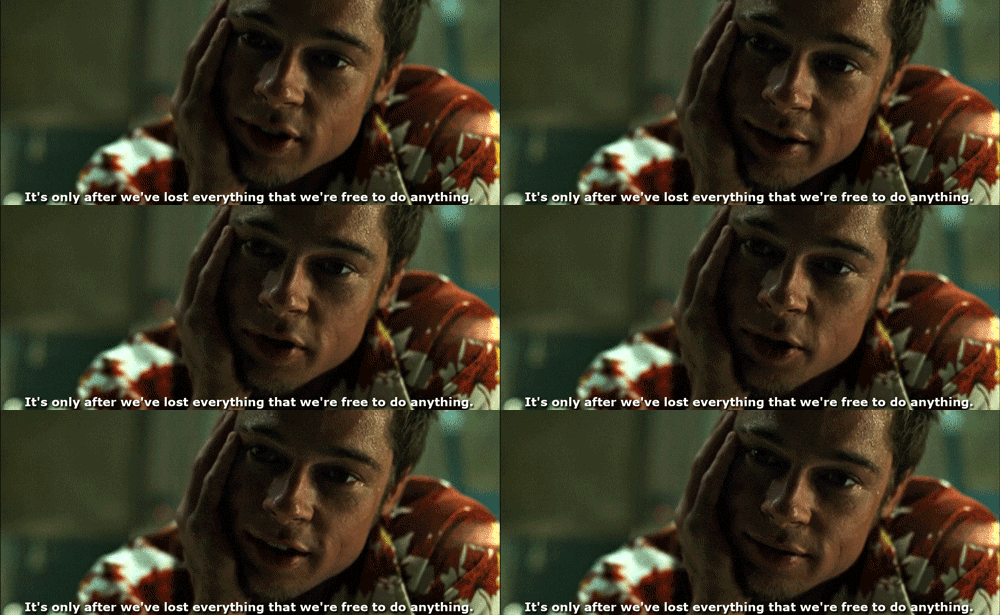
From that moment, I remained calm in my matches and managed to improve to the rank of Platinum, roughly the top 10% of players. That’s where I peaked within the game.
But playing League with this new calm wasn’t just changing how well I played, it ended up carrying over to my personal and professional life. I was no longer hot-headed and rash, I could work well under pressure and handle calamitous situations in a way that was completely foreign to my younger self.
The thing is, the letting go, the putting ego aside, happened long before the reading of Jung or Campbell. Their works helped me understand what I had gone through, but the change came about naturally, through repeated experiences and introspection.
Then the epiphanies compounded atop one another. I realized that with each game I played, I was dying and being reborn. The part of me that was bad at a task died and was replaced with a part that is good. I looked back on a lifetime of play and saw all the ways that games had shaped who I am and what I’m capable of.
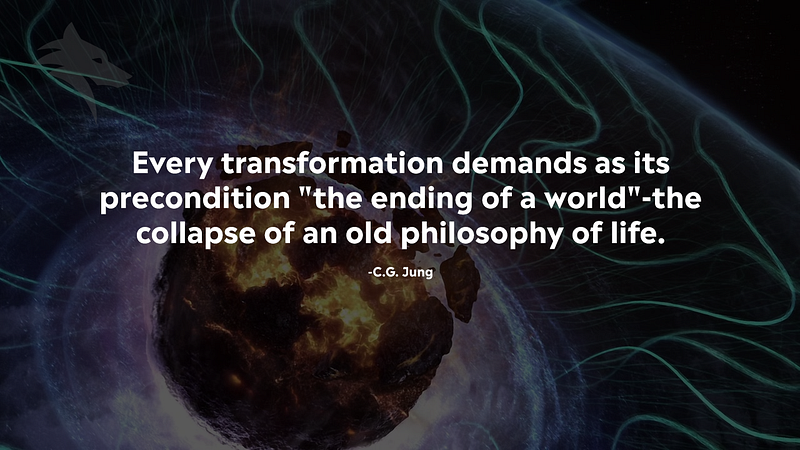
Games are unique, they allow us to cross the threshold into a world wholly unknown, to experience things and challenge ourselves in ways that are otherwise impossible. They put us in situations that push against how we perceive ourselves to be. They do all this rapidly, and through them we can be reborn and redefined, bringing that magical boon back with us outside the game.


