
HISTORY
Victorians Used These Deadly Toxins To Poison Their Own Food
They heavily adulterated everyday foods with fatal consequences
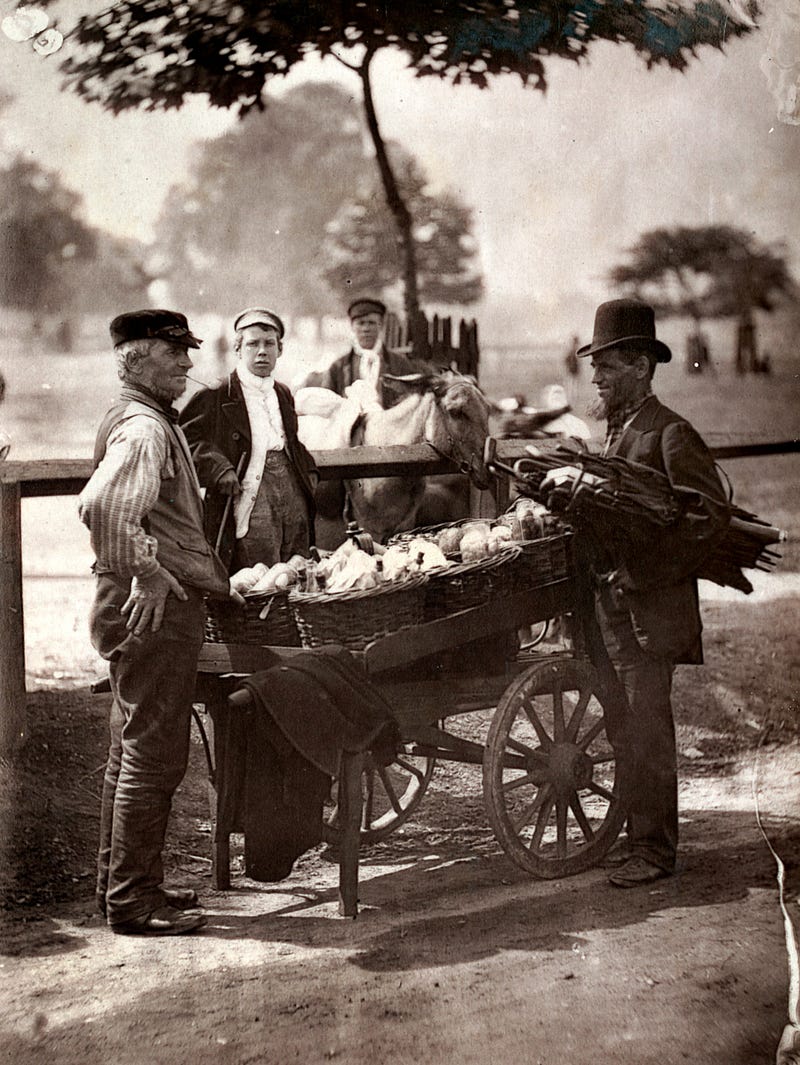
During the Victorian era, the human population exploded, new strains were put on suppliers to produce more than ever before. Many cut corners to meet demand and used cheap and dangerous substances. Other problems stemmed from a lack of knowledge about toxins and health. Sometimes it can seem amazing that anyone survived the time at all.
Read on to explore the different ways the people of the 19th century regularly killed themselves and each other through the food products they produced.
Bread
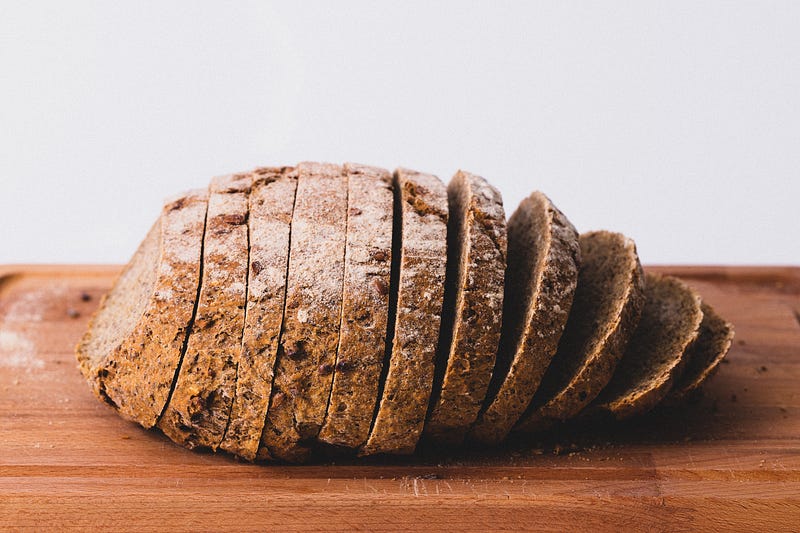
Bread was an essential part of the Victorian diet, especially for poor families. It’s cheap, filling, available and affordable, all in demand characteristics of the time. During the period, it was uncommon for poor people to own or have access to an oven. So, they really relied on bakers for their food.
As modern capitalism became entrenched in daily Victorian life, the processes of commerce and production changed. Until this time, milling, baking and selling had all been done by the same person. In the Victorian era, this all changed, each role was separated. The miller sold flour to the baker, who sold bread to the retailer. This, combined with a relentless appetite to increase profit margins, created the perfect environment for the bread to be adulterated.
It was common for the flour to be mixed with anything the miller and baker could get their hands on. Any substance that afforded cheap bulk to the flour was of use. It was also very desirable for the flour to be as white as possible. Brown bread had become incredibly unfashionable. A well-to-do Victorian wouldn’t be seen dead with the delicious artisan bread that is so popular today.
They added the following materials to the bread:
- Plaster of Paris
- Chalk
- Bean powder
- Bone meal
- Alum
- Iron sulphate
Although including any of the above ingredients into bread is questionable, one is of particular concern. Alum, which is a toxic chemical compound, derived from aluminum, is used today in the 21st century for washing detergents. In the past, the Victorians used it heavily to add volume to the dough. It was cheap (cheaper than flour), white in colour and readily available. It also retained water, this made the bread more substantial and filling. Which made it all the more attractive to the poorest of society.
Its whiteness was its most important characteristic. This enabled bakers and millers to add it to cheaper, lower-quality grains, which they could then sell for higher prices once the alum had bleached it white.
They didn’t understand the risks associated with consuming it. It was particularly deadly for children. It causes diarrhea, which can quickly lead to dehydration and death. Furthermore, it provided no nutritional value whatsoever. Their bellies were full, but they were malnourished.
Dr. Hassall, was an essential part of the reform in the food industry.
He determined that 50% of the bread he studied was contaminated with high levels of alum.
Milk
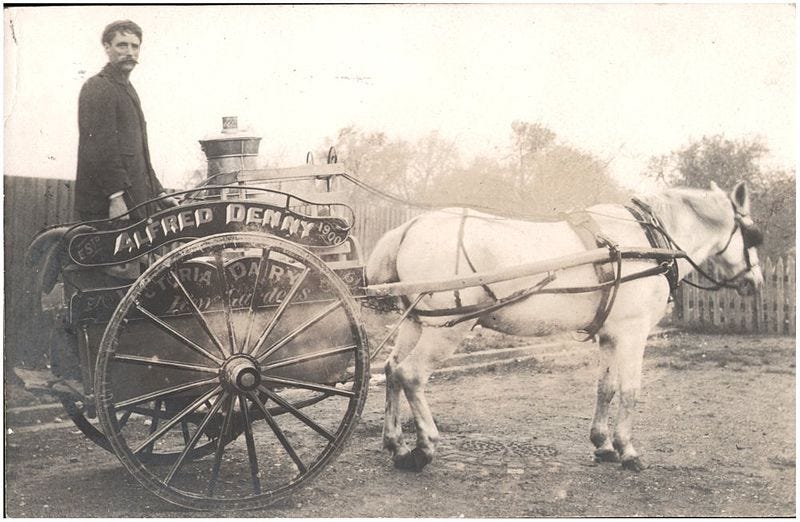
Prior to pausterization milk had serious risks all on it’s own. Bovine TB was commonly contracted by the people who drank it. They often died as a result of the infection.
As if milk wasn’t already bad enough, the Victorians went on to contaminate it further and make it even more deadly.
To remove the sour flavour of old milk they added borax powder (borate). Borax is an alkaline and this neutralised the acidic sour flavours that made the milk taste bad. The Victorians believed this ‘purified’ the milk and removed all of the harmful materials.
They were wrong. Very wrong.
The borax just masked the sour flavours and did nothing to combat the bacteria which caused the foul taste.
This meant that people continued to drink milk that was thriving with microbiotic life.
The borax its self was dangerous too. Similar to alum, it was most dangerous to children (who drank it the most). It too, caused diarrhea which could lead to death. It also caused skin loss which could be very painful and cause more infections.
Just as they did with bread, the Victorians wanted to add bulk to their rotten milk, they added water to do this.
Tea
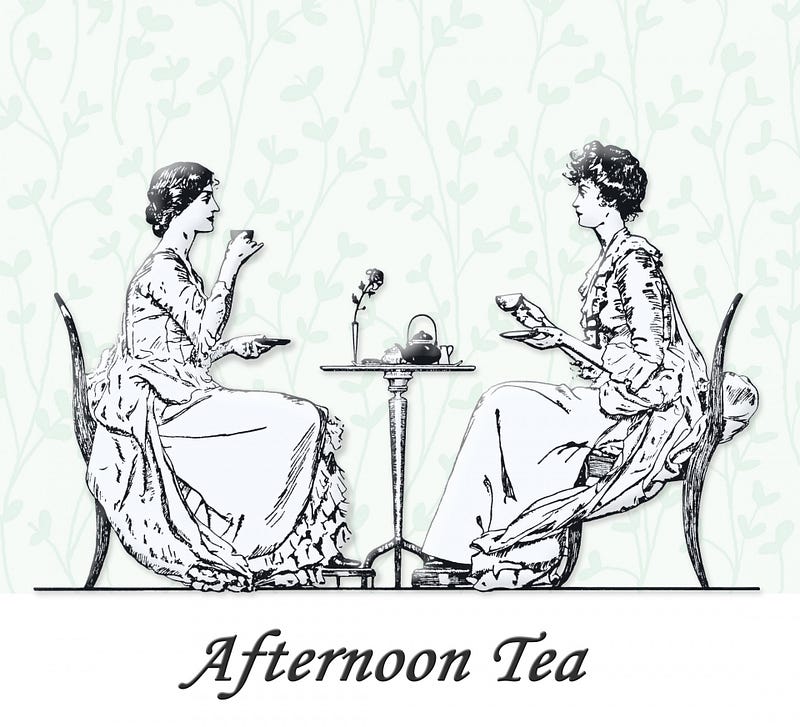
The Duchess of Bedford, Anna Maria Russell, is single-handedly responsible for the popularity of afternoon tea in Britain. Anna, who was a lady-in-waiting for Queen Victoria, could not bare the empty feeling between lunch and dinner. She described it as a ‘sinking feeling’, that came around at about 5pm. Anna asked for some tea, cake, bread and butter to be brought to her.
From that moment on, the idea of afternoon tea spread across Victorian Britain. The upper classes embraced this fashionable new trend with open arms. A pastime which has endured the centuries and remains massively popular in modern Britain.
The British Empire’s crown jewel was India, and it provided many luxury and exotic items. The most in demand product was by far tea leaves. Until this point, the British had relied on exports from China to satisfy their desire for a cuppa. Now they had their own source of the green stuff and everyone wanted some.
We’ve already learnt that high demand for a product in the Victorian era means only one thing, adulteration.
They used anything they could to increase their profit margins:
- Used tea leaves
- Turmeric (Chinese tea)
- The leaves of other plants (Hawthorne, Elder and Sloe were common)
- Sand
- Dirt
- Rice
- Sulphate of lime
- Gypsum
- Prussian blue
Tea merchants were unscrupulous, to say the least. The additives they included in their tea blends could be dangerous to human health. Especially the dyes and the chemicals used to make them.
They now used sulphate of lime in pest control products and it can be deadly in humans too.
Final Thoughts
Looking back, the Victorian period can seem awful, a mixture of terrible working and living conditions, a complete lack of healthcare and contaminated food can make it seem horrendous. Yet, we can not forget this same time was the dawn of the modern world we all know and love. Without it, we wouldn’t be where we are today.
Love them or hate them, the Victorians changed the world.
September 2021
Delilah Brass
SOURCES:


.jpg)