
Victorian Dresses Were Death Traps Sprayed With Kerosene
Thousands of women burned to death, screaming for help
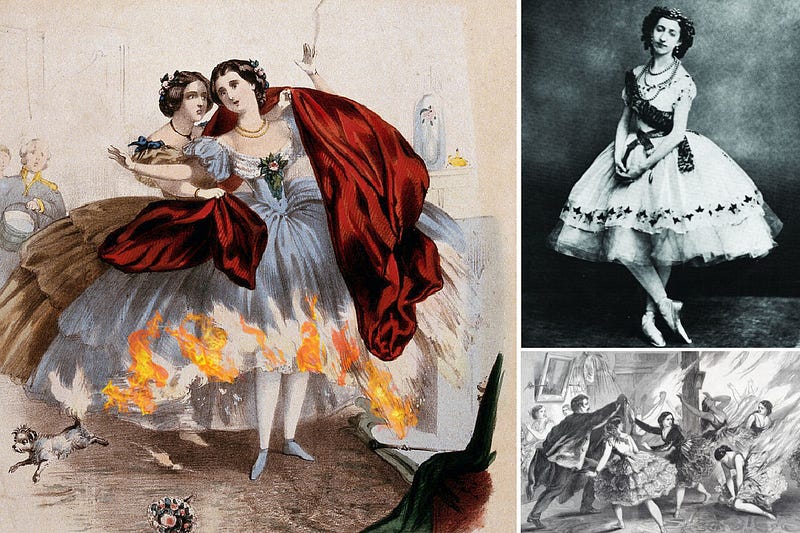
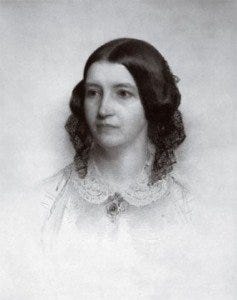
Fanny Longfellow was sitting at the table with her little girls.
It was July 10, 1861 and she’d snipped little Edie’s curls because it was so hot that summer. They were going to save her curls in an envelope. A keepsake.
Edith (7) and Allie (Allegra, 10) watched their mommy melt sealing wax with a candle when a gentle summer breeze wafted through the window.
Instantly, Fanny was on fire.
Wanting to protect her girls, she ran into her husband’s study in the next room. Henry Wadsworth Longfellow was in the study when his wife burst in, a ball of fire. He grabbed a rug to smother the flames.
Failing to stop the fire with the rug, he wrapped himself around his wife, trying to smother the fire with his own body, suffering horrendous burns to his face, hands and arms as he tried to save her. It was futile.
She died the next morning, leaving 5 children behind. Due to the severity of his burns, Henry Wadsworth Longfellow was unable to attend the funeral of his beloved wife and the mother of his children.
A month later, he wrote a letter to Fanny’s sister. He wondered how he could still be alive after what he’d seen.
“How I am alive after what my eyes have seen, I know not.” ~Henry Wadsworth Longfellow
The real tragedy was that it wasn’t even a freak accident. It was pretty common.
It started with burning ballerinas…
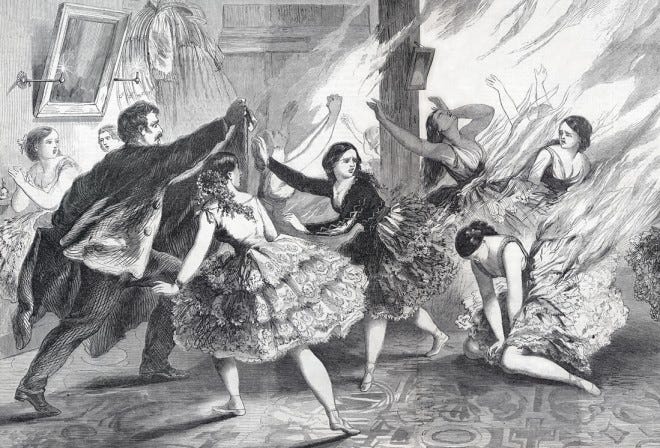
The same year Fanny Longfellow burned to death, six ballet dancers died in a giant ball of fire when they tried to help another dancer whose costume caught fire. But it wasn’t new in 1861.
It had been happening for decades.
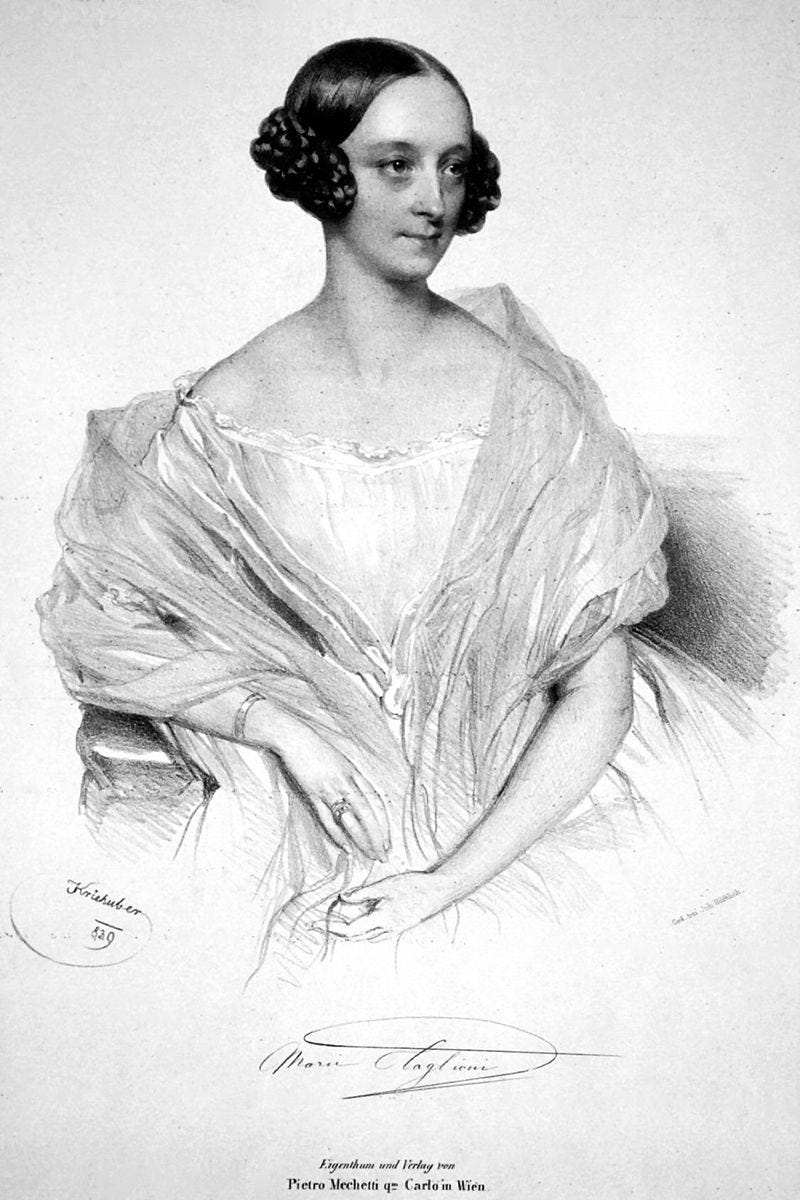
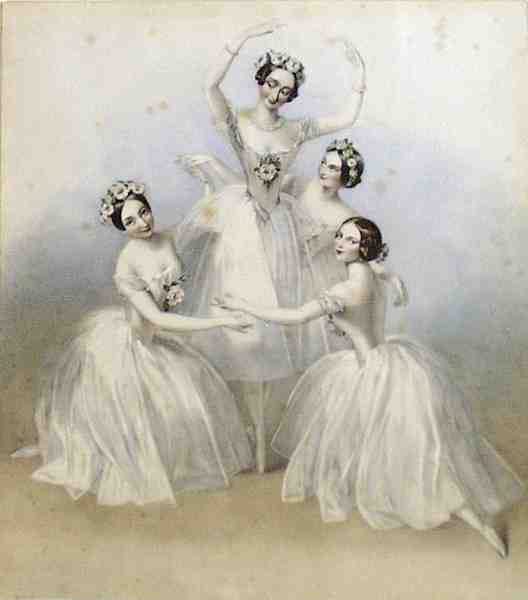
In 1832, famed ballerina Marie Taglioni brought the house down when she danced onstage in a frothy concoction of white tulle.
This new fabric, “tulle,” was perfect for depicting mystical dryads, nymphs and other mythical creatures often featured in the ballet. Tulle looked divine by gaslight. An ethereal, mystical pouf of white.
At least, until she danced too close to a gaslight and the screams of adoration became screams of horror as she went up in flames. Ballerinas were burning to death everywhere there was the ballet. Marseilles, New York, Liverpool, Trieste, Rio de Janeiro, Naples.
Emma Livry, star of the Paris Opera Ballet, died on stage — a screaming ball of fire as the audience watched. It happened so often, I could write an entire story about ballerinas who burned to death.
Trouble was, no one really cared about ballerinas…
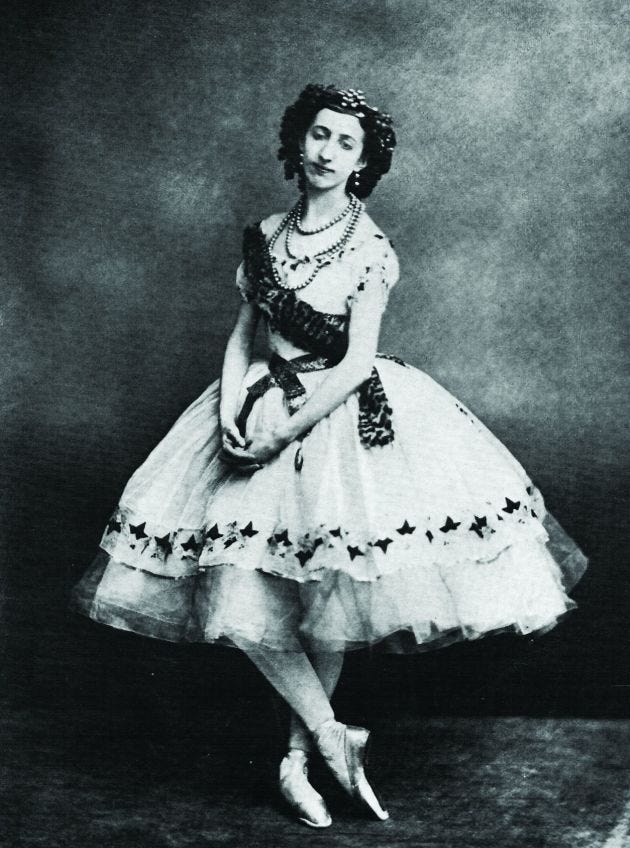
Everyone knew ballerinas were one step above harlots only because they could dance. They had “sponsors,” you know. Rich men who paid them to perform. On and off stage, if you know what I mean. Wink, wink.
Their deaths were preventable. All it would have taken was safety cages around the gas lights. But those safety cages cost money, of course.
Those girls just need to be more careful!
Sometimes, entire theatres would burn down. The Continental Theatre in Philadelphia burned to the ground in 1861, killing 9 ballerinas whose tutus caught fire after one dancer’s skirt gently brushed a gas lamp.
In a sad and macabre statement of human nature, the risk of dress fire sold tickets. The ballet became more popular.
Then it wasn’t just ballerinas anymore…


When Charles Dickens published “Great Expectations” in 1861, he ended it with a dress fire. It wasn’t incredulous fiction. It was reality.
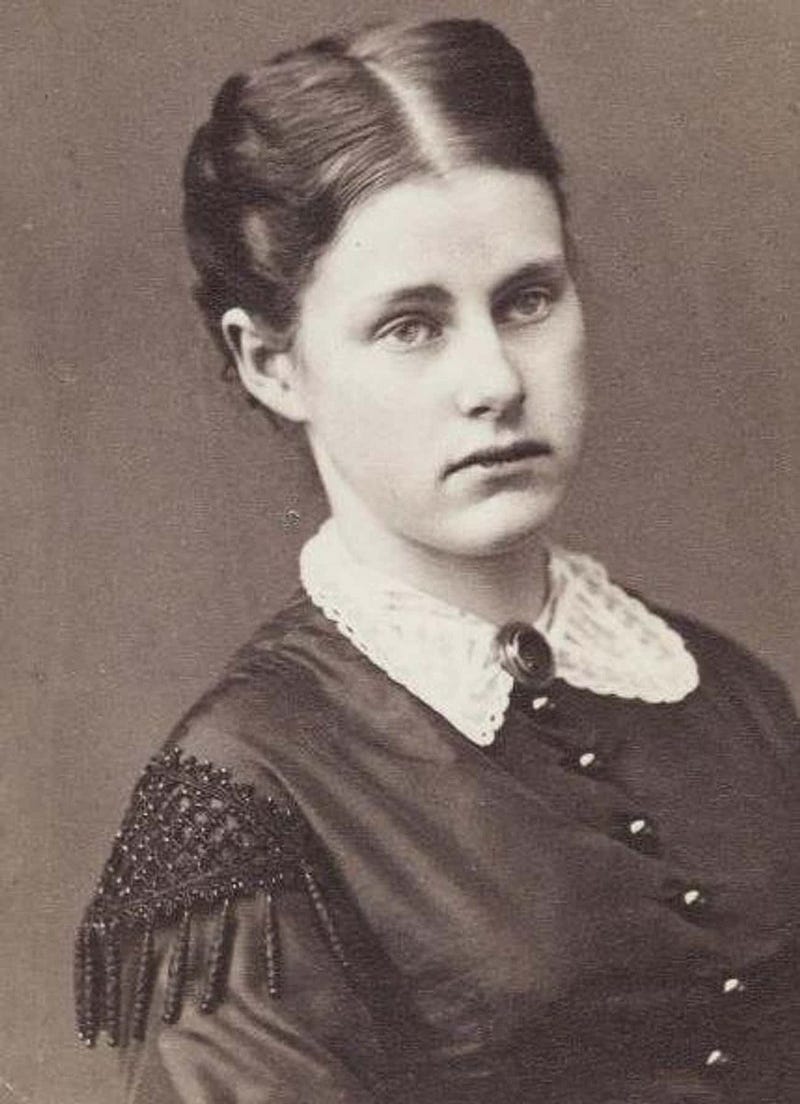
A tiny kitchen maid named Margaret Davey reached up to get the spoons on the mantle. She was just a girl, 14 years old. A small gust of air and a spark from the fireplace was all it took. She died in flames.
The Archduchess Mathilde of Austria was sneaking a cigarette when her father walked in. Quickly, she hid it behind her back and died in a ball of fire as her horrified father watched. She was 18.
Oscar Wilde’s half sisters Mary and Emily had gone to a Halloween party. At the end of the night, the host asked Mary for the honor of the final dance. She laughed merrily, a beautiful young socialite living her best life.
They whirled around the room, a happy ending to a lovely party. And then a swoosh of air as they danced past a candlestick and Mary was in flames. Her sister Emily screamed and ran to her and suddenly they were both on fire.
Men dragged them outside and rolled them in the dirt to put out the fires. One sister lived 21 agonizing days, the other only 9. They were 22 and 24.
“Guests screamed in wild terror as Emily dashed to her sister in an attempt to put out the fire. The attempt did not only prove futile, but also deadly, as Emily’s dress also caught on fire.” ~Atlas Obscura
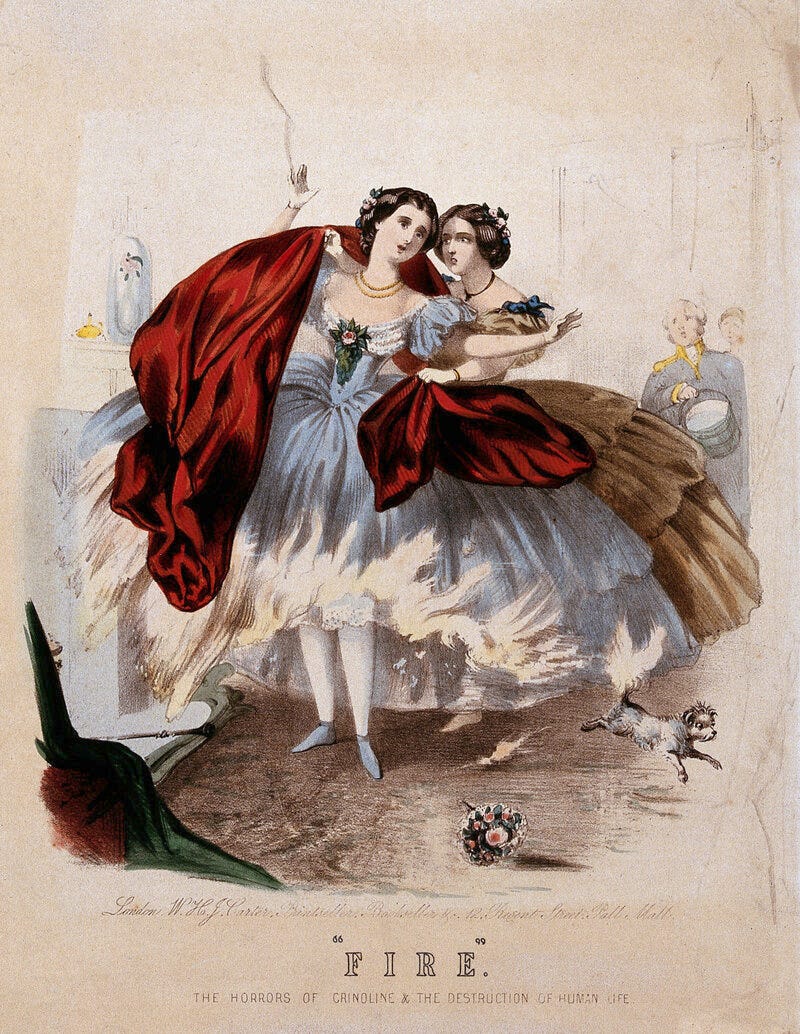
Over 2500 people died in a church fire in Santiago, Chile. A diaphanous veil, a candle and a gentle breeze. That’s all it took. Men and women were seated in separate sections. Most of the men got out, but the women’s dresses went up like tinder. Horrified onlookers said it was a giant ball of flames with women screaming in the midst of it while a few valiant men battled the flames.
“Dresses were so dangerously flammable that if they caught fire, it would spread in an instant, sometimes leading to groups of women dying at the same time”
For decades, dresses were beautiful death traps
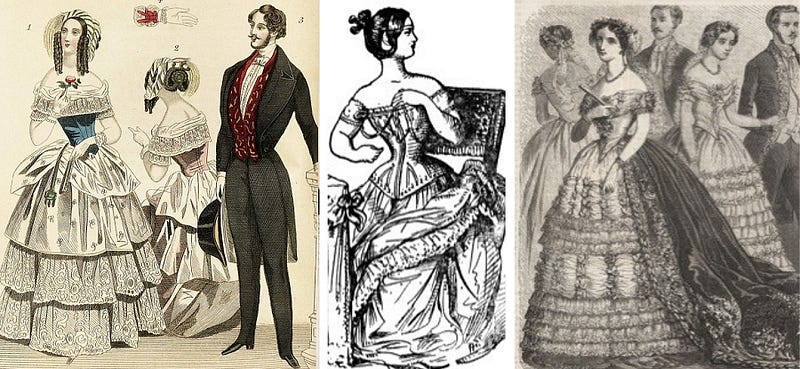
We all know what women looked like in the Victorian era. Scarlett O’Hara. Young Queen Victoria. Beautiful women swishing by in poufy gowns that made her waist and upper body look tiny and delicate.
It wasn’t just society ladies. Maids and cooks wore full skirts, too.
At first, women wore layers and layers of petticoats to achieve that look. Sometimes as many as six, seven or more. But all those petticoats were a tripping hazard. The got tangled up in a woman’s feet and legs.
Crinolines to the rescue!
When crinolines and hoops came along, women were delighted. Omg, they could move their feet. Their legs weren’t tangled up in petticoats. The style caught on instantly.
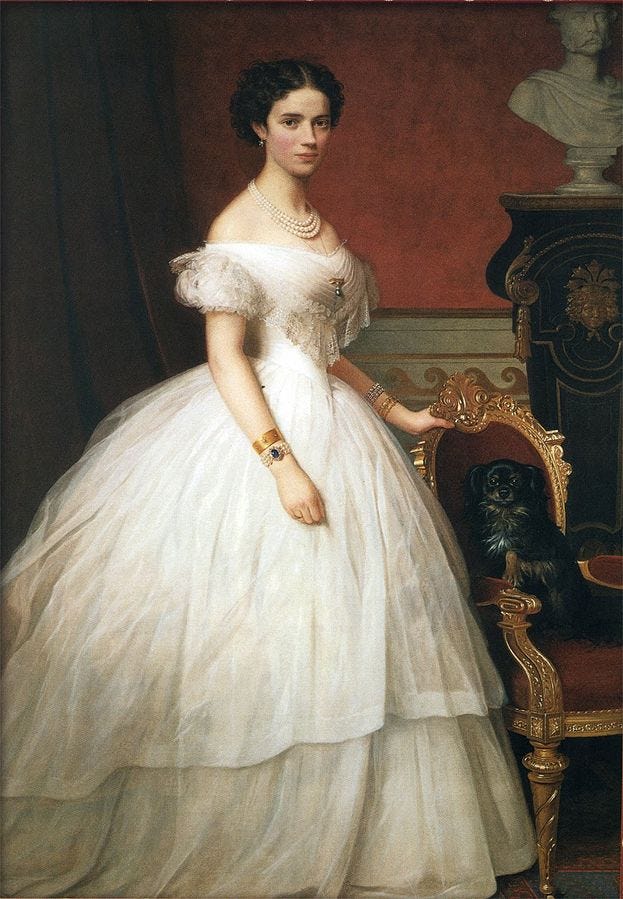
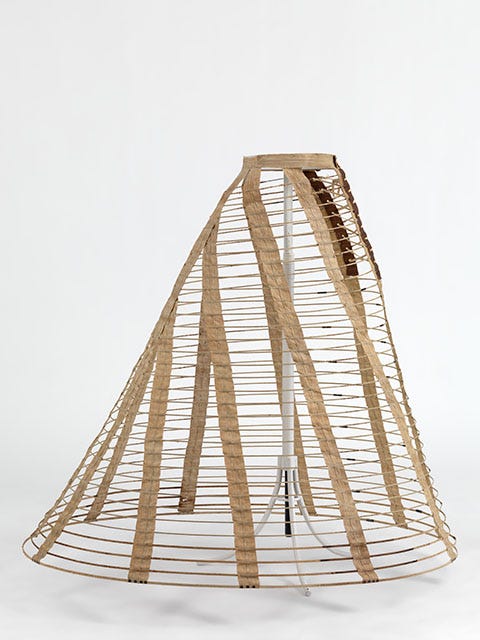
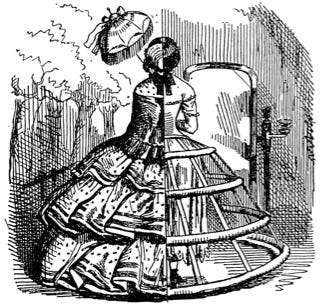
All those diaphanous fabrics that ballerinas loved became popular for dresses. Machines began mass-producing the delicate fabrics for the first time, which gave women of every social class access to them.
Dressmakers and clothing manufacturers began to create lovely gowns of tulle and gauze, silk and lace.
Think pretty gowns made of tutus and bridal veils.
Know what no one counted on? Air flow. Underneath those lovely lace and gauze confections was a giant pocket of air that fed the flame.
Even worse, it was almost impossible to remove the gowns once they caught fire. There were too many layers. Chemise, corset, crinoline or hoops, with the dress overtop all that. And the dress had dozens of tiny buttons or laces up the back because, there were no zippers.
The process of getting dressed in all those layers could not be reversed fast enough to save a life.
“If you imagine a sheet of newspaper and a hunk of wood, essentially, chemically, they are the same. But one will catch light way more quickly than the other. So if you have a very flimsy, flowing something that mixes well with air, it will burn quite readily” ~Martin Bide, professor of textiles
According to Martin Bide, professor of textiles at Rhode Island University, the dresses exploded into flames.
And when one lady caught fire, often others did, too.
“It’s not a build-up like, ‘Oh my gosh, you’re smoking, let me tamp that out.’ It’s like, ‘Ahh!’ Your friend beside you is a ball of fire, and now you’re a ball of fire, and boom boom boom boom boom, they’re all balls of fire,”
To make it worse? Cleaning fluid!
You don’t think women took those ephemeral dresses made of lace, gauze and tulle and just tossed them in the wash tub with the cotton undies and a hunk of lye soap, do you?
No. Of course not. They cleaned their pretty gowns with tender care, using cleaning fluid. The process was similar to dry cleaning today. They’d spray the gown and blot away the spots and stains of a party or even everyday life.
Know what the cleaning fluids were made of? Petroleum. Kerosene.
For decades, women died by the thousands. Horrifying deaths that weren’t caused by anything they did, really. A spark from the fireplace. A gust of air as a woman walked past a gas light or a candle.
It was nothing they did. It was their dresses, combined with candles, gaslight and crackling fireplaces in a world before electricity, that led to thousands of women dying in a ball of flames as loved ones watched, helpless.
A large skirt made of combustible materials and cleaned with kerosene was never a safe fashion choice in a world before electricity.
It was only when employers began prohibiting wide skirts in the workplace that fashion began to change. Women in sleek skirts didn’t burn to death. There was no fire risk in a slim chemise.
Slowly, dresses got slimmer. Hoops and crinolines disappeared and despite that many lamented the loss of “femininity” in women’s garments, fewer lives were lost in the name of femininity and fashion.
Today, women still get burned for their fashion choices. Just not literally, and thank heavens for that.
“Women didn’t choose to live dangerously; it was just dangerous to live.” ~Anna Sudit
References:
— A History of Women Who Burned to Death in Flammable Dresses — This holocaust of ballet girls — Burning Ballerinas — Dreadful Accident to Miss Clara Webster — The Tragic Deaths of Oscar Wilde’s Half-Sisters — The Wife Of Poet Henry Wadsworth Longfellow — Womens’ Dresses Used To Be Flammable Deathtraps