
HISTORY
Victorian Child Killing Inventions
These popular products left parents childless

The Victorian era was an exciting time to be alive. The changes in life and society were dramatic. New inventions were sweeping the world and the industrial revolution brought these inventions into the homes of many. Products became affordable and available for much of society.
Unfortunately, many of these products proved fatal. Not just the obvious items like radium toothpaste. There were products that displayed a more subtle type of threat. Some that even to the people of today may appear quaint, but entirely safe. Until further inspection, and it becomes clear that so much of what these people owned was incredibly dangerous.
Children were in no way unaffected by these inventions and they were dealt their share of pain and misery from the untested products. The Victorian era had harrowing child mortality rates. In some parts of England, it was as high as 33%.
Lack of medical aid, child labour, and poor nutrition alone did not cause such high infant mortality rates. Toys, baby bottles, and even baby milk posed a serious risk to the children who used them.
The Baby Bottle
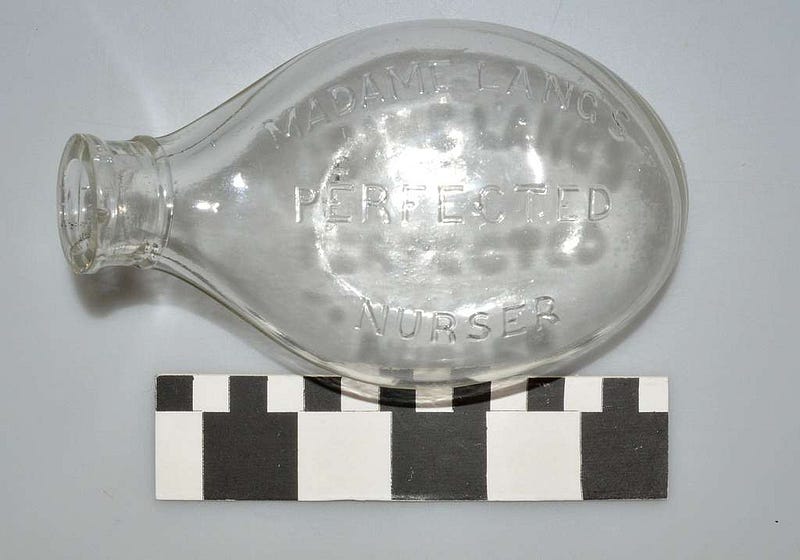
The mega star of the day, Mrs Beeton, had a big impact on the popularity of bottle feeding in the Victorian era. Her book dedicated two chapters to raising children and promoted, perhaps inadvertently, bottle feeding over breast. Many mothers choose to do the fashionable thing of the day and embraced bottle feeding.
Those who kept things traditional and breast fed their babies may have followed her questionable advice to ‘drink lots of beer’ whilst breast feeding.
Why were Baby Bottles so Dangerous?
Their design was the major issue. They were difficult to clean and often made of porous materials. This became a breeding ground for harmful bacteria, which thrived in the bottles. Many children became sick and the consequences could be deadly.
Mrs Beeton made the misguided claim that you need only wash these bottles once every two or three weeks, yuk!
These disgusting bottles ended up being suitably dubbed ‘Murder bottles’.
Why did People Use these Bottles if they were Dangerous?
There have been and will always be reasons women can’t breastfeed their children. It could be because of abscesses, mastitis, sickness, or because the mother could not produce the milk.
Mostly in the Victorian era, women chose to avoid breastfeeding because of societies’ perception. It became unfashionable to do it and everyone wanted to be seen as modern as possible.
Breastfeeding wasn’t compatible with the Victorian ideals of women, they were to be delicate and refined, milk production just didn’t align with this ideology.
This quote from Jane Ellen Panton sums up the attitude of the time well:
I myself know of no greater misery than nursing a child… Let no mother condemn herself to be a common or ordinary “cow” unless she has a real desire to nurse.
Homemade baby milk and formula
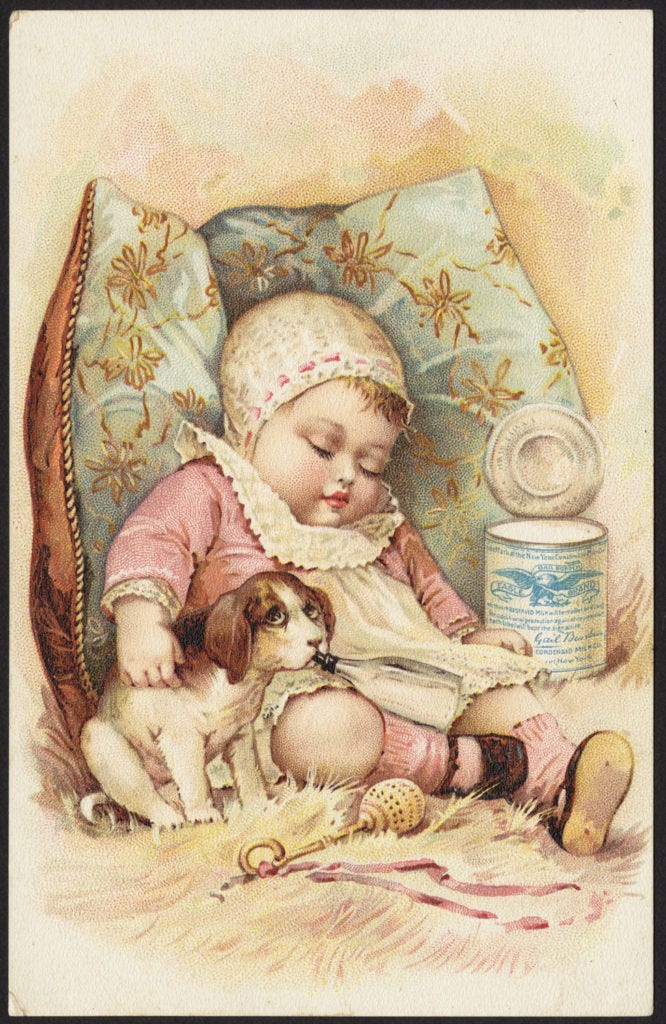
Although it was possible to purchase equipment to help mothers to express their own breast milk for the deadly bottles, it had become popular to use commercial baby milk products. Not only were these products completely lacking in all the essential nutrients required for a child to thrive, but they also included some life-threatening ingredients. Popular recipes were often flour-based, this left the babies malnourished. They also used condensed milk and unpasteurized cow’s milk.
It was also a common practice of the day to add boracic acid to milk. They added it in an effort to prevent the milk from going sour (before they had adequate refrigeration). Mrs Beeton commented on the use of it in her book, stating the substance was “quite a harmless addition.” Wrong again Mrs Beeton!
Although it could remove the sour taste from the milk, it did not kill any of the bacteria. In fact, boracic was toxic in its own right. It caused nausea, diarrhea, stomach cramps, skin rash, boils, and skin loss.
Regrettably, the combination of dirty bottles, lack of nutrients, and harmful substances meant it was common for ‘hand-fed’ babies to die.
Lead Painted Toys
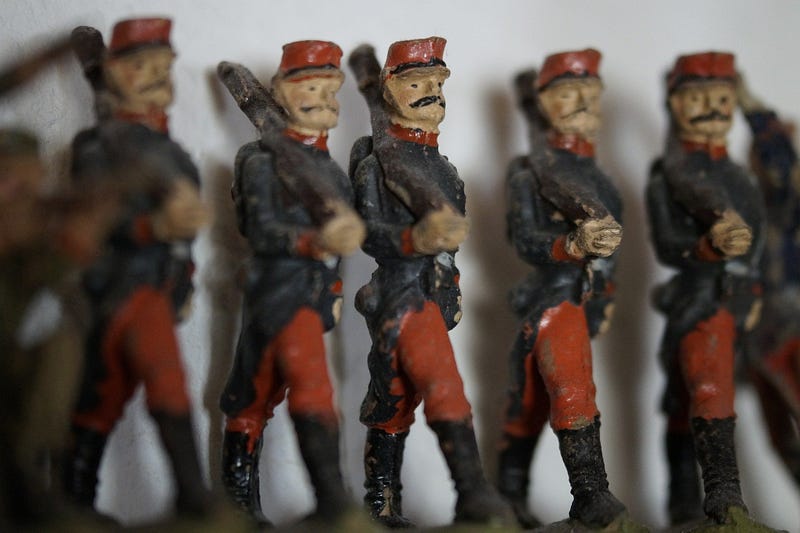
Despite being aware of the grave dangers of lead since the Roman era, the Victorians had overlooked the dangers of using it to paint with, including children’s toys.
This was especially dangerous for children because of their tendency to put things in their mouths and for the paint to flake off. Unlike other poisonous substances, lead does not have a nasty flavour, the child would be completely unaware of the dangers and continue to chew on the toy.
Why Use Lead Paint if they Knew it was Toxic?
Lead to this day remains the best preserver of wood available. Victorians did not fully understand the risks of using it and believed that it would not transfer from the toy to the child. Although, after a while, it became clear that lead-based paint was toxic and much of Europe had banned its use entirely. Except for Britain, they had delayed legislating against it until the 1970s.
Until this day, lead remains lurking in antique wooden items like Victorian cupboards and doors. Traces of it can even be found in the walls of Victorian homes in the U.K today.
What Symptoms did the Poisoned Children Develop?
Lead poisoning is difficult to identify without modern testing equipment. The symptoms can be varied. It is common for children to develop behavioural problems when exposed to lead.
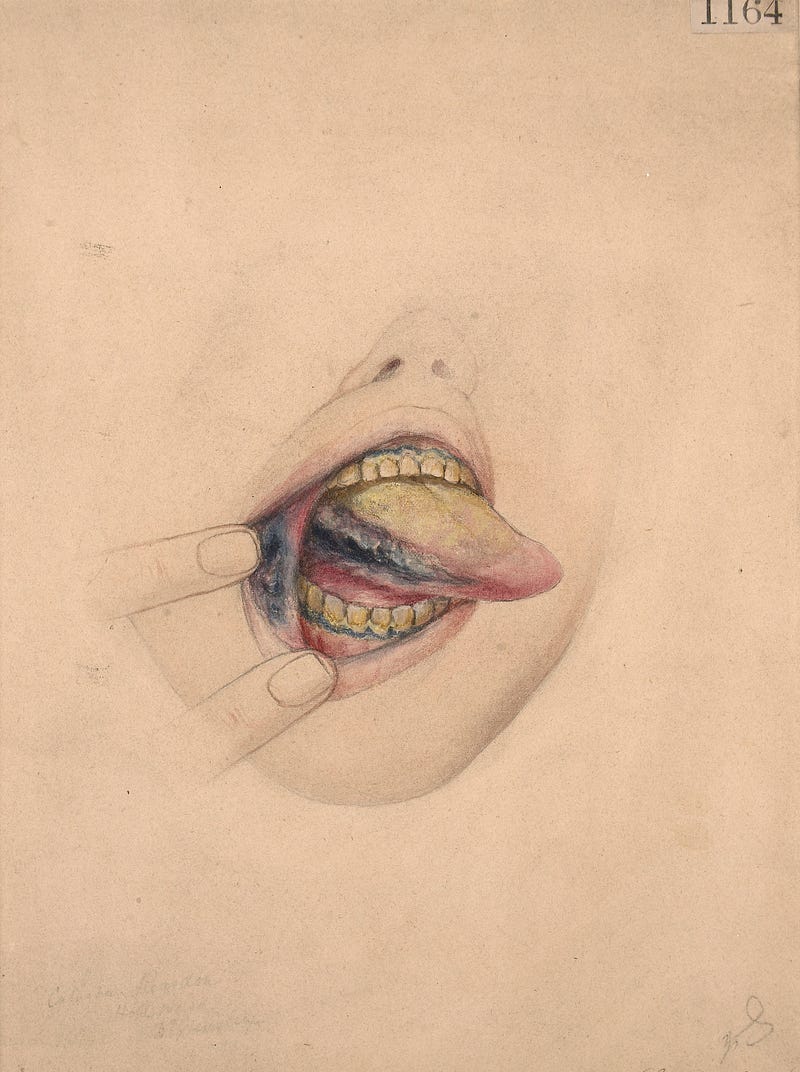
The image above is a drawing of a symptom known as Burton’s lines. Dr Henry Burton discovered this in the 1840s and is a common characteristic of a lead-poisoned person. They would develop black, blue, or greyish discolouration in the mouth and gums, often at the site where the teeth erupt from, but also on the sides of the tongue. Symptoms such as this are indicative of a person who is experiencing the later stages of lead poisoning. Which eventually can cause comas, seizures, and death. Once Burton’s lines were detected, it was often too late to remedy the person, and they were doomed to die.
Final thoughts
The life of a Victorian child was filled with risk. Fortunately, the tide began to turn, and they implemented legislation alongside a general shift in the attitudes of society. Which collectively all led to better standards of living for children and adults.


