
Venezuela’s Aggressive Annexation of Essequibo: The Future Latin American Front
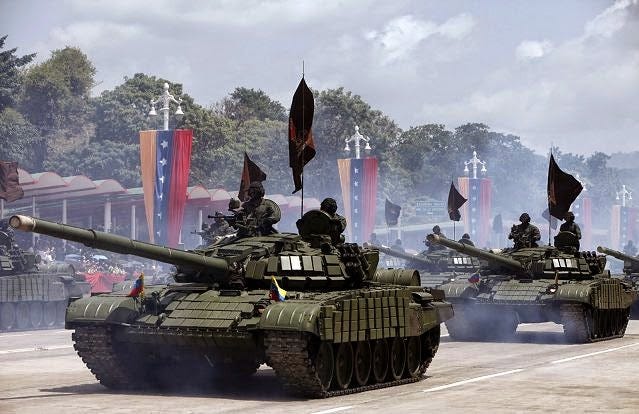
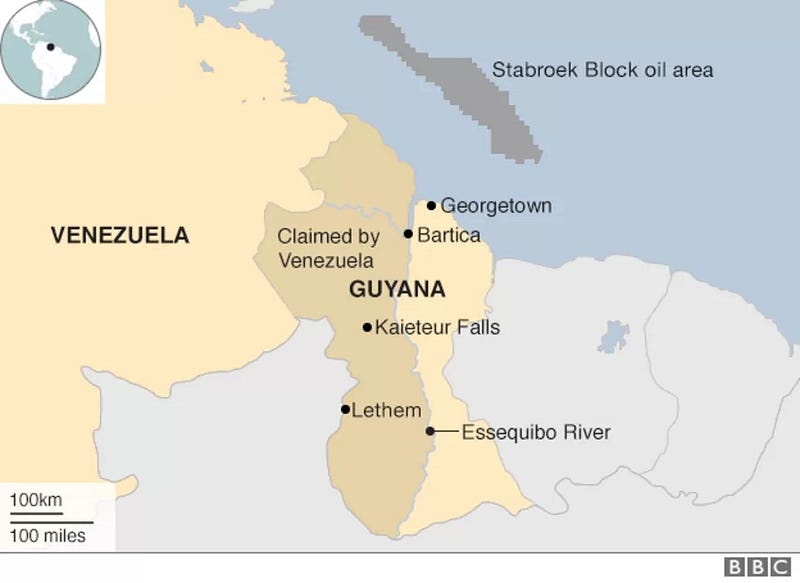
In a bold and controversial move, Venezuelan President Nicolas Maduro has announced the unilateral annexation of the Essequibo region, a vast territory comprising about 70% of neighboring Guyana. This aggressive stance, fueled by a recent referendum where 95% of Venezuelan voters supported the claim, has plunged the region into a state of heightened tension and uncertainty.
The Essequibo dispute traces its roots back to the era of European colonization, with a complex history involving Spanish, Dutch, and British control. The British incorporation of Essequibo into their empire in 1814, following a treaty with the Netherlands, left a legacy of contested borders. Venezuela’s claim to the territory is rooted in its historical assertion that the border should follow the Essequibo River, a stance that clashes with the British-defined boundaries.
The discovery of gold in Essequibo in the 19th century intensified the dispute, leading to an arbitration in Paris in 1899 that favored British claims. However, allegations of a British-Russian conspiracy during the arbitration have fueled Venezuelan skepticism and rejection of the outcome. This historical backdrop sets the stage for the current crisis, where Venezuela, under Maduro’s leadership, is asserting its claim more aggressively than ever.
Maduro’s recent actions are not just about territorial expansion; they reflect a deeper political strategy. Internally, Venezuela has been stabilizing since 2021, with opposition leader Juan Guaido losing influence. The annexation agenda could serve as a nationalist rallying point ahead of the 2024 presidential elections, potentially uniting the country and distracting from domestic challenges. Externally, the move might be a strategic play in the regional and global geopolitical game, potentially drawing in major powers like the United States, Russia, and neighboring Brazil.
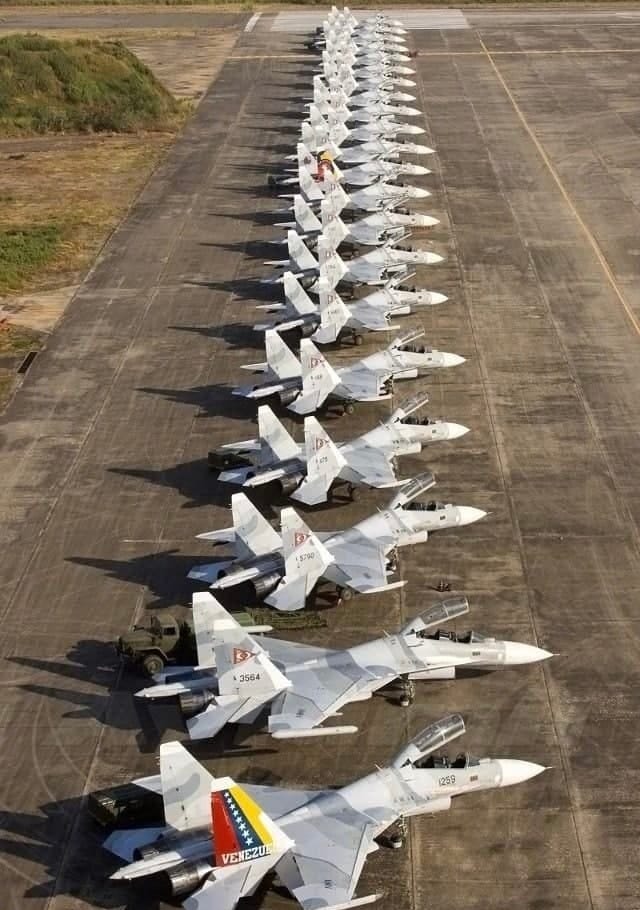
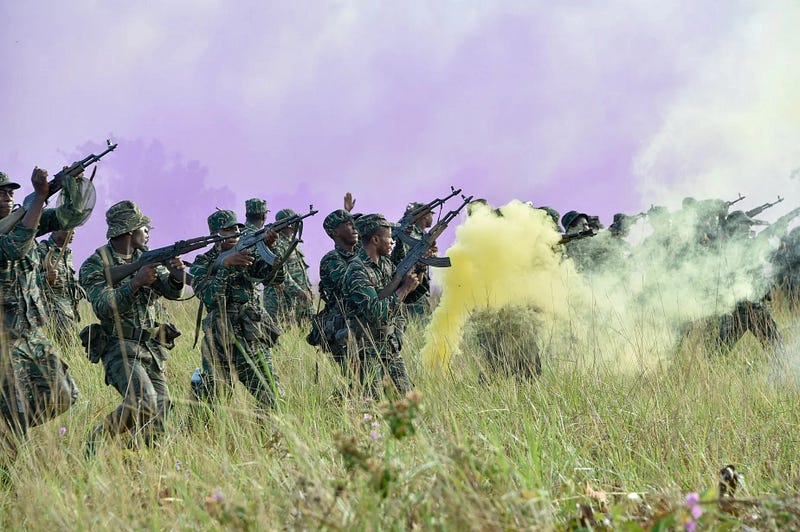
The Venezuelan military, while not a regional powerhouse, possesses enough capability to pose a serious threat to Guyana, which lacks significant defense resources. Venezuela’s arsenal includes Russian-made air defense systems, artillery, tanks, and a limited but capable air force and navy. In contrast, Guyana’s defense forces are modest, relying on outdated technology and lacking critical military infrastructure like air and naval capabilities.
The strategic importance of Essequibo goes beyond its size. It’s rich in natural resources, particularly oil, which has attracted significant international investment, notably from American companies. The region’s economic potential makes it a valuable prize, one that Venezuela eyes covetously as it seeks to bolster its economy amidst ongoing crises.
Maduro’s territorial ambitions in Essequibo are not just about land and resources. They’re a chess move in a complex game of regional power dynamics and global geopolitics. The Essequibo region, with its vast natural resources, including lucrative oil fields, has become a focal point for international interests, particularly as Guyana’s economy is booming thanks to these resources. The U.S., with significant investments in Guyana’s oil sector, is a key player in this scenario, potentially influencing the course of events.
However, the geopolitical implications extend beyond the Americas. Russia, a longstanding ally of Venezuela, could be leveraging the situation to distract international attention from other global hotspots like Ukraine. Maduro owes a debt of gratitude to Putin for Russian support during Venezuela’s political turmoil, and the Essequibo conflict could serve Russian interests by creating another global flashpoint.
The situation is further complicated by recent shifts in Latin American politics. The so-called “second pink tide” has seen a resurgence of left-wing governments across the region, changing the geopolitical landscape. Brazil, under President Lula, has emerged as a key player. Lula’s support for Maduro, coupled with Brazil’s strategic position as a gateway to the Essequibo, makes Brazilian policy crucial in determining the outcome of this crisis.
On the military front, Venezuela’s armed forces, though suffering from equipment and training deficiencies, still pose a significant threat to Guyana. The terrain of the Essequibo, largely Amazonian jungle, presents formidable challenges for military operations, potentially favoring the defender. However, Venezuela’s military, with its superior numbers and equipment, could potentially overcome these obstacles in a conflict scenario.
The key question is how external powers like the U.S. and Brazil would respond to a Venezuelan military action. The U.S. has expressed support for Guyana’s sovereignty, but it’s unclear how far they would go in defending Guyana against a Venezuelan incursion. Brazil, meanwhile, seems to be advocating for a peaceful resolution, but its actions in the event of a conflict remain unpredictable.
For Guyana, a small nation with limited military capabilities, the threat is existential. The country’s recent economic boom, driven by oil discoveries, has transformed its strategic importance. The U.S., with vested interests in these oil fields, could play a pivotal role in the unfolding situation. Despite being part of the Commonwealth, Guyana’s ties with the U.K. are historical, while its current economic and strategic alignment leans more towards the U.S.
Brazil’s role is equally crucial. As South America’s largest and most powerful nation, its stance could significantly influence the outcome. While Brazil under Lula seems inclined to support Maduro, its commitment to regional stability and peace might restrain it from backing any aggressive military action by Venezuela. Brazil’s reluctance to allow its territory to be used as a staging ground for a Venezuelan invasion is indicative of its cautious approach.
The international community’s response, especially from the U.S., will be key in deterring or shaping Venezuela’s actions. The U.S. has the military might to influence the situation decisively, but its engagement will depend on balancing its strategic interests in Guyana against the broader context of global politics and its commitments in other regions.
In this high-stakes game, the military aspect cannot be overlooked. Venezuela’s military, despite its limitations, has enough strength to challenge Guyana. However, the challenging terrain of the Amazon jungle, coupled with logistical and operational hurdles, could complicate any military campaign. Moreover, Guyana’s small population and concentrated urban areas present both a vulnerability and a simplification in its defense strategy.
This situation is a vivid illustration of the complex interplay between regional aspirations and international geopolitics. Maduro’s aggressive posturing in Venezuela, ostensibly for territorial expansion, is intricately linked to his domestic political strategy and the broader geopolitical chessboard involving major world powers.
Internally, Maduro’s move can be seen as an attempt to consolidate national unity and distract from Venezuela’s economic and political woes. Externally, it’s a maneuver that potentially serves multiple strategic objectives. By reigniting the Essequibo dispute, Maduro not only challenges Guyana but also tests the responses of regional powers and the international community.
The role of Brazil, under President Lula, is particularly significant. Lula’s historical alignment with leftist ideologies and his past support for Maduro suggest a potential softening of Brazil’s stance towards Venezuela’s actions. However, Brazil’s position as a regional leader and its commitment to stability may temper its response, preventing it from overtly supporting any aggressive military action by Venezuela.
The U.S. finds itself in a delicate situation. While its economic interests in Guyana, particularly in the burgeoning oil sector, necessitate a degree of involvement, the U.S. must also weigh this against its global strategic priorities and the potential ramifications of a direct confrontation with Venezuela. Moreover, with Russia possibly using this conflict to divert attention from other global hotspots, the U.S. must tread carefully to avoid overextension or unintended escalation.
If you found this analysis insightful, consider showing your support through claps and comments. Your engagement helps in keeping these discussions alive and relevant.


