
Utopia**
A poem
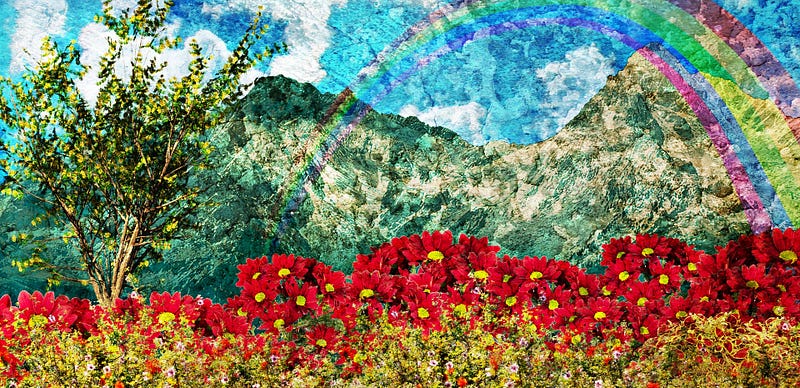
In a world where no one goes to war. Borders are open for trade and movement. Healthcare is free for all. Extensive expertise is required in customer service jobs.
Politicians are the most vulnerable section of the population. Governments are run through multi-party coalitions. Everyone is represented in the civic institutions equally from all denominations. Law enforcement agencies work to check environmental pollution and infractions.
Bankers and investors are in the lowest-paid sector. Courts and lawyers are paid a minimum living wage. Both parents get two years of parental leave. Working hours are six hours, five days a week.
Education is free and accessible online. Primary school teachers have the highest salaries. The service sector is ninety percent automated. Wealth is assessed on the scale of happiness, health, and helpfulness.
© Fatima Imam
**The title is inspired by Sir Thomas More, most famous work, titled Utopia (1516).**
It compared social and economic conditions in Europe with those of an ideal society on an imaginary island located off the coast of the Americas. More wanted to imply that the perfect conditions on his fictional island could never really exist, so he called it Utopia, a name he created by combining the Greek words ou (meaning “no, not”) and topos (meaning “place,” a root used in our word topography). The earliest generic use of utopia was for an imaginary and indefinitely remote place. The current use of utopia, referring to an ideal place or society, was inspired by More’s description of Utopia’s perfection (https://www.merriam-webster.com/dictionary/utopia)