
Using the Power of your Mind to Heal your Body

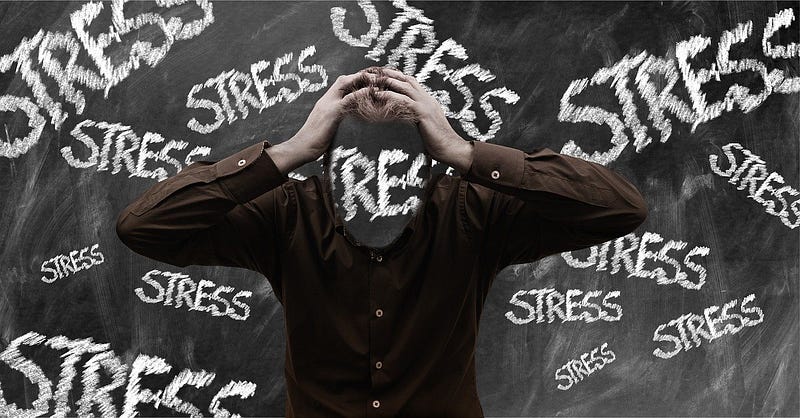
It’s an accepted fact today that stress can make us sick. Not only does it cause us a lot of emotional anguish, stress can actually cause physical disease in our body. In fact any negative emotion can do the same, be it anger, resentment or jealousy, if held for a long period of time.
So why is this? And what can we do about it? And if that’s really a given; then why can’t the opposite also be true? Why can’t we use our minds to heal ourselves? The good news is that we can!
The body and mind were once considered to be separate entities. It wasn’t until around thirty years ago that western medicine formally acknowledged that there was a definite correlation between the two, and that any emotion felt in the mind could also affect the body. Now it’s accepted that ‘dis-ease’ in the mind can cause disease in the body. Existing health conditions may also be exacerbated by stress, most commonly hypertension (high blood pressure) heart disease, anxiety, asthma, diabetes and insomnia.
Epidemiological research also shows that a negative mind-set can also cause serious diseases, such as cancer. Some doctors even hypothesise that a positive mind-set can reverse this disease.
The reason behind this is a simple one. Stress has been shown to depress our immune system which is our primary defence against pathogens, such as bacteria rogue cells and viruses. Because during times of stress, our bodies are in a constant state of ‘fight or flight’. We live in a state of hyper-arousal, constantly on alert for the next ‘emergency’, that may come our way.
Stress on its own is not a bad thing. For example, it may help us run faster if we’re being pursued by an attacker or a dangerous dog. Stress hormones such as cortisol and adrenaline are pumped into the blood stream which give us what seems to be super-human strength. When the dangerous situation has passed, the stress hormones leave the bloodstream and we go back to a relaxed state.
However when stress is ongoing, it’s known as chronic stress. It’s this type of stress we want to avoid. So let’s have a look at what actually causes chronic stress and then we’ll examine some ways that we can overcome it.
People typically become stressed when they feel they have no control over a situation. One of the main human needs is that of certainty. If we feel uncertain or threatened in any way, our stress levels remain on constant alert.
Lack of support from family and friends can also cause stress and even resentment. Having no social support is detrimental to our feeling of well-being. We are social beings and need to have our ‘tribe’ around us. This stems back from ancient times when being evicted from the tribe meant certain death. Even though civilization has changed dramatically, our brains have not evolved significantly through the centuries.
It’s interesting that one person may be stressed over a certain situation or event, while another may be quite calm in the face of exactly the same situation, and therein lies the clue. We may think we have little control over our situation, and that’s probably true, but what we DO have control over is how we react. We can choose how we respond to anything life throws at us.
So what can we do to lower our stress levels? The secret is to realize that we are not our minds; we are not our thoughts. We are the person that is thinking those thoughts.
As individuals, we know what triggers us. It may be being stuck in traffic, having our partner ignore us, or a nasty remark from another person. We can examine these triggers and our typical response to them, whether it’s anger, disappointment, or a feeling of rejection. But the reaction time seems so fast. How can we possibly change these reactions?
The good news is that we can. It will take time of course to learn a new behavior, but if we persevere, we can gradually anticipate our reactions and choose to change them in that small microcosm of time before we react. It would help to set up a new behaviour in advance. For example, how do we want to respond to being stuck in traffic? Do we really want to sit and stew about being late? Or could we use this time to reflect, to listen to music or a podcast, and to make sure our thoughts are calm?
But there will be times when all our good intentions will fly out of the window. When a situation seems so dire, that trying to remain calm seems almost impossible. What can we do to save our sanity when events like this happen?
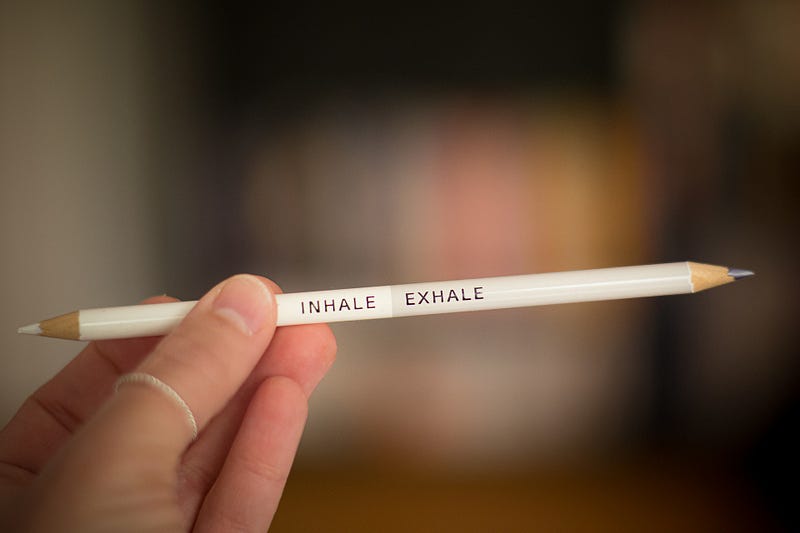
The best way to respond is to breathe. Take a deep breath and let it out slowly. Simply focus on our breathing and keep doing this until our heartbeat slows down and our mind calms.
Now that we know how to control our thoughts and behaviors, the door is open to healing our bodies. Meditation is a proven way to achieve this, but it can take time to master. Instead we can look for a guided healing meditation that can lower our brainwaves and gently talk us through a healing process. Another way is to constantly visualize ourselves as being healthy and vibrant. Imagine how it would feel without the constant headache, or back pain.
If we’re plagued by heart problems, we can imagine our heats beating strongly and steadily. Imagine the blood being pumped easily through our body through clean and healthy blood vessels. Our sub-conscious mind doesn’t know the difference between reality and imagination, and it will bring to pass everything we imagine, as long as we do it often enough and with a feeling of joy and purpose.
If we do this persistently every day, we will create new neural pathways in the brain, and our new and better thoughts will become habits and, in time, will become our new reality.
So it really comes down to a simple choice. How do we want to feel? Do we want to go through life being battered against the rocks of adversity, dealing with misery, disease and pain? Or do we want to take control of our minds and take back our power and our physical health?
The choice is ours, and we should choose wisely, because our lives may literally depend on it.


