
Use These Tricks To Add Tension to Your Midjourney Prompts
Tell a visual story in Midjourney
Tension in photography plays a crucial role in making your images more engaging, impactful, and memorable. It acts like a spice in a dish, adding a layer of complexity and flavor that draws the viewer in and keeps them interested.
Here’s four reasons use tension:
1. It challenges visual expectations: A balanced and harmonious composition can be pleasing, but it can also feel predictable. By introducing tension, you break away from the expected and pique the viewer’s curiosity. This could involve placing your subject off-center, using unusual framing, or incorporating contrasting elements within the scene.
2. It creates a sense of emotional resonance: Tension often evokes emotions like curiosity, anticipation, unease, or excitement. This emotional engagement makes the viewer connect with the image on a deeper level and remember it more vividly. Imagine a photo of a lone figure walking towards a dark alleyway compared to a picture-perfect landscape shot. Which one leaves a stronger impression?
3. It guides the viewer’s eye: Tension helps direct the viewer’s attention through the image. By creating points of interest and visual pathways, you encourage the viewer to explore the frame, discover hidden details, and engage with the entire composition. This active exploration makes the experience more rewarding.
4. It adds dynamism and energy: A static image without tension can feel flat and lifeless. By introducing elements that create visual tension, you inject energy and dynamism into the photo, making it feel more alive and captivating. For instance, a photo of a storm with windblown elements creates a sense of movement and drama compared to a calm, still landscape.
5. It makes your photos stand out: In a world saturated with images, it’s easy for your photos to get lost in the noise. Using tension strategically can set your work apart and grab the viewer’s attention even among countless other images. It demonstrates your understanding of composition and your ability to capture a moment in a unique and engaging way.
Prompts and Output
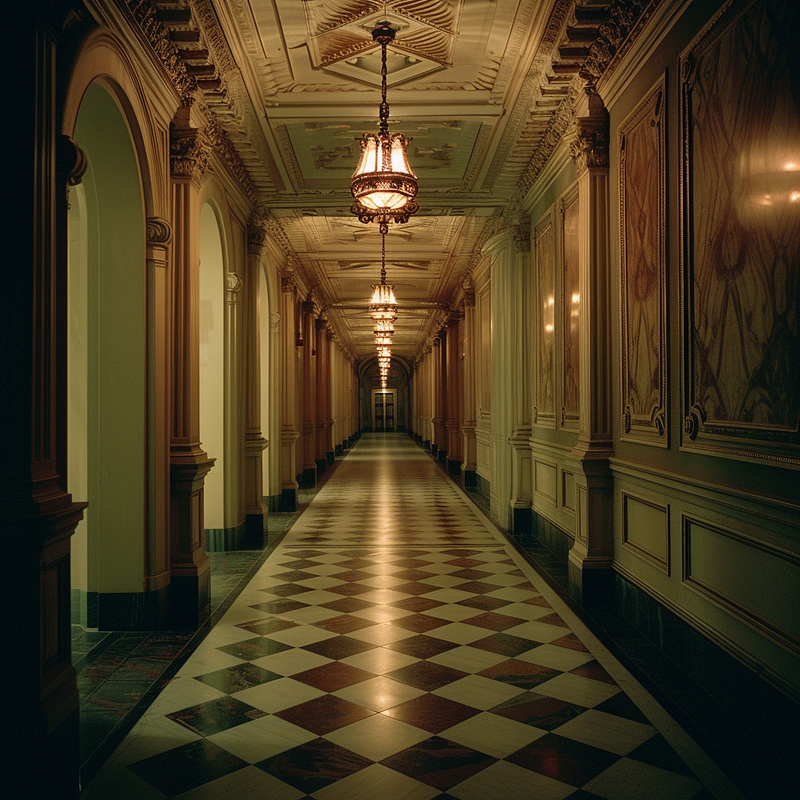
Dutch Angle, Stanley Kubrick’s Tension: Create a slightly unsettling atmosphere by using a Dutch angle to photograph an ornate corridor, emulating Stanley Kubrick’s use of canted angles to generate psychological tension and visual interest. — v 6
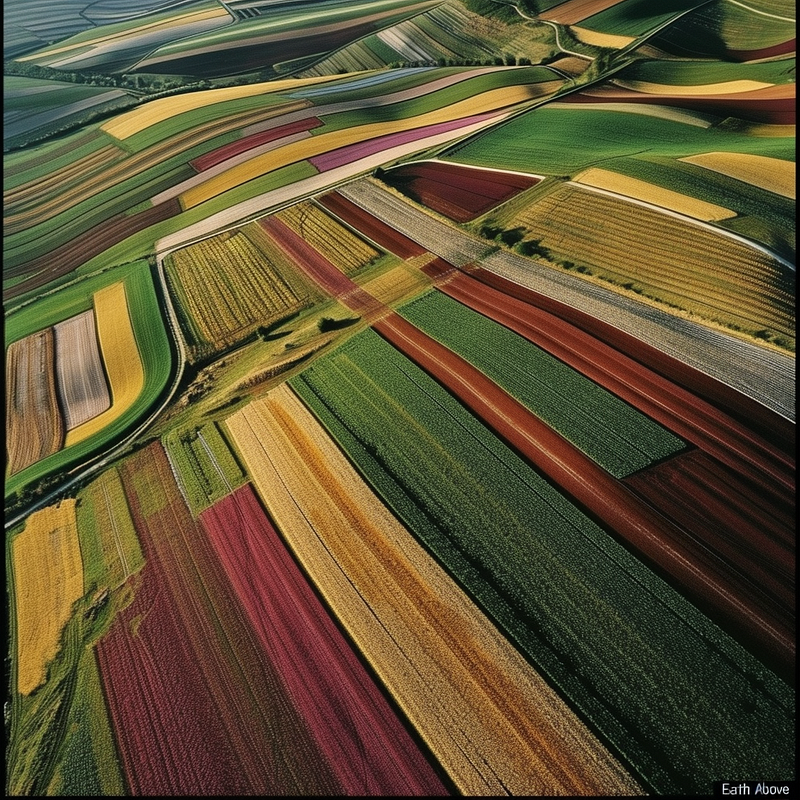
Bird’s Eye View, Yann Arthus-Bertrand’s Earth from Above: Take an aerial shot of a colorful agricultural field, inspired by Yann Arthus-Bertrand’s “Earth from Above” series, showcasing the beauty and patterns of the landscape as seen from the sky. — v 6
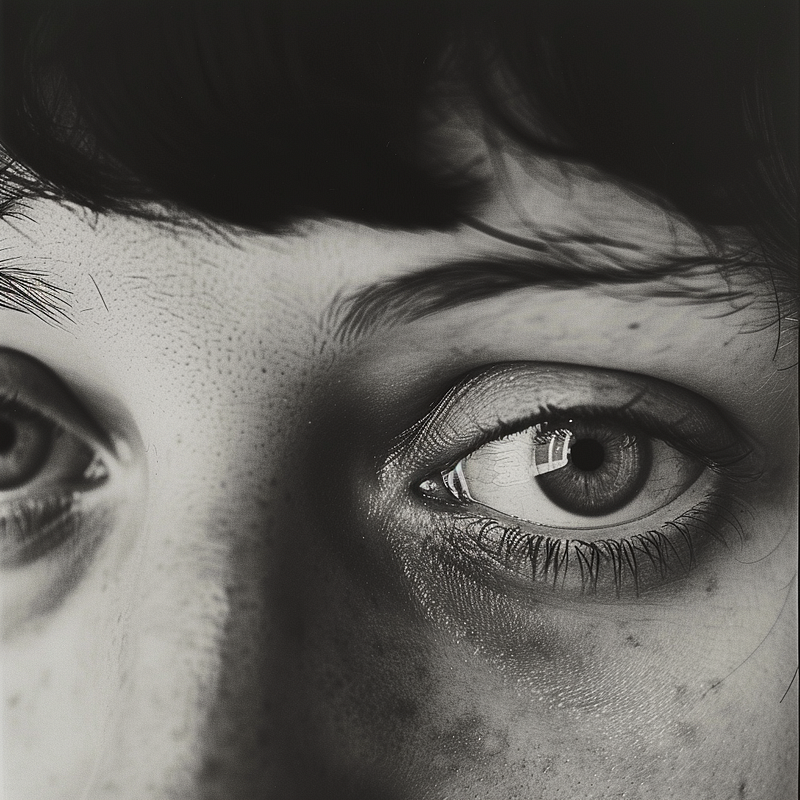
Close-Up, Diane Arbus’ Intimacy: Capture a close-up portrait of a person with unique facial features, focusing on the details that tell their story, much like Diane Arbus did with her intimate and revealing portraits of individuals on the fringes of society. — v 6
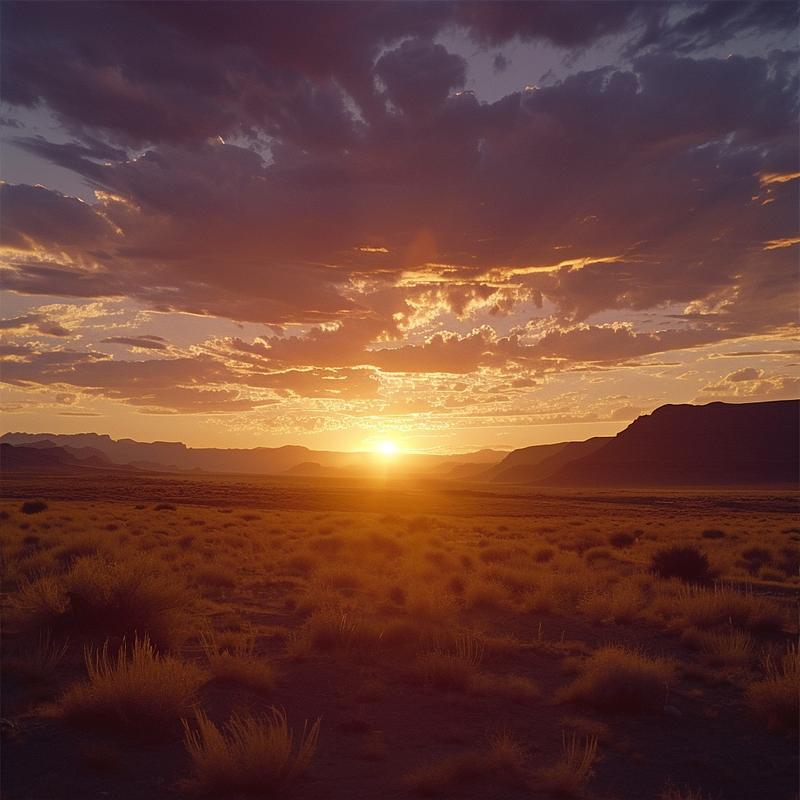
Wide Angle, Roger Deakins’ Expansive Scenes: Use a wide-angle lens to capture a vast desert scene at sunset, drawing inspiration from Roger Deakins’ ability to create expansive and beautifully composed shots that convey the scale and drama of his films’ settings. — v 6
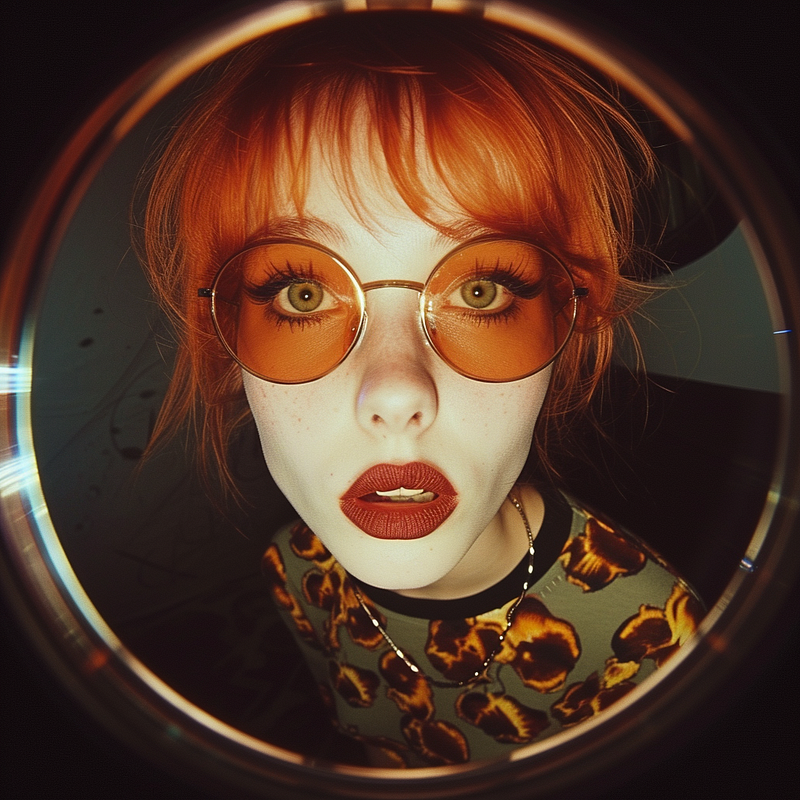
Fish-Eye, Terry Richardson’s Distortion: Utilize a fish-eye lens for a portrait, embracing the distortion to create an exaggerated, in-your-face effect similar to Terry Richardson’s iconic and provocative photographic style. — v 6
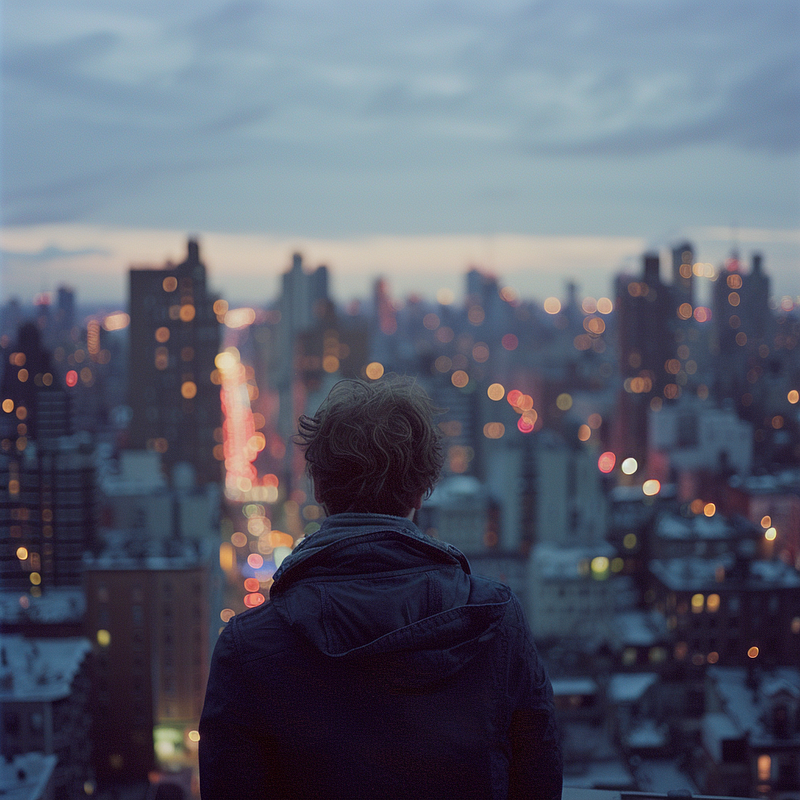
Over-the-Shoulder, Emmanuel Lubezki’s Immersion: Photograph a person looking out over a cityscape at dusk, using an over-the-shoulder shot to create a sense of immersion and perspective, reminiscent of Emmanuel Lubezki’s technique for making viewers feel part of the scene. — v 6
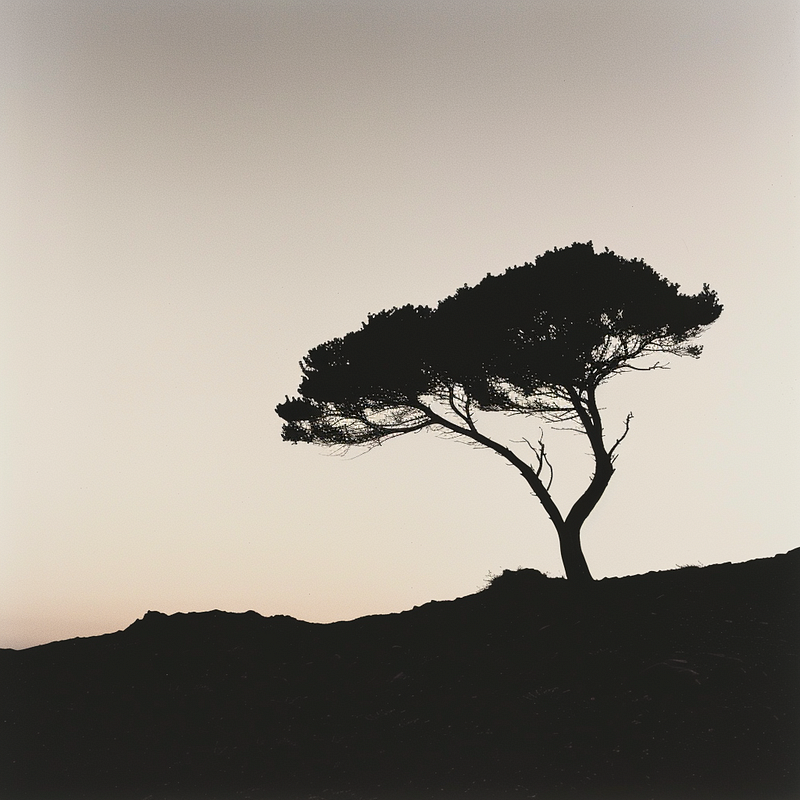
Silhouette, Hiroshi Sugimoto’s Minimalism: Capture a silhouette of a lone tree against a twilight sky, drawing on Hiroshi Sugimoto’s minimalist approach to focus on the form and essence of the subject, creating a serene and contemplative image. — v 6

Macro, Edward Burtynsky’s Detail in Destruction: Take a macro photograph of a small, discarded electronic part, illustrating the beauty and complexity within destruction, inspired by Edward Burtynsky’s photographic — v 6
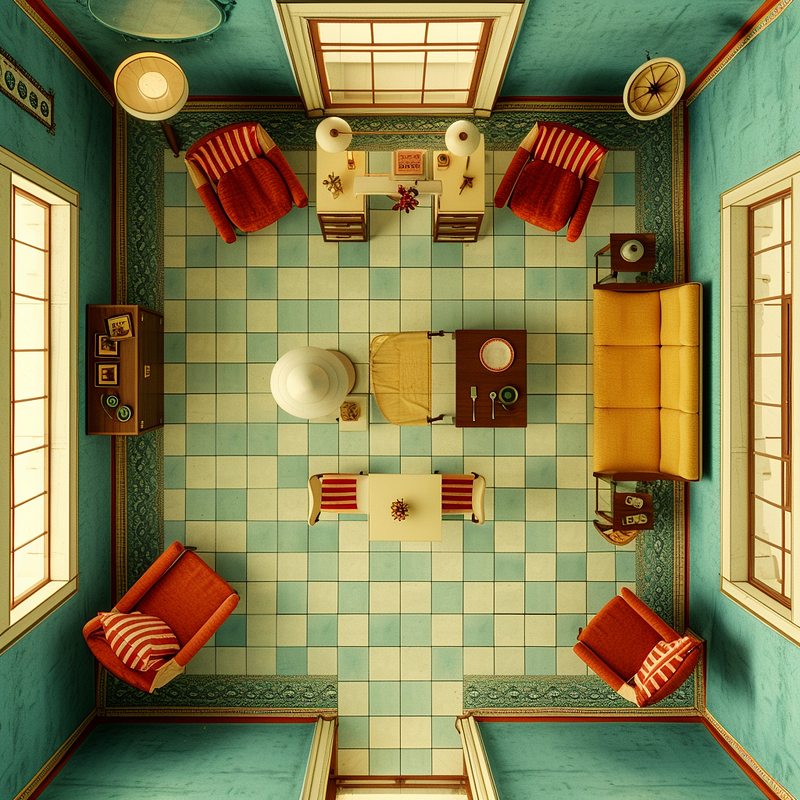
High Angle, Wes Anderson Symmetry: Frame an intricately detailed room from a high angle, ensuring perfect symmetry and a vibrant color palette reminiscent of Wes Anderson’s distinct aesthetic, capturing the whimsical and meticulous composition. — v 6
I hope you enjoy!