avatarKeegan Sentner

Free AI web copilot to create summaries, insights and extended knowledge, download it at here

2057

Abstract

promising pledge for a country that is by far the greatest funder of coal-powered projects in the world.</p><p id="f367">Yet, there appears to be a catch. Last year, China commissioned nearly <a href="https://globalenergymonitor.org/wp-content/uploads/2021/04/BoomAndBust_2021_final.pdf">38.4 GW</a> of coal-produced energy, a number that accounted for 76% of the entire world’s commissioned coal projects. This number, which was followed by India’s 2.0 GW of coal commissioned projects, was primarily due to coal projects within their own country. China also drove the increase in proposed coal capacity, <a href="https://globalenergymonitor.org/wp-content/uploads/2021/02/China-Dominates-2020-Coal-Development.pdf">projecting</a> 73.5 GW of initiated proposed coal plants, nearly five times that of the rest of the world combined.</p><p id="d6b7">These numbers, which are quite large considering the country has tried to project itself as an administration moving towards renewable energy. Recently, a <a href="http://www.nea.gov.cn/2021-01/29/c_139707466.htm">report</a> from China’s National Energy Administration criticized eastern Chinese provinces for allowing the construction of new coal and energy products that directly combated their air pollution policies.</p><p id="c7d5">China is the “coal juggernaut” of the world and for a full international transition away from coal-powered energy, the Chinese government will need to be involved. These next few years as China moves towards its <a href="https://racetozero.unfccc.int/chinas-net-zero-future/">goal</a> of reaching peak emissions by 2030, will be a glimpse of how serious Beijing is in terms of becoming net-zero. If they make good on this pledge, the future of energy may finally begin to see a turn of the tides towards a renewable future.</p><figure id="4410"><img src="https://cdn-images-1.readmedium.com/v2/resize:fit:800/0*dkHUGVQdoV66KKIN"><figcaption>Photo by <a href="https://unsplash.com/@matreding?utm_source=medium&amp;utm_medium=referral">Mathias P.R. Reding</a> on <a href="ht

Options

tps://unsplash.com?utm_source=medium&utm_medium=referral">Unsplash</a></figcaption></figure><h1 id="7312">America’s Return</h1><p id="d222">The Biden Administration, which has made climate action a center of its policy actions, also <a href="https://www.rev.com/blog/transcripts/joe-biden-un-general-assembly-speech-transcript-climate-agenda-covid-19-vaccines">committed to</a> doubling foreign aid for climate action, a move that must be approved by Congress. Many environmentalists have doubts about the terms, as this commitment would account for nearly 11.4 billion in foreign aid for developing nations. <a href="https://www.nytimes.com/2021/09/22/climate/unga-nyt-climate-newsletter.html">This number</a> could go a long way to preserving the promise of the 100 billion pledge made by the developed world for climate aid.</p><p id="b284">The United States, the largest emitter of greenhouse gases in history, is attempting to reinstate its place as a leader in the fight against climate change. President Biden, whose predecessor sought an agenda that withdrew the U.S from the international stage, made his first appearance in front of the U.N General Assembly.</p><p id="5737">There are concerns about the amount that was pledged by the United States with the waning amount of time available regarding the climate crisis. There are also strong concerns that Congress may fail to pass the pledge, especially with <a href="https://www.nytimes.com/2021/09/22/climate/unga-nyt-climate-newsletter.html">several Democrats teetering the line</a> on retiring coal production.</p><p id="b745">Both pledges made by the two world superpowers are signals for the upcoming <a href="https://unclimatesummit.org">UN Climate Summit</a> in Scotland in November. These goals set by China and the U.S. could have implications on the pledges made during the annual climate meeting. Hopefully, the pledges made by our leaders on the world’s stage go beyond political tactics and hollow promises. We need action and fast. Our planet cannot wait.</p></article></body>

US and China Trade Ambitious Climate Change Pledges
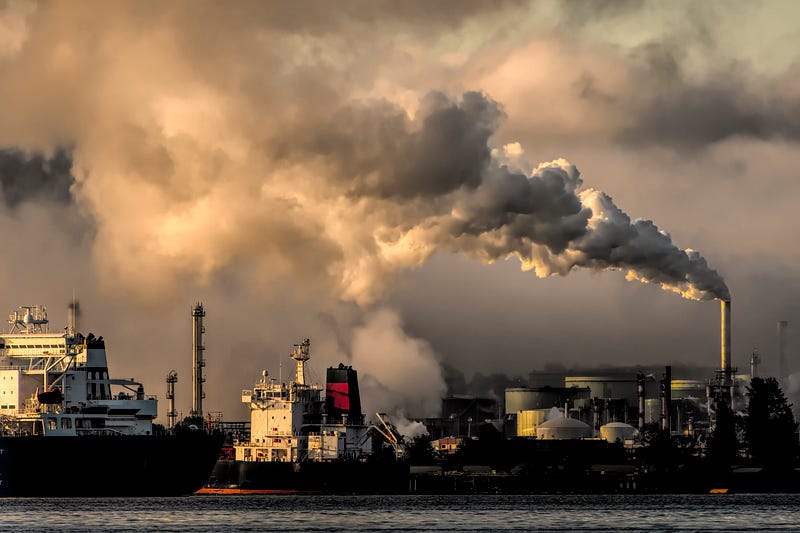
Photo by Chris LeBoutillier on Unsplash

China’s Big Pledge

President Xi made a bold statement during Tuesday’s talks at the United Nations Assembly to stop all production of coal-fired power plants abroad. The pledge came on the heels of President Biden’s announcement to double the United States foreign climate aid to countries considered developing nations. Both pledges, although look good on paper, may just be hollow claims by the planet’s two polluting superpowers.

On Tuesday morning at the United Nations General Assembly, President Xi Jinping announced China’s commitment to battling the ongoing COVID-19 and climate crisis. In his speech, China promised that it “would not build new coal-powered projects abroad”. This commitment was also included with a reiteration of China’s goal to become carbon net-zero by 2060, a broad pledge Beijing made last fall that was met with praise by climate activists worldwide.

Yet, what does this mean? A pledge that on paper seems to be a significant moment in the future of coal-powered energy production, but, might just be an acknowledgment of China’s long-term energy plans. China currently commands coal-fired plants in dozens of countries outside of its domestic borders, primarily within Southeast Asia. This pledge would mean these coal-fired power plants would be the last of China’s production outside of the country. This new goal could be a promising pledge for a country that is by far the greatest funder of coal-powered projects in the world.

Yet, there appears to be a catch. Last year, China commissioned nearly 38.4 GW of coal-produced energy, a number that accounted for 76% of the entire world’s commissioned coal projects. This number, which was followed by India’s 2.0 GW of coal commissioned projects, was primarily due to coal projects within their own country. China also drove the increase in proposed coal capacity, projecting 73.5 GW of initiated proposed coal plants, nearly five times that of the rest of the world combined.

These numbers, which are quite large considering the country has tried to project itself as an administration moving towards renewable energy. Recently, a report from China’s National Energy Administration criticized eastern Chinese provinces for allowing the construction of new coal and energy products that directly combated their air pollution policies.

China is the “coal juggernaut” of the world and for a full international transition away from coal-powered energy, the Chinese government will need to be involved. These next few years as China moves towards its goal of reaching peak emissions by 2030, will be a glimpse of how serious Beijing is in terms of becoming net-zero. If they make good on this pledge, the future of energy may finally begin to see a turn of the tides towards a renewable future.
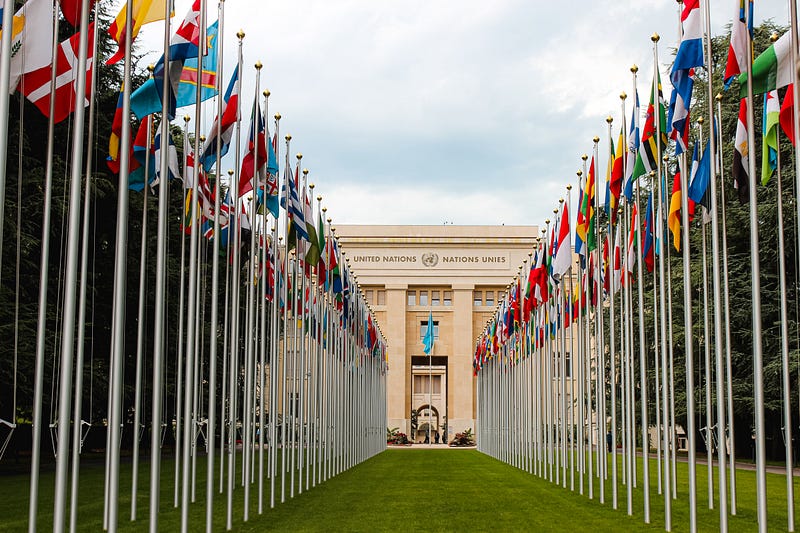
Photo by Mathias P.R. Reding on Unsplash

America’s Return

The Biden Administration, which has made climate action a center of its policy actions, also committed to doubling foreign aid for climate action, a move that must be approved by Congress. Many environmentalists have doubts about the terms, as this commitment would account for nearly $11.4 billion in foreign aid for developing nations. This number could go a long way to preserving the promise of the $100 billion pledge made by the developed world for climate aid.

The United States, the largest emitter of greenhouse gases in history, is attempting to reinstate its place as a leader in the fight against climate change. President Biden, whose predecessor sought an agenda that withdrew the U.S from the international stage, made his first appearance in front of the U.N General Assembly.

There are concerns about the amount that was pledged by the United States with the waning amount of time available regarding the climate crisis. There are also strong concerns that Congress may fail to pass the pledge, especially with several Democrats teetering the line on retiring coal production.

Both pledges made by the two world superpowers are signals for the upcoming UN Climate Summit in Scotland in November. These goals set by China and the U.S. could have implications on the pledges made during the annual climate meeting. Hopefully, the pledges made by our leaders on the world’s stage go beyond political tactics and hollow promises. We need action and fast. Our planet cannot wait.

Climate Change
News
United Nations
Energy
Politics
Recommended from ReadMedium