avatarJohn Pemberton

Free AI web copilot to create summaries, insights and extended knowledge, download it at here

3032

Abstract

awned on me. Not only was I feeling claustrophobic while looking into the viewfinder, but I felt confined by the environment. The city walls were closing in on me. It was the structure of the city itself that was mocking me. Not all cities are the same.</p><figure id="7e5a"><img src="https://cdn-images-1.readmedium.com/v2/resize:fit:800/1*OLHS8vvqCMFZU8W6YqYxyg.jpeg"><figcaption>Pittsburgh, 50mm. Caverns of a city closing in on me. Photo: John Pemberton</figcaption></figure><p id="5f5a">At home in Indianapolis, I never feel this way, there’s always room. Look at a satellite image of the mile square from above and it makes sense. Each street marked on the original Ralston plan (inspired by L’Enfant’s plan for DC) finds room for four traffic lanes, two parking lanes and each sidewalk opens up for another lane and a half of space. The equivalent of 9 city lanes running between the architecture. The city was planned as the capital of a state and was given the room to command such grandeur.</p><figure id="adde"><img src="https://cdn-images-1.readmedium.com/v2/resize:fit:800/1*cTS-SbWZNbrwqBtyDMh8DA.jpeg"><figcaption>Indianapolis, Monument Circle. The grand squares of even a state capital are a good fit for the 50mm. Photo: John Pemberton</figcaption></figure><p id="c1b7">Capital aesthetics aside, other cities where I frequently shoot feel the same way. Ft Wayne, Dayton, Toledo and Louisville all share the same spacious feel. Flat geography and more recent development or redevelopments play a role here. Pittsburgh or Cincinnati, that’s a different story. As river towns with urban mass dating back to the 1800’s, those places were places before other places were places, if you know what I mean. These cities have bumpy rolling geography and never had capital aspirations, only commercial. The land needed to pay. The urban geography is much more confined and compact here.</p><figure id="ee23"><img src="https://cdn-images-1.readmedium.com/v2/resize:fit:800/1*EysIaiirAJn06nz039jCpw.jpeg"><figcaption>Pittsburgh, 50mm. I got the shot, standing in the street between two parked cars. Photo: John Pemberton</figcaption></figure><p id="b1a5">On that day in Pittsburgh, I needed a 28mm lens. Yesterday in Cincinnati, a 40mm would have been nice.</p><p id="b6d2">I finally understood why the conventional wisdom might well be what it is. It was created for ancient European cities with medieval roots or for eastern US cities, that “became” when water was the primary means for transportation.</p><p id="285a">Am I selling my 50’s? No. They are suited and vital for where I spend most of my time conducting urban photography. Using a 28 on home turf would find me standing in traffic, making people nervous or cropping on the back end far more than I do now. That is not acceptable.</p><p id="646b">And NO — zoom lenses in an urban setting are for tourists!</p><p id="4be0">But I need to have some other options on the shelf for other places I love to visit and document. When I travel someplace new, I need to pull u

Options

p google maps, count lanes, size up sidewalks, evaluate the frequency of open parking lots and architectural plazas … Then pack my bag.</p><figure id="b688"><img src="https://cdn-images-1.readmedium.com/v2/resize:fit:800/1*mgrZ98CXClRUEYhp3iWtgA.jpeg"><figcaption>Indianapolis. Open, urban squares are ideal ground for the 50mm. Photo: John Pemberton</figcaption></figure><p id="2cb0">This November when I visit New York again I will need to determine how much time I hope to spend on the avenues compared to how much time on the streets. On my last trip, I was avenue bound. Midtown and Uptown worked, downtown was a struggle. I had to break out my 24 to 80 zoom to survive. Sadly on that day I was a tourist.</p><figure id="69f1"><img src="https://cdn-images-1.readmedium.com/v2/resize:fit:800/1*rYNVunPAGTmeQmpgttAJaQ.jpeg"><figcaption>Greenwich Village, NYC. Nothing other than a 24mm was going to work here. Photo: John Pemberton</figcaption></figure><p id="c3c0">My friend and fellow <a href="https://medium.com/live-view">Live View</a> writer, <a href="https://medium.com/@jamespkuzman">Jim Kuzman</a> has a couple of great articles, well worth the read, about <a href="https://readmedium.com/the-allure-of-the-fixed-lens-camera-c417b34acb39">some of the dedicated cameras</a> mentioned above and <a href="https://readmedium.com/seeing-things-in-a-different-way-with-wide-angle-lenses-ffac072350d">selecting a wide-angle lens for artistic and compositional reasons</a>.</p><p id="f440">But sometimes, focal length is not always a choice YOU make. It’s what your environment’s geography demands of you. But that is a more complicated rule that requires situational judgment. It moves beyond simple rules that are easily check-listed. Rules that govern decision making 90% of the time are good to have and to follow. But, wisdom, in life as well as photography should know how those rules came about, when they apply, and when they should take into account situational factors.</p><p id="2640"><i>** A quick note on all the focal lengths mentioned in the image captions above. I shoot with an MFT system, I am citing the equivalent full-frame focal lengths.</i></p><p id="62dc"><b>John Pemberton</b></p><p id="55bb">I am the founder of <a href="https://www.f28press.com/">F2.8Press</a>, Publisher of Undiscovered Photography. We have an open call for submissions for our Photozine: “Archive”. Check us out on <a href="https://twitter.com/8pressF2">Twitter</a>!</p><p id="e0b8">You can find me, my personal work on my <a href="https://www.asimpleimage.net/">Site</a>.</p><p id="752d">When I am not wandering aimlessly with a camera, I am a Lecturer of Economics and Statistics at Butler University.</p><p id="2b11"><b>Meet the Live View Writers</b></p><p id="4fce">Live View features authors from a variety of backgrounds who share their passion for photography. You can meet them all, read their stories, and follow them by visiting the <a href="https://medium.com/live-view/about">Live View About page</a>.</p></article></body>

Claustrophobia, Urban Photography, and Focal Length

Often times photography has these rules, or best practices that seem inflexible, never quite get explained and make no sense to me. One such bit of wisdom is that urban photography is best done with a mild to mid wide-angle lens (40mm to 28mm).

I never understood it. I always did my urban work with a 50mm (or equivalent) lens and on most occasions, I was pretty happy with the outcome (at least with facets relating to focal length). I generally find myself spending equal time getting closer to a subject as I do getting further away. I hate crowded cramped compositions and never seemed to struggle with having ample environmental space around my subjects. I could comfortably place subjects on thirds and find room for leading lines etc. All things that need space. I never seemed to need a wider lens to get that done.
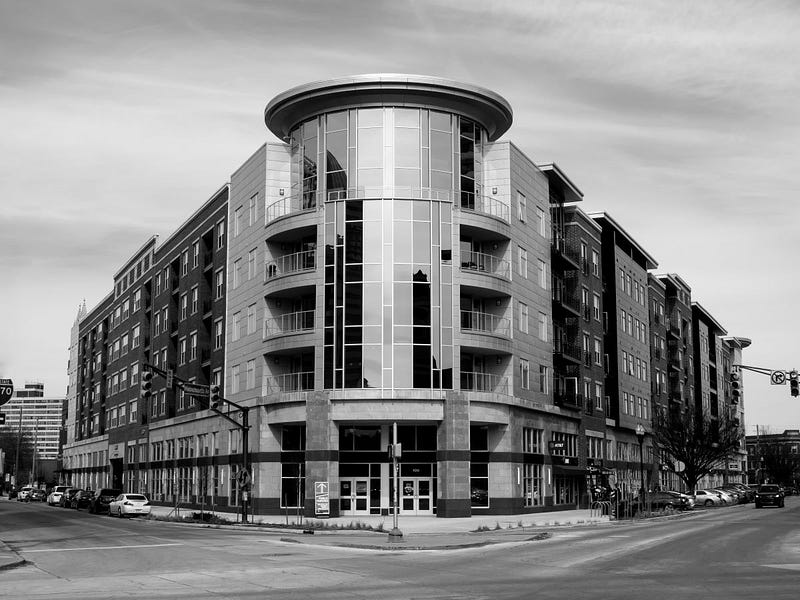
At home in Indianapolis, standing on the opposite end of a 45 degree corner block. Getting the whole building in one frame, using a 50mm? No Problem! Photo: John Pemberton

I am a firm believer in knowing and living your focal length for this kind of shooting situation. You should spend as little time in the viewfinder as possible. For me, I have come to a point where I can use my feet to line up a shot on the street, adjust focus point on the back of the screen, point shoot and go. The 50 and I are one, it's intuitive for me.
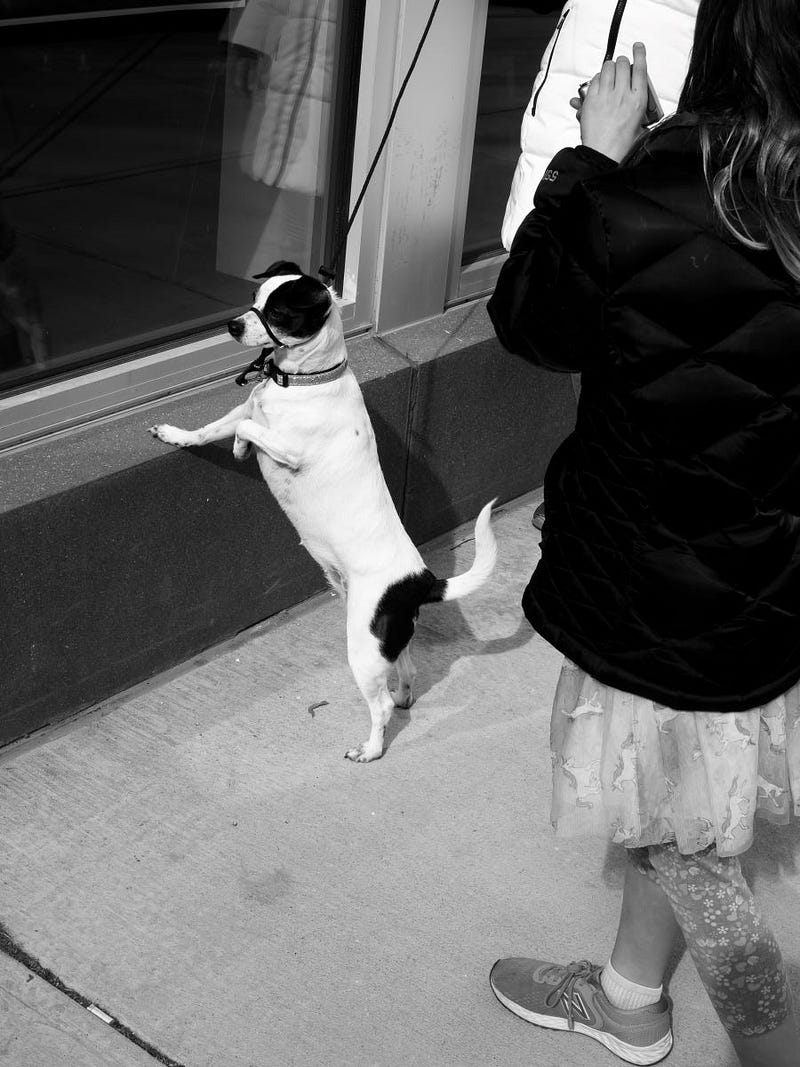
Indianapolis, Massachusetts Avenue, 50mm. Any wider of a lens here and I would have been too close. Mom might well have called the police on me! Photo: John Pemberton

But still, everyone said my experience should be otherwise. To listen to some commentators I was doing it wrong. Even the camera companies seemed to share that opinion. I love the concept of an urban niche camera like the GR-III or the X100. But what was with those lenses? Why so wide guys? I continued to shoot urban digitally with a PEN — F and a 25mm, F1.8. Film with a 50mm F1.8. My credit card has been grateful for the lack of GAS attacks.

One day a year and a half ago it hit me. I was shooting in downtown Pittsburgh, the Golden Triangle as it’s called. I was struggling. Badly. I couldn’t get stuff in the frame, I was shooting down streets more frequently than normal. I punted on shots it felt like should be easy.
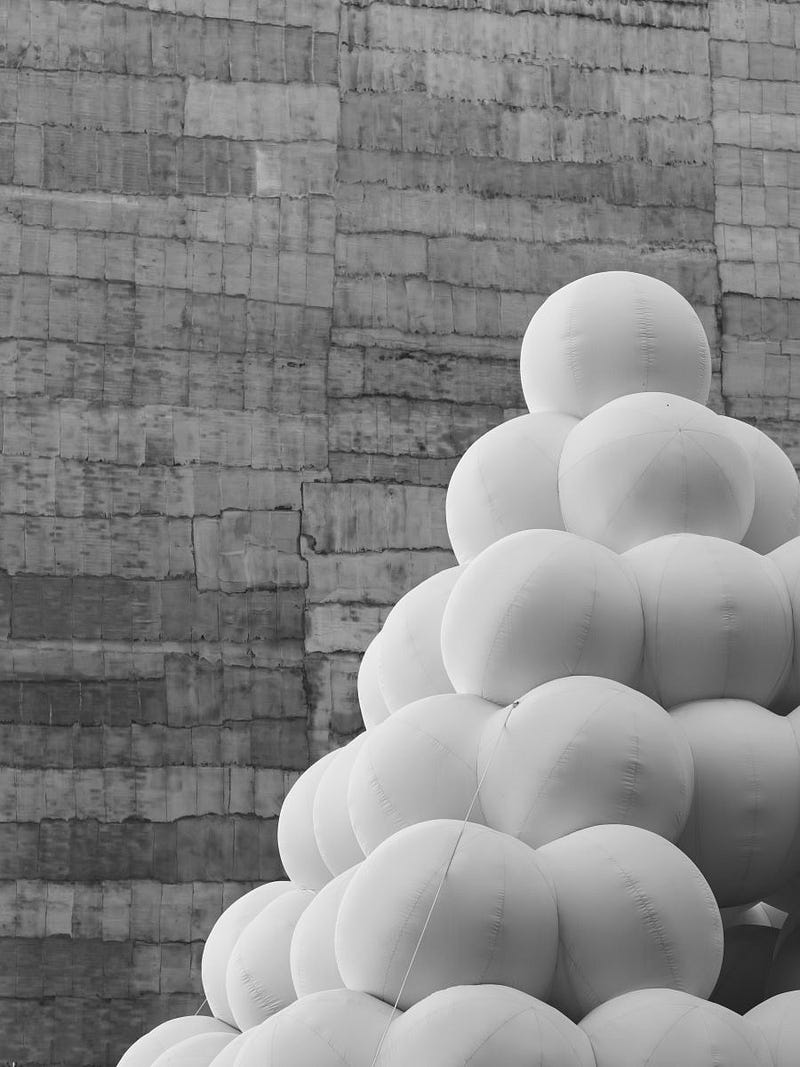
Pittsburgh, 50mm. I could not, for the life of me, step back far enough to get the additional 5 layers of “Snowballs” into the frame. Photo: John Pemberton

Then it dawned on me. Not only was I feeling claustrophobic while looking into the viewfinder, but I felt confined by the environment. The city walls were closing in on me. It was the structure of the city itself that was mocking me. Not all cities are the same.
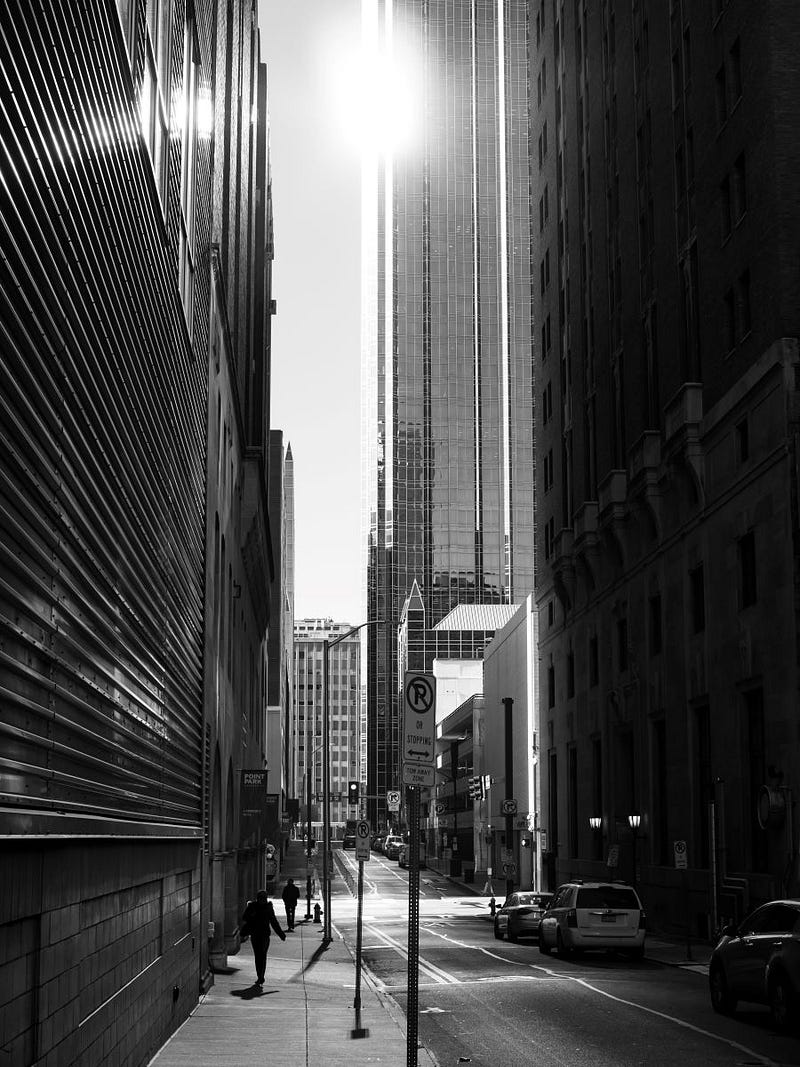
Pittsburgh, 50mm. Caverns of a city closing in on me. Photo: John Pemberton

At home in Indianapolis, I never feel this way, there’s always room. Look at a satellite image of the mile square from above and it makes sense. Each street marked on the original Ralston plan (inspired by L’Enfant’s plan for DC) finds room for four traffic lanes, two parking lanes and each sidewalk opens up for another lane and a half of space. The equivalent of 9 city lanes running between the architecture. The city was planned as the capital of a state and was given the room to command such grandeur.
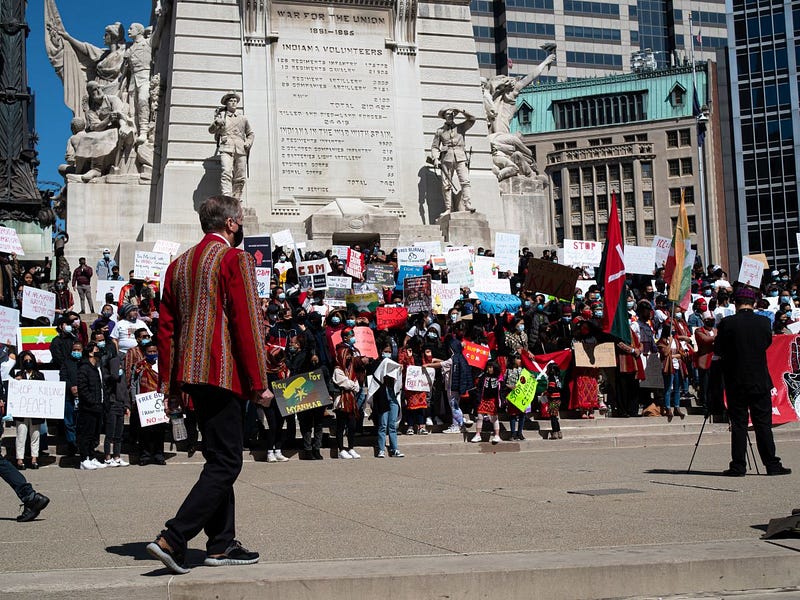
Indianapolis, Monument Circle. The grand squares of even a state capital are a good fit for the 50mm. Photo: John Pemberton

Capital aesthetics aside, other cities where I frequently shoot feel the same way. Ft Wayne, Dayton, Toledo and Louisville all share the same spacious feel. Flat geography and more recent development or redevelopments play a role here. Pittsburgh or Cincinnati, that’s a different story. As river towns with urban mass dating back to the 1800’s, those places were places before other places were places, if you know what I mean. These cities have bumpy rolling geography and never had capital aspirations, only commercial. The land needed to pay. The urban geography is much more confined and compact here.
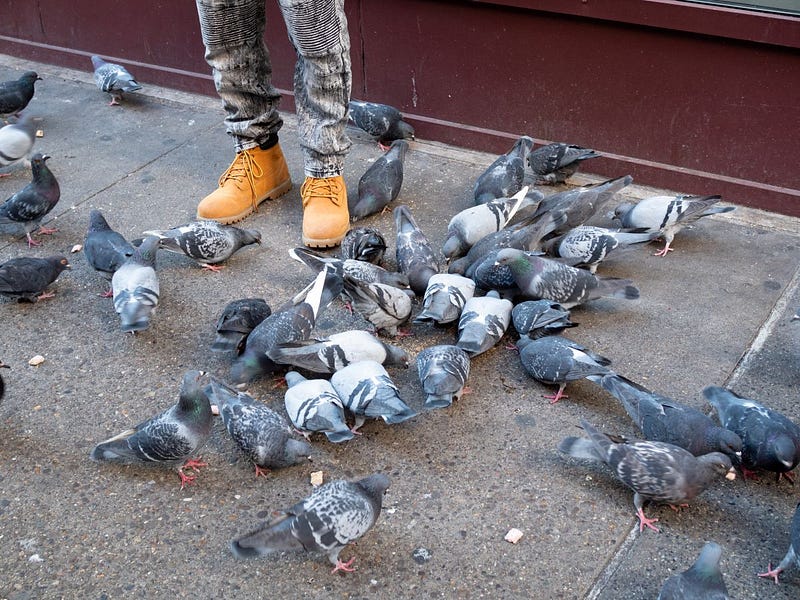
Pittsburgh, 50mm. I got the shot, standing in the street between two parked cars. Photo: John Pemberton

On that day in Pittsburgh, I needed a 28mm lens. Yesterday in Cincinnati, a 40mm would have been nice.

I finally understood why the conventional wisdom might well be what it is. It was created for ancient European cities with medieval roots or for eastern US cities, that “became” when water was the primary means for transportation.

Am I selling my 50’s? No. They are suited and vital for where I spend most of my time conducting urban photography. Using a 28 on home turf would find me standing in traffic, making people nervous or cropping on the back end far more than I do now. That is not acceptable.

And NO — zoom lenses in an urban setting are for tourists!

But I need to have some other options on the shelf for other places I love to visit and document. When I travel someplace new, I need to pull up google maps, count lanes, size up sidewalks, evaluate the frequency of open parking lots and architectural plazas … Then pack my bag.
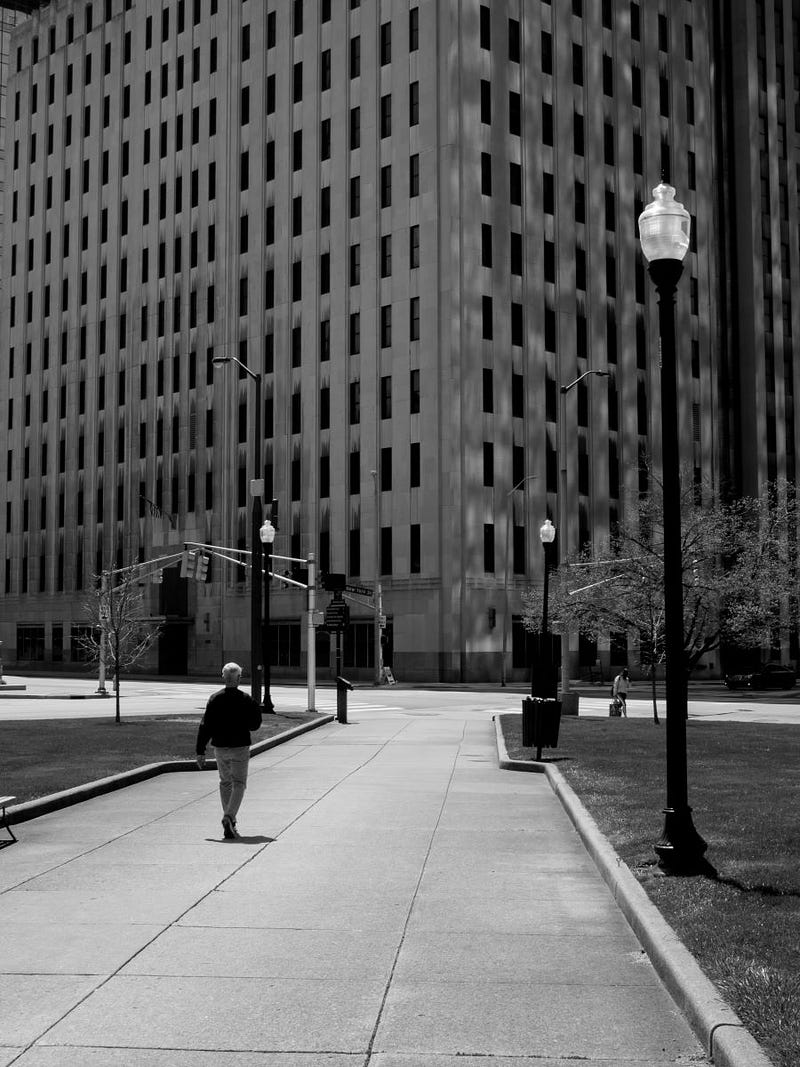
Indianapolis. Open, urban squares are ideal ground for the 50mm. Photo: John Pemberton

This November when I visit New York again I will need to determine how much time I hope to spend on the avenues compared to how much time on the streets. On my last trip, I was avenue bound. Midtown and Uptown worked, downtown was a struggle. I had to break out my 24 to 80 zoom to survive. Sadly on that day I was a tourist.
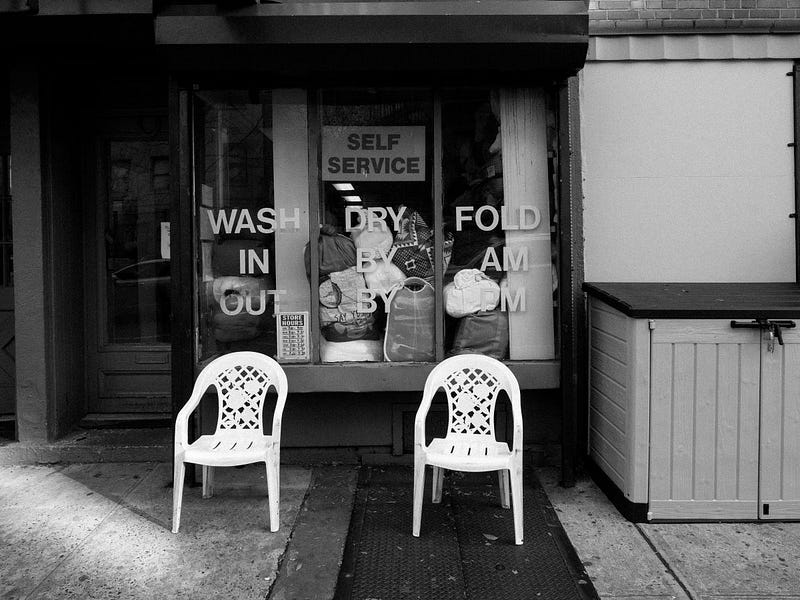
Greenwich Village, NYC. Nothing other than a 24mm was going to work here. Photo: John Pemberton

My friend and fellow Live View writer, Jim Kuzman has a couple of great articles, well worth the read, about some of the dedicated cameras mentioned above and selecting a wide-angle lens for artistic and compositional reasons.

But sometimes, focal length is not always a choice YOU make. It’s what your environment’s geography demands of you. But that is a more complicated rule that requires situational judgment. It moves beyond simple rules that are easily check-listed. Rules that govern decision making 90% of the time are good to have and to follow. But, wisdom, in life as well as photography should know how those rules came about, when they apply, and when they should take into account situational factors.

** A quick note on all the focal lengths mentioned in the image captions above. I shoot with an MFT system, I am citing the equivalent full-frame focal lengths.

John Pemberton

I am the founder of F2.8Press, Publisher of Undiscovered Photography. We have an open call for submissions for our Photozine: “Archive”. Check us out on Twitter!

You can find me, my personal work on my Site.

When I am not wandering aimlessly with a camera, I am a Lecturer of Economics and Statistics at Butler University.

Meet the Live View Writers

Live View features authors from a variety of backgrounds who share their passion for photography. You can meet them all, read their stories, and follow them by visiting the Live View About page.

Photography
Street Photography
Focal Length
Art
Rules
Recommended from ReadMedium