avatarErika Burkhalter

Free AI web copilot to create summaries, insights and extended knowledge, download it at here

1518

Abstract

ts in spring in California wetlands, freshwater lakes, and urban parks turned “bottoms-up” to fish, curly tail feathers bobbing in the shallows. Most years, we are visited by “fly-overs,” who often spend several days (and one time they produced a batch of babies) in our backyard pool.</p><figure id="b051"><img src="https://cdn-images-1.readmedium.com/v2/resize:fit:800/1*VEAy17djpwfMBTTHR-4UMw.jpeg"><figcaption>Double-Crested Cormorant</figcaption></figure><p id="fe8e">Cormorants, identifiable by the bright yellow or orange skin on their faces and chins, love to fish from perches in the lake. They are crafty builders of stick nests in trees.</p><figure id="20c8"><img src="https://cdn-images-1.readmedium.com/v2/resize:fit:800/1*vySASBioIaD8isxlvlRAyA.jpeg"><figcaption>Swans, gliding in synchronicity</figcaption></figure><p id="11f6">And of course, what lake setting would be complete without the silently gliding swan lovers, moving as one, as if they were synchronized swimmers?</p><p id="e041">Urban, this lake may be, but it provides a much-needed sanctuary for both migrating and residential birds. With the loss of natural habitat they encounter these days, these small areas of respite have become increasingly important for these species’ survival.</p><p id="3c2e">But, as much as they need us and these waters, I think that we need them more. Their presence nurtures the soul, taps into a bit of the wildness in our hearts, and soothes tattered nerves. Awareness of them, and of their needs, is cruci

Options

al to ensuring their survival in this increasingly inhabited world.</p><p id="87da">If you enjoyed this photo-essay, you might also like:</p><div id="eca5" class="link-block"> <a href="https://theweeklyknob.com/lightning-never-strikes-twice-7361d6a896"> <div> <div> <h2>Lightning Never Strikes Twice</h2> <div><h3>Lightning: The Weekly Knob & The Writing Cooperative Contest</h3></div> <div><p>theweeklyknob.com</p></div> </div> <div> <div style="background-image: url(https://miro.readmedium.com/v2/resize:fit:320/1*mdBctmTDYmZR5Z6vuLSDDA.jpeg)"></div> </div> </div> </a> </div><div id="4891" class="link-block"> <a href="https://readmedium.com/jeff-tweedy-and-the-doors-of-perception-170e2aae923b"> <div> <div> <h2>Jeff Tweedy and the Doors of Perception</h2> <div><h3>“If the doors of perception were cleansed, everything would appear to us as it is, infinite. For we have closed…</h3></div> <div><p>medium.com</p></div> </div> <div> <div style="background-image: url(https://miro.readmedium.com/v2/resize:fit:320/1*-A6DXVYS6ibVhDOK1-PE7g.jpeg)"></div> </div> </div> </a> </div><p id="e73b">Photos and story ©Erika Burkhalter. All rights reserved.</p></article></body>

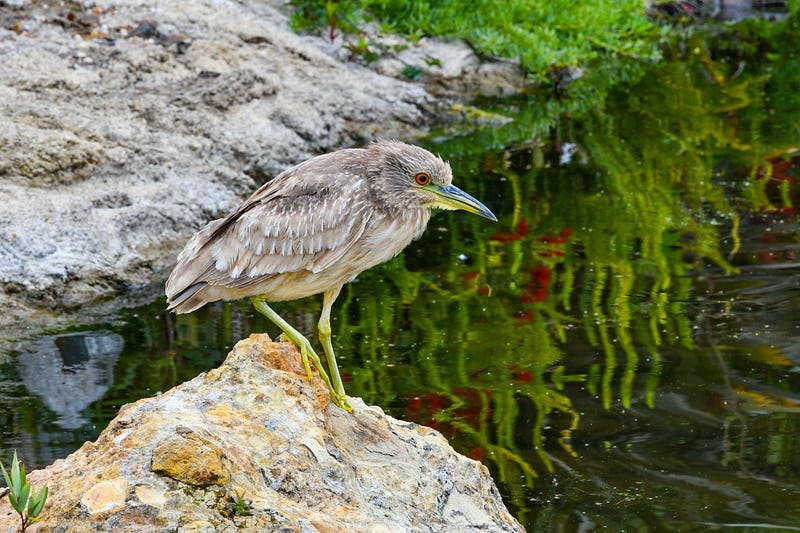
Juvenile Yellow-Crowned Night Heron

Urban Birds

A City Sanctuary

On a recent trip to visit friends, who live on West Lake, north of Los Angeles, we found ourselves gliding across the still waters in an electric boat, cameras in hand, to photograph the surprising abundance of bird life congregating here, on this “urban lake.”
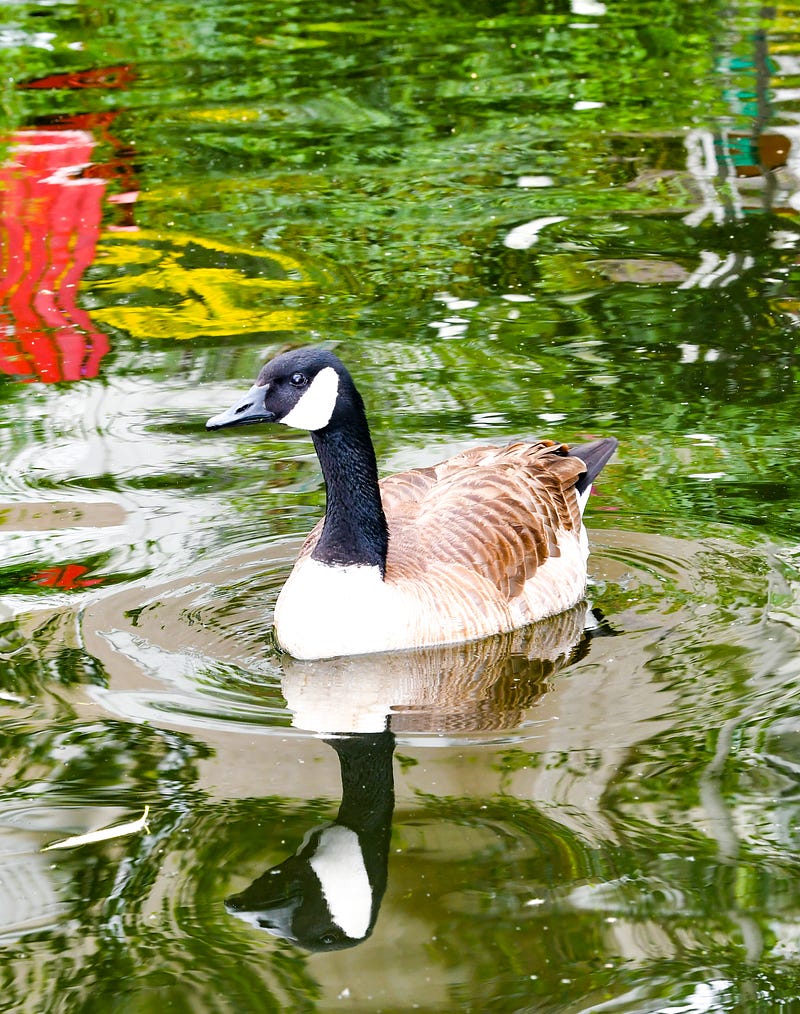
Canadian Goose, a winter resident

In the still of the morning, migrating geese called plaintively to one another across the chanels. Their lovelorn cries, echoing through the fog, were almost always met with the reply of their mate.
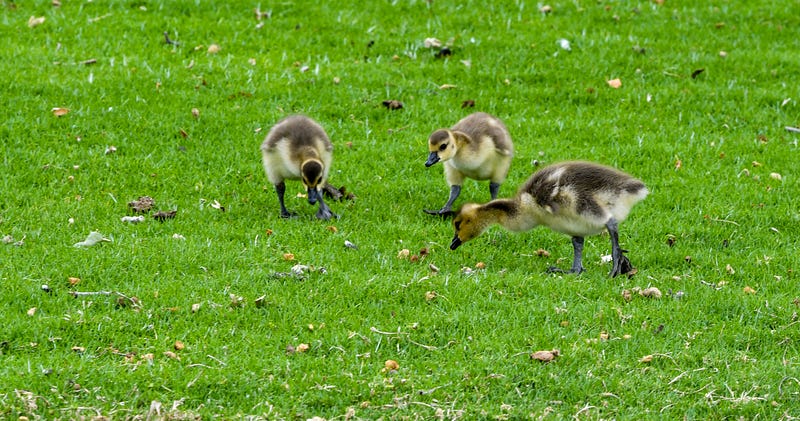
Fledging Geese

And the season for fledging geese, soft little fluffy balls of yellow fuzz, had arrived. The babies scampered across the banks of the lake, hunting for insects and worms, heavily guarded by their parents.
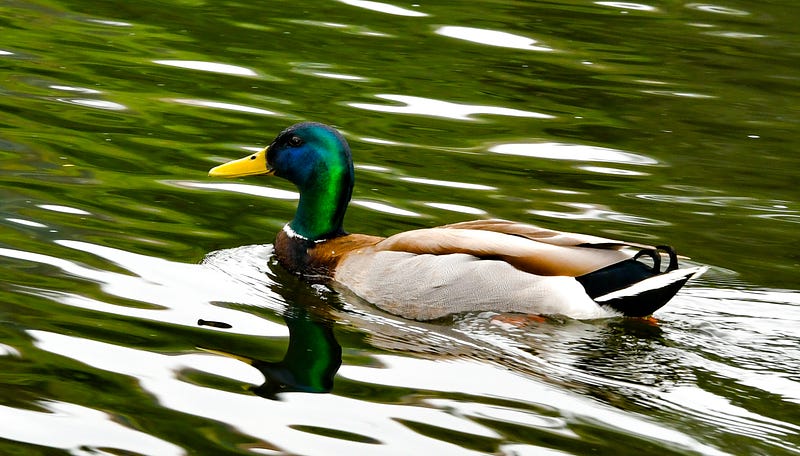
Mallard Duck

Mallard ducks, common residents in spring in California wetlands, freshwater lakes, and urban parks turned “bottoms-up” to fish, curly tail feathers bobbing in the shallows. Most years, we are visited by “fly-overs,” who often spend several days (and one time they produced a batch of babies) in our backyard pool.
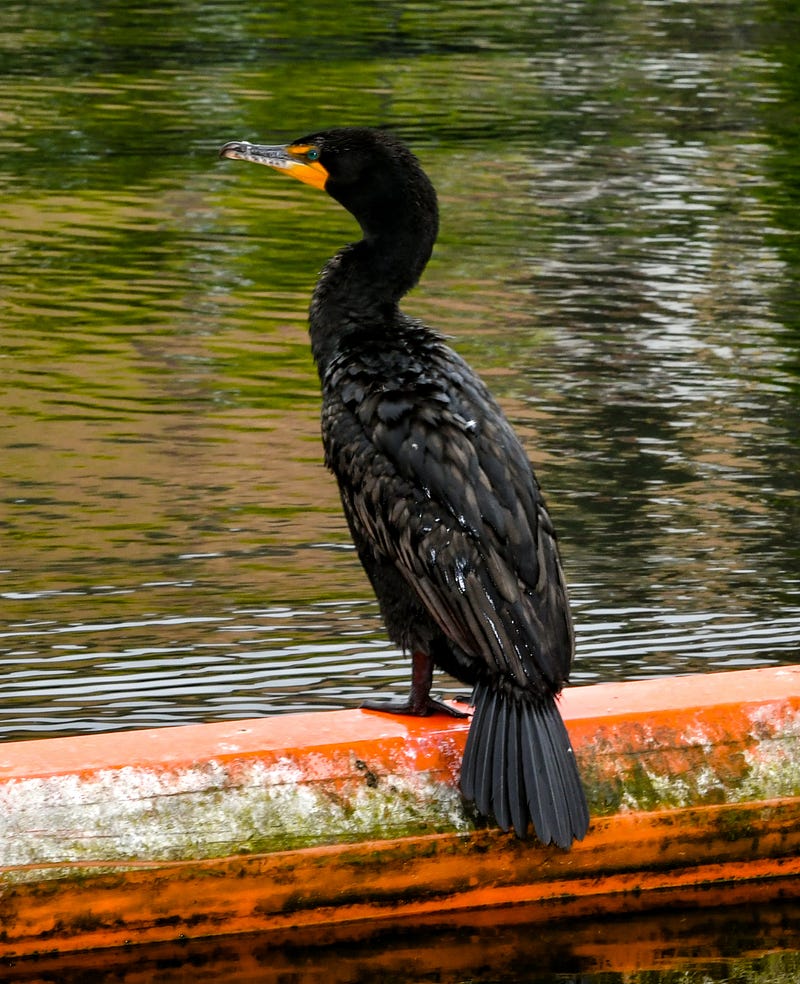
Double-Crested Cormorant

Cormorants, identifiable by the bright yellow or orange skin on their faces and chins, love to fish from perches in the lake. They are crafty builders of stick nests in trees.
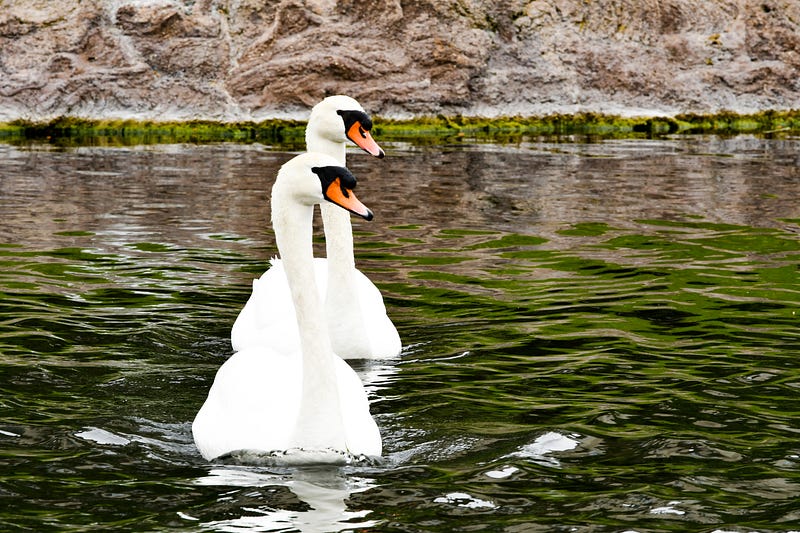
Swans, gliding in synchronicity

And of course, what lake setting would be complete without the silently gliding swan lovers, moving as one, as if they were synchronized swimmers?

Urban, this lake may be, but it provides a much-needed sanctuary for both migrating and residential birds. With the loss of natural habitat they encounter these days, these small areas of respite have become increasingly important for these species’ survival.

But, as much as they need us and these waters, I think that we need them more. Their presence nurtures the soul, taps into a bit of the wildness in our hearts, and soothes tattered nerves. Awareness of them, and of their needs, is crucial to ensuring their survival in this increasingly inhabited world.

If you enjoyed this photo-essay, you might also like:

Photos and story ©Erika Burkhalter. All rights reserved.

Birds
Photography
Short Story
Nature
Environmental Issues
Recommended from ReadMedium