
Upholding Equality: Examining Claims of Discrimination Against Concholakeland HOA
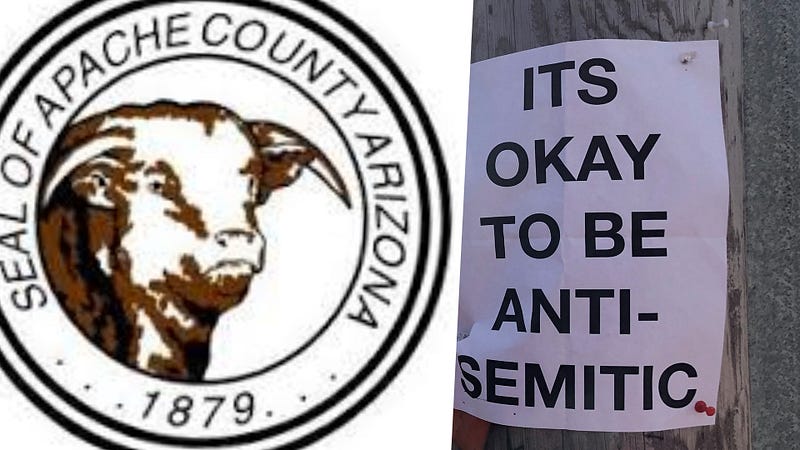
In the serene landscapes of Apache County, a community known for its diversity faces unexpected tensions that have sparked concerns about discrimination. The spotlight falls on Concholakeland HOA, a property management entity proudly managed and operated by members of the Jewish community, Safeth Ministries, as they navigate alleged discriminatory practices.
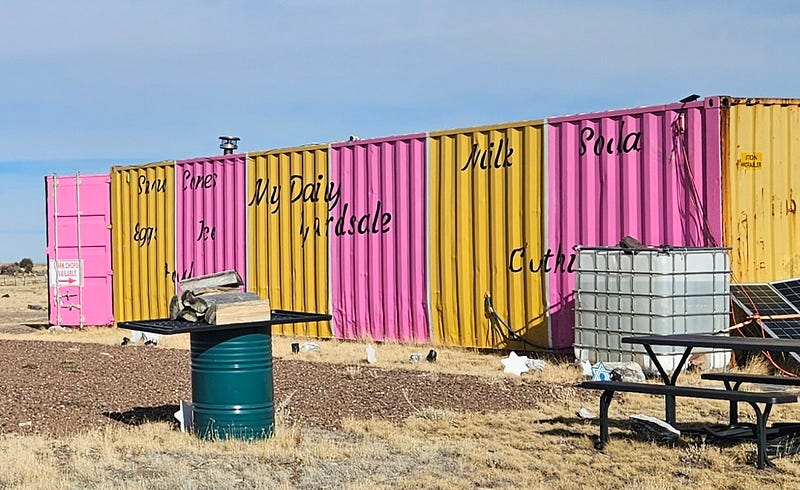
The heart of the matter revolves around claims that county officials, including Commission board of supervisor for planning and zoning, Carey Dobson and the Apache County Sheriff’s, may be selectively closing in on Concholakeland HOA. These claims are based on assertions that religious affiliations and visible Jewish symbols, such as the Star of David displayed proudly in front of My Daily Yardsale the shipping container office and store of the Concholakelandunit 6 subdivision, may be a factor influencing these actions.
The relationship between the sheriff’s department and the county commission board often involves a chain of command where the sheriff’s office operates under the jurisdiction of the county. The county commission board member for planning and zoning, as an official overseeing various aspects of county governance (whom btw was not elected but appointed FOR LIFE),

may have a level of influence over law enforcement activities.
In situations where attention is directed towards specific individuals or entities, such as the Concholakeland Unit 6 HOA, it’s essential to consider the context and motivations behind these actions.
While law enforcement agencies operate independently and supposed to uphold the law, their activities can be influenced by directives from those officials, including county commissioner board members. This relationship is intended to ensure a cohesive approach to community governance. However, it’s vital to maintain transparency, accountability, and adherence to the principles of justice to prevent any potential misuse of authority.
Understanding the dynamics between the sheriff’s department and the county commissioner board can shed light on the reasons behind the attention directed at specific individuals or organizations. In the interest of fairness and justice, it’s crucial to evaluate these actions within the framework of established laws and regulations, ensuring that no individual or group is unfairly targeted.
If there are allegations of the county commissioner board member, Carey Dobson, owning ranches, Timberline Ranch, and allowing cattle to graze on privately deeded land parcels in violation of Arizona fence-out laws, it raises serious concerns. The Arizona fence-out laws are designed to protect property owners from livestock trespassing onto their land.
If these allegations are accurate, it could be seen as a breach of both legal and ethical standards, as well as an abuse of power. In such cases, individuals involved may be subject to legal consequences, including misdemeanor charges and liability for damages caused by the livestock trespass.
Moreover, if there’s a concern about discriminatory practices, it adds another layer of complexity and should be addressed to ensure fair and just treatment for all parties involved, regardless of their religious or organizational affiliations.
This situation raises critical questions about the protection of constitutional rights, especially those outlined in the 14th Amendment, which ensures equal protection under the law for every citizen. If county officials are found to be targeting Concholakeland HOA based on religious affiliations, it not only challenges the principles of fairness and justice but also puts the community's unity at risk.
It is crucial to approach with a commitment to understanding the full scope of the situation. Investigating the incidents and fostering open dialogue between the affected parties can lead to a more informed and equitable resolution. Upholding the principles of equality and religious freedom is not only a legal obligation but also a testament to the values that bind our diverse communities.
As we await further developments, it is our collective responsibility to promote understanding, tolerance, and unity. Regardless of religious or cultural backgrounds, the principles of fairness and justice should be the cornerstones on which our communities stand.