
Updated List of Gen Z Slang for This Year
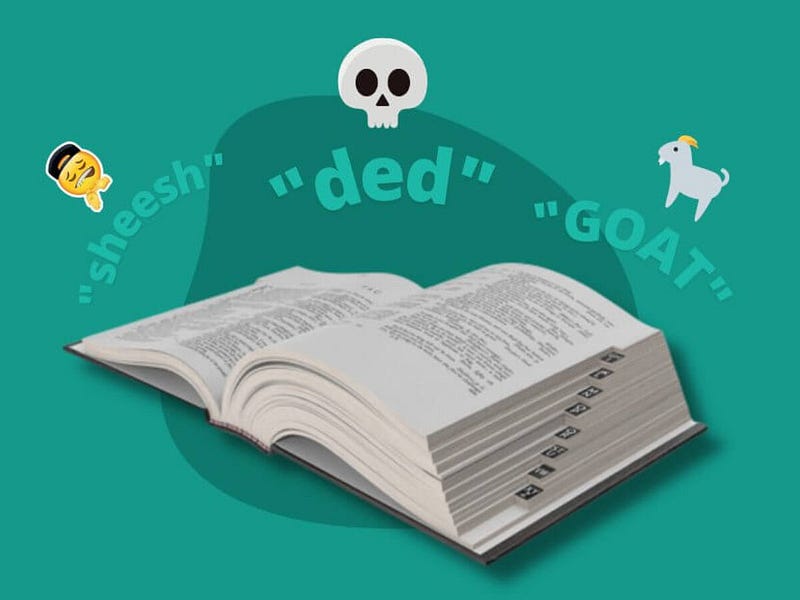
Where trends come and go in the blink of an eye, language is no exception to the rule. Just like their predecessors, Gen Z has crafted a unique lexicon of slang that reflects their culture, values, and experiences. From “bussin’” to “sus,” these colloquialisms have become integral parts of everyday conversations, both online and offline. But behind the trendy phrases lies a deeper story of cultural appropriation, evolution, and the power of language to shape our understanding of the world.
In today’s interconnected world, social media serves as the primary vehicle for the dissemination of slang. Platforms like TikTok and Twitter allow Gen Z to share and popularize new terms with unprecedented speed and reach. What starts as a niche expression within a specific community can quickly gain traction and become part of the mainstream lexicon. However, this rapid spread often comes at a cost, as the origins of slang are frequently lost or obscured along the way.

One of the most pressing issues surrounding Gen Z slang is appropriation. Many of the terms attributed to this generation have roots in marginalized communities, particularly Black and LGBTQ+ cultures. Yet, as these expressions enter the mainstream, they are often stripped of their original context and attributed to Gen Z as a whole. This erasure of cultural credit not only diminishes the contributions of these communities but also perpetuates a cycle of cultural exploitation and commodification.
For brands and marketers looking to connect with Gen Z, understanding and respecting slang is crucial. While using trendy language can help foster a sense of authenticity and relatability, it’s essential to tread carefully and avoid appropriating expressions that don’t belong to you. Instead, focus on creating genuine connections with your audience and reflecting their values and experiences in your messaging.
As we delve into the fascinating world of Gen Z slang, let’s take a closer look at some of the most popular terms of 2024 and what they mean:
- For the Plot: Encouraging someone to do something for the experience, embracing the idea of being the protagonist of their own story.
- Rizz: Having charisma and charm, often associated with romantic success.
- Ick: A turnoff or something that repulses or disgusts someone.
- Rent-Free: Taking up a significant amount of space in someone’s mind, often used to describe persistent thoughts or obsessions.
- Mother: A term of endearment for influential and respected figures, especially female celebrities, originating from the LGBTQ+ ballroom scene.
- Ate: Executing something flawlessly, often used to describe someone’s appearance or performance.
- Left No Crumbs: Emphasizing that someone executed something perfectly, leaving no room for improvement.
- Bussin’: Extremely good or delicious, typically used to describe food or experiences.
- Mid: Mediocre or disappointing, falling short of expectations.
- Lock In: To focus or concentrate on a task or activity.
- Let Him Cook: Allowing someone to do their thing without interference or interruption.
- Delulu: Delusional, often used humorously to describe someone’s unrealistic beliefs or behavior.
- Sus: Suspicious or questionable, indicating a lack of trust or confidence.
As we navigate the ever-changing landscape of language and culture, it’s essential to approach Gen Z slang with curiosity, respect, and an open mind. By recognizing the origins and significance of these expressions, we can foster a more inclusive and understanding society where everyone’s contributions are valued and celebrated.
GAME CHANGER MOMENT
Stay tuned for more insights into the evolving language of Gen Z and how it shapes our cultural landscape. Explore our upcoming articles for a deeper dive into the trends, movements, and expressions that define today’s youth. Join the conversation and share your thoughts on the impact of slang on our society and how we can promote greater cultural awareness and appreciation.