
Update Your App: The Mobile Editor Is Back
Thank you for speaking up.
Earlier this year, I was devastated when Medium took away the ability to write or edit a draft in the mobile apps. I’ve been writing on Medium since April 2018, and I have always relied upon the mobile editor to write and publish from my phone.
At first, writing from my phone in the app was natural for me as a single mom. Sophie was only 4 back then, and I was desperately trying to get out of social media marketing for a content mill.
I didn’t want to write for other businesses anymore at $1.25 per post. I didn’t want to write another HVAC repair blog for $10 a pop. I wanted to write from my heart about the issues that matter most to me. I wanted to make a difference with my work.
As time went on and I began to struggle more with lipedema and my mobility, and especially once I began getting treatments for my late stage lipedema aka lipo-lymphedema, I became even more dependent upon the mobile app because it allowed me to work from anywhere despite having a limited range of motion. Like from my Lympha Press pump.
If I was sick in bed, if I was injured and on bed rest, if I was recovering from surgery, or if I was parked in the car line and waiting to pick Sophie up from school, I could be writing in the app. If I was at the doctor’s office or in lymphedema therapy, I could jot down notes or edit a draft.
So, when Medium took away that ability to write or edit in the app, it was a severe blow to me. Suddenly, I had to either write everything from my tablet, which isn’t very comfortable or even manageable through much of my day, or, I had to work from my phone’s desktop browser, which is very challenging for my eyes. Since the Medium website was not designed with accessibility in mind, a robust mobile app makes an enormous difference to writers like myself.
One of the often forgotten reasons mobile apps matter is that they can make an otherwise inaccessible website accessible to people with disabilities.
Other writing platforms, like Substack, have websites that are optimized for mobile browsers, which makes editing more accessible to folks who can’t use a tablet or desktop computer. It helps us squint less and write more. It helps us to see what our story is going to look like in the app. It allows many more people to work from home, from bed, from a doctor’s waiting room — well, you get the idea.
Having an optimized mobile browser or mobile editing feature within an app also allows people to write and publish from their phones when they don’t have another way to access the internet. Or, maybe they simply don’t have a computer or tablet.
Personally, I have a little HP laptop from 2012 that I rarely touch because it’s so incredibly slow. I also didn’t always have a tablet. For a long time as a single writing mom, I only had my phone.
So, I was very vocal about Medium taking mobile editing away this year. When I explained to a few people at the company, months ago, just how devastating it was for me, and how that means it had to be devastating to other writers as well, the responses I received (when I received one at all) were very tone-deaf.
I was told that not enough writers used the feature and that it was absolutely not coming back. I reiterated that removing the feature was removing the small shred of accessibility Medium could boast at the time. I pointed out that the website was not accessible or friendly to writers with disabilities.
Someone on staff at Medium (I don’t know if they’re still with the company) assured me that the platform takes accessibility very seriously, and they told me that Medium was working to soon become WCAG 2.0 compliant.
I was… unimpressed by such responses because those WCAG guidelines are from 2012. (There are newer versions today. WCAG 2.1 is the current official version, but 2.2 will be official in December.)
When I asked if I could speak further with Medium staff about the issue, like on the phone or on video, they told me that I could, but I also needed to understand that mobile editing was still not coming back. They could appreciate my position and see how their answers didn’t help me, but I was apparently asking for the impossible.
After I wrote about my disappointment with Medium’s responses, I was indirectly chastised by staff in a Slack group post. They didn’t name me, but they made it clear that I should have gotten permission to publish their responses about taking mobile editing away and their comments about their commitment to accessibility.
I don’t think I’ve ever been so angry or disgusted with the platform. What they had to say about accessibility was not some water cooler gossip, and the anonymous quotes I shared came from responses they gave to me in a group of about 150 people. I wasn’t copying and pasting DMs, and frankly, this is an equal rights and potentially legal issue. After all, there are actual laws governing the expectations for businesses that operate online.
The entire situation was really hurtful and upsetting. I was very disappointed to see that (at least some) Medium staff believed that by speaking up about my legitimate concerns as a fully invested writer here, I was just being a trouble-maker, or displaying unethical behavior by discussing their corporate, canned answers.
Because of that experience, I hadn’t held out much hope that the mobile editing would ever return. Again, they told me it wasn’t happening. After that, I no longer trusted Medium to be my writing home. Like my days were numbered here.
Of course, there are other things that have happened over the past couple of years that have made me feel that this is not my home and I cannot trust the platform. (Destroying distribution, burying our work from our followers, making changes to the app without considering how they would impact the actual readers and writers, and pushing mindless self-help are some of those things.)
However, the mobile editing debacle was certainly my last straw.
That’s why I was very interested when Tony Stubblebine suggested that they might bring mobile editing feature back. But I certainly wasn’t holding my breath. I also took note of the mention that if they could bring it back, it probably wouldn’t be a quick thing.
You might say I was cautiously optimistic without actually getting my hopes up about it happening, if you know what I mean.
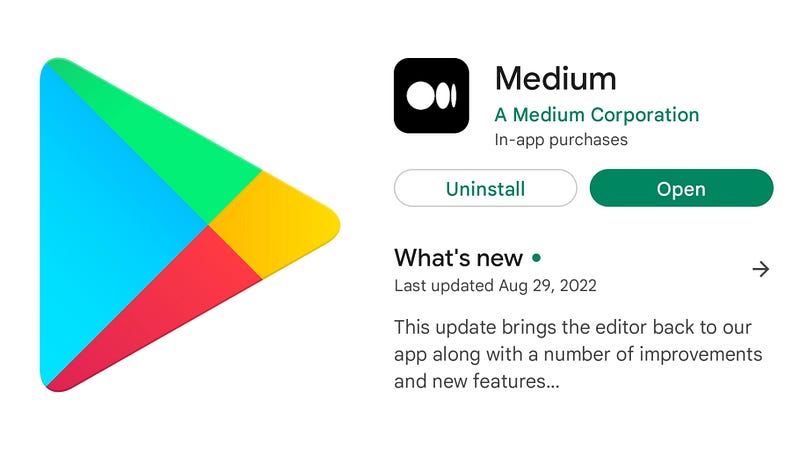
To my utter surprise, though, I was able to update my Medium app today (Android), and drafts are back!
I am pleased to report that this entire story has been written on the app and I feel like I could cry because there are so many times that I’ve wanted to work on a story over the past few months, but I haven’t been able to do it because it’s not very accessible to me.
(Yes, I know some folks have had success writing in a different app and then transferring it all into the app but let’s be honest — that type of process is quite tedious and often slows down neurodivergent writers like myself. In my case, I’m already slow enough!)
That said, I really do want to thank you. Many of my fellow readers and writers on Medium expressed their dismay and supported my frustration when this feature was lost. I understand that many of you were kind enough to say something to people at Medium about how you believed that mobile editing should come back — even if it didn’t matter to you personally.
That’s what true allyship looks like. Giving a damn about other people’s hardships too. Caring about writers with disabilities or writers who don’t have the privilege to use a computer to write.
Thank you, Medium and Coach Tony for bringing back the mobile editor. But most of all, thank you to everyone who didn’t act like I was crazy, and thank you to everyone who literally asked Medium to bring the functionality back.
If you haven’t yet updated your Medium app, go ahead and do it (in the Google Play Store if you’re on Android like me), and say hello (or hello, again) to mobile editing.


