
Unveiling the Secrets of the Box Jellyfish: Exploring Nature’s Deadliest Venom
A Deep Dive into the Potent Venom, Lethal Effects, and Essential Safety Measures
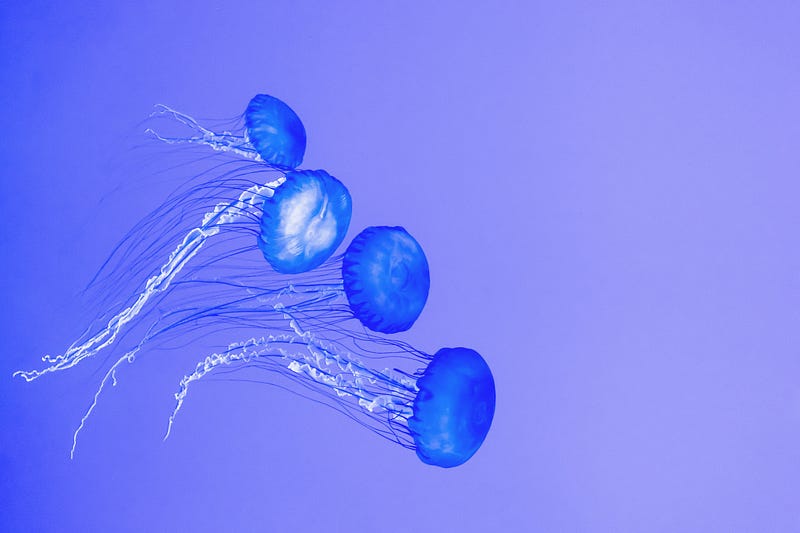
In the world of venomous creatures, few can match the potency and lethal nature of the box jellyfish. Known for their mesmerizing bell-shaped bodies and delicate tentacles, these enigmatic creatures hide a deadly secret. The venom they possess is a fascinating and terrifying cocktail of toxins that has earned them the title of the deadliest marine creature on the planet. Join me as we delve into the world of the box jellyfish and unravel the mysteries surrounding their venom.
Astonishing Anatomy and Behavior
Box jellyfish, scientifically known as Cubozoa, are a group of jellyfish species found primarily in the warm coastal waters of the Pacific and Indian Oceans. Their unique box-like shape, hence the name, distinguishes them from other jellyfish species. They possess up to 60 long and slender tentacles, each lined with millions of specialized cells called cnidocytes. These cells contain nematocysts, tiny harpoon-like structures that inject venom into their prey or perceived threats.
“The box jellyfish is a master of disguise with its ethereal appearance and deadly arsenal. Its tentacles are lined with microscopic harpoons ready to deliver a potent and paralyzing venom.” — Marine Biologist
Deadly Venom Composition
The venom of the box jellyfish is a potent mix of different toxins, each designed to incapacitate and immobilize their prey. Among the most dangerous components are peptides called toxins, including hemolysins and cardiotoxins. These toxins target the cardiovascular system, leading to rapid heart failure, paralysis, and, in severe cases, death.
One of the most infamous box jellyfish species, Chironex fleckeri, holds the unfortunate distinction of being responsible for a significant number of human fatalities. Its venom is an incredibly potent neurotoxin, attacking the nervous system and causing excruciating pain, cardiac arrest, and neuromuscular paralysis. It is estimated that the venom of a single Chironex fleckeri can kill up to 60 adult humans.
Immediate and Lethal Effects
The impact of a box jellyfish sting is swift and devastating. When a tentacle comes into contact with human skin, the nematocysts are triggered, rapidly releasing venom into the victim’s bloodstream. Within minutes, the individual experiences intense pain, muscle cramps, and a sense of impending doom.
“The pain caused by a box jellyfish sting is often described as excruciating, as if being struck by a bolt of lightning. It is a race against time to seek medical help and administer appropriate treatment.” — Emergency Physician
The venom’s potency varies among different species, with some capable of causing heart failure within minutes. Victims may experience difficulty breathing, blurred vision, loss of consciousness, and in extreme cases, death. It is crucial to seek immediate medical attention and administer appropriate first aid measures to increase the chances of survival.
Treatment and Prevention
When dealing with a box jellyfish sting, every second counts. If stung, it is vital to carefully remove any remaining tentacles from the victim’s skin, using gloves or tweezers to avoid further injury. It is crucial to rinse the affected area with vinegar, which helps neutralize the venom and prevent further toxin discharge.
“Vinegar acts as a first line of defense against the box jellyfish venom. It can halt the discharge of toxins and provide temporary relief until medical assistance is available.” — Marine Safety Specialist
The affected individual should be transported to the nearest medical facility immediately. Medical professionals may administer antivenom if available, along with pain relief medications and other supportive care measures. However, prevention remains the most effective approach.
To minimize the risk of encountering box jellyfish, it is essential to heed warning signs on beaches and adhere to local guidelines and precautions. Here are some additional safety measures to consider:
Beach Safety: Swim in designated areas with lifeguards present. They can provide valuable information about jellyfish sightings and safety conditions. Avoid swimming during peak jellyfish seasons or after heavy rainfall when jellyfish are more likely to be present near the shore.
Protective Clothing: Consider wearing protective clothing such as stinger suits or full-body rash guards while swimming or snorkeling. These garments can provide a physical barrier against jellyfish tentacles and reduce the risk of stings.
Educate Yourself: Learn about the different species of box jellyfish present in your region and their typical habitats. This knowledge can help you make informed decisions about where and when to swim.
Buddy System: Always swim with a partner, so that someone can provide immediate assistance in case of a jellyfish sting or any other emergency.
Vigilance in the Water: Stay alert and scan the water for any signs of jellyfish presence, such as floating tentacles or jellyfish bodies. If you spot jellyfish, leave the water immediately and inform lifeguards or beach authorities.
Educational Outreach: Promote awareness and education about box jellyfish and their potential dangers. Encourage community programs, schools, and local authorities to organize workshops, signage, and educational campaigns to raise awareness among beachgoers.
By following these precautions and staying informed, you can significantly reduce the risk of a dangerous encounter with box jellyfish.
The box jellyfish is a prime example of nature’s awe-inspiring and dangerous creations. Its elegant appearance belies the sheer terror of its venomous arsenal. Understanding the intricacies of the box jellyfish venom serves as a reminder of the importance of respecting and protecting our delicate marine ecosystems. By raising awareness, implementing safety measures, and investing in scientific research, we can mitigate the risks associated with these fascinating but deadly creatures. So, let’s embrace the wonders of the ocean while taking the necessary precautions to ensure our safety and the preservation of these remarkable marine creatures.


