
Unveiling the Power of Neuro-Linguistic Programming (NLP)

Neuro-Linguistic Programming (NLP) is a fascinating and powerful approach to communication, personal development, and behavior modification. Developed in the 1970s by Richard Bandler and John Grinder, NLP is often described as a set of techniques and models that explore the connection between neurological processes, language, and behavioral patterns. This interdisciplinary field draws from psychology, linguistics, and cognitive science to understand and influence human behavior.
Understanding the Components
Neurological Processes: At the core of NLP is the recognition that our thoughts, emotions, and behaviors are interconnected through neurological processes. NLP posits that by understanding and manipulating these processes, individuals can enhance their cognitive abilities and influence their own behavior.
Language: Language is a powerful tool in shaping our perceptions and interactions with the world. NLP emphasizes the importance of language patterns in influencing our thoughts and behaviors. By becoming aware of the language we use and restructuring it, individuals can alter their internal and external experiences.
Programming: The term “programming” in NLP refers to the idea that our experiences are encoded in patterns within our minds.
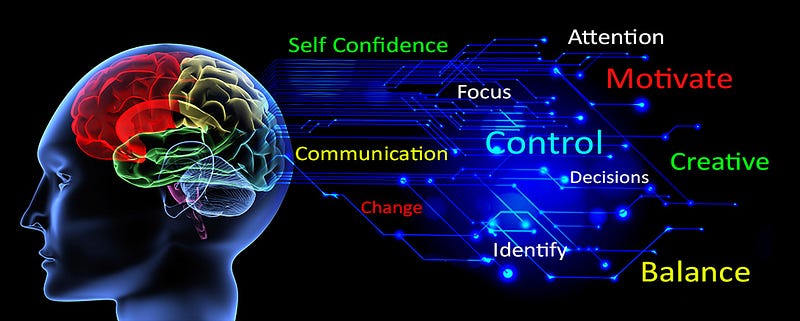
patterns influence our behavior, and NLP aims to reprogram or restructure these patterns for positive change. It involves identifying and modifying limiting beliefs and behaviors to achieve personal and professional goals.
Key Techniques of NLP
Anchoring: Anchoring involves associating a specific stimulus (such as a touch or a word) with a particular emotional state. By creating these anchors, individuals can trigger desired emotions or states at will. This technique is often used to manage stress, boost confidence, or overcome fears.
Modeling: Modeling is a fundamental concept in NLP where successful behaviors are identified and replicated. By studying the thought processes, language patterns, and behaviors of successful individuals, one can adopt similar strategies for personal and professional development.
Reframing: Reframing involves changing the way an individual perceives a situation by altering the meaning attached to it. By reframing negative thoughts or experiences into positive ones, individuals can shift their mindset and approach challenges with a more constructive attitude.
Rapport Building: Building rapport is crucial in effective communication. NLP provides techniques for establishing and maintaining strong connections with others through mirroring, matching, and pacing. This helps create a sense of trust and understanding in both personal and professional relationships.
Applications of NLP
Personal Development: NLP offers a toolkit for personal growth and self-improvement.
By understanding and modifying thought patterns, individuals can overcome limiting beliefs, build confidence, and achieve their goals.
Communication Skills: NLP enhances communication skills by teaching individuals to use language more effectively, understand non-verbal cues, and establish rapport. This is valuable in both personal relationships and professional settings.
Therapy and Counseling: NLP techniques are often integrated into therapeutic practices to address issues such as phobias, anxiety, and trauma. The focus on language and neurological processes makes it a versatile approach in psychotherapy.
Business and Leadership: In the corporate world, NLP is used to improve leadership skills, enhance team dynamics, and optimize communication within organizations. The ability to understand and influence others is a valuable asset in the business realm.
Conclusion
Neuro-Linguistic Programming is a powerful tool for personal and professional development, offering insights into the intricate connections between our thoughts, language, and behavior. As individuals continue to explore the potential of NLP, its applications are likely to expand, providing new avenues for growth, communication, and transformation.