
Unveiling the Hidden Perils: The Menace of Magma Blobs in Volcanic Eruptions
Exploring the Lesser-Known Dangers Lurking within Volcanic Domes
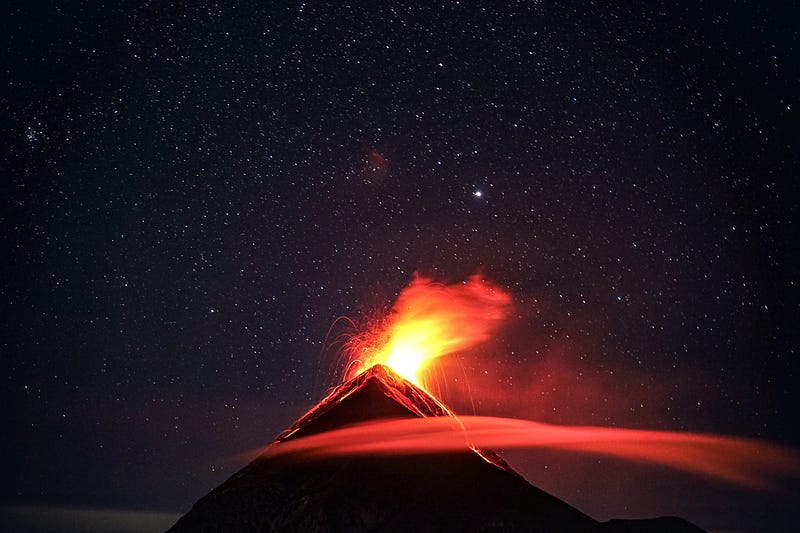
Volcanic eruptions are awe-inspiring natural phenomena that have fascinated and terrified humans for centuries. From the explosive power of volcanic ash to the majestic beauty of lava flows, these events captivate our imagination. However, beyond the visible spectacle lies a hidden danger: magma blobs. These lesser-known hazards are not only fascinating but can also pose significant risks to human lives and the environment. In this article, we delve into the world of magma blobs and shed light on the hidden dangers they bring.
What are Magma Blobs ?
Magma blobs, also known as volcanic domes, are masses of highly viscous magma that are extruded from volcanoes during eruptions. Unlike the flowing lava we commonly associate with volcanic activity, magma blobs are sluggish, sticky, and have a high silica content. This high silica content gives them a thick, pasty consistency, causing them to pile up around the volcano’s vent, forming a dome-like structure.
The Destructive Potential of Magma Blobs
While magma blobs may appear less menacing than explosive eruptions or fast-flowing lava, they possess unique dangers that warrant attention. Here are some of the hidden hazards associated with these molten masses:
Explosive Potential:
“Magma blobs are often filled with gases that are trapped within the viscous magma. The pressure of these gases builds up over time, and when released explosively, can lead to catastrophic eruptions.”
These explosions can generate pyroclastic flows, which are fast-moving currents of hot gas, ash, and rock fragments, endangering nearby communities.
Unpredictable Collapses:
“Magma blobs are inherently unstable structures. Due to their viscosity, they can accumulate large amounts of magma without releasing it.”
As a result, the domes can grow and collapse suddenly, triggering pyroclastic flows or sending hot debris cascading down the volcano’s slopes. Such collapses are often unpredictable, making them a significant hazard for those living in proximity to active volcanoes.
Lahars and Debris Avalanches:
“When magma blobs collapse, they can mix with water from rainfall, snowmelt, or nearby glaciers, creating deadly lahars.”
These volcanic mudflows consist of a mixture of water, volcanic ash, and rock debris, which can quickly surge down valleys and river channels, burying everything in their path. Additionally, the collapse of a magma blob can trigger a debris avalanche, a rapid and destructive flow of rock and ash.
The Human Impact
The dangers posed by magma blobs extend beyond the immediate vicinity of the volcano. Communities living near active volcanoes face significant risks, including:
Physical Hazards:
“The collapse of a magma blob or the explosive eruption it triggers can cause severe injuries or fatalities to individuals in close proximity.”
Additionally, the pyroclastic flows, lahars, and debris avalanches associated with magma blob activity can devastate nearby towns and infrastructure.
Economic Disruption:
“Volcanic eruptions and their associated hazards can have long-lasting effects on local economies.”
Evacuations, infrastructure damage, and agricultural losses resulting from the destructive power of magma blobs can cripple communities that rely on the land for their livelihoods.
Mitigating the Risks
Despite the dangers, scientists and authorities continuously work to minimize the risks associated with volcanic eruptions. Monitoring techniques, such as seismic activity analysis, gas emission measurements, and satellite imagery, aid in detecting signs of volcanic unrest. Early warning systems provide critical time for evacuation and emergency response. Furthermore, ongoing research helps scientists better understand the behavior of magma blobs, leading to improved predictions and risk assessments.
Efforts are also being made to educate communities living near active volcanoes about the potential dangers of magma blobs. Public awareness campaigns and preparedness measures help individuals understand evacuation procedures, emergency kits, and communication channels during volcanic events. These proactive measures can save lives and minimize the impact on affected communities.
In addition, international collaboration plays a crucial role in sharing knowledge, resources, and expertise in the field of volcano monitoring and risk management. By working together, scientists and authorities can develop comprehensive strategies to mitigate the risks associated with volcanic eruptions, including the dangers posed by magma blobs.
It is important for individuals, especially those residing near active volcanoes, to stay informed about volcanic activity through official sources and heed evacuation orders when issued. Preparedness, vigilance, and adherence to safety guidelines can make a significant difference in minimizing the impact of volcanic eruptions, including the hazards posed by magma blobs.
Volcanic eruptions are complex events that capture our imagination and fascination. However, beneath the surface lies a hidden danger: magma blobs. These sluggish, highly viscous masses of magma possess unique hazards that can have devastating consequences for human lives and the environment. From explosive eruptions to unpredictable collapses and the formation of lahars and debris avalanches, magma blobs pose significant risks to communities living near active volcanoes.
Understanding and mitigating these risks require ongoing research, advanced monitoring techniques, early warning systems, and public awareness. By working together, scientists, authorities, and communities can take proactive measures to minimize the impact of volcanic eruptions and ensure the safety and resilience of those living in volcanic regions. The menace of magma blobs may be hidden, but with knowledge and preparedness, we can face these challenges with greater resilience and protect lives in the face of nature’s raw power.