avatarDesiree Driesenaar

Free AI web copilot to create summaries, insights and extended knowledge, download it at here

11235

Abstract

iving back to nature is creating healthy soil. We have long thought that we can just add fertilizer — Nitrogen (N), Phosphorous (P) and Potassium (K) — as nutrients. However, the soil needs more ingredients to become alive, store water, store carbon, etc.</p><p id="bd6a">Soil needs decomposing organic matter, micro-organisms and fungi to become and stay alive. There are millions of little species in the soil that use organic matter and each other as food. All of them need to be replenished.</p><p id="1c17">Waste streams from plants can be composted with technologies such as heat or fermentation. And the latter is a great example of ‘bacteria at work’ to create products for healthy soil.</p><ul><li><a href="https://en.wikipedia.org/wiki/Regenerative_agriculture">Regenerative agriculture</a> gives many entrances into these solutions with bacteria (and fungi)</li><li>Creating <a href="https://en.wikipedia.org/wiki/Bokashi_(horticulture)">bokashi</a> can be a solution using bacteria and a fermentation process</li><li>Or creating <a href="https://en.wikipedia.org/wiki/Terra_preta">terra preta</a> is another one using fermentation and adding biochar for high carbon content</li></ul><p id="e77c">And don’t think it has to stop with just soil enhancement. Have a look at this business model from Dycle in Berlin. Biodegradable diapers are fermented, making terra preta. On this fertile soil, fruit trees are planted and the fruit feeds the babies again. A regenerative business model to be admired…</p><div id="bc14" class="link-block"> <a href="https://dycle.org/en"> <div> <div> <h2>Diaper cycle - Diaper recycling - Turn Nappies into soil - Diaper upcycling Berlin, Germany</h2> <div><h3>DYCLE is a fundamentally new way of how baby diapers are to be produced, used and recycled, or rather upcycled, when…</h3></div> <div><p>dycle.org</p></div> </div> <div> <div style="background-image: url(https://miro.readmedium.com/v2/resize:fit:320/0*xSt-vdHyxeHU28qh)"></div> </div> </div> </a> </div><p id="4c19">2 Bacteria have many more applications. We can clean our house using healthy bacteria. This method is based on the fact in our environment we have healthy bacteria, many neutral ones and some pathogens (bacteria that cause diseases). Nowadays we fight pathogens by killing all bacteria. But there is another way.</p><p id="6fcd">If we add extra healthy bacteria to our environment, they will outnumber the pathogens and make them harmless. It’s like being in a football stadium. If 100 hooligans are in an empty stadium, hell will break loose. If 100 hooligans are spread thin in a stadium with 50,000 happy spectators, they will be harmless.</p><div id="1710" class="link-block"> <a href="http://www.flanderstoday.eu/innovation/invisible-bacteria-keep-office-clean-while-you-sleep"> <div> <div> <h2>Invisible bacteria keep the office clean while you sleep</h2> <div><h3>"That's how it all started," says Filip Willocx, who co-founded BioOrg in 2009. "First we looked for the right…</h3></div> <div><p>www.flanderstoday.eu</p></div> </div> <div> <div style="background-image: url(https://miro.readmedium.com/v2/resize:fit:320/0*wRZacDzGkcMiWV4E)"></div> </div> </div> </a> </div><p id="1a2e">It may sound a bit creepy, but it’s not new. Water treatment facilities use micro-organisms all the time to create clean drinking water. And <a href="https://en.wikipedia.org/wiki/Skin_flora">on our skin</a>, around 100 different bacteria have their home. In a <a href="https://www.gutmicrobiotaforhealth.com/about-gut-microbiota-info/">healthy human gut</a>, there are trillions of micro-organisms among which around 1000 different species of bacteria. So let’s get used to the idea and create healthy living and working environments with bacteria.</p><p id="4e4e">3As a designer you might be as mesmerized as I am by the work of <a href="https://www.linkedin.com/in/megan-valanidas/">Megan Valanidas</a>. She uses ‘bacteria-centered design’ to create bioplastics that decompose naturally. Wow!</p><div id="6f95" class="link-block"> <a href="https://www.risd.edu/news/stories/industrial-designer-megan-valanidas-develops-biodegradable-plastics/"> <div> <div> <h2>Making Plastic We Can Live With</h2> <div><h3>EVERY YEAR 8 MILLION TONS OF PLASTIC land in our oceans-triggering disastrous consequences for marine wildlife. “No…</h3></div> <div><p>www.risd.edu</p></div> </div> <div> <div style="background-image: url(https://miro.readmedium.com/v2/resize:fit:320/0*GdXZBjneZgjE4DYl)"></div> </div> </div> </a> </div><p id="c833">4 We can create light<b> </b>with bacteria. Swedish designer <a href="https://www.janklingler.com/bacteria-in-a-new-light">Jan Klingler</a> creates lights colored by growing patterns of bacteria, yeast, and fungi.</p><div id="5958" class="link-block"> <a href="https://materialdistrict.com/article/lights-patterns-bacteria/"> <div> <div> <h2>Lights with patterns created by bacteria - MaterialDistrict</h2> <div><h3>Through the help of microbiologist M.D. Ph.D. Volkan Özenci and an extensive period of exploration and prototyping…</h3></div> <div><p>materialdistrict.com</p></div> </div> <div> <div style="background-image: url(https://miro.readmedium.com/v2/resize:fit:320/0*x7-be7nF4qVfafz8)"></div> </div> </div> </a> </div><p id="ed6f">5 Rosie Broadhead has created clothes with probiotic bacteria as a second skin. Great idea! Improving health by wearing clothes!</p><p id="0a0c">However, to be really regenerative, we need to do better. Our fabric materials should be made of biodegradable, abundantly growing materials such as bamboo, nettles, algae or industrial hemp. Only then can we prevent microplastics to enter the water streams. The production processes for extracting the fibers should be mechanical, or biochemical and non-toxic. And our ink should be biodegradable as well.</p><p id="b89a">It would transform our fashion industry completely if designers would really start to think regeneratively! What to think of <a href="https://readmedium.com/fashion-can-color-our-future-world-567e30696a6b">clothes that are colored by reflecting light via textile structure</a>? The way butterflies do it?</p><div id="4ef6" class="link-block"> <a href="https://www.dezeen.com/2019/07/23/rosie-broadhead-weaves-bacteria-into-clothing-fibres-to-create-a-second-skin/"> <div> <div> <h2>Rosie Broadhead weaves bacteria into clothing fibers to create a second skin</h2> <div><h3>Central Saint Martins graduate Rosie Broadhead has integrated live bacteria into the fibers of clothing that reduces…</h3></div> <div><p>www.dezeen.com</p></div> </div> <div> <div style="background-image: url(https://miro.readmedium.com/v2/resize:fit:320/0*-_D-BMk3fMcLtxM_)"></div> </div> </div> </a> </div><p id="5bd9" type="7">“It would transform our fashion industry completely if designers would really start to think regeneratively!”</p><h2 id="15f4">Algae and Seaweed</h2><p id="6f10">6 These are materials with so much potential that I hardly know where to start. We can use kelp as a building material or for furniture. <a href="https://www.aalto.fi/en/contemporary-design/professor-julia-lohmann">Julia Lohmann</a>, professor of design at Aalto University Finland, creates the most wonderful designs with kelp. In 2020 she built a Pavillion at the World Economic Forum to show the need for environmental ocean conservation and the potential of kelp to the world.</p><div id="0cc7" class="link-block"> <a href="https://inhabitat.com/seaweed-pavilion-encourages-environmental-conservation-at-wef/"> <div> <div> <h2>Seaweed pavilion encourages environmental conservation at WEF</h2> <div><h3>In the landlocked Swiss town of Davos-Klosters, German designer Julia Lohmann has brought multi-sensory elements of the…</h3></div> <div><p>inhabitat.com</p></div> </div> <div> <div style="background-image: url(https://miro.readmedium.com/v2/resize:fit:320/0*srvBlL81j8M5Tftv)"></div> </div> </div> </a> </div><p id="1b02"><b>7 </b>Spirulina is a very healthy alga for humans. <a href="http://spireaux.com/">Tim van Koolwijk has founded the company Spireaux</a> to fight malnutrition in the world with this protein-packed seafood. But this initiative does more. It creates spirulina in a regenerative business model.</p><p id="c2a3">In <a href="https://www.bluecity.nl/en/">BlueCity in Rotterdam</a>, many circular entrepreneurs join forces to create the business models of the future. Spireaux uses the CO2 produced by his neighbor, the beer brewer <a href="https://www.bluecity.nl/blog/circular-beer-brewery-vet-lazy/">Vet and Lazy</a> to produce his spirulina. Waste of one product is a resource for the next. Wow! So this is what collaboration in regenerative business models can look like!</p><p id="1f8d">The technology Spireaux is using is also well thought-through. By using LED powered reactors they can scale vertically instead of horizontally, reducing the land-use of algae cultivation significantly. The LEDs are water-cooled to make them even more efficient and all the waste-heat produced is being used to warm up the building. Spiral thinking…</p><p id="be93">English info can be found under de Spireaux-link above, but I also want to serve my Dutch readers with this article. Sorry, English speaking folks, just for once a Dutch source…</p><div id="5aa3" class="link-block"> <a href="https://www.bluecity.nl/blog/spirulina-gezond-efficient-en-co2-neutraal/"> <div> <div> <h2>Spirulina: gezond, efficiënt én co2 neutraal</h2> <div><h3>In een minikantoortje in de kelders van het oude Tropicana werkt Tim van Koolwijk aan een groots plan. Met het geborrel…</h3></div> <div><p>www.bluecity.nl</p></div> </div> <div> <div style="background-image: url(https://miro.readmedium.com/v2/resize:fit:320/0*eNLYCbtQIqWK9vr0)"></div> </div> </div> </a> </div><p id="daea">8 The Seaweed Company is unleashing the potential of biodiverse seaweed growing for many products. They focus on scaling up the material supply without compromising biodiversity and ocean conservation. Examples are food, animal feed, s

Options

ports nutrition, biofuel, fertilizers, and bioplastics.</p><div id="3c5a" class="link-block"> <a href="https://www.theseaweedcompany.com/#c-products"> <div> <div> <h2>The Seaweed Company - Capturing the value of seaweed</h2> <div><h3>Swedish energy producer Vattenfall asked us if they could use our story for their launch in The Netherlands. They…</h3></div> <div><p>www.theseaweedcompany.com</p></div> </div> <div> <div style="background-image: url(https://miro.readmedium.com/v2/resize:fit:320/0*7G0fkWsJHqxq-sbh)"></div> </div> </div> </a> </div><p id="66e2">9 We saw light made by bacteria. Well, light can also be produced by algae. Daan Roosegaarde, an inspiring designer who uses biology and technology in his creations, does it. Have a look, go beyond your unusual feelings regarding these little creatures and be mesmerized…</p><div id="44ed" class="link-block"> <a href="https://www.studioroosegaarde.net/project/glowing-nature"> <div> <div> <h2>Glowing Nature | Studio Roosegaarde</h2> <div><h3>GLOWING NATURE shows the beauty of nature through a unique encounter between biology and technology. Following an…</h3></div> <div><p>www.studioroosegaarde.net</p></div> </div> <div> <div style="background-image: url(https://miro.readmedium.com/v2/resize:fit:320/0*p_mb-534E0hFk6d4)"></div> </div> </div> </a> </div><h2 id="4d01">Fungi, mushrooms, yeast</h2><p id="8540">The third category of materials that can change the world, is fungi. What material, what potential! We can use the mushrooms themselves or the mycelium which normally grows underground and creates huge networks in the soil.</p><p id="2b48">10 My personal inspirator in the mushroom-field is biologist <a href="https://www.linkedin.com/in/ivanka-milenkovic-9766a622/">Ivanka Milenkovic</a> based in Belgrade, Serbia. She really understands mushrooms and has changed many lives with her training on how to use waste streams to create protein-packed food.</p><div id="c62e" class="link-block"> <a href="https://www.systemekofungi.com/"> <div> <div> <h2>System EkoFungi</h2> <div><h3>Introducing food for the 21st century! Organic mushrooms and veggies, diligently chosen, washed, peeled, chopped and…</h3></div> <div><p>www.systemekofungi.com</p></div> </div> <div> <div style="background-image: url(https://miro.readmedium.com/v2/resize:fit:320/0*xSSnWqmA0UxPKRtl)"></div> </div> </div> </a> </div><p id="35b8">11 But there is much, much, much more possible! We can create building materials, packaging, textiles, and furniture with it. For every designer who is interested in knowing more about the fantastic opportunities of fungi, here is a report you do not want to miss.</p><blockquote id="7c1d"><p>“It is now becoming apparent that these organisms, which often cannot be seen with the naked eye and spend vast parts of their life cycle underground or inside plants and animals, are responsible for incredibly important processes; these include global cycling of nutrients, carbon sequestration, and even the prevention of desertification in some drought-prone regions of the world.”</p></blockquote><blockquote id="897a"><p>“Fungi also underpin products and processes that we rely heavily on in aspects of everyday life, from critical drugs (including statins, the class of medication used to lower blood cholesterol), to the synthesis of biofuels, to cleaning up the environment through bioremediation.” — quoted from ‘State of the World’s Fungi 2018'</p></blockquote><div id="fd23" class="link-block"> <a href="https://stateoftheworldsfungi.org/2018/"> <div> <div> <h2>State of the World's Fungi 2018</h2> <div><h3>The facts and figures contained in the pages of the 2018 State of the World's Fungi report and this website will…</h3></div> <div><p>stateoftheworldsfungi.org</p></div> </div> <div> <div style="background-image: url(https://miro.readmedium.com/v2/resize:fit:320/0*S4e_r3Ml9yz5Cusf)"></div> </div> </div> </a> </div><p id="271d">And to give you a designer example, just have a look at this article in the Financial Times.</p><div id="6b9f" class="link-block"> <a href="https://www.ft.com/content/876f01b6-f65b-11e9-bbe1-4db3476c5ff0"> <div> <div> <h2>Meet the designers growing furniture from fungi</h2> <div><h3>Sebastian Cox was working in the Kent woodland that provides raw materials for his furniture workshop when he came…</h3></div> <div><p>www.ft.com</p></div> </div> <div> <div style="background-image: url(https://miro.readmedium.com/v2/resize:fit:320/0*uvw3M0HjQOrmWnVz)"></div> </div> </div> </a> </div><p id="bcd9">12 Here is an example of headphone parts made by yeast. It’s a synthetic biotech example and normally I’m a bit wary to include those in my articles. I’m fully convinced that nature creates things a certain way for a reason. And we, humans, with our reductionist, one-dimensional minds, are not always seeing the full picture.</p><p id="c2ab">So that is the reason that I’m not in favor of genetic change or synthetic biotechnology. Until now, nature has proven to be wiser than people, so please bow to that wisdom and create with what’s readily available.</p><div id="b38e" class="link-block"> <a href="https://www.vttresearch.com/media/headphones-made-from-biomaterials-produced-by-yeast-and-fungal-mycelium"> <div> <div> <h2>Headphones made from biomaterials produced by yeast and fungal mycelium</h2> <div><h3>​Press release, 24 June 2019 Microbially grown materials can be used to replace oil-based materials in various everyday…</h3></div> <div><p>www.vttresearch.com</p></div> </div> <div> <div style="background-image: url(https://miro.readmedium.com/v2/resize:fit:320/0*a3bbAhmPiW0HLQB9)"></div> </div> </div> </a> </div><p id="c9c2" type="7">“Until now, nature has proven to be wiser than people, so please bow to that wisdom and create with what’s readily available”</p><h2 id="0061">Conclusion</h2><p id="4e84"><i>Dear designers and entrepreneurs, there’s work to do!</i> We want to innovate with unusual, yucky materials because they are the biodegradable ones. The ones giving back to nature instead of producting waste. Systemic solutions are our answer. We need to use abundantly growing resources, use waste streams, and recreate non-toxic production processes.</p><p id="faea">And as you can see from the many examples, it can be done. We just need many more designers and entrepreneurs to do it! So for everyone willing to take up this challenge: let’s share insights. Let’s motivate each other to do better. Let’s join forces.</p><p id="ce2f">And I can tell you from personal experience, your life will never be the same! And that’s definitely a good thing! I meet the most amazing people on this journey, and I’m fascinated and inspired by the most amazing natural phenomena.</p><p id="a73b">So, as an end gift, here is the talk by Daan Roosegaarde at the World Economic Forum this year. Design by Nature. Happy inspiration!</p><div id="c6fe" class="link-block"> <a href="https://www.weforum.org/events/world-economic-forum-annual-meeting-2020/sessions/design-by-nature"> <div> <div> <h2>Design by Nature</h2> <div><h3>Can we live in true harmony with our environment? Join artist Daan Roosegaarde as he explores breakthrough ideas that…</h3></div> <div><p>www.weforum.org</p></div> </div> <div> <div style="background-image: url(https://miro.readmedium.com/v2/resize:fit:320/0*3hWcGmknNVgORJmL)"></div> </div> </div> </a> </div><p id="bd26">If you want to connect, you can find me on <a href="https://www.linkedin.com/in/desireedriesenaar/">LinkedIn</a> or <a href="https://www.facebook.com/desiree.driesenaar">Facebook</a> or somewhere in the forest inspired by the mycelium under my feet.</p><p id="eb8c"><i>Thank you, Mike, for adding your wise energy to my words on systemic design.</i></p><h2 id="6f43">Further reading</h2><p id="7abb"><i>About the author</i></p><div id="d553" class="link-block"> <a href="https://readmedium.com/nature-me-and-others-fddd71910718"> <div> <div> <h2>Nature, Me, and Others</h2> <div><h3>Here’s my story, especially for Illumination readers, editors, and writers and the rest of my audience…</h3></div> <div><p>medium.com</p></div> </div> <div> <div style="background-image: url(https://miro.readmedium.com/v2/resize:fit:320/1*xM4d3Ngh-wmBuj2j6BZXvA.jpeg)"></div> </div> </div> </a> </div><p id="7cc3"><i>About ecosystem restoration and why it’s so important to unleash the abundance of nature again.</i></p><div id="6509" class="link-block"> <a href="https://readmedium.com/why-ecosystem-restoration-comes-first-in-the-new-business-models-e41a65be294e"> <div> <div> <h2>Why Ecosystem Restoration Comes First in the New Business Models</h2> <div><h3>We need abundant resources, resources, resources…</h3></div> <div><p>medium.com</p></div> </div> <div> <div style="background-image: url(https://miro.readmedium.com/v2/resize:fit:320/1*_PhZo4kWUt672pV1Umfpbw.jpeg)"></div> </div> </div> </a> </div><p id="9320"><i>About the business models that will change the world</i></p><div id="3b73" class="link-block"> <a href="https://readmedium.com/business-models-from-linear-to-circular-to-regenerative-9f10c19f337"> <div> <div> <h2>Business Models: from Linear to Circular to Regenerative</h2> <div><h3>How can we create regenerative business models? How can business models benefit from synergy and create abundance for…</h3></div> <div><p>medium.com</p></div> </div> <div> <div style="background-image: url(https://miro.readmedium.com/v2/resize:fit:320/1*Cn2C62fhDmjAnqwwMVWfiQ.png)"></div> </div> </div> </a> </div></article></body>

Sustainable Design

Unusual, Yucky Materials Can Prevent Waste Forever

The soil can be end-user of our products — with unlimited potential for designers
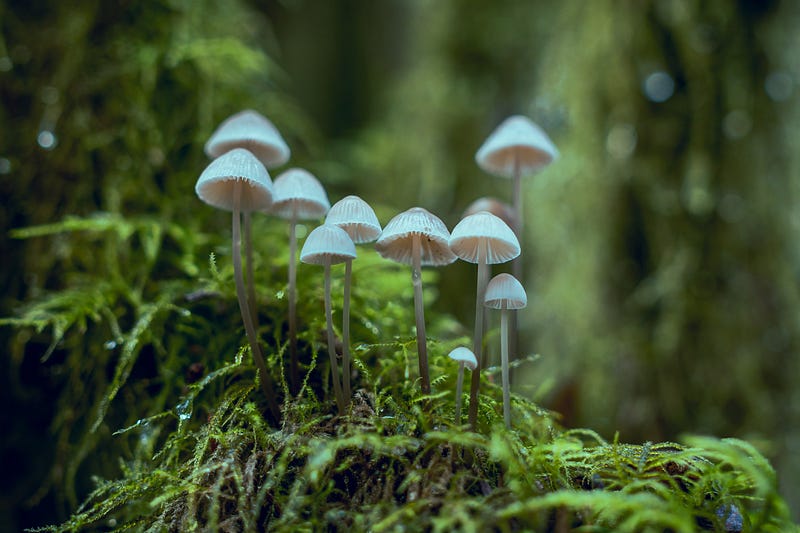
Photo by Chris Gonzalez from Pexels

Waste is a product of our time. An unfortunate product, because it is polluting our rivers and oceans and it’s destroying our soils. We can do better, much better! In this article, I want to show you how unusual, yucky material choices can make a huge difference.

Please, designers of this world, help us create new products made from these great materials, so waste will not be part of our future anymore…

The root cause of waste lies in our business models. We have created an economy in which businesses are allowed to employ linear business models. They make their companies work with just the advantages and throw all disadvantages over the wall to society. It’s as if a neighbor is emptying the bin in our backyard shouting: “Hey, here’s something to keep you busy!”

For anyone who is now raising her eyebrows thinking: “What’s she talking about? Linear?” Here’s some background on the business models. Linear, circular, and regenerative.

Business Models Matter

  • a linear business model starts with a resource, continues with production (producing waste as a by-product) and goes to consumption (with more waste as a by-product). In the end, everything is waste. This is what is ‘normal’ now…
  • a circular business model connects the end to the beginning. Waste becomes a resource again. So we recycle materials, we repair parts or we reuse whole products. Sometimes we do not sell a product, but a service. E.g. instead of selling lamps we sell light. This is where many governments want us to go…
  • a regenerative business model is also circular. It makes sure that the waste of one product is used as a resource for another product. But it does more! It gives back to nature with its waste. If waste of production processes can be food for the soil we will unleash the abundance that’s nature’s natural way of being. We can align the economy and ecology, it just requires a different mindset…

The easiest example of giving back to nature is the planting of trees. We can make sure that we don’t chop more trees than we replant. However, it’s mighty important that we create biodiversity with the replanting as well. We need lots of species, we need real abundance.

“Please, designers of this world, help us create new products made from these great materials, so waste will not be part of our future anymore…”

And we can do so much more! If we make sure the economy and ecology are connected and are using the same principles, we can create a wonderful home for all species. And at the same time, we can create qualitative growth for our economy.

In my articles, I always like to stimulate the action coming from aware people. Consumers and entrepreneurs who want to make a difference. And I think there will be a lot of designers among them.

So what if all designers of the world joined forces and changed their design process using regenerative materials?

What if all design academies would change their education programs and start to design with regenerative materials?

Well, whether you are a designer or not, if you want to know more about the materials of the future… The materials that will prevent waste… This article is for you.

Think-tank Is Finding Systemic Solutions

Zero Emissions Research Initiatives (ZERI) is a think-tank looking beyond sustainability. Together with many scientists and entrepreneurs, they are finding solutions for a regenerative future. The Blue Economy is the book and website that accompany the thinking and doing of ZERI.

This is my starting point, talking about materials. In the Blue Economy Principles (all 21 of them) natural processes based on physics, biology and green chemistry are the basis for everything. In ZERI-expertise and in my own projects, nature-based solutions are the only way to stay within the boundaries of our planet.

This Blue Economy Principle explains nature-based most clearly: ‘in Nature everything is biodegradable — it is just a matter of time’.

Girls and guys, this is the only logical conclusion. We need to collaborate with nature to create the more beautiful world of the future. Well, what would this mean for designers? What would it mean for innovation on the material front? And what would it mean for production methods?

“In Nature everything is biodegradable — it is just a matter of time” — Blue Economy Principle

Biodegradable means several things that might not be obvious at first glance:

  • Please be aware that biodegradable is a broad term. Some biodegradable plastics e.g. need complex processes to degrade. Lots of heat (not so sustainable), industrial composting processes, etc. This means that if this material is left outside as litter, it will not decompose
  • Biodegradable should mean degrade in soil, in freshwater, in saltwater, and in air. Otherwise, they will still pollute
  • ‘Just a matter of time’ means there is huge potential, a huge need for natural conservation technologies. Depending on the lifespan of a product, different material properties will be required
  • Production methods should innovate away from toxic chemicals and turn to mechanical processes or local, non-toxic, biochemistry instead

Kingdoms of Nature Create Endless Opportunities

In Blue Economy teaching a lot of attention is given to the ‘Five Kingdoms of Nature’ and the work of Lynn Margulis, a brilliant biologist whose ideas focused on symbiosis and the notion that in fact there are just two kingdoms: bacteria and the rest.

In her time (the 1970s and 1980s), the theories of Lynn Margulis were often seen as far-fetched. Later some of them have been widely accepted. Others remain somewhat controversial. But that might be ‘a matter of time’ as well… An interesting interview about her views on Discover Magazine can be read here.

“The notion that we are all the children of bacteria seemed outlandish at the time, but it is now widely supported and accepted” — Discover Magazine about Lyn Margulis

What are the five kingdoms of nature?

  • Bacteria (prokaryotes)
  • Protoctists (amoebas, algae)
  • Fungi (yeast, molds mushrooms)
  • Plants
  • Animals

If we look at the materials we are using nowadays, we can see that there is huge potential for the first three categories: bacteria, algae, and fungi. The unusual, yucky ones… Grubby, slimy, and spongy. They are not often used yet. They are often a black box still in terms of how to create material properties with them. And they will create the best biodegradable materials you can think of!

Let’s unleash the little creepy crawlies, ocean wonders, and moldy mushrooms. Magical materials, all of them!

These materials also create great opportunities for using waste as a resource for new products and food for our soil. Systemic design gives many new avenues for product design and material use. If you want to learn more about Systemic Design on MSc level and creating business opportunities with systemic solutions, the Polytecnico di Torino is the place to be.

One thing we have to realize when we use waste as a resource in our business models: waste of one category has to go through one or more other categories before it can become a resource in the same category again. We might create diseases if we don’t take this simple rule into account. Mad cow’s disease is an example of where it has gone wrong…

But also here, the categories bacteria and fungi offer many great opportunities with processes such as fermentation and mycelium growth.

“Let’s unleash the little creepy crawlies, ocean wonders, and moldy mushrooms. Magical materials, all of them!”

So, let’s take a look at the three categories and give some real-life examples of what’s happening in the world.

Bacteria, micro-organisms, microbes

1 The first and most logical example of giving back to nature is creating healthy soil. We have long thought that we can just add fertilizer — Nitrogen (N), Phosphorous (P) and Potassium (K) — as nutrients. However, the soil needs more ingredients to become alive, store water, store carbon, etc.

Soil needs decomposing organic matter, micro-organisms and fungi to become and stay alive. There are millions of little species in the soil that use organic matter and each other as food. All of them need to be replenished.

Waste streams from plants can be composted with technologies such as heat or fermentation. And the latter is a great example of ‘bacteria at work’ to create products for healthy soil.

  • Regenerative agriculture gives many entrances into these solutions with bacteria (and fungi)
  • Creating bokashi can be a solution using bacteria and a fermentation process
  • Or creating terra preta is another one using fermentation and adding biochar for high carbon content

And don’t think it has to stop with just soil enhancement. Have a look at this business model from Dycle in Berlin. Biodegradable diapers are fermented, making terra preta. On this fertile soil, fruit trees are planted and the fruit feeds the babies again. A regenerative business model to be admired…

2 Bacteria have many more applications. We can clean our house using healthy bacteria. This method is based on the fact in our environment we have healthy bacteria, many neutral ones and some pathogens (bacteria that cause diseases). Nowadays we fight pathogens by killing all bacteria. But there is another way.

If we add extra healthy bacteria to our environment, they will outnumber the pathogens and make them harmless. It’s like being in a football stadium. If 100 hooligans are in an empty stadium, hell will break loose. If 100 hooligans are spread thin in a stadium with 50,000 happy spectators, they will be harmless.

It may sound a bit creepy, but it’s not new. Water treatment facilities use micro-organisms all the time to create clean drinking water. And on our skin, around 100 different bacteria have their home. In a healthy human gut, there are trillions of micro-organisms among which around 1000 different species of bacteria. So let’s get used to the idea and create healthy living and working environments with bacteria.

3As a designer you might be as mesmerized as I am by the work of Megan Valanidas. She uses ‘bacteria-centered design’ to create bioplastics that decompose naturally. Wow!

4 We can create light with bacteria. Swedish designer Jan Klingler creates lights colored by growing patterns of bacteria, yeast, and fungi.

5 Rosie Broadhead has created clothes with probiotic bacteria as a second skin. Great idea! Improving health by wearing clothes!

However, to be really regenerative, we need to do better. Our fabric materials should be made of biodegradable, abundantly growing materials such as bamboo, nettles, algae or industrial hemp. Only then can we prevent microplastics to enter the water streams. The production processes for extracting the fibers should be mechanical, or biochemical and non-toxic. And our ink should be biodegradable as well.

It would transform our fashion industry completely if designers would really start to think regeneratively! What to think of clothes that are colored by reflecting light via textile structure? The way butterflies do it?

“It would transform our fashion industry completely if designers would really start to think regeneratively!”

Algae and Seaweed

6 These are materials with so much potential that I hardly know where to start. We can use kelp as a building material or for furniture. Julia Lohmann, professor of design at Aalto University Finland, creates the most wonderful designs with kelp. In 2020 she built a Pavillion at the World Economic Forum to show the need for environmental ocean conservation and the potential of kelp to the world.

7 Spirulina is a very healthy alga for humans. Tim van Koolwijk has founded the company Spireaux to fight malnutrition in the world with this protein-packed seafood. But this initiative does more. It creates spirulina in a regenerative business model.

In BlueCity in Rotterdam, many circular entrepreneurs join forces to create the business models of the future. Spireaux uses the CO2 produced by his neighbor, the beer brewer Vet and Lazy to produce his spirulina. Waste of one product is a resource for the next. Wow! So this is what collaboration in regenerative business models can look like!

The technology Spireaux is using is also well thought-through. By using LED powered reactors they can scale vertically instead of horizontally, reducing the land-use of algae cultivation significantly. The LEDs are water-cooled to make them even more efficient and all the waste-heat produced is being used to warm up the building. Spiral thinking…

English info can be found under de Spireaux-link above, but I also want to serve my Dutch readers with this article. Sorry, English speaking folks, just for once a Dutch source…

8 The Seaweed Company is unleashing the potential of biodiverse seaweed growing for many products. They focus on scaling up the material supply without compromising biodiversity and ocean conservation. Examples are food, animal feed, sports nutrition, biofuel, fertilizers, and bioplastics.

9 We saw light made by bacteria. Well, light can also be produced by algae. Daan Roosegaarde, an inspiring designer who uses biology and technology in his creations, does it. Have a look, go beyond your unusual feelings regarding these little creatures and be mesmerized…

Fungi, mushrooms, yeast

The third category of materials that can change the world, is fungi. What material, what potential! We can use the mushrooms themselves or the mycelium which normally grows underground and creates huge networks in the soil.

10 My personal inspirator in the mushroom-field is biologist Ivanka Milenkovic based in Belgrade, Serbia. She really understands mushrooms and has changed many lives with her training on how to use waste streams to create protein-packed food.

11 But there is much, much, much more possible! We can create building materials, packaging, textiles, and furniture with it. For every designer who is interested in knowing more about the fantastic opportunities of fungi, here is a report you do not want to miss.

“It is now becoming apparent that these organisms, which often cannot be seen with the naked eye and spend vast parts of their life cycle underground or inside plants and animals, are responsible for incredibly important processes; these include global cycling of nutrients, carbon sequestration, and even the prevention of desertification in some drought-prone regions of the world.”

“Fungi also underpin products and processes that we rely heavily on in aspects of everyday life, from critical drugs (including statins, the class of medication used to lower blood cholesterol), to the synthesis of biofuels, to cleaning up the environment through bioremediation.” — quoted from ‘State of the World’s Fungi 2018'

And to give you a designer example, just have a look at this article in the Financial Times.

12 Here is an example of headphone parts made by yeast. It’s a synthetic biotech example and normally I’m a bit wary to include those in my articles. I’m fully convinced that nature creates things a certain way for a reason. And we, humans, with our reductionist, one-dimensional minds, are not always seeing the full picture.

So that is the reason that I’m not in favor of genetic change or synthetic biotechnology. Until now, nature has proven to be wiser than people, so please bow to that wisdom and create with what’s readily available.

“Until now, nature has proven to be wiser than people, so please bow to that wisdom and create with what’s readily available”

Conclusion

Dear designers and entrepreneurs, there’s work to do! We want to innovate with unusual, yucky materials because they are the biodegradable ones. The ones giving back to nature instead of producting waste. Systemic solutions are our answer. We need to use abundantly growing resources, use waste streams, and recreate non-toxic production processes.

And as you can see from the many examples, it can be done. We just need many more designers and entrepreneurs to do it! So for everyone willing to take up this challenge: let’s share insights. Let’s motivate each other to do better. Let’s join forces.

And I can tell you from personal experience, your life will never be the same! And that’s definitely a good thing! I meet the most amazing people on this journey, and I’m fascinated and inspired by the most amazing natural phenomena.

So, as an end gift, here is the talk by Daan Roosegaarde at the World Economic Forum this year. Design by Nature. Happy inspiration!

If you want to connect, you can find me on LinkedIn or Facebook or somewhere in the forest inspired by the mycelium under my feet.

Thank you, Mike, for adding your wise energy to my words on systemic design.

Further reading

About the author

About ecosystem restoration and why it’s so important to unleash the abundance of nature again.

About the business models that will change the world

Design
Material Design
Sustainability
Economy
Climate Change
Recommended from ReadMedium