
Colonialism’s Legacy: Unearthing the Roots of Modern Inequality and Injustice
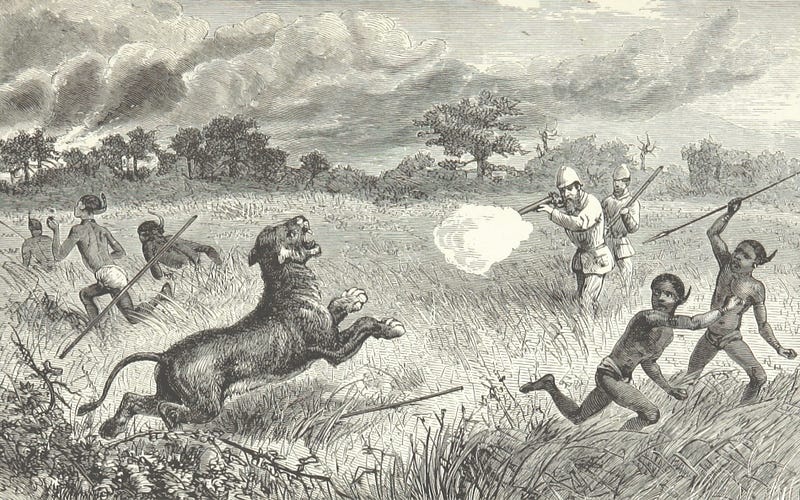
European colonialism is not merely a historical topic, but rather a set of societal constructs that continue to shape our lives and societies in the modern world. Understanding these effects is crucial in addressing existing inequalities and systemic issues that have persisted through time.
The Shaping of Our World
European colonialism has played a pivotal role in shaping the world as we know it today. The conquests and territorial expansion by colonial powers, such as Portugal, Spain, France, and Great Britain, led to the formation of many modern-day countries.
The political boundaries and cultural landscapes we see today are, to a large extent, the direct result of centuries of colonisation.
Moreover, the widespread use of European languages, such as English, French, and Spanish, can be traced back to the colonial era.
As Europeans settled in different parts of the world, they introduced their languages, which have since become major global communication tools. This linguistic influence is a testament to the enduring impact of European colonialism on todays world.
Creation of Modern Day Countries
The key colonial powers — Portugal, Spain, France, and Great Britain — have left a lasting mark on the world by shaping many modern-day countries.
During the age of exploration and colonisation, these European nations embarked on voyages to discover new lands and establish colonies. As they staked claims on territories and imposed their rule, they significantly altered the political, cultural, and social landscapes of the regions they colonised.
The borders and governance structures we see today are largely a consequence of their colonial endeavours.
This transformation of the world map is a powerful reminder of the enduring legacy of European colonialism on the global stage.
The Spread of European Languages
The spread of European languages, such as English, French, and Spanish, is another notable consequence of European colonialism.
As the colonial powers established their presence across the globe, they introduced their languages to the local populations. Over time, these languages became widely spoken and integrated into various aspects of life, including governance, education, and trade.
Today, English, French, and Spanish serve as major global communication tools and are recognized as official languages in numerous countries.
The ubiquity of these languages highlights the far-reaching impact of European colonialism on the linguistic and cultural diversity of the world.
The Legacy of Colonialism on Governments and Legal Systems

The legacy of European colonialism has had a profound and lasting impact on the governments and legal systems of many nations.
Colonial powers introduced their political and legal ideologies, administrative structures, and laws to the territories they conquered. As a result, many of these systems still influence the governance and legal frameworks of former colonies today.
In some cases, post-colonial governments have chosen to maintain or adapt these structures to suit their specific contexts.
The colonial experience has also shaped political ideologies, discourses, and power dynamics in both colonised and colonising countries.
Influence on Western Societies
European colonialism has also significantly impacted Western societies, as traditions and values handed down by European settlers continue to shape contemporary culture, governance, and social norms.
European settlers brought their religious beliefs, customs, and institutions to the territories they colonised, and these elements became deeply ingrained in the fabric of Western societies.
The resulting fusion of cultures has given rise to unique social practices, political systems, and legal frameworks that bear the imprint of European colonialism.
Impact on Indigenous Peoples
Related to the above though, the impact of European colonialism on indigenous peoples has also been profound and, in many cases, devastating.
As colonisers expanded their territories, indigenous communities and cultures were disrupted, and their traditional ways of life were often destroyed.
European settlers frequently imposed their beliefs, values, and social structures on the native populations, leading to a significant loss of cultural heritage and identity.
In addition to this, the appropriation of land and resources by colonial powers resulted in the displacement of indigenous peoples from their ancestral territories, severing their connection to the land and the traditions it fostered.
This disconnection has had lasting consequences, as generations of indigenous peoples have struggled to reclaim their heritage, maintain their languages, and regain their rights to land and resources.
The ongoing challenges faced by indigenous communities today are a stark reminder of the lasting effects of European colonialism on the world’s indigenous populations.
Extractive and Exploitative Colonialism
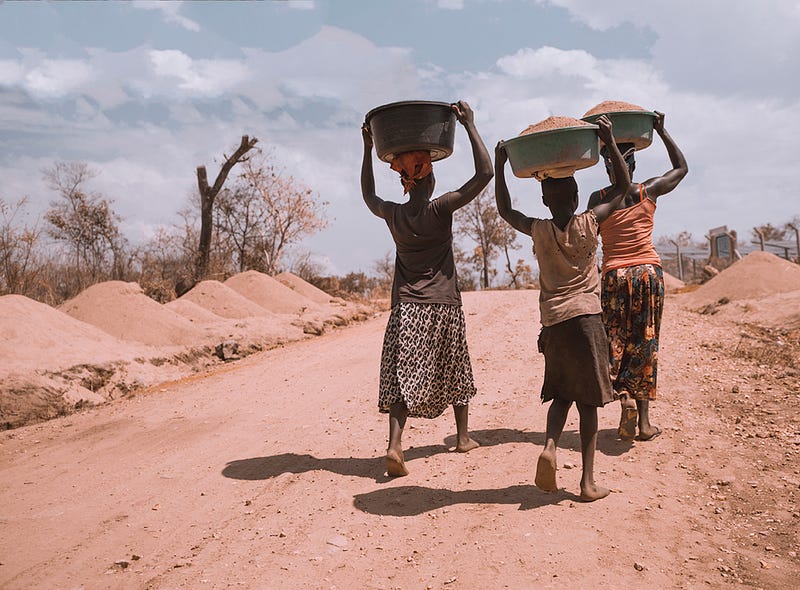
Extractive and exploitative colonialism refers to the practices employed by European colonial powers to accumulate wealth and resources by exploiting the territories they colonised and their inhabitants.
These practices involved the extraction of valuable raw materials, forced labor, and the establishment of trade networks that disproportionately benefited the colonisers.
In many cases, extractive colonialism led to the depletion of natural resources, environmental degradation, and the disruption of local economies. The exploitation of indigenous peoples and other vulnerable populations, such as enslaved Africans, further exacerbated social and economic inequalities both within and between nations.
The consequences of extractive and exploitative colonialism continue to be felt today, as formerly colonised countries struggle to overcome the lasting impacts of these practices on their societies, economies, and environments.
Addressing the historical injustices and ongoing effects of extractive and exploitative colonialism remains a critical challenge for the contemporary world.
Accumulation of Wealth and Resources
The accumulation of wealth and resources through extractive and exploitative colonialism significantly contributed to the affluence of countries like Great Britain, France, Spain, the US, Canada, Australia, and New Zealand.
By exploiting the resources and labor of their colonies, these nations amassed wealth that laid the foundation for their economic growth and development.
The extraction of valuable raw materials, such as gold, silver, precious stones, timber, and agricultural products, fuelled the industrialisation and expansion of European economies.
Moreover, the forced labor of indigenous peoples and enslaved Africans facilitated the establishment of profitable trade networks and industries that generated substantial wealth for the colonising powers.
The prosperity enjoyed by these countries today is, in part, a direct result of the wealth and resources acquired through colonial exploitation.
Recognising this historical context is crucial for understanding the global economic disparities and power dynamics that persist in the modern world.
Atlantic Slave Trade
Related to the above, was the Atlantic slave trade, which also played a significant role in building wealth and development in Western societies through the forced labor of enslaved Africans.
From the 16th to the 19th century, millions of Africans were forcibly taken from their homelands, transported across the Atlantic, and sold into slavery in the Americas and the Caribbean.
The slave trade supplied a cheap and abundant labor force that was instrumental in the establishment and growth of plantation economies, particularly in the production of lucrative cash crops such as sugar, tobacco, and cotton.
The profits generated from these plantations, along with other industries that relied on slave labor, contributed to the economic growth and industrialisation of European colonial powers and their settler colonies.
The legacy of the Atlantic slave trade continues to have a profound impact on the descendants of enslaved Africans and the societies in which they live.
Understanding the role that the slave trade played in building the wealth and development of Western societies is essential for addressing the historical injustices, racial inequalities, and socio-economic disparities that persist in the present day.
The Lingering Effects of Colonialism

The lingering effects of colonialism are evident in various aspects of contemporary society, as the historical injustices and unequal power dynamics established during the colonial era continue to shape the experiences of individuals and communities worldwide.
These effects manifest in numerous ways, including generational trauma, persistent racial and socio-economic inequalities, and the perpetuation of systems that privilege certain groups over others.
Colonialism’s impact on indigenous peoples and the descendants of enslaved Africans is particularly significant, as they continue to grapple with the consequences of cultural disruption, displacement, and exploitation.
The ongoing struggles faced by these communities to reclaim their rights, heritage, and identities reflect the enduring legacy of colonialism.
Related to these issues, are the lingering effects of colonialism that can be observed in the treatment of immigrants and refugees, racial disparities in law enforcement and social services, and the perpetuation of Eurocentric perspectives and narratives in education and media.
Addressing the lingering effects of colonialism requires a collective effort to confront historical injustices and challenge ingrained biases and power imbalances.
Generational Trauma and Inequitable Circumstances
Generational trauma and inequitable circumstances are some of the most profound lingering effects of colonialism particularly.
For many indigenous peoples and descendants of enslaved Africans, the traumas experienced by their ancestors have been passed down through generations, resulting in a range of complex psychological, social, and emotional challenges.
Generational trauma can manifest as mental health issues, substance abuse, and difficulties in forming and maintaining healthy relationships, as well as distrust and fear of institutions that have historically oppressed these communities.
Additionally, systemic racism and discrimination perpetuate the marginalisation of these groups, exacerbating the consequences of historical trauma.
Inequitable circumstances, such as disparities in access to education, healthcare, housing, and economic opportunities, are also a direct result of colonialism’s legacy.
These inequalities create barriers for individuals from marginalised communities to improve their socio-economic status, perpetuating cycles of poverty and disadvantage.
Unrecognised Impact of Systems Favouring European Descent
The unrecognised impact of systems that favour those of European descent is another lingering effect of colonialism.
Throughout history, colonial powers established institutions, laws, and social norms that privileged European settlers and their descendants, often at the expense of indigenous peoples, enslaved Africans, and other marginalised groups.
These systems have perpetuated racial and ethnic hierarchies, resulting in unequal access to resources, opportunities, and justice for those not of European descent.
For example, disparities in education, employment, and the criminal justice system can often be traced back to institutional biases and discriminatory practices rooted in colonialism.
The unrecognised impact of these systems is particularly insidious, as it can lead to the normalisation of racial and ethnic privilege, making it difficult for those who benefit from these systems to recognise the advantages they enjoy.
This lack of awareness can contribute to the perpetuation of systemic racism and discrimination, as well as hinder efforts to promote equity and inclusion.
Addressing the unrecognised impact of systems favouring European descent requires a conscious effort to dismantle institutional biases, challenge ingrained social norms, and foster greater understanding and empathy for the experiences of marginalised communities.
This process involves reevaluating historical narratives, promoting inclusive education, and advocating for policy changes that promote social justice and equality for all.
Understanding the story of European colonialism and its effects on today’s society is essential to addressing the inequalities and systemic issues that persist.
By recognising this history and working together, we can challenge the structures that privilege certain groups over others and work towards a more equitable future.
Considering becoming a Medium member? By signing up through my referral link, you’ll give me a minor commission at no extra cost to you! In addition, you’ll gain unrestricted access to the entire collection of stories on Medium.


