
Unraveling the Orbit of Isaac Newton: A Glimpse into the Life of a Revolutionary Genius
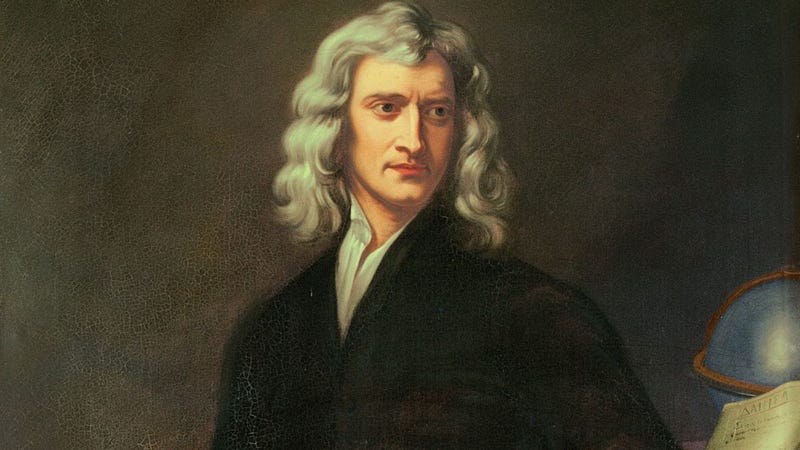
Sir Isaac Newton was far more than just a ‘great scientist’ — he was a trailblazer, a maverick, a true revolutionary in the world of science and knowledge. If we try to measure his intelligence, we will find ourselves lost in the vast ocean of his mind. Despite standing on the shoulders of his predecessors, the leaps and bounds he made in understanding our universe are simply staggering.
When it comes to observational ability, Newton was in a league of his own. His insight and intuition were so profound that they often left us in disbelief, even centuries later. And yet, he was made of the same stuff as you and I. So, what set him apart? It’s a mystery that leaves us baffled and intrigued. It’s peculiar, absolutely, but also incredibly inspiring.
You know how in a television series, they occasionally introduce a character so radical, so incredible, that they completely change the dynamic of the show? That’s what happened with humanity when Newton entered the scene. Amidst the cast of billions, Newton was a character unlike any other. If Earth was a cosmic stage and humans were a spectacle for celestial beings, Newton would be the riveting protagonist that keeps them hooked.
Newton was more than a man; he was a superhero in his own right, not with a cape nor supernatural powers, but with a brilliant mind that could see beyond the ordinary. His laws of motion didn’t just move apples; they moved mountains, planets, and galaxies and completely transformed how we perceive our universe. Newton didn’t just discover gravity; he force-pulled humanity into the Age of Enlightenment. A superhero? Absolutely. A game-changer? Definitely. A legend? Without a doubt.
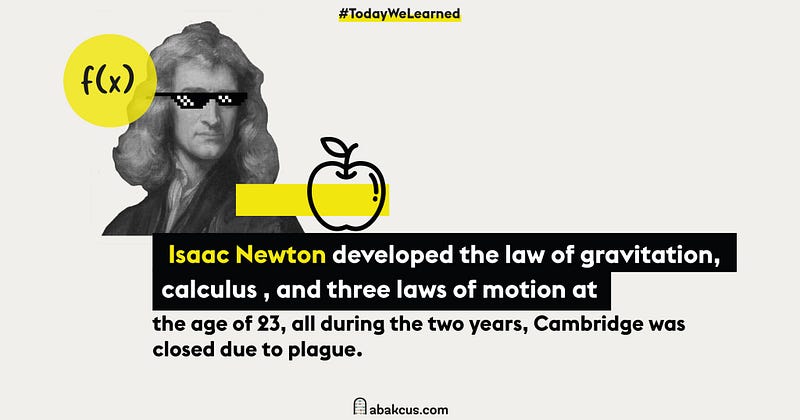
On a fateful Christmas day, Newton arrived in this world just four months after the tragic demise of his father. His birth seemed to cast a ray of hope across the town, faint whispers murmuring about the babe being a miracle child (he was premature and so tiny that no one expected him to live), a beacon of light in the darkness.
His father had been a loyalist, standing staunchly by the king’s side in the bitter strife between the king and parliament. The battlefield had claimed his life, but not before he had etched an indelible mark on history. A farmer by trade, his father had accrued wealth by aligning himself closely with the monarchy. He left behind a legacy in the form of a vast, fertile estate in Woolsthorpe and a stately mansion in his wife’s name. His departure set the stage for the rise of his son, Newton, who was to transform the human understanding of the cosmos.
At the tender age of seven, Newton embarked on his academic journey, entering school and stepping into the world of knowledge. However, the years that followed were not devoid of hardship. When he was just nine, his mother abandoned him, moving to another town over 40 kilometers away to live with a priest she had secretly loved. This act of desertion left a bitter taste in Newton’s mouth, breeding a resentment he harbored against his mother for the rest of his life.
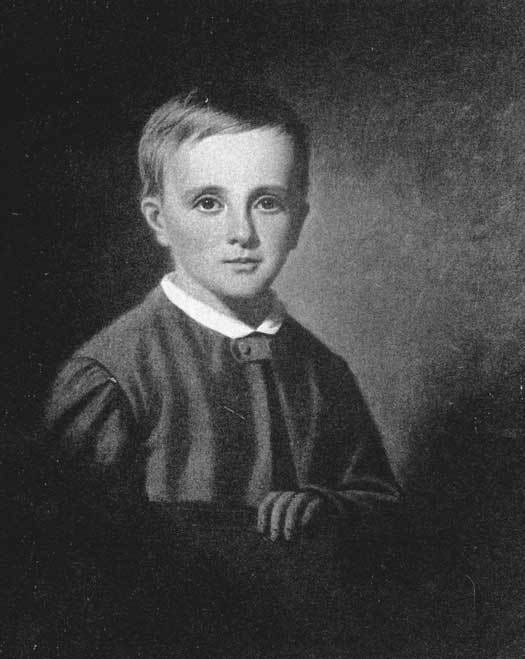
Left in the care of his grandmother, Newton’s life took another turn when he was ten years old. He moved in with his uncle, a priest, who was an erudite man with a deep respect for learning. Living with his uncle, Newton was introduced to books — an invaluable treasury of knowledge. The more books he devoured, the more he realized that he had found his true passion in learning. Reading not only quenched his thirst for knowledge but also brought him immeasurable joy and satisfaction.
In his pursuit of greater learning, Newton, who had by then demonstrated exceptional academic prowess, moved in with the Clarke family, close family friends who offered him further opportunities for education. This move marked another significant chapter in his life, laying the foundation for the intellectual giant he was later to become. It was under the generous roof of the Clarke family. Mr. Clarke, his foster father, was a pharmacist by trade but a scholar at heart. A man of cultured tastes, he had amassed an awe-inspiring library tucked away in the attic of their home.
For Newton, this attic transformed into a sanctuary, a space where he found solace and tranquility. As he buried himself in the pages of countless books, he not only acquired knowledge but also continually evolved and bettered himself. The Clarkes were known for their intellectual soirées, hosting renowned thinkers and scientists from around the globe. The young Newton was privy to these stimulating discussions, growing up amidst profound philosophical debates and scientific discourses.
By the age of 17, Newton found himself deeply impacted by these intellectual exchanges. He was fortunate to have listened to the ideas of illustrious minds like Huygens, Descartes, and Robert Hooke. Little did these eminent scientists know that the curious teenager quietly absorbing their discussions was soon to send ripples that would reshape the entire scientific world.
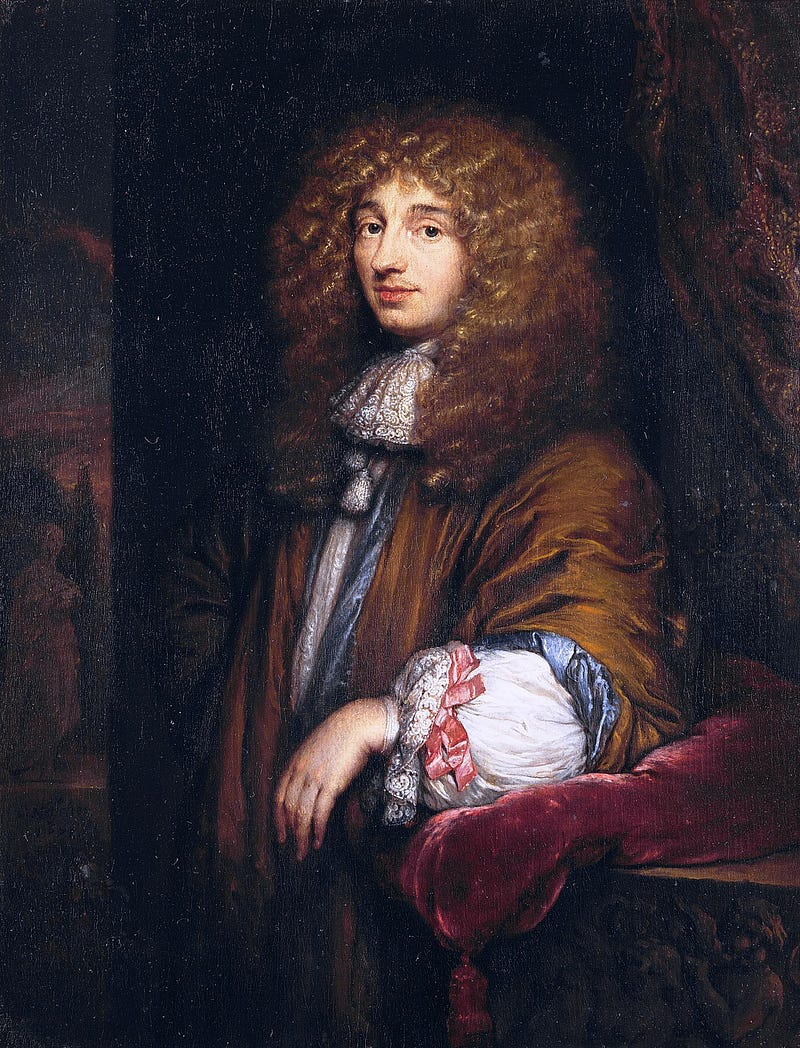
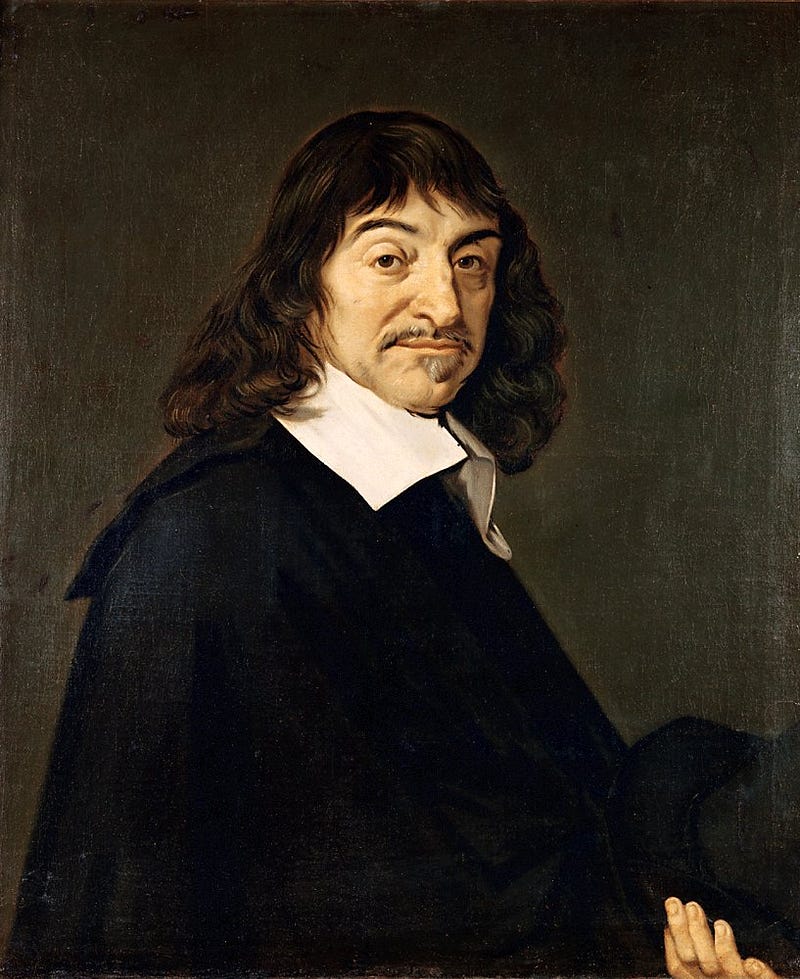
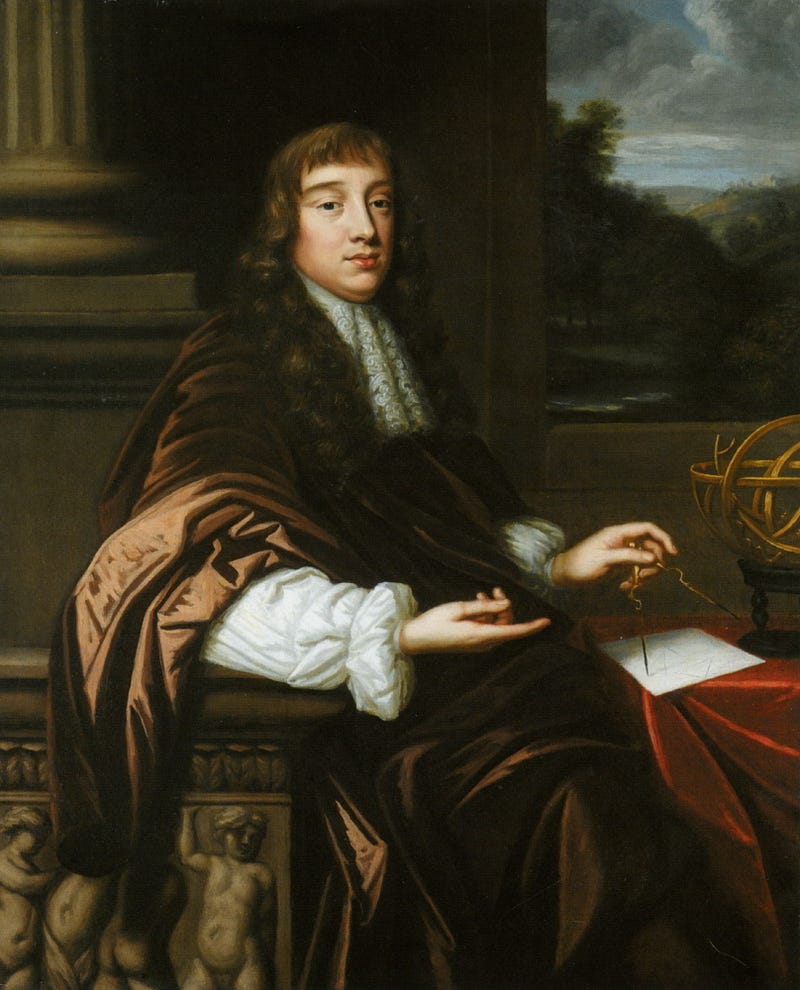
Newton’s childhood was marked by an insatiable curiosity, a constant quest to answer questions that most children his age wouldn’t think of. He wondered about the laws governing the natural world, why people were bound to the Earth, why children who held hands and spun in a circle were flung outward, why the hues of a rainbow were unchanging, and why a marble rebounded when it hit the ground. He pondered over the celestial movements, the consistent rise of the sun from the same direction, and the calculation of time-based on solar movements.
Indeed, young Newton was an oddity. His questions, his relentless curiosity, seemed almost alien to himself. But it was within the embrace of the Clarke family that Newton found a sense of belonging, a peace that he had long yearned for. He found kinship in the intellectual giants who frequented the Clarke household, realizing that these learned men, these seekers of knowledge, resonated with the rhythm of his heart.
Newton dove headfirst into books, absorbing the knowledge they offered. He studied Galileo’s works, deciphered Kepler’s insights, and started understanding the world in a way he never had before. The puzzles that once baffled him began to piece together, forming a coherent picture that only ignited his passion for knowledge.
At a tender age, Newton decided his fate. He was to be a seeker, an explorer of the vast expanse of knowledge. This decision resonated with the purest part of his soul and was perhaps one of the most defining moments of his life. After all, who among us could ever forget the enchanting moment of discovering our purpose in life? Newton, like us, was no exception.
Years flew by, and Newton, the boy who had been orphaned and abandoned, completed his secondary education. His intellect shone brightly, surpassing others of his age. Yet, fate had another blow to deliver. His stepfather passed away, and his estranged mother summoned him back.
At the tender age of 17, he returned, somewhat begrudgingly, to his mother, who had been left with three young children from her marriage to the old vicar. According to her, Newton’s rightful place was at the manor, with fields that needed tending. She insisted that his education was more than sufficient and that his new duty was to care for the mother who had once abandoned him and tend to three half-brothers for whom he bore nothing but distaste.
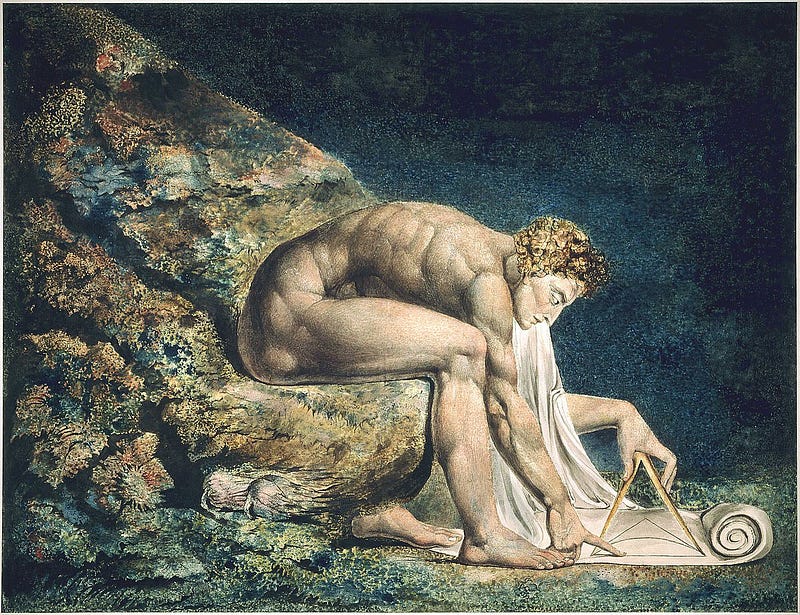
Newton, however, was fiercely resistant to this new, imposed life. He was a constant source of trouble, never missing an opportunity to express his reluctance and discontent. His mother, unable to bear his rebellious attitude, sent him back to the Clarke household. Yet, in a cold act of defiance, she withheld the financial support he needed to continue his university studies.
Newton’s journey to university was fraught with trials, transcending the realm of academics into the trenches of life’s hard lessons. Awarded a scholarship for his academic prowess, he found himself thrust into the role of a caretaker for the university master’s children and a cleaner of the university restrooms. While undeniably humbling, these duties consumed much of his time, leaving him less time to delve into his studies.
Regardless of the seemingly impossible odds stacked against him, Newton remained unyieldingly committed to his pursuit of knowledge. Every spare moment he could snatch from his daily chores was dedicated to unraveling the mysteries he studied in class. His dedication was so profound that, upon completion of his undergraduate studies, the university accepted him for a Master’s program without a moment’s hesitation.
Despite his unusual journey, Newton was not a conventional success story. Yet, he had a distinctive aura, a unique assertive presence that set him apart. His brilliance captivated his professors, but a dark cloud loomed on the horizon. As the Great Plague swept across England, the university closed its doors, and Newton was forced to return to the quaint manor, his mother’s house.
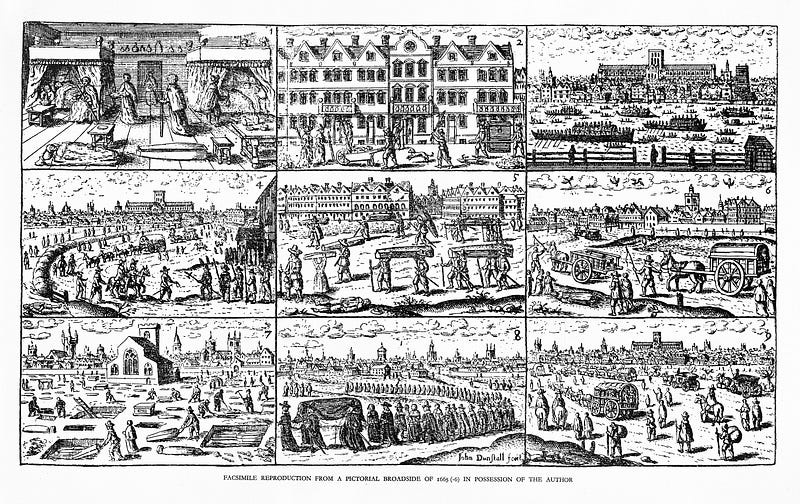
In the quiet solitude of the rural landscape, away from the hustle and bustle of university life, Newton found the tranquillity he needed to process and internalize his learnings. This unexpected period of isolation turned out to be a blessing in disguise, creating the perfect environment for Newton’s genius to flourish.
One fateful evening, as he sat under the branches of an apple tree, his gaze fixed on the moon that illuminated the night sky, an apple fell with a soft thud next to him. His keen mind noticed the stark contrast — the apple had fallen, yet the moon remained suspended in the night sky, not hurtling towards him as the apple had. Lightning seemed to strike within his thoughts, an electrifying realization that there was something fundamental, something powerful that drew the apple to the Earth but left the moon revolving in a steady path around it.
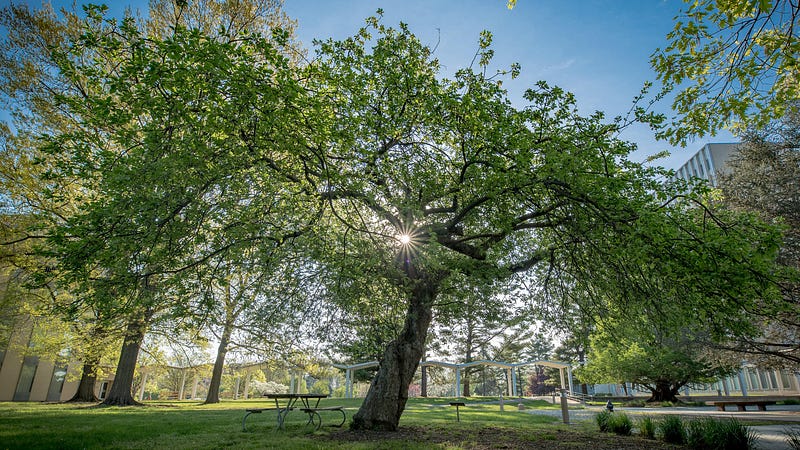
At this moment, Newton knew he had to devote himself to this question. He resolved to unravel the mysterious force that governed the movements of celestial bodies and earthly objects alike. It was a pivotal moment in his life and, unknown to him then, a turning point for humanity as well. A profound revolution was about to unfold, with Newton at its helm.
When the university reopened, Newton resumed his education with renewed vigor and an unquenchable thirst for knowledge. Enrolling in a Master’s program, he devoted every moment of his waking hours to unraveling the mysteries of the universe. By the time he was 23, an exceptional breakthrough had occurred. Newton found the starting point to formulate a brand-new mathematics known today as calculus, the theory of infinitesimals. His understanding of Kepler’s works had become so profound that he could now fully comprehend and even modify Kepler’s earlier equations.
Kepler’s equation had always intrigued Newton. The equation implied that a year would be shorter for planets closer to the sun and longer for those located further away. But why was this so? Kepler had not explained the cause, only documenting the phenomena he had observed.
Moreover, another question played on Newton’s mind — why didn’t the moon fall to the Earth? The saying often attributed to him, “Millions see the apple fall, but Newton is the only one who asks why,” is a half-truth. Newton was not merely questioning why the apple fell to the ground. The real query that consumed his thoughts was: “Millions of people have seen the moon, Earth’s satellite, over and over again, but no one has ever asked why the moon doesn’t fall to Earth.” And thus, he set forth on a journey that forever changed our understanding of the natural world.
Newton harbored a strange, almost inexplicable feeling about this equation. However, the period in which these feelings burgeoned was not his current age — his understanding and intuition would only fully mature a few years later. True to his nature as a scientist, Newton realized that he needed first to make several observations and conduct experiments on the motion behavior of matter before he could fully comprehend the phenomenon piquing his curiosity.
Indeed, such is the essence of science and the innate instinct of a scientist. They are great minds, these scholars; they are truly grand. They don’t merely accept the world as it is presented to them; they question, probe, and dissect it until they uncover the underlying principles that govern what we perceive as reality. Newton was indeed one such illustrious mind. His curiosity and relentless pursuit of knowledge would soon lead him to unprecedented discoveries that would forever alter humankind’s understanding of the universe.
Indeed, Newton’s relentless pursuit of understanding led him to experiment with spherical objects. With a keen eye and an open mind, he played with these spheres, observing their motion, reactions, and inherent tendencies. In doing so, he made his greatest discovery, a profound breakthrough that continues to shape our understanding of the universe even today.
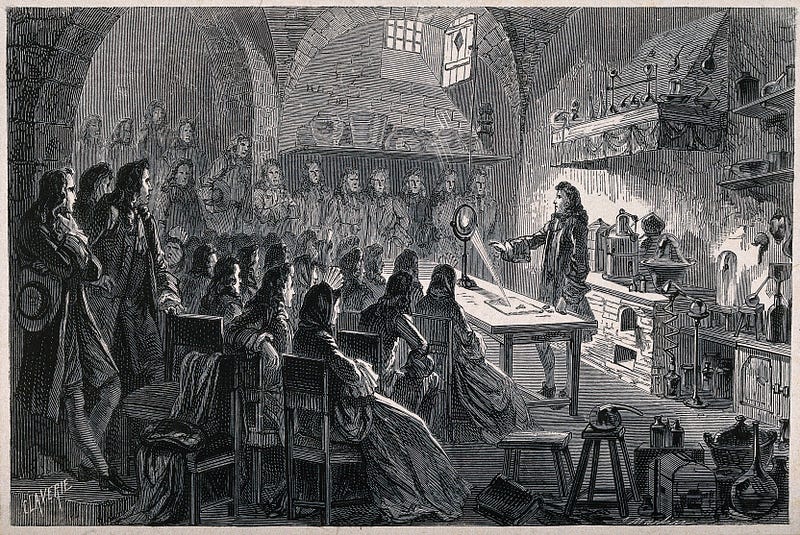
He discovered the concept of force, a phenomenon that, until that point, had remained elusive and largely misunderstood. Through his meticulous observations and experiments, he formulated three fundamental laws of motion that govern the behavior of all matter in the universe.
• The first law, also known as the Law of Inertia, states that every moving object stays in motion, and every stationary object stays at rest unless acted upon by an external force.
• The second law of motion established a direct relationship between an object’s mass, acceleration, and applied force. As Newton articulated, if a force is applied to an object, it will move; if it is applied to stop it, it will stop.
• The third law, often stated as “for every action, there is an equal and opposite reaction,” describes the interplay of forces. It illustrates that forces always exist in pairs — when one object exerts a force on a second object, the second object exerts an equal and opposite force on the first.
These three laws, brought to light by Newton’s insatiable curiosity and relentless determination, form the cornerstone of classical mechanics, shaping our understanding of the physical world for centuries.
Having deciphered these three fundamental laws of motion, Newton faced a new challenge; his era’s mathematics could not apply these observations and quantify the concept of forcefully. This problem called for a new kind of mathematics, which Newton conceptualized and developed in his twenties. This groundbreaking discipline was none other than calculus, a field of study that would soon form the bedrock of numerous scientific theories and technological advancements.
By his 25th birthday, this miraculous boy born on Christmas day in a small village had not only discovered a previously unseen force but also created an entirely new branch of mathematics to describe it. Newton’s discoveries thrust him into the spotlight, earning him worldwide acclaim and a distinguished position in the annals of science. Indeed, Newton was the first man to bring experiment and mathematics together in a harmonious marriage. In doing so, he breathed life into mathematics, transforming it from an abstract concept into a practical tool with real-world applications. This revolutionary union gave birth to a new academic discipline called physics.
At 25, the young Newton, who held the prestigious Lucasian Chair of Mathematics at Cambridge University, was not just an academic but a beacon of knowledge, illuminating a path for future generations. He opened a new door to the whole world, leading humanity on an exhilarating journey of discovery and enlightenment.
After these monumental discoveries, Newton paused his pursuits and returned to his ailing mother’s side. The emotional turmoil accompanying his relationship with his mother had always lurked at the back of his mind, a quiet fear that his underlying resentment would surface. Yet, on seeing him, his mother’s face lit up with pure joy, a clear manifestation of her unadulterated love for her son. This stirred something in Newton’s heart. The realization struck him like a lightning bolt; he was loved, wholly and deeply, by his mother.
In the following weeks, Newton, at the tender age of 25, committed himself to care for his enfeebled mother. He set aside his scientific endeavors, giving his all to prolong her life. He stepped into the role of caregiver, attending to her needs with a steadfast dedication borne out of his newfound understanding of her love. His world narrowed down to the confines of the sick room, his priorities shifting from solving the mysteries of the universe to ensuring his mother’s comfort.
However, when his mother breathed her last, it marked a significant turning point in Newton’s personal life. A wave of forgiveness washed over him, extinguishing the embers of lingering resentment. He discovered the power and purity of maternal love, an emotion so profound that it dwarfed his past grievances. He learned to forgive, to let go of the bitterness that had tainted their relationship.
In this understanding and acceptance of his mother’s love, Newton experienced a different kind of enlightenment that touched his heart and not just his brilliant mind. Following the passing of his mother, Newton immersed himself in the study of light, providing a revolutionary perspective on its nature. At his first presentation to the Royal Society, he demonstrated that white light was not a singular entity but a composite of all colors, substantiating his claim with an ingenious experiment. He anticipated support and acceptance from his fellow scientists but was met with disdain and rebuke instead.
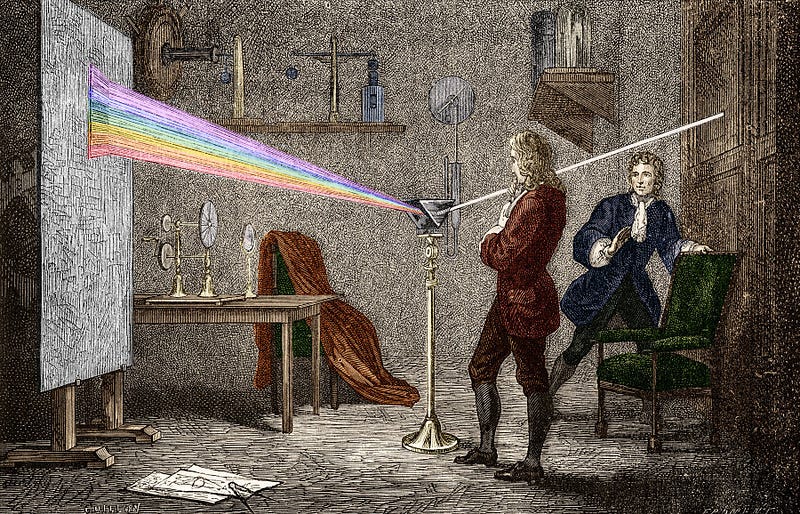
This young innovator’s audacious assertion was seen as an insult by the established scientific community. Renowned scientists of the era, such as Robert Hooke, were particularly resistant to accommodating Newton’s groundbreaking insights. Challenged by the brazen display of wisdom from a man not yet thirty, they retaliated by diminishing Newton’s work, publishing dismissive articles criticizing his theory of light.
The backlash was more than Newton could bear. The harsh criticism and unfair treatment caused him to retreat from the public eye, leading to a growing sense of isolation. The relentless censure escalated so that Newton resigned from the Royal Society. This brilliant mind was effectively silenced by the scientific heavyweights of the time, succumbing to their ambitious agendas.
Bitter and disillusioned, Newton vowed never again to share his work publicly. He held to this promise for five decades, a long period during which humanity remained in the dark about his trailblazing ideas. The world had to wait years to understand the incredible insights Newton had developed in his solitude.
After intense scrutiny from the scientific community regarding his theory of light, Newton decided to shift his focus. He had been intrigued by Kepler’s theory, which seemed to gnaw at his mind, a strange, captivating puzzle that beckoned him. Each time he pondered this equation, a spark of excitement ignited.
Finally, in his 30s, Newton had an epiphany. His persistent contemplation bore fruit in the form of discovering the centrifugal force, an invisible force that grabbed an object on a string and flung it outward. According to Newton’s calculations, this force depended on three components: the length of the string, a constant, and the object’s mass. The formula for centrifugal force was born.
Newton’s t² led to a deep question: why doesn’t the moon fall onto the Earth? He proposed an imaginary string between the Earth and the moon, with the Earth perpetually ‘throwing’ the moon and thus preventing it from descending. Using these equations, he unraveled the Earth’s gravitational force and discovered it to be a constant. The force exerted by an object on Earth was proportional to the square of the Earth’s diameter. Moreover, he posited that this gravitational force was universal. Newton’s groundbreaking discovery made the invisible string visible, redefining our understanding of the cosmos.
Years later, a surprising correspondence arrived at Newton’s door, a letter from Robert Hooke himself. Hooke was proposing a theory that sounded eerily familiar to Newton. The irony was palpable; Newton had already substantiated this very discovery a good 17 years prior, long before Hooke had even begun to contemplate it. Reading Hooke’s words, Newton couldn’t help but chuckle. He made no move to respond, letting the letter and its ludicrous claims fade into the obscurity of forgotten correspondences.
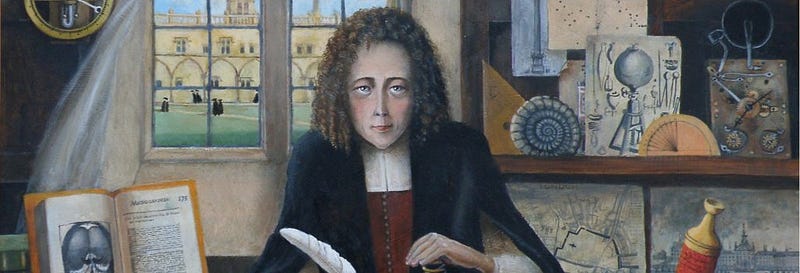
After Hooke’s death, Newton saw it as an opportunity to share his silenced theories about light finally. There was no one to challenge him this time, no one to cast a shadow over his genius. With renewed determination, he published his groundbreaking theories, putting forth his insights to the world that had withheld his recognition all those years. He chose this moment, when his vocal critic was no more, to have the last word. This was his victory, a testament to his perseverance and unyielding spirit in the face of adversity.
Enter Edmund Halley, the man destined to mend the discord between Isaac Newton and the broader scientific community. His key contribution was the study of the comet that Kepler had observed years before. Halley proposed a daring idea: the comet that appeared intermittently in the sky was one and the same. Employing Newton’s gravitational equations, he calculated its trajectory and predicted the comet would reappear. Before this, the general belief was that comets whizzed past Earth, but Halley had a different opinion. He asserted that this celestial body was perpetually in our orbit, a radical idea for the time.
In 1758, Halley’s prediction came true. The comet, now known as Halley’s Comet, graced the night sky precisely as he had anticipated. This marked a dual victory for Newton’s gravitational theory and Halley’s unprecedented prediction. Both men were proven correct, vindicating their innovative and enlightened scientific perspectives.
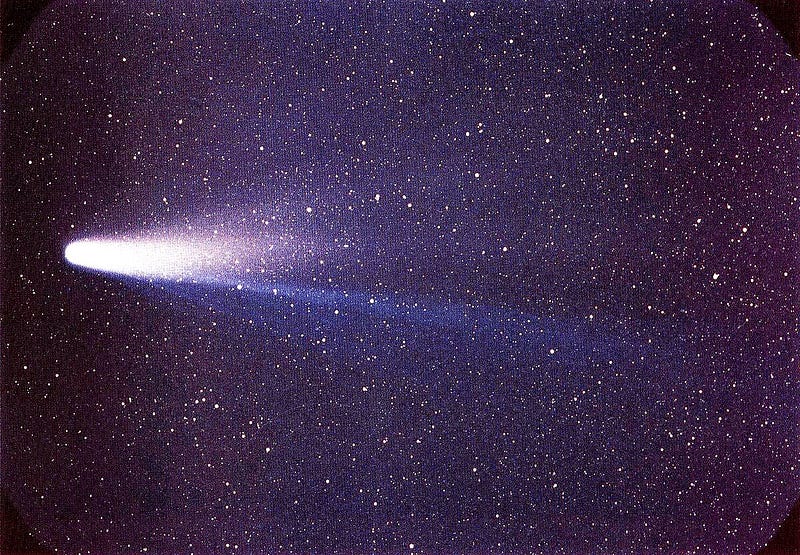
The impact of Halley’s actions was nothing short of monumental. He undertook the formidable task of publishing Newton’s extensive works, distilling them into three comprehensive volumes titled “Principia.” The world was astounded as Newton’s theories were now accessible to all, no longer confined to the limited audience of his correspondences. The profound wisdom, which had been hidden away for so long, was finally revealed. Humanity was left reeling as the density and depth of Newton’s explorations into the nature of our universe were unveiled. This was a seismic shift in the world of science, with Newton’s groundbreaking theories sparking an intellectual revolution that would forever change how we perceive our cosmos.
The scientific world soon found itself embroiled in another controversy. Gottfried Wilhelm Leibniz, a well-known German mathematician and philosopher, had also stumbled upon calculus, a mathematical concept Newton had discovered years prior but hadn’t shared with the world. This opened Pandora’s box, dividing the scientific community into two factions, each backing their preferred genius.
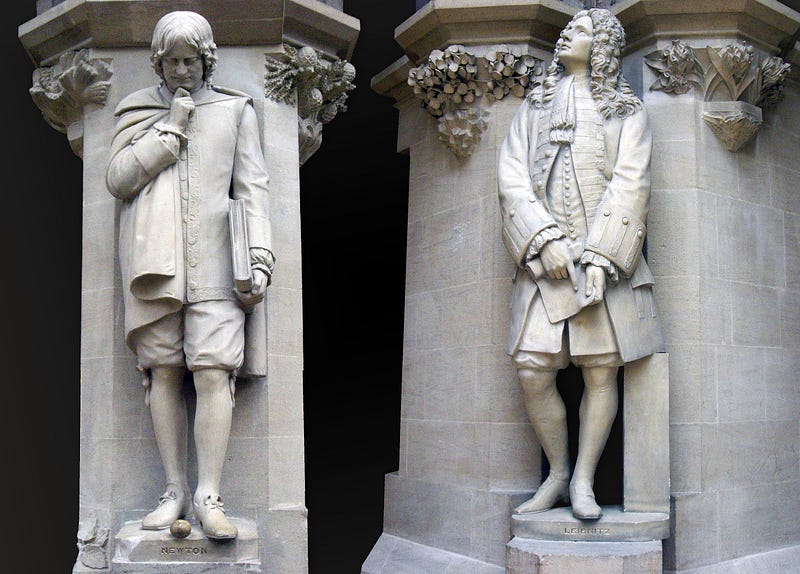
The irony was palpable. Newton, who had previously rattled the world with his groundbreaking theories, was now being scrutinized by another prominent figure, his work becoming the subject of heated debate. It served as a stark reminder of the relentless challenges faced in science; no matter your stature — be it Newton or Einstein — criticism is inevitable.
Amidst this turmoil, Newton passed away at 70 while serving as the Director of the Mint. His immense contributions to classical physics laid the foundation for the idea that numerical data from observations underpinned natural philosophy. During this era, an effort to explain everything through the lens of mathematics began taking shape. The Bernoulli family made notable contributions to math, while Emilie du Châtelet uncovered the concept of kinetic energy.
Advancements in technology paralleled the growth of scientific knowledge, with Newton’s formulas in mechanical physics acting as a catalyst. Classical physics found practical applications, leading to the creation of numerous innovative machines. So much so that in 1969, humankind achieved the extraordinary feat of landing on the moon using purely Newton’s equations. One can only wonder how Newton would have reacted had he lived to see his formula propelling human exploration to celestial heights. Would his heart have withstood such a momentous occasion?
As groundbreaking as Newton’s theories were, they also seemed to halt the progression of scientific discovery for a time. Newton had shattered Aristotelian and Platonic taboos, introducing a new scientific perspective grounded in empirical data and mathematical precision. Yet, his monumental contributions created an unintended effect: they cast such a long shadow over the world of science that innovation was stifled for years.
The general consensus was that physics had attained its zenith, its final form — classical physics was shelved, and Newton was placed on an untouchable pedestal. Anyone who dared to challenge his theories was met with overwhelming resistance, often to the point of public vilification.
It was not until 250 years later that a man would emerge to challenge the Newtonian order. Albert Einstein, a thinker as radical in his time as Newton was in his, brought a fresh perspective and upended the Newtonian worldview. He stepped outside our world entirely to propose a theory where time was relative and there were no absolutes. His theories, which we’ll delve into another time, relegated Newton’s revolutionary physics to the dusty pages of history.
Einstein’s life and work merit a more detailed discussion, one I shall save for a later date. For now, we bid farewell to Sir Isaac Newton. His work, controversial, groundbreaking, and transformative as it was, forever altered the course of science. Despite the stagnation that followed, his legacy continues to shape how we understand our universe. May his soul rest in peace.
Note 1: Beyond Euclid! is my weekly newsletter that brings you only high-quality math and science stuff to ensure you are having a good week. Please do yourself a favor by subscribing to Beyond Euclid and enjoy it! And if you can be a member and support my work, that would be awesome! Thank you!

Note 2: I get commissions for purchases made through links in this post.