avatarDr. Jason L. Benskin

Free AI web copilot to create summaries, insights and extended knowledge, download it at here

3078

Abstract

over a successor to the 737NG. You might find it interesting to note that Jim McNerney, Boeing’s CEO at that time, announced the plan for a next-generation airplane in early 2011. A new dawn in aviation was exciting to think about, right?</p><p id="9665">This forward-thought didn’t last long, though. The focus shifted from development to more strategic plans in terms of cost-effectiveness. By 2030, they planned to replace the 737 with an innovative airplane, possibly featuring composite materials — a major breakthrough that would have set new standards in aviation.</p><p id="e04c">But the pivotal moment in our narrative happens in recent history. As hard as it is to believe, Boeing had its worst year in at least three decades in terms of aircraft orders and deliveries. It even lost the title of the world’s biggest airplane-maker to its rival, Airbus. A shocking turn of events, isn’t it?</p><p id="a1fb">Financial repercussions were inevitable. In light of the twin disasters linked to the now-infamous 737 MAX, Boeing faced a hefty settlement. The harsh reality became a mirror reflecting the consequences of strategic missteps. It’s a chilling lesson: the trail to innovation can be fraught with risk, showing that future breakthroughs must be grounded in lessons from the past, wouldn’t you agree?</p><p id="2af5">So, how did we get here? Crash as a disaster strike word, in context of aviation, is surely one of humanity’s darkest fears. And rightfully so. Safety in the skies, for many, equates directly to trust in technology. But when things go awry, like they did with Boeing’s 737 MAX, even the strongest symbols can crumble.</p> <figure id="da3e"> <div> <div> <img class="ratio" src="http://placehold.it/16x9"> <iframe class="" src="https://cdn.embedly.com/widgets/media.html?src=https%3A%2F%2Fwww.youtube.com%2Fembed%2FPdYcJldzOdw%3Ffeature%3Doembed&amp;display_name=YouTube&amp;url=https%3A%2F%2Fwww.youtube.com%2Fwatch%3Fv%3DPdYcJldzOdw&amp;image=https%3A%2F%2Fi.ytimg.com%2Fvi%2FPdYcJldzOdw%2Fhqdefault.jpg&amp;key=a19fcc184b9711e1b4764040d3dc5c07&amp;type=text%2Fhtml&amp;schema=youtube" allowfullscreen="" frameborder="0" height="480" width="854"> </div> </div> </figure></iframe></div></div></figure><p id="b122">Let’s stay on this journey together as we unravel more details on this riveting saga of Boeing’s fall from grace. There’s a great deal more to reveal as we press deeper into the roots of the problem. Knowledge is power, after all, don’t you think so?</p><figure id="a5cc"><img src="https://cdn-images-1.readmedium.com/v2/resize:fit:800/1*VPzyxz79qVsF6ooYN0wQKg.jpeg"><figcaption>Table Credit: <a href="https://hbswk.hbs.edu/item/why-boeings-problems-with-737-max-began-more-than-25-years-ago">https://hbswk.hbs.edu/item/why-boeings-problems-with-737-max-began-more-than-25-years-ago</a></figcaption></figure><h1 id="6c88">Timeline:</h1><p id="7c06"><b>In 1993, Boeing introduced its Next Generation 737</b>. This iteration of the 737 in

Options

corporated thousands of enhancements aimed at boosting safety and efficiency, setting the standard for future models.</p><p id="57b9"><b>By the late 2000s, Boeing anticipated significant single-aisle market growth</b>. It responded with the 737 MAX series, designed to incorporate the latest technology and efficiency improvements, while maintaining familiarity and commonality with the reliable 737 name.</p><p id="c131"><b>In 2017, Boeing unveiled the 737 MAX 8, incorporating fresh automation and innovation features.</b> This signaled the company’s unwavering dedication to refining the 737 model, despite the complexities involved.</p><p id="1401"><b>Around 2019, Boeing considered the creation of a New Midsize Aircraft (NMA) to replace its earlier 757 model. These plans were eventually shelved in 2020, refocusing the company’s efforts on their flagship 737 MAX series.</b></p><p id="7418"><b>Looking ahead to 2030, Boeing’s ambitious goal was to replace the 737 with a completely revamped model.</b> Preliminary plans hinted at potential advancements in composite materials. However, the emphasis seems to now be on minimizing changes to the 737 MAX, suggesting a more conservative approach amidst turbulent times.</p><h1 id="cc24">Interesting Facts:</h1><ul><li>Boeing initially developed the 737 model during the 1960s, paving the way for future versions of the aircraft.</li><li>The ‘next generation’ 737NG came into service in the late 1990s and early 2000s, showcasing advancements in technology and design.</li><li>In 2006, Boeing started contemplating the idea of a ‘clean sheet design’ which could follow the pioneering 787 Dreamliner.</li><li>Boeing intended to replace the existing 737 model with an avant-garde airplane by 2030, likely incorporating composite materials into its design.</li><li>Due to the 737 MAX groundings, Boeing announced a production slowdown in mid-April 2019, reducing the output from 52 aircraft per month to just 42.</li><li>In response to the A320neo, Boeing announced the 737 Max family in August 2011, heightening competition in the aerospace industry.”</li></ul><p id="313c">In conclusion, the issues Boeing has faced with the 737 MAX are deeply rooted, with the seeds of today’s predicaments sown long ago. Their origins trace back to design and strategic decisions made more than two decades ago, as they juggled competing priorities to match market pressures.</p><p id="492a">Despite the setbacks, Boeing’s persistent commitment to safety and efficiency enhancements has improved the aircraft’s safety record with each new model. Today, Boeing eyes the future with cautious optimism, balancing lessons from the past while forging ahead with evolutionary designs in the single-aisle market. The journey to the next successful iteration will undoubtedly be watched closely, as Boeing learns, adapts, and continues to push the boundaries of aviation technology.</p><figure id="6f03"><img src="https://cdn-images-1.readmedium.com/v2/resize:fit:800/1*QCQqlZr6doDP-cszzpaSpw.png"><figcaption></figcaption></figure></article></body>

Boeing’s 737 MAX Troubles: A Quarter-Century Worth of Issues Unpacked

Unraveling Boeing’s 737 MAX Issues: A Deep Dive into the Origins Dating Back Over 25 Years

Decoding Boeing’s Predicaments: A 25-Year History of the 737 MAX Issues
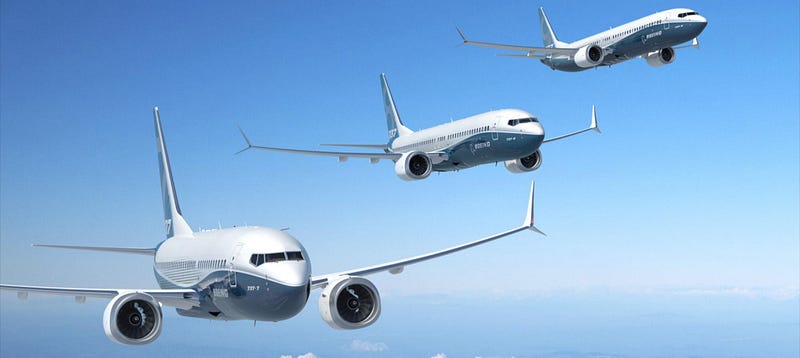
Photo Credit: http://787updates.newairplane.com/Boeing787Updates/media/Boeing787Updates/Aviation%20Experts/1113_737_MAX_DASr2-2.pdf

Imagine buying an innovative, fast, shiny new car. Now imagine having to park it indefinitely due to problems the manufacturer knew about decades before. Frustrating, isn’t it? This is the bumpy ride that Boeing experienced with its once-heralded 737 MAX. The problems that cast a shadow over this aircraft giant, as it turns out, are not recent, but began over 25 years ago. Examining these deeply rooted issues might offer answers to why Boeing faced one of the most significant crises in its history.

Let’s take a journey back in time and unravel the complex series of events that led to the downfall of the 737 MAX, switching our focus from the glaring technical problems to the more covert management decisions that charted its course. In doing so, we hope you will gain a better understanding of how Boeing’s past continues to impact its present.

“To predict the behavior of ordinary people in advance, you only have to assume that they will always try to escape a disagreeable situation with the smallest possible expenditure of intelligence.” — Friedrich Nietzsche

Did Nietzsche’s insightful words describe the path that Boeing adopted? Join us as we navigate this tale of innovation gone awry, digging deep into the story of a potent symbol of technological prowess that tumbled from grace.

Let’s turn back the hands of time to the 1960s. Boeing, a symbol of American technological expertise, conceived the 737 model. A visionary creation, it quickly became a solid backbone for the aviation industry.

Fast forward to the dawn of millennium, 2006 to be precise, Boeing started mulling over a successor to the 737NG. You might find it interesting to note that Jim McNerney, Boeing’s CEO at that time, announced the plan for a next-generation airplane in early 2011. A new dawn in aviation was exciting to think about, right?

This forward-thought didn’t last long, though. The focus shifted from development to more strategic plans in terms of cost-effectiveness. By 2030, they planned to replace the 737 with an innovative airplane, possibly featuring composite materials — a major breakthrough that would have set new standards in aviation.

But the pivotal moment in our narrative happens in recent history. As hard as it is to believe, Boeing had its worst year in at least three decades in terms of aircraft orders and deliveries. It even lost the title of the world’s biggest airplane-maker to its rival, Airbus. A shocking turn of events, isn’t it?

Financial repercussions were inevitable. In light of the twin disasters linked to the now-infamous 737 MAX, Boeing faced a hefty settlement. The harsh reality became a mirror reflecting the consequences of strategic missteps. It’s a chilling lesson: the trail to innovation can be fraught with risk, showing that future breakthroughs must be grounded in lessons from the past, wouldn’t you agree?

So, how did we get here? Crash as a disaster strike word, in context of aviation, is surely one of humanity’s darkest fears. And rightfully so. Safety in the skies, for many, equates directly to trust in technology. But when things go awry, like they did with Boeing’s 737 MAX, even the strongest symbols can crumble.

Let’s stay on this journey together as we unravel more details on this riveting saga of Boeing’s fall from grace. There’s a great deal more to reveal as we press deeper into the roots of the problem. Knowledge is power, after all, don’t you think so?
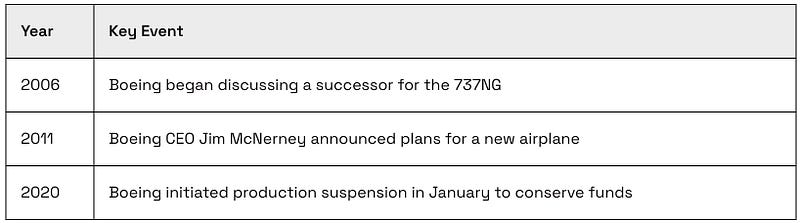
Table Credit: https://hbswk.hbs.edu/item/why-boeings-problems-with-737-max-began-more-than-25-years-ago

Timeline:

In 1993, Boeing introduced its Next Generation 737. This iteration of the 737 incorporated thousands of enhancements aimed at boosting safety and efficiency, setting the standard for future models.

By the late 2000s, Boeing anticipated significant single-aisle market growth. It responded with the 737 MAX series, designed to incorporate the latest technology and efficiency improvements, while maintaining familiarity and commonality with the reliable 737 name.

In 2017, Boeing unveiled the 737 MAX 8, incorporating fresh automation and innovation features. This signaled the company’s unwavering dedication to refining the 737 model, despite the complexities involved.

Around 2019, Boeing considered the creation of a New Midsize Aircraft (NMA) to replace its earlier 757 model. These plans were eventually shelved in 2020, refocusing the company’s efforts on their flagship 737 MAX series.

Looking ahead to 2030, Boeing’s ambitious goal was to replace the 737 with a completely revamped model. Preliminary plans hinted at potential advancements in composite materials. However, the emphasis seems to now be on minimizing changes to the 737 MAX, suggesting a more conservative approach amidst turbulent times.

Interesting Facts:

  • Boeing initially developed the 737 model during the 1960s, paving the way for future versions of the aircraft.
  • The ‘next generation’ 737NG came into service in the late 1990s and early 2000s, showcasing advancements in technology and design.
  • In 2006, Boeing started contemplating the idea of a ‘clean sheet design’ which could follow the pioneering 787 Dreamliner.
  • Boeing intended to replace the existing 737 model with an avant-garde airplane by 2030, likely incorporating composite materials into its design.
  • Due to the 737 MAX groundings, Boeing announced a production slowdown in mid-April 2019, reducing the output from 52 aircraft per month to just 42.
  • In response to the A320neo, Boeing announced the 737 Max family in August 2011, heightening competition in the aerospace industry.”

In conclusion, the issues Boeing has faced with the 737 MAX are deeply rooted, with the seeds of today’s predicaments sown long ago. Their origins trace back to design and strategic decisions made more than two decades ago, as they juggled competing priorities to match market pressures.

Despite the setbacks, Boeing’s persistent commitment to safety and efficiency enhancements has improved the aircraft’s safety record with each new model. Today, Boeing eyes the future with cautious optimism, balancing lessons from the past while forging ahead with evolutionary designs in the single-aisle market. The journey to the next successful iteration will undoubtedly be watched closely, as Boeing learns, adapts, and continues to push the boundaries of aviation technology.

Aviation
Technology
Engineering
Boeing 737 Max
News
Recommended from ReadMedium