
Unmasking the Real Culprit Behind U.S. Economic Struggles: Is it Inflation Or Corporate Greed?
As the dawn breaks, the fragrant aroma of freshly brewed coffee wafts through the air of American kitchens. But beneath this comforting morning ritual lies a simmering pot of U.S. economic challenges. For many of us, the price of that cup of coffee represents more than a personal indulgence; it’s a microcosm of the inflation effects we grapple with daily. As we sit at our breakfast tables, skimming the morning news, we can’t help but wonder about the corporate influence on economy. Could our financial strain be traced to the boardrooms of high towers, or is there more to the story?
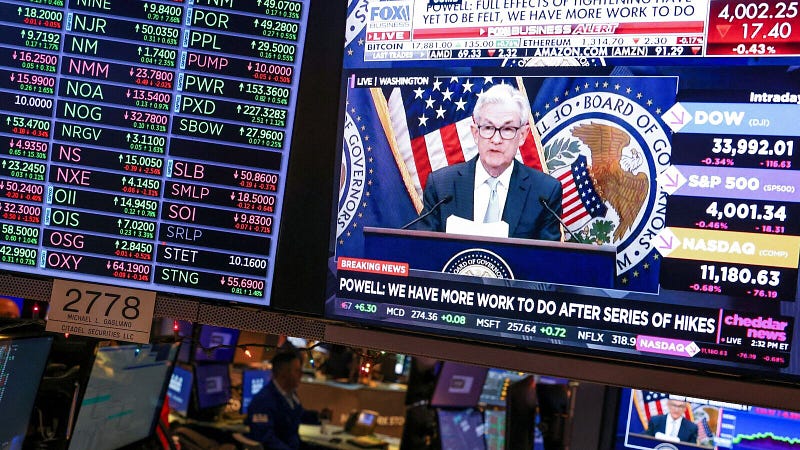
We’ve heard whispers in the grocery aisles, seen the headlines, and felt the pinch in our wallets. The dialogue is omnipresent — the cost of living rises while our paychecks struggle to catch up. In seeking to diagnose the reasons for our economic struggle causation, we are often met with two predominant suspects: the ever-elusive inflation and the much-maligned concept of corporate greed. Yet, as we join hands in search of truth, we know the path to fiscal resilience is not a simple tale of heroes and villains. It’s time for us to delve deeper, beyond the surface, to uncover the intricate web of factors that shape our nation’s economic narrative.
Together, in the following sections, we shall embark on a journey through the fabric of our economy, unraveling threads of history, policy, and humanity. Our goal is not merely to seek answers but to forge an understanding that empowers us to write a new chapter of prosperity and shared success. Let us rise with the sun, awakened, ready to engage earnestly with the perplexing quandary of our times.
Exploring the Roots of the U.S. Economy’s Challenges
As we embark on a meticulous journey through the annals of U.S. economic history, our pursuit is to shed light on the intricacies and fiscal challenges that have sculptured the framework of our economy today. Delving deep into our past, we seek to uncover the root causes of economic downturn and to comprehend the lessons history can teach us about our present circumstances.
Reflecting on the landscape of our nation’s fiscal narrative, it is paramount that we investigate the critical policy milestones and market evolutions that have left indelible marks on our financial fabric. An economic analysis is not complete without examining the pivotal moments that forged pivotal shifts in our economic destiny. Interwoven within these moments are global occurrences that echo through the corridors of our financial institutions, influencing the very pulse of America’s economic heartbeat.
We stand before the canvas of history, not merely as observers but as active participants in the story still being written. Our collective journey through fiscal fluctuations and triumphs informs not only our understanding but also our path forward.
In our quest for knowledge, we turn to venerable entities such as the Federal Reserve and the Bureau of Economic Analysis. These bastions of economic insight provide us with the tools and data to construct an authentic narrative — a narrative that respects the complexity of past decisions and their impact on our current economic climate. By embracing a comprehensive view of our financial evolution, we honor every twist and turn that has brought us to the doorstep of today’s economic challenges.
Together, we will traverse the history of our economic past to bring clarity to the present and hope to the future. Through a diligent and heartfelt exploration of our fiscal challenges, we reaffirm our commitment to understanding the sprawling web that constitutes the economic analysis of our nation’s storied financial journey.
The Impact of Inflation on Everyday Americans
As we analyze this landscape of economic uncertainty, inflationary pressure is not just a term confined to financial reports — it’s a palpable force squeezing every aspect of our daily lives. The jagged rise in the consumer price index is more than a statistic; it’s a reflection of the increased cost of living that hits home for families at every meal, every trip to the gas station, and each time the rent is due. In this section, we shine a spotlight on the struggle to maintain purchasing power amid a climate of escalating prices and wage stagnation.
“Every dollar has to stretch further these days. What we used to manage comfortably with now barely covers the essentials,” shares a school teacher whose experience embodies the hardship felt by countless Americans.
The tales of hardship are backed by hard data, revealing the troubling disparity between wage growth and the relentless climb of living expenses. With real wages lagging behind inflation, the battle to uphold one’s standard of living becomes ever more challenging. Our collective resilience is tested as purchasing power diminishes, carving into not just our wallets, but into our peace of mind.
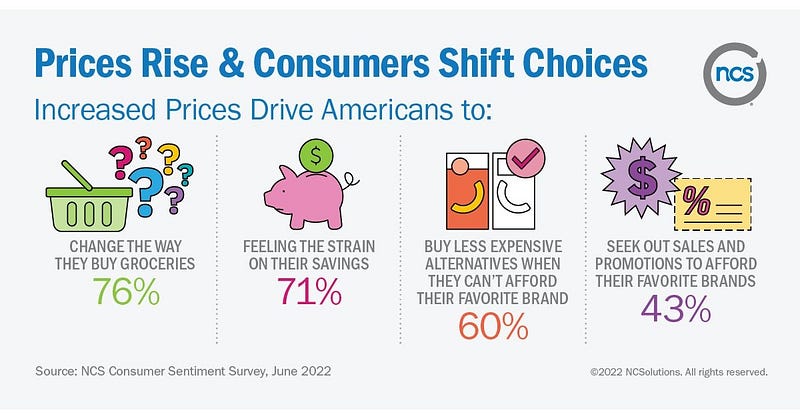
But let us not be disheartened. This is the narrative of our times — a narrative not of defeat but of determination. Together, we can harness our ingenuity and tenacity to adapt, sustain, and ultimately overcome these pressing economic trials. This chapter in our story is yet to be concluded, and we hold the pen that will scribe our journey out of these trying times.
Corporate Practices: An Examination of Greed and Profit Over People
In our pursuit for a thriving economy, we, the collective society, must confront uncomfortable inquiries about the role of corporate responsibility in shaping economic inequality. It is our task to unravel complexities surrounding profit maximization and its impact on both shareholders and stakeholders alike.
As we delve into this evaluation, it’s essential to recognize that corporations, undeniably, drive innovation and growth. However, when profit becomes the sole beacon, guiding their way, we witness a concerning tilt in the balance, overshadowing the essence of sustainable success: ethical stewardship and inclusivity.
“We recognize that a vibrant economy relies not just on a successful corporate sector but on a robust and equitable society. True progress means looking beyond near-term gains and fostering long-term prosperity for all stakeholders.”
Profit Maximization has been traditionally seen as the ultimate goal for corporations, but this approach often overlooks the broader impacts on society. An insatiable quest for higher profits can, inadvertently or intentionally, exacerbate economic inequality, as vast resources are concentrated among the few.
Turning our gaze towards corporate responsibility, it becomes evident that business ethics and a commitment to societal welfare should be inextricable from corporate practices. While shareholders may be interested in immediate dividends, stakeholders — including employees, customers, and the community at large — have a vested interest in the company’s long-term health and societal contributions.
“In facing the dichotomy of shareholder vs stakeholder, we are reminded that corporations do not operate in a vacuum. The implications of their decisions ripple outward, affecting more than just bottom lines — they weave into the very fabric of our social structure.”
Therefore, as we scrutinize the evidence and reflect on the narratives at hand, we invite corporate leaders to reimagine a framework where profitability coexists with a profound sense of responsibility — towards the environment, towards individuals, and towards the collective future of our nation.
Establishing a Sustainable Path Forward for the U.S. Economy
As we endeavor to chart a course towards economic sustainability, it is imperative for us to reflect on the lessons learned from examining the U.S. economy’s past and present. The foundation for future economic growth rests on our ability to embrace innovative policy solutions that can guide our fiscal journey. It is in our collective interest to implement equitable economic reforms that not only drive progress but also ensure that such progress benefits every member of our society. We realize that such change demands collaboration, and we stand ready to unite our efforts with businesses, policymakers, and communities.
Our introspective look at other economies that have successfully executed reforms teaches us valuable strategies to propel us forward. For instance, we have seen the transformative power of investing in green technologies and how such investment can nurture new industries, create jobs, and foster a more resilient economic future. We also draw inspiration from endeavors in education and workforce training that help citizens adapt and thrive in an ever-changing economic landscape. These stories are not mere anecdotes; they are beacons leading us towards equitable economic reform and a thriving national economy.
In conclusion, our mission transcends mere economic success; it seeks a restructured economy characterized by fairness and long-term prosperity. As we conclude our exploration, we invite you, our fellow Americans, to participate actively in shaping this future. Whether it be through advocating for sound economic policies, committing to corporate ethics, or supporting local initiatives, every action contributes to the mosaic of our shared economic resilience. Together, we can forge a path where fiscal growth and equity are the standards, not exceptions — a truly sustainable and inclusive economic future awaits.
Do you think the current state of the U.S. economy is driven by real inflation or corporate greed? Share your thoughts below. Thanks for reading!!