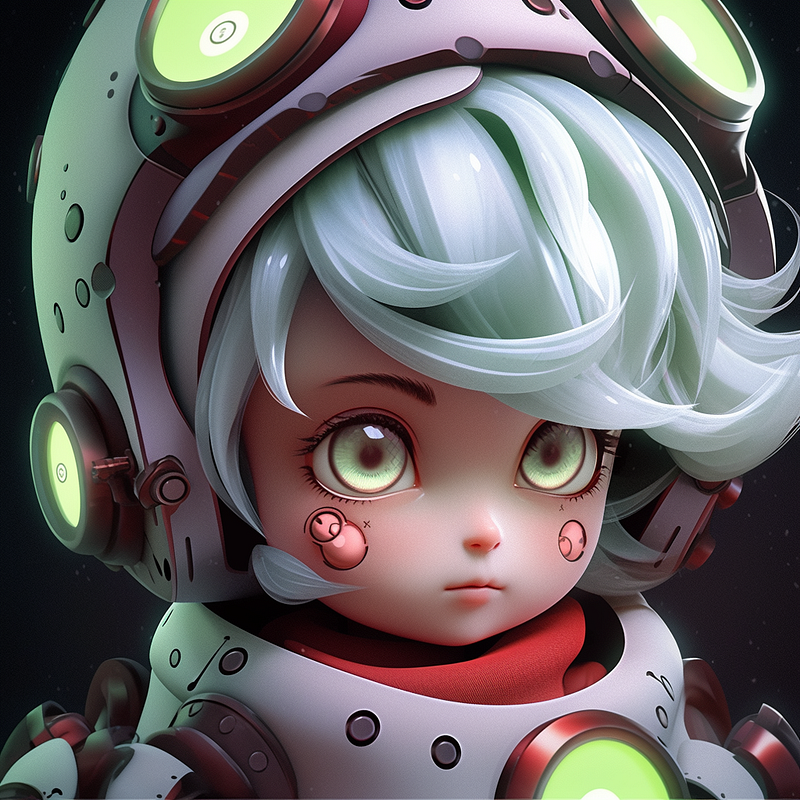
avatarBeauty of Creation

Free AI web copilot to create summaries, insights and extended knowledge, download it at here

7276

Abstract

yle is easy to be understood by AI. Still, AI cannot learn and represent many more delicate visual characteristics. During the test, I tuned more times to generate the image (see the below) that I feel is ok. Then adjust the reference female image photo (find a female picture more in line with Modigliani’s female characteristic, like a slender, almond-eyed, melancholy look) to find a relatively ideal effect. Even though the style of the new portrait seems close to Modigliani’s style, AI can still not get the inner temperament expressed in his paintings.</p><figure id="7d25"><img src="https://cdn-images-1.readmedium.com/v2/resize:fit:800/1*pv7Yvn3BAoTVVTx9BlUE8w.png"><figcaption>Midillian’s style image generated through the Midjourney experiment</figcaption></figure><h2 id="fc3e">3. Total difficulty in imitating the style of Vivian Maier</h2><p id="5d12">The last test is a big challenge, and it’s tough for AI to imitate the style of photographer Vivian Maier. I made various attempts in the fourth test, including communicating with ChatGpt to together abstract some visual patterns of Vivans to have better prompts for Midjounry to use. No matter how much I tried, the pictures I obtained (one of which is shown below) failed to convey the unique style of Vivian Maier. Despite using Midjounrney, I found it difficult to convince myself that her artistic essence could be captured by AI, let alone her creative soul.</p><figure id="6b39"><img src="https://cdn-images-1.readmedium.com/v2/resize:fit:800/1*ZvNg1lPjTmfN10rsV_9mig.png"><figcaption>One image tries to mimic Vivian Maier’s style image generated through the Midjourney experiment.</figcaption></figure><h1 id="178e">Analysis</h1><p id="8d3a">AI image generators like Midjourney can simulate different artist styles through <a href="https://www.fritz.ai/style-transfer/#:~:text=transfer%20%E2%80%93%20the%20basics-,What%20is%20style%20transfer%3F,of%20the%20style%20reference%20image."><b>style transfer</b></a>. Style transfer is a technique that involves applying one image’s style to another while preserving the original image’s content.</p><p id="04da">For example, an AI system would first train a neural network on a dataset of Van Gogh’s artwork to simulate <a href="https://en.wikipedia.org/wiki/Vincent_van_Gogh">Van Gogh</a>’s style. This network would learn the characteristic features of Van Gogh’s style, such as bold colors, short brushstrokes, and swirling patterns. Next, to create a new image in Van Gogh’s style, an AI system would take an input image and use the trained network to apply Van Gogh’s style to the picture. This is done by analyzing the input image to extract its content features and then modifying those features to match the style features learned from Van Gogh’s artwork.</p><figure id="9f8f"><img src="https://cdn-images-1.readmedium.com/v2/resize:fit:800/1*dS-kU-m7Hh5AjGyOcHBLJw.jpeg"><figcaption><i>The neural Style Transfer concept. Natasha Mashanovich created it,</i> and the resource comes from <a href="https://towardsai.net/p/l/i-wish-i-were-van-gogh">https://towardsai.net/p/l/i-wish-i-were-van-gogh</a></figcaption></figure><p id="647a">AI Image generators can be much ease to imitate some artists than others, as clear and recognizable features often define their styles. The test shows it: Henri Matisse’s style and David LaChapelle’s are generally considered to be easier to simulate with AI image generators compared to Amedeo Modigliani. Matisse’s style is relatively easy to act with AI image generators because his work often features highly stylized and simplified forms. Specifical to say, Matisse was known for using simplified geometric shapes, such as circles, triangles, and rectangles, which an algorithm can easily analyze and reproduce. Additionally, his use of color is often highly saturated and bold, which can be captured by an AI system with a relatively high degree of accuracy.</p><p id="05fd">Then why Amedeo Modigliani’s style can be partly mimicked but not all of them? Part of Modigliani’s style can be captured by AI, like elongated forms, simplified features, and distinctive use of lines. But it’s challenging for AI to simulate Modigliani’s more dedicated style, such as to capture the unique character of his lines and female characteristics’ melancholic and elegant temperament. Modigliani’s lines are often loose and flowing, and his figures are elongated and simplified in a way that can be difficult to replicate with an algorithm. Additionally, Modigliani’s use of color is often subtle and nuanced, which also is challenging to capture with an AI system. Simple to say, AI’s imitation of the artist’s style is superficial, limited to the most easily identifiable characteristics of the expressive style, but it is difficult for AI to understand the artist’s style in a more delicate dimension, let alone restore it. However, precisely the stylistic characteristics in the finer magnitude shape the unique quality and spirit of each outstanding artist’s work.</p><p id="ac4b">However, the last test of generating Vivian’s style becomes difficult for the Midjourney to imitate. Why?</p><p id="ca56">The style of Vivian Maier is so difficult to imitate by AI image generators because her style is highly distinctive and difficult to define. Maier’s style is highly individualistic and challenging to reduce to a set of easily identifiable visual patterns.</p><p id="9cbb" type="7">“She’s very much sensitive to context and overall feeling in a moment… Not just paying attention to what’s going on in the street, but also thinking about angles and composition. Also, the pattern of a woman’s clothing, the way a person stands, horizontal and vertical lines, all elements.”</p><p id="f8b1">Her photographs often used unconventional framing and angles, which can be difficult to translate as a language pattern for a neural network to learn. She photographed people and scenes from everyday life, and her images often capture a particular moment in fleeting time and place. AI can’t replicate this sense of context and meaning, which typically works with abstract features and patterns.</p><figure id="0919"><img src="https://cdn-images-1.readmedium.com/v2/resize:fit:800/1*CBqVZOMtRZxkaSnCvfh0zg.jpeg"><figcaption></figcaption></figure><figure id="529b"><img src="https://cdn-images-1.readmedium.com/v2/resize:fit:800/1*PFJdw3ZWNCXrDyes1xAWKA.jpeg"><figcaption></figcaption></figure><figure id="28e0"><img src="https://cdn-images-1.readmedium.com/v2/resize:fit:800/1*BJI2zp_cYwdVGw8cnAywQQ.jpeg"><figcaption></figcaption></figure><figure id="1664"><img src="https://cdn-images-1.readmedium.com/v2/resize:fit:800/1*exiQaSoOP23ItXzhQrJAjw.jpeg"><figcaption></figcaption></figure><figure id="471c"><img src="https://cdn-images-1.readmedium.com/v2/resize:fit:800/1*emTR_XUv_rfPH5Wf3O3rwg.jpeg"><figcaption></figcaption></figure><figure id="f95d"><img src="https://cdn-images-1.readmedium.com/v2/resize:fit:800/1*Ksz4_-mrcBoLb9y62DOB2g.jpeg"><figcaption>Vivian’s street photographer. The images from <a href="https://www.vivianmaier.com/">https://www.vivianmaier.com/</a></figcaption></figure><p id="9a67">Vivienne’s inner spirit of art obviously goes beyond the boundaries that words can describe. When I try to use precise wo

Options

rds to describe her art’s characteristics, I cannot. But there’s something unique and subtle about her photos that touches people’s hearts and feelings: funny, beautiful, warm, teasing, and humorous. Ultimately, the “eye” behind the camera freezes those soulful, unforgettable, and touching moments. She captures the hidden life, inner agility, and uniqueness gating through the surface. The machine can’t understand this part of art, and impossible to generate it. It belongs to artistic language’s more connotative, profound, and subtle things. However, humans can directly feel her art’s incredible quality through our unconsciousness.</p><h1 id="648d">Reflections</h1><p id="2715">This test made me rethink human art creation and the relation between AI image generator tools and art creation.</p><h2 id="8ad1">First, what’s the unique part of Art?</h2><p id="a300">Why does a remarkable artist’s work have a quality with timeless charm? However, you can’t feel this kind of charm from the image AI create, whatever how powerful the AI tool can be in an unlimited combination of visual elements.</p><p id="e818">Going back to the essence of artistic creation, Art, regardless of its final form of expression, is to express people’s spirit, emotion, and even concepts through tangible and visual ways. Art is a cultural practice of human self-reflection and expression, while AI does not understand the core of human artistic creation.</p><h2 id="5b0c">The visual style is not equal to Art.</h2><p id="98e1">Style is the manner of external form in which the artist portrays their subject matter and how the artist expresses their vision, spirit, and notion. It is determined by the form characteristics that describe the artwork, such as how the artist employs form, color, and composition, to name a few. The most influential artist or specific art genre has a distinctive artistic style. These impressive visual styles have even become independent cultural symbols. One example is <a href="https://www.midlibrary.io/categories/niji"><b>Niji</b></a> which is added in Midjounrey in its style modes as a popular anime style that is widely loved by young, representing a modern visual culture.</p><figure id="6d7f"><img src="https://cdn-images-1.readmedium.com/v2/resize:fit:800/1*Sz3VGQFO3HYvbovN9f0e4A.png"><figcaption></figcaption></figure><figure id="48af"><img src="https://cdn-images-1.readmedium.com/v2/resize:fit:800/1*YFRLpQJ9MX58veXDoUhEFQ.png"><figcaption></figcaption></figure><figure id="1896"><img src="https://cdn-images-1.readmedium.com/v2/resize:fit:800/1*sj9gxgM3Vpvx3awrUWAXHQ.png"><figcaption><a href="https://www.midlibrary.io/categories/niji">Niji</a>’s expressive images were generated through the Midjourney experiment.</figcaption></figure><p id="227c">At the level of style, art is a formal expression that can be interpreted using explicit language and recognized by algorithms. AI can comprehend various external visual languages and imitate them vividly, often surpassing humans in this ability. In this experiment, the styles of the first three artists were distinctive. They could be described in relatively simple language, making it possible for AI to imitate them to some extent. However, there is still significant room for improvement in the algorithms’ imitation capabilities, particularly for subtler and more nuanced visual styles. For instance, Modigliani’s fluid and elongated lines and simplified figures pose a challenge for precise replication by the algorithm.</p><p id="68a3">But visual style is not equal to art. What impresses us about great Art is a certain inner quality. Whether it is Vivienne’s photography, Modigliani’s, or Matisse’s paintings, yes, we are attracted by the visual style. But much further, what touches our mind or heart is part of these artists’ works that is difficult to summarize in words, close to the soul, or challenge common ideas. This part of the ineffable essence of true artistry makes us feel Art's unique value and significance and makes us resonate and shock our hearts.</p><h2 id="0bca">AI’s imitation is far from touching the spirit of art.</h2><p id="0ac2">While AI can replicate various art styles, it falls short of capturing the depth and essence of human artistic expression. Although machines can imitate compositional elements like lines and colors, it’s challenging to replicate the inherent artistic qualities that defy precise descriptions, such as the nuances in Vivian’s work. Even when AI can replicate a recognizable style, like Modigliani’s, it still struggles to convey the subtler dimensions of expression, like his portraits' poignant melancholy and graceful immersion. Modigliani once said:</p><p id="03dc" type="7">“What I am looking for is neither real nor virtual, but a kind of unconsciousness, a mysterious thing originating from human instinct.”</p><p id="ccd1">This inner expressive will is projected in the artist’s creation, and the visual style only serves the artist’s explicit purpose, vision, and concept.</p><p id="0efb">In essence, AI lacks a fundamental understanding of the human artistic process, including the motivations, visions, and ideas that drive various styles. It is incapable of replicating an artist’s creativity, ideas, or originality, which are essential to the appeal of their work. Moreover, the creative process involves intangible factors such as personal experience, emotion, and intuition, which an algorithm cannot easily quantify or replicate.”</p><p id="d27f" type="7">So AI can use only mimic style but NOT the ineffable essence of true artistry. Although AI mimics some artists’ styles well in this study, it couldn’t reproduce their implicit art soul. These tools have no artistic capacity; they just repeat patterns that can be infinitely modulated, interpolated, and rearranged.</p><h2 id="687e">AI image generators can serve for artists to create art as a visual imagination engine.</h2><p id="eb59">Although AI can’t directly touch the creation of art, it can be used for us to create art as an engine to spark the creator’s imagination as a powerful tool or a new medium. Its strength lies in its ability to learn endlessly and mimic the visual patterns of art throughout human history. By combining vast databases of visual elements, AI can generate unlimited possibilities.</p><p id="6e25">The most thrilling and challenging task is channeling our creative intentions, spirits, and concepts to unleash new artistic expression using these tools.</p><p id="5eb4">Read more AI-Creation-related articles:</p><div id="4afa" class="link-block"> <a href="https://beautyofcreation.medium.com/chatgpts-breakthrough-in-hci-part01-5cbd8b20a5de"> <div> <div> <h2>ChatGPT’s Breakthrough in HCI_Part01</h2> <div><h3>ChatGPT represents the third generation of Human-machine interaction, the mature age of AI technology, brings the…</h3></div> <div><p>beautyofcreation.medium.com</p></div> </div> <div> <div style="background-image: url(https://miro.readmedium.com/v2/resize:fit:320/1*kNo8Jp9WKFgRmC_7VBiGDQ.jpeg)"></div> </div> </div> </a> </div></article></body>

Unmasking the Illusion: Midjourney’s Test Shows Why AI Can Mimic Style but Not the Soul of Art

The exponential growth of artificial intelligence development has surpassed what was once thought possible. On the other hand, this progress has also led to some misconceptions, such as the belief that AI-powered image generators can easily replicate various human visual styles, leading some to view them as capable of producing art. This phenomenon has piqued my curiosity, specifically regarding how an AI tool can imitate an artist’s unique style and capture their artistic essence. So I experimented using Midjourney to uncover the truth.

Process

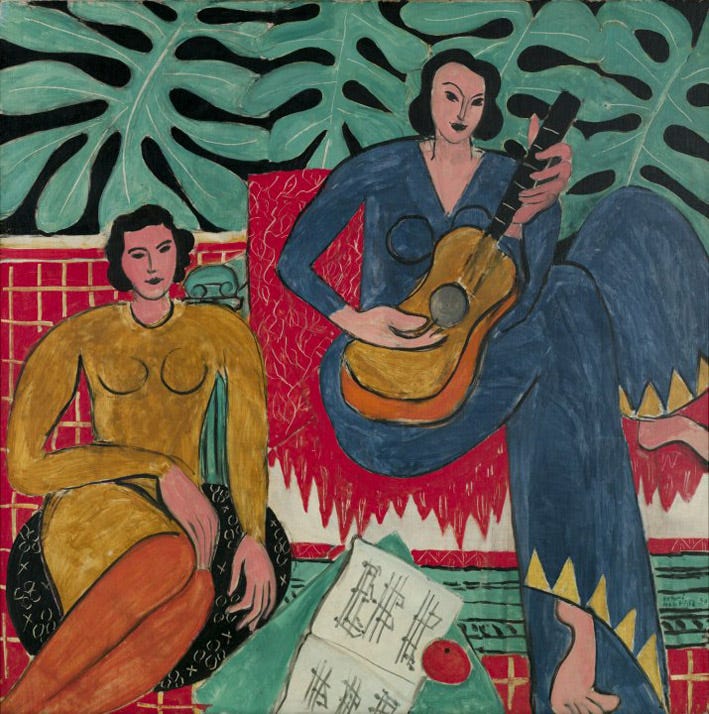
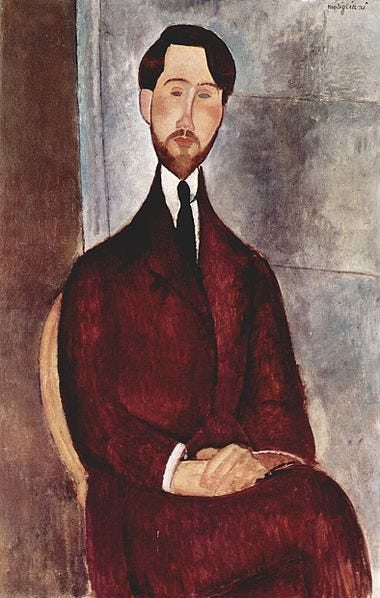
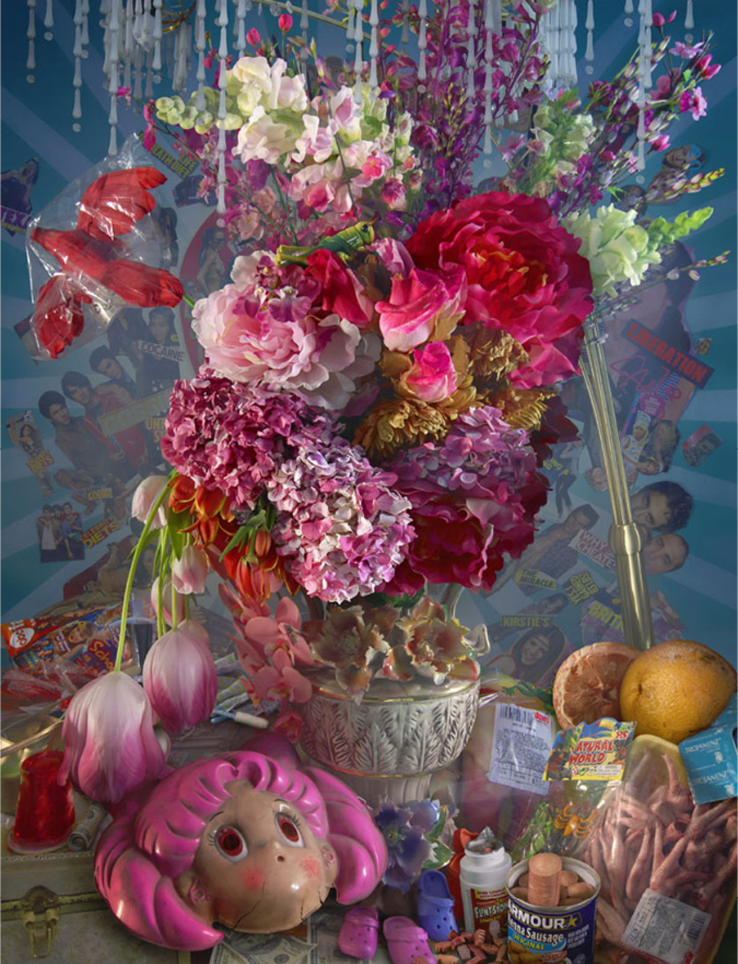
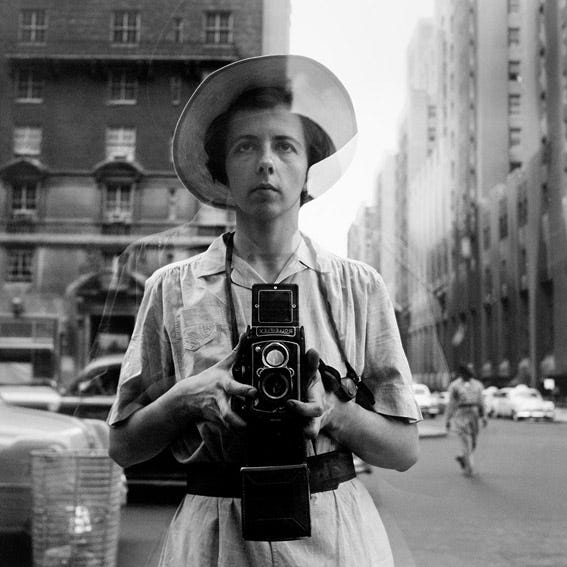
I select four artists, two photographers, and two painters for Midjourney to mimic: Henri Matisse, Amedeo Modigliani, David LaChapelle, and Vivian Maier. Each one has a unique art style.

Henri Matisse is my favorite French artist. He is known for his use of color and original draughtsmanship. Matisse’s style uses bold and flat colors and uninhibited lines. Playful structures, bright colors, and light-hearted themes are the characteristics that made him famous.
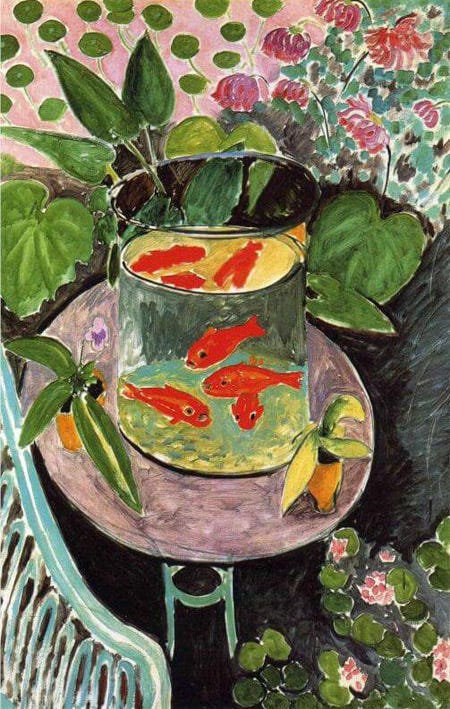
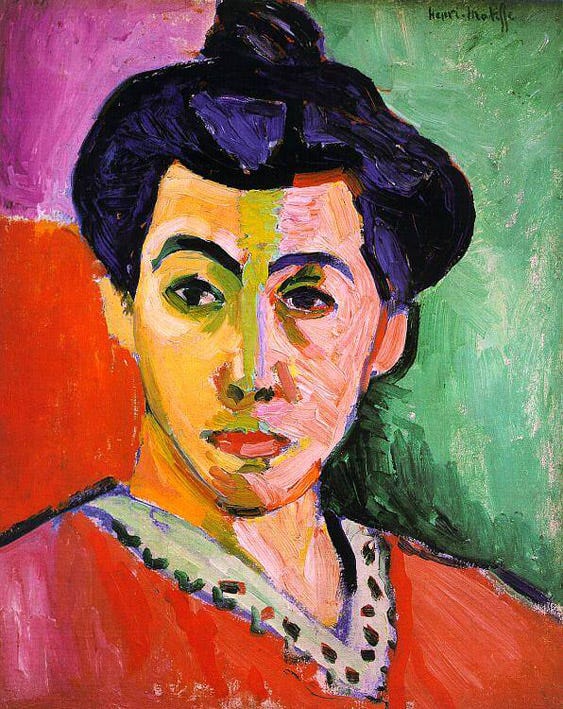
Henri Matisse’s paintings: goldfish, green stripe, and LaMusique1939

Modigliani’s painting style is extraordinary. His figure’s outstanding style is overly elongated body shapes and curved lines. The figures are always depicted with long necks and outstretched limbs. He rarely used exaggerated romantic colors and decorative styles to match the unique temperament of the women he expressed and preferred concise and flat-color blocks.
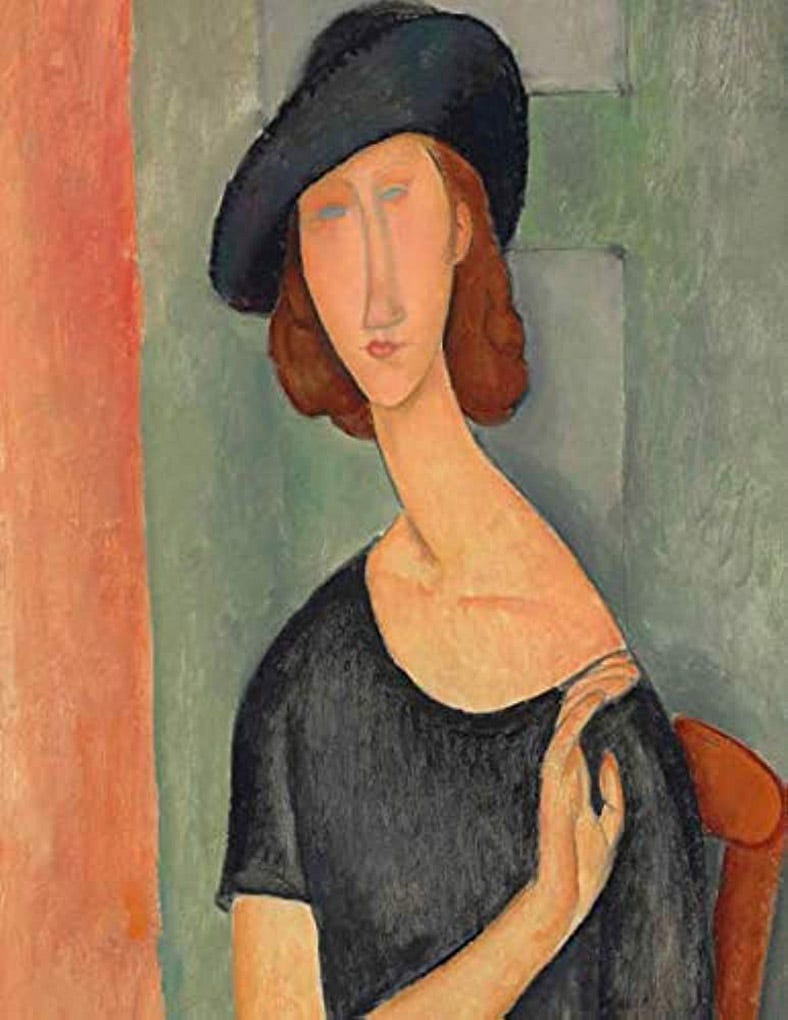
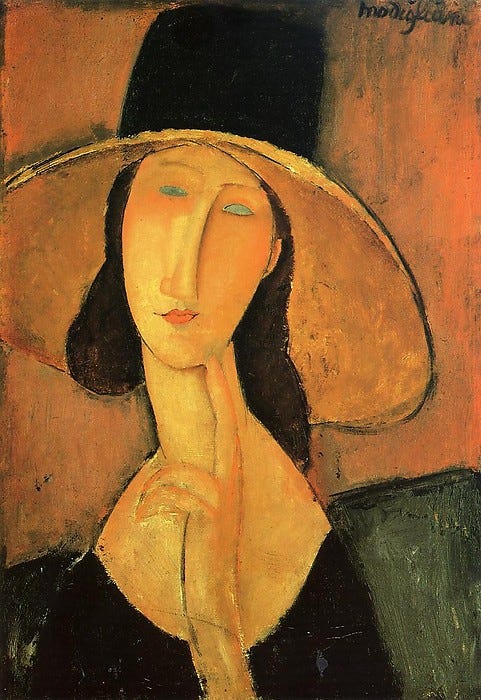
Modigliani’s paintings

David LaChapelle’s modern photographic style is hyper-saturated, theatrical, surrealistic, and a combination of art history and contemporary pop culture. Color-popping and hyper-realistic, and high-gloss are the most distinctive of his photography.
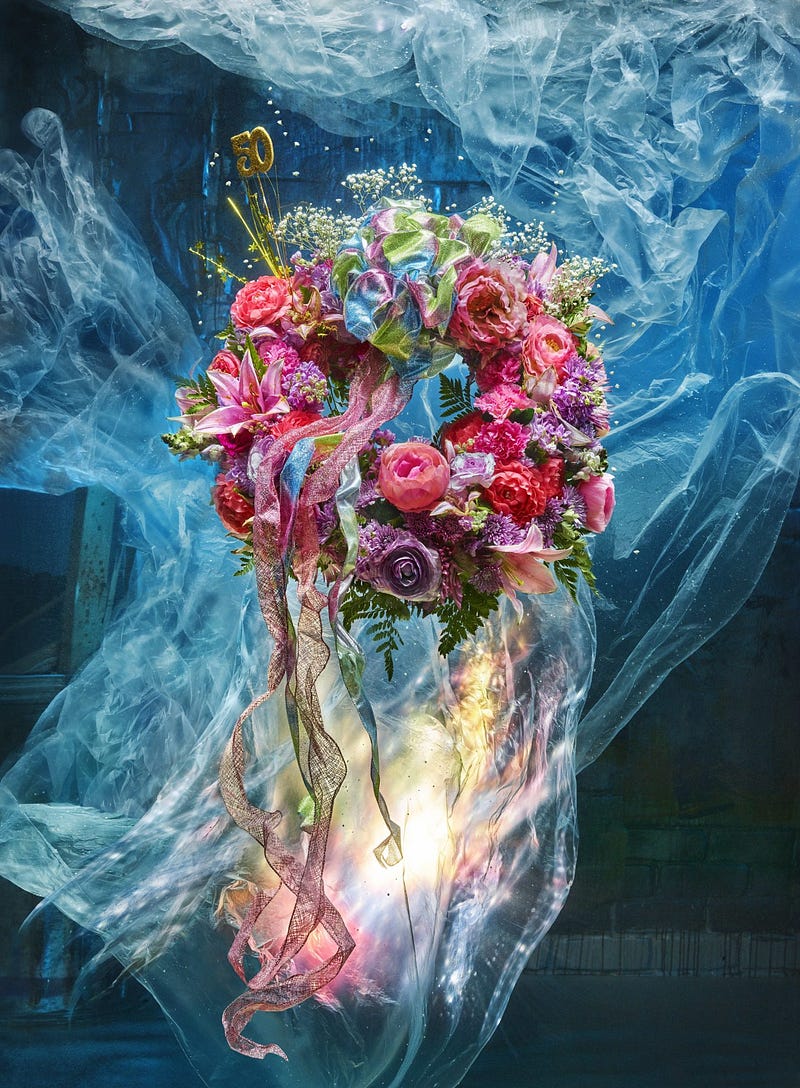
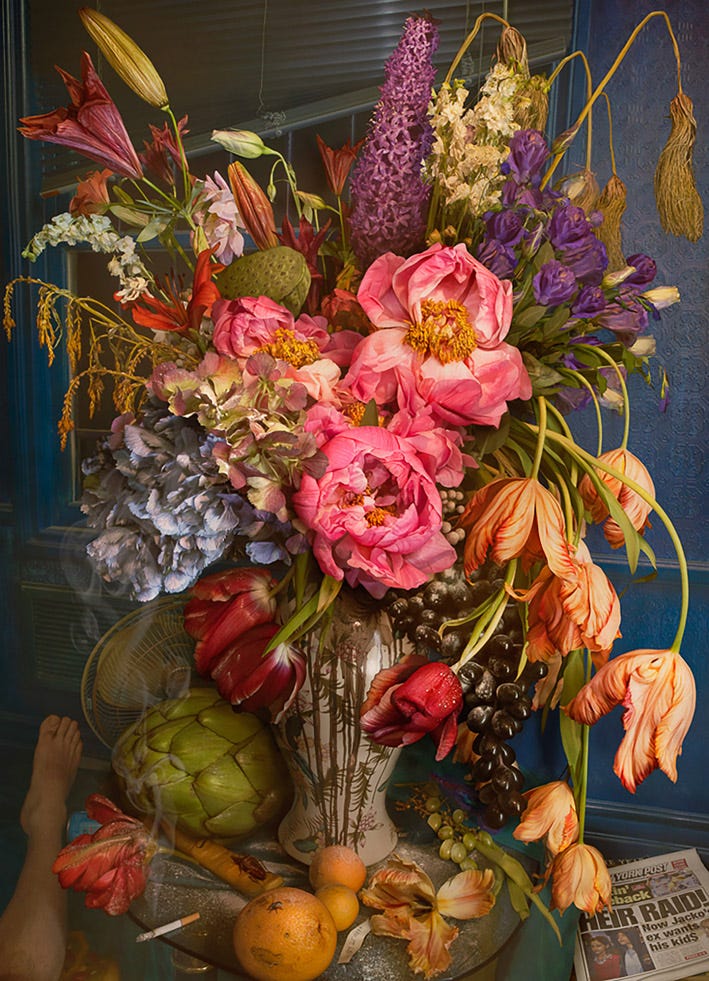
David LaChapelle’s photographies: Brentwood,Earth Laughs in Flowers

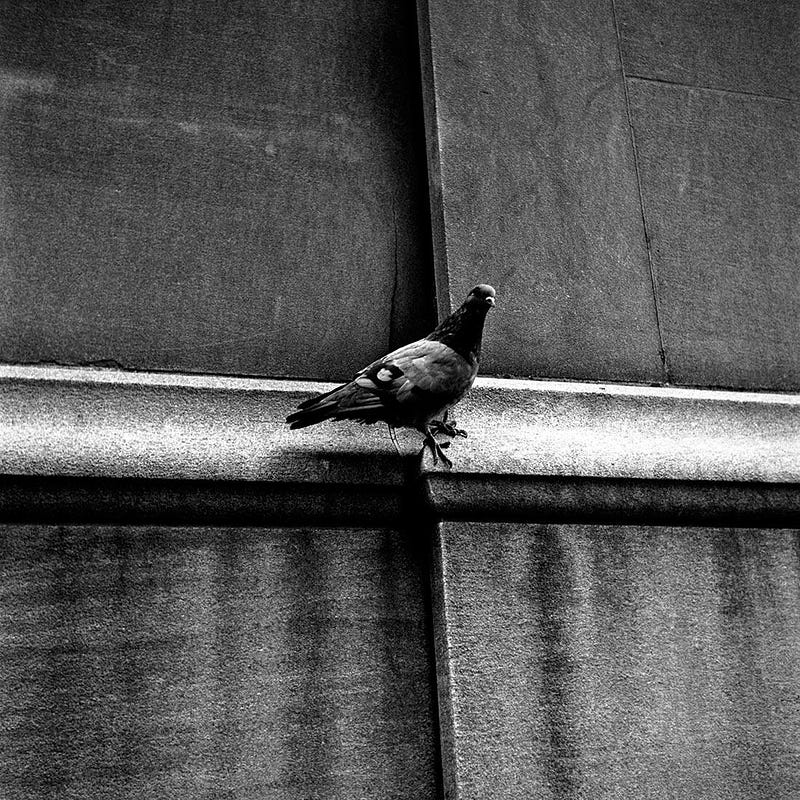
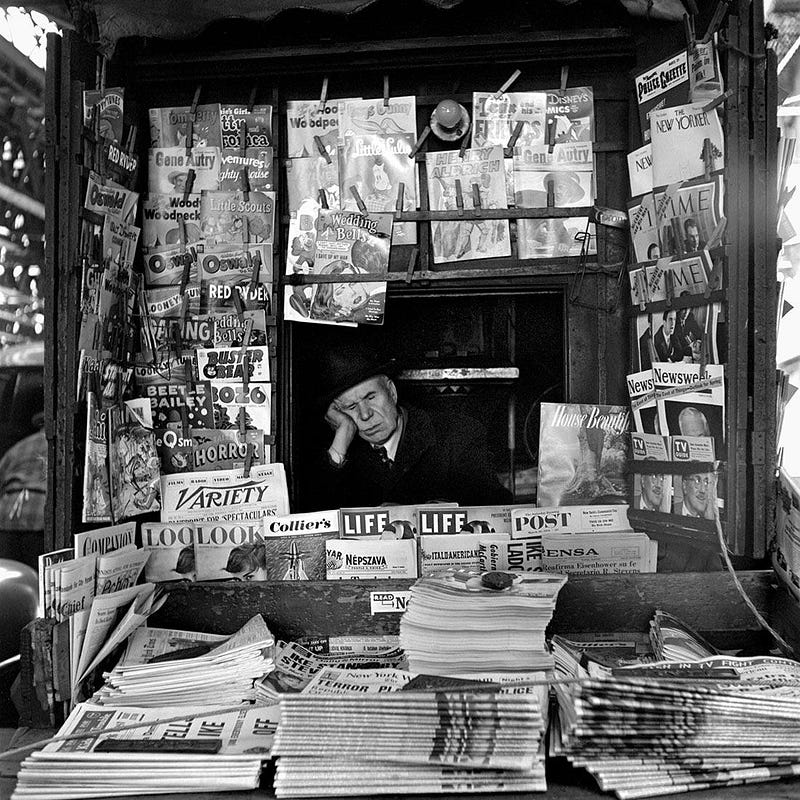
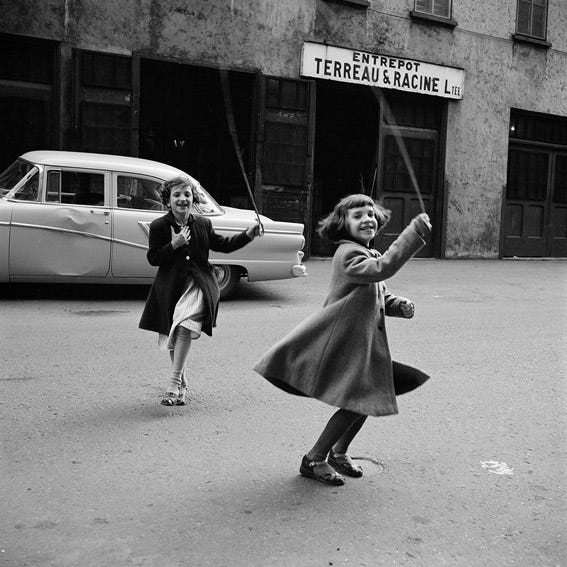
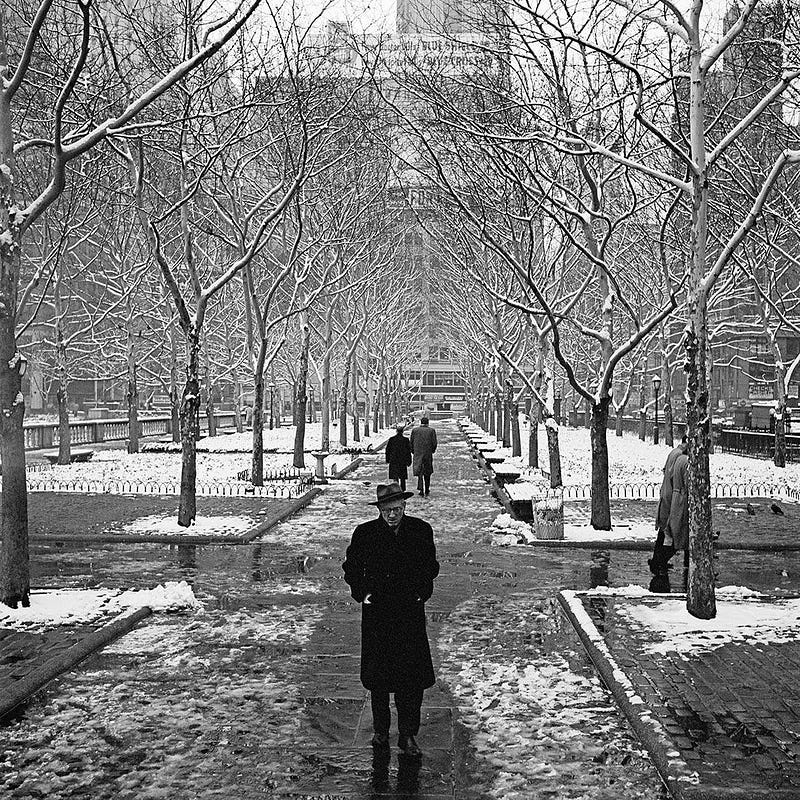
Vivian Maier was a street photographer who worked in the mid-20th century. She is an artist with a thousand faces. Her photography works have a unique perspective and a strong sense of composition, and she can always exquisitely capture fleeting momentary and subtle emotions of daily life. Her photos are unique and nuanced, straight to the hearts and feelings.
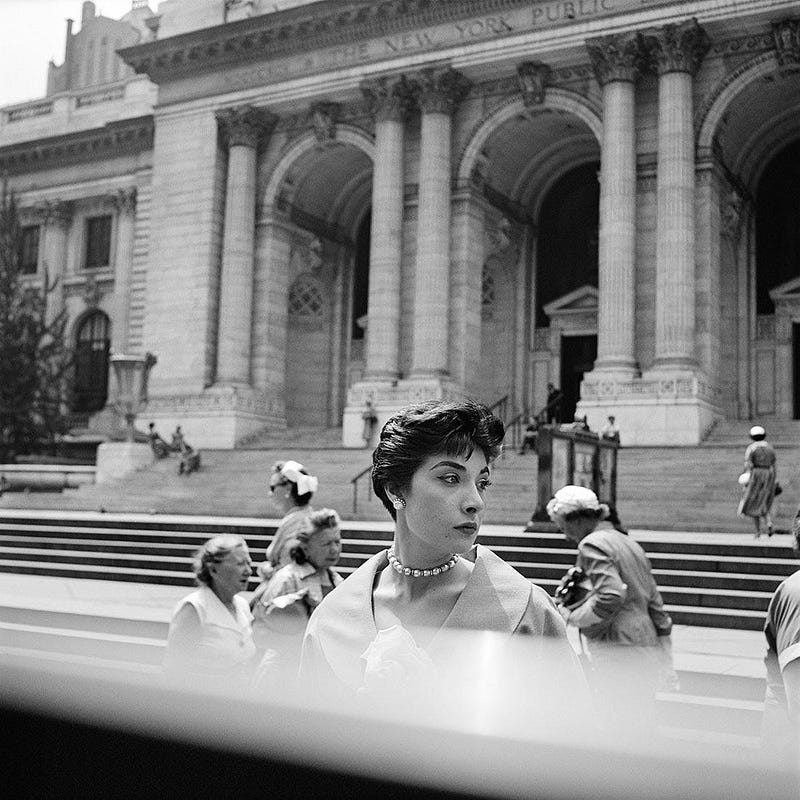
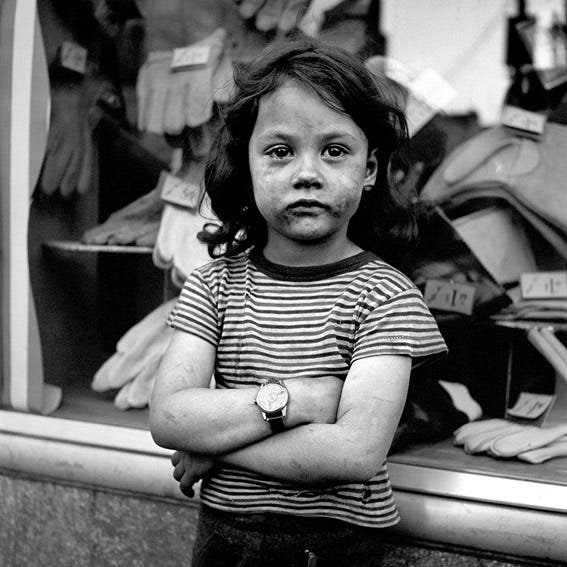
Vivian Maier’s photography: the right one is a self-portrait.

Through Midjourney, I tested to create the image through four artists’ eyes and generate an Asia lady’s portrait in their unique style. To simplify, I ask Midjourney to create a picture of a young lady and provide a picture of an Asia lady for Midjourney as a reference.

The prompt is like below:

Henri Matisse painter style of a contemporary young fashionable, and lively Chinese lady in a light blue T-shirt and Jeans [ The online link of a reference Asian lady pic], — q 2 — s 750 — iw 0.9 — seed 1000 — v 5

Experiment Result

1. Easier to express the style of Matisse and David LaChapelle

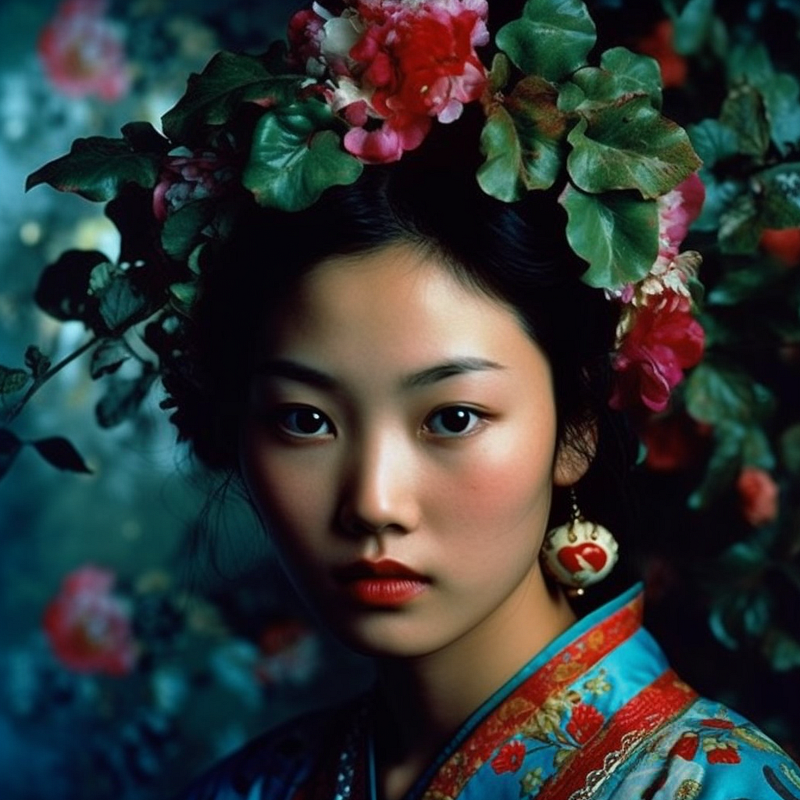
Midjourney is easier to express the visual styles of Matisse and David LaChapelle. The artistic styles of these two are not only distinctive but also easy to extract and imitate in terms of color and other visual elements; Only after 1~two around of tuning, Midjourney generate some acceptable images to show their style well to some extent.
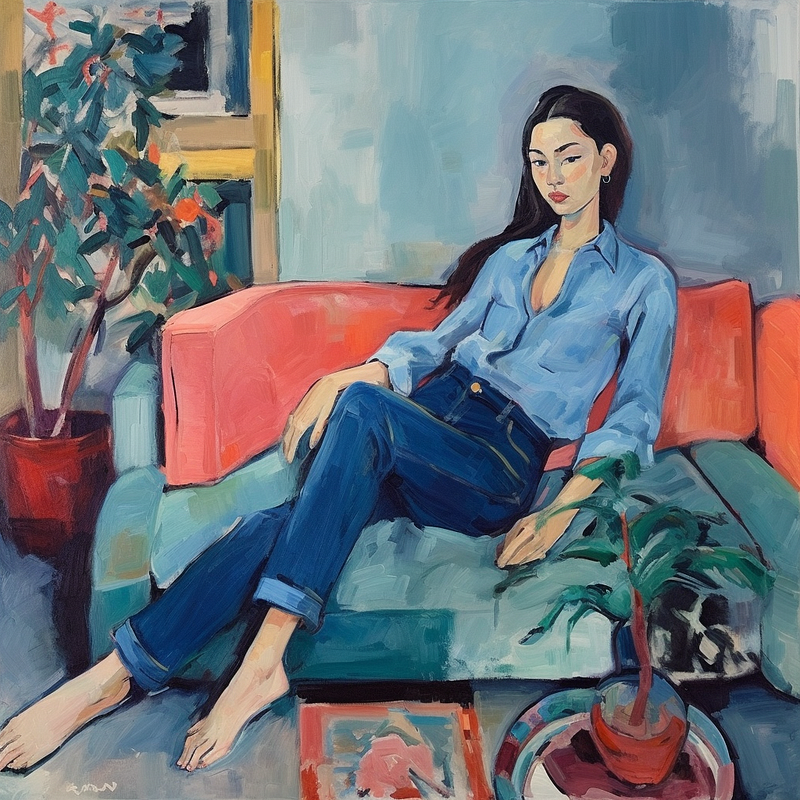
Matisse’s style image generated through my Midjourney experiment
David LaChapelle’s style image generated through the Midjourney experiment

2. A bit difficult to express the style of Modigliani in a subtle dimension

When it comes to the third test to generate Modigliani’s style, it becomes a bit more difficult. Modigliani’s paintings have high visual recognition, and part of his apparent style is easy to be understood by AI. Still, AI cannot learn and represent many more delicate visual characteristics. During the test, I tuned more times to generate the image (see the below) that I feel is ok. Then adjust the reference female image photo (find a female picture more in line with Modigliani’s female characteristic, like a slender, almond-eyed, melancholy look) to find a relatively ideal effect. Even though the style of the new portrait seems close to Modigliani’s style, AI can still not get the inner temperament expressed in his paintings.
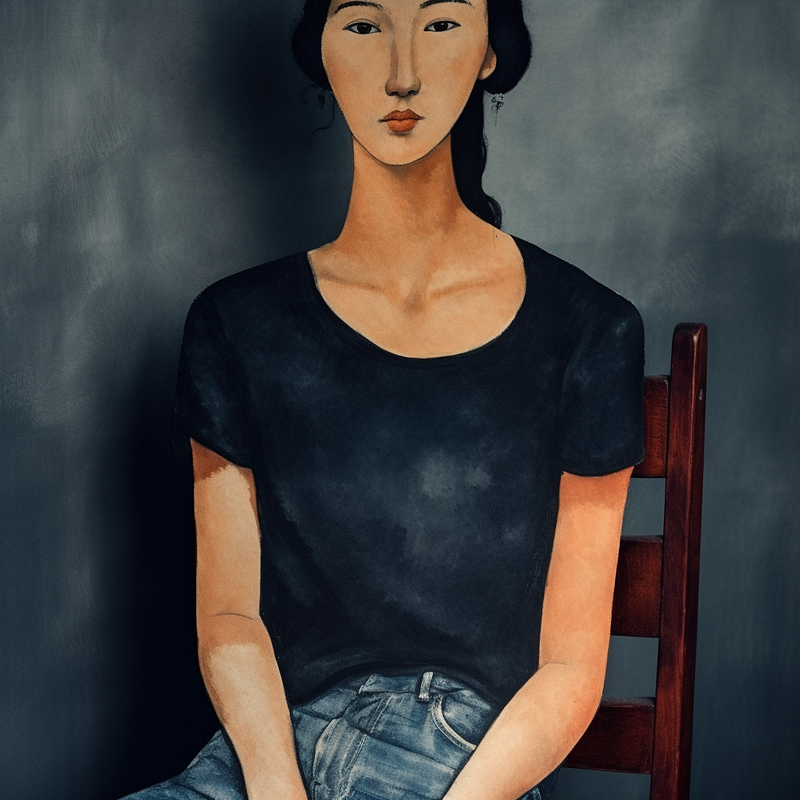
Midillian’s style image generated through the Midjourney experiment

3. Total difficulty in imitating the style of Vivian Maier

The last test is a big challenge, and it’s tough for AI to imitate the style of photographer Vivian Maier. I made various attempts in the fourth test, including communicating with ChatGpt to together abstract some visual patterns of Vivans to have better prompts for Midjounry to use. No matter how much I tried, the pictures I obtained (one of which is shown below) failed to convey the unique style of Vivian Maier. Despite using Midjounrney, I found it difficult to convince myself that her artistic essence could be captured by AI, let alone her creative soul.
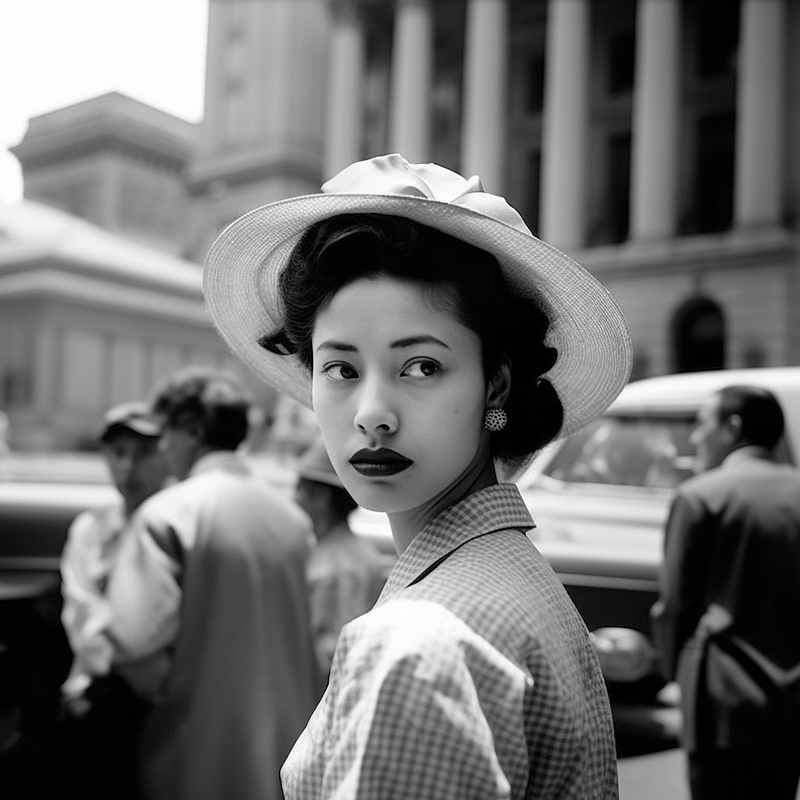
One image tries to mimic Vivian Maier’s style image generated through the Midjourney experiment.

Analysis

AI image generators like Midjourney can simulate different artist styles through style transfer. Style transfer is a technique that involves applying one image’s style to another while preserving the original image’s content.

For example, an AI system would first train a neural network on a dataset of Van Gogh’s artwork to simulate Van Gogh’s style. This network would learn the characteristic features of Van Gogh’s style, such as bold colors, short brushstrokes, and swirling patterns. Next, to create a new image in Van Gogh’s style, an AI system would take an input image and use the trained network to apply Van Gogh’s style to the picture. This is done by analyzing the input image to extract its content features and then modifying those features to match the style features learned from Van Gogh’s artwork.
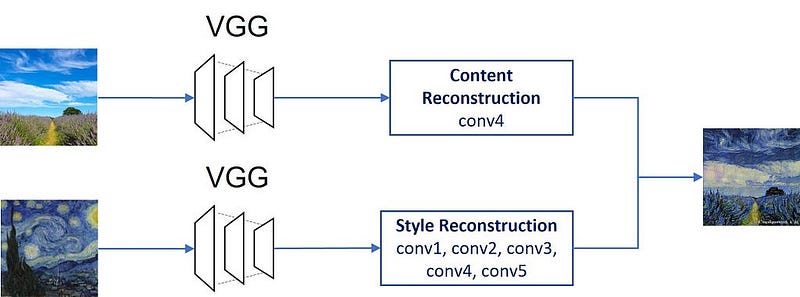
The neural Style Transfer concept. Natasha Mashanovich created it, and the resource comes from https://towardsai.net/p/l/i-wish-i-were-van-gogh

AI Image generators can be much ease to imitate some artists than others, as clear and recognizable features often define their styles. The test shows it: Henri Matisse’s style and David LaChapelle’s are generally considered to be easier to simulate with AI image generators compared to Amedeo Modigliani. Matisse’s style is relatively easy to act with AI image generators because his work often features highly stylized and simplified forms. Specifical to say, Matisse was known for using simplified geometric shapes, such as circles, triangles, and rectangles, which an algorithm can easily analyze and reproduce. Additionally, his use of color is often highly saturated and bold, which can be captured by an AI system with a relatively high degree of accuracy.

Then why Amedeo Modigliani’s style can be partly mimicked but not all of them? Part of Modigliani’s style can be captured by AI, like elongated forms, simplified features, and distinctive use of lines. But it’s challenging for AI to simulate Modigliani’s more dedicated style, such as to capture the unique character of his lines and female characteristics’ melancholic and elegant temperament. Modigliani’s lines are often loose and flowing, and his figures are elongated and simplified in a way that can be difficult to replicate with an algorithm. Additionally, Modigliani’s use of color is often subtle and nuanced, which also is challenging to capture with an AI system. Simple to say, AI’s imitation of the artist’s style is superficial, limited to the most easily identifiable characteristics of the expressive style, but it is difficult for AI to understand the artist’s style in a more delicate dimension, let alone restore it. However, precisely the stylistic characteristics in the finer magnitude shape the unique quality and spirit of each outstanding artist’s work.

However, the last test of generating Vivian’s style becomes difficult for the Midjourney to imitate. Why?

The style of Vivian Maier is so difficult to imitate by AI image generators because her style is highly distinctive and difficult to define. Maier’s style is highly individualistic and challenging to reduce to a set of easily identifiable visual patterns.

“She’s very much sensitive to context and overall feeling in a moment… Not just paying attention to what’s going on in the street, but also thinking about angles and composition. Also, the pattern of a woman’s clothing, the way a person stands, horizontal and vertical lines, all elements.”

Her photographs often used unconventional framing and angles, which can be difficult to translate as a language pattern for a neural network to learn. She photographed people and scenes from everyday life, and her images often capture a particular moment in fleeting time and place. AI can’t replicate this sense of context and meaning, which typically works with abstract features and patterns.
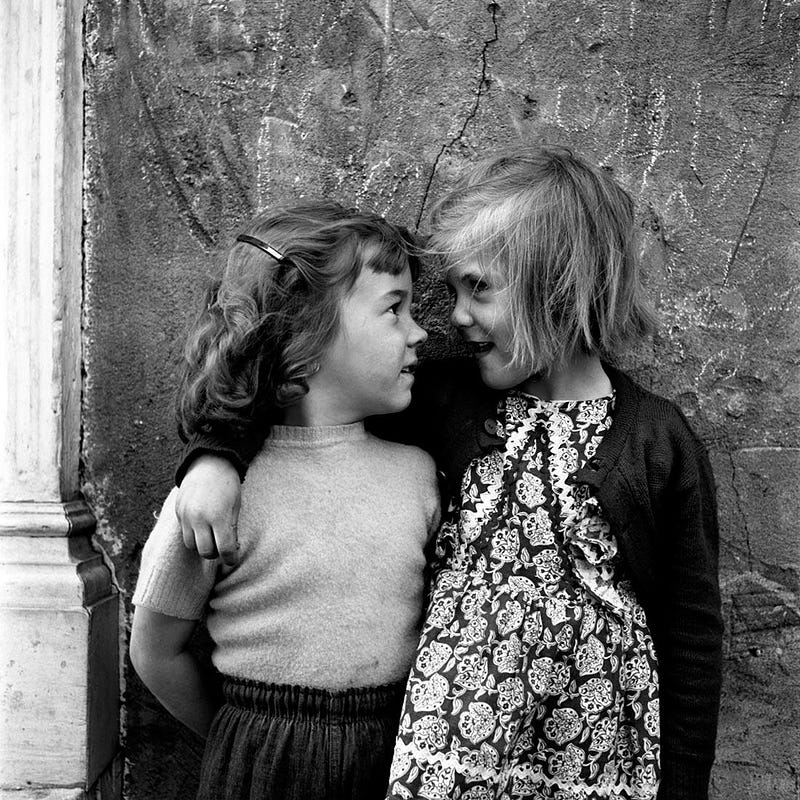
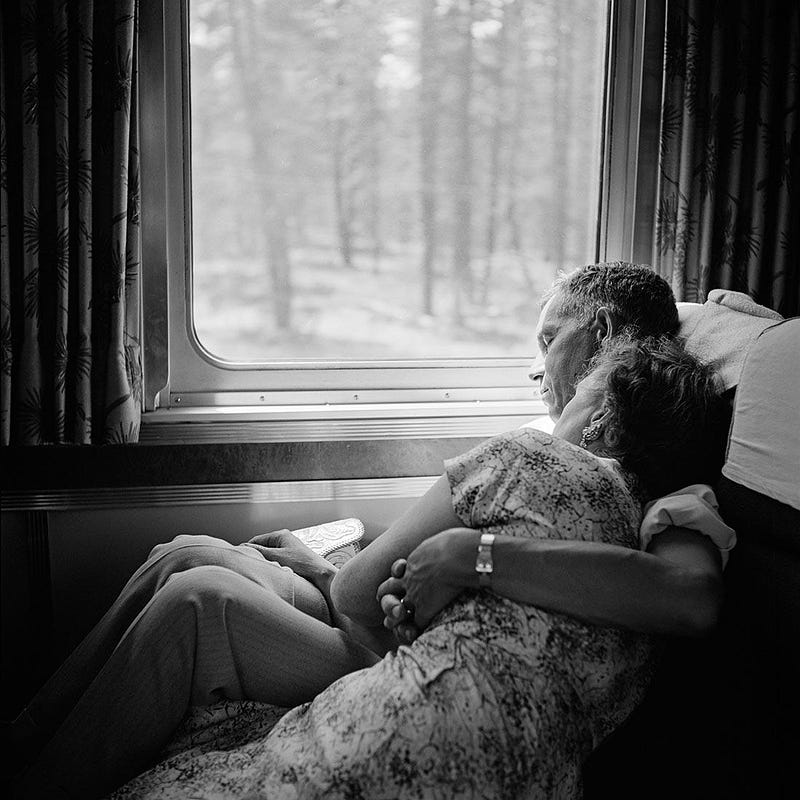
Vivian’s street photographer. The images from https://www.vivianmaier.com/

Vivienne’s inner spirit of art obviously goes beyond the boundaries that words can describe. When I try to use precise words to describe her art’s characteristics, I cannot. But there’s something unique and subtle about her photos that touches people’s hearts and feelings: funny, beautiful, warm, teasing, and humorous. Ultimately, the “eye” behind the camera freezes those soulful, unforgettable, and touching moments. She captures the hidden life, inner agility, and uniqueness gating through the surface. The machine can’t understand this part of art, and impossible to generate it. It belongs to artistic language’s more connotative, profound, and subtle things. However, humans can directly feel her art’s incredible quality through our unconsciousness.

Reflections

This test made me rethink human art creation and the relation between AI image generator tools and art creation.

First, what’s the unique part of Art?

Why does a remarkable artist’s work have a quality with timeless charm? However, you can’t feel this kind of charm from the image AI create, whatever how powerful the AI tool can be in an unlimited combination of visual elements.

Going back to the essence of artistic creation, Art, regardless of its final form of expression, is to express people’s spirit, emotion, and even concepts through tangible and visual ways. Art is a cultural practice of human self-reflection and expression, while AI does not understand the core of human artistic creation.

The visual style is not equal to Art.

Style is the manner of external form in which the artist portrays their subject matter and how the artist expresses their vision, spirit, and notion. It is determined by the form characteristics that describe the artwork, such as how the artist employs form, color, and composition, to name a few. The most influential artist or specific art genre has a distinctive artistic style. These impressive visual styles have even become independent cultural symbols. One example is Niji which is added in Midjounrey in its style modes as a popular anime style that is widely loved by young, representing a modern visual culture.
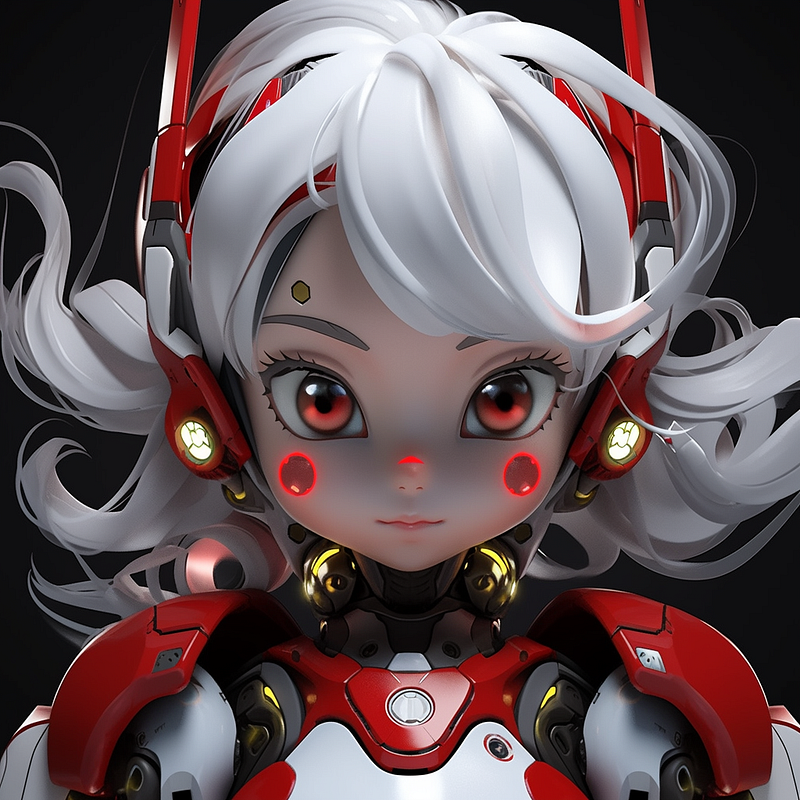
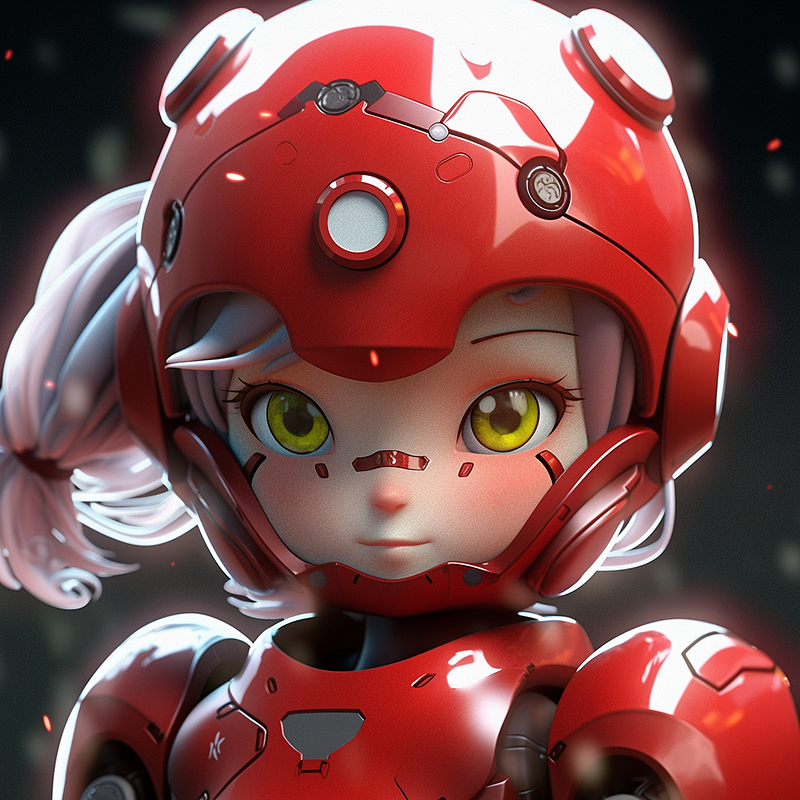
Niji’s expressive images were generated through the Midjourney experiment.

At the level of style, art is a formal expression that can be interpreted using explicit language and recognized by algorithms. AI can comprehend various external visual languages and imitate them vividly, often surpassing humans in this ability. In this experiment, the styles of the first three artists were distinctive. They could be described in relatively simple language, making it possible for AI to imitate them to some extent. However, there is still significant room for improvement in the algorithms’ imitation capabilities, particularly for subtler and more nuanced visual styles. For instance, Modigliani’s fluid and elongated lines and simplified figures pose a challenge for precise replication by the algorithm.

But visual style is not equal to art. What impresses us about great Art is a certain inner quality. Whether it is Vivienne’s photography, Modigliani’s, or Matisse’s paintings, yes, we are attracted by the visual style. But much further, what touches our mind or heart is part of these artists’ works that is difficult to summarize in words, close to the soul, or challenge common ideas. This part of the ineffable essence of true artistry makes us feel Art's unique value and significance and makes us resonate and shock our hearts.

AI’s imitation is far from touching the spirit of art.

While AI can replicate various art styles, it falls short of capturing the depth and essence of human artistic expression. Although machines can imitate compositional elements like lines and colors, it’s challenging to replicate the inherent artistic qualities that defy precise descriptions, such as the nuances in Vivian’s work. Even when AI can replicate a recognizable style, like Modigliani’s, it still struggles to convey the subtler dimensions of expression, like his portraits' poignant melancholy and graceful immersion. Modigliani once said:

“What I am looking for is neither real nor virtual, but a kind of unconsciousness, a mysterious thing originating from human instinct.”

This inner expressive will is projected in the artist’s creation, and the visual style only serves the artist’s explicit purpose, vision, and concept.

In essence, AI lacks a fundamental understanding of the human artistic process, including the motivations, visions, and ideas that drive various styles. It is incapable of replicating an artist’s creativity, ideas, or originality, which are essential to the appeal of their work. Moreover, the creative process involves intangible factors such as personal experience, emotion, and intuition, which an algorithm cannot easily quantify or replicate.”

So AI can use only mimic style but NOT the ineffable essence of true artistry. Although AI mimics some artists’ styles well in this study, it couldn’t reproduce their implicit art soul. These tools have no artistic capacity; they just repeat patterns that can be infinitely modulated, interpolated, and rearranged.

AI image generators can serve for artists to create art as a visual imagination engine.

Although AI can’t directly touch the creation of art, it can be used for us to create art as an engine to spark the creator’s imagination as a powerful tool or a new medium. Its strength lies in its ability to learn endlessly and mimic the visual patterns of art throughout human history. By combining vast databases of visual elements, AI can generate unlimited possibilities.

The most thrilling and challenging task is channeling our creative intentions, spirits, and concepts to unleash new artistic expression using these tools.

Read more AI-Creation-related articles:

AI
Creation
Art
Midjourney
Design
Recommended from ReadMedium