Unmasking the Art of Persuasion: WWII Propaganda Posters & The Artists
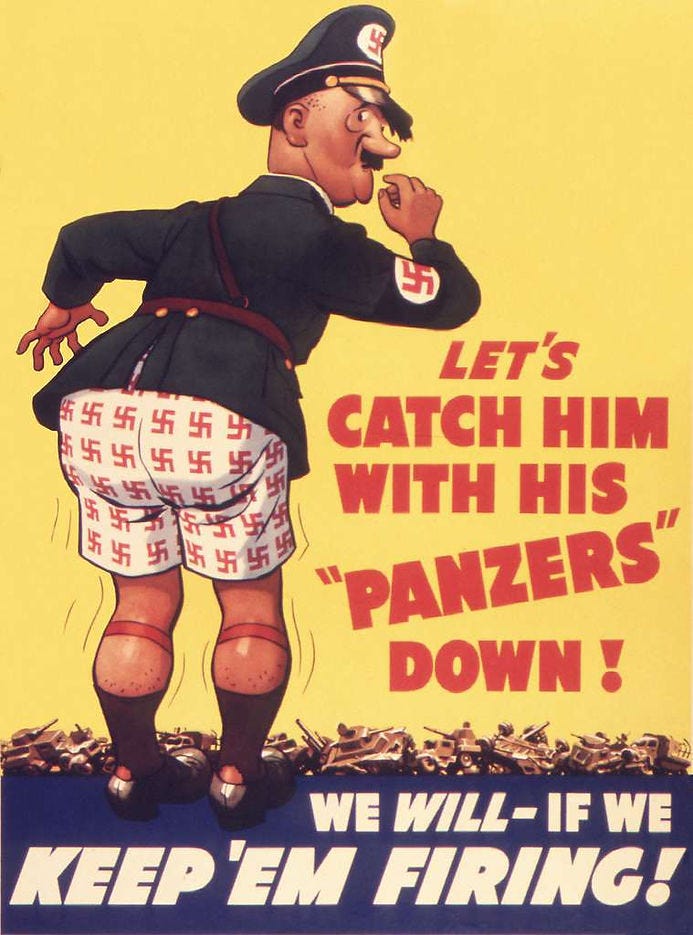
WARNING: This article contains graphic images that some readers might find disturbing. They have only been used as a source of information and the author hold no political allegiance to any of them.
Introduction
War, in its unrelenting brutality, often relies on more than just military might to achieve its objectives. World War II was no exception. Propaganda played a pivotal role in shaping public opinion, rallying citizens, and instilling a sense of national identity during the global conflict. In this three-part article, we delve into the captivating world of WWII propaganda posters, examining the key messages and artistic techniques employed by the United States, the United Kingdom, the Soviet Union, Germany, and Japan. Join us as we explore the stories behind these masterpieces of persuasion!
Part 1: United States — Inspiring Unity, Fueling Victory
Throughout World War II, the United States harnessed the power of propaganda posters to rally its citizens, unify its diverse population, and encourage active participation in the war effort. Let’s take a closer look at some of the most iconic American propaganda posters.
1. “We Can Do It!” (Rosie the Riveter) — United States
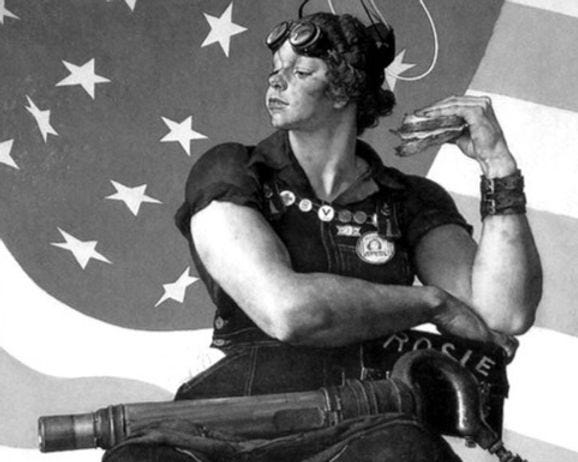
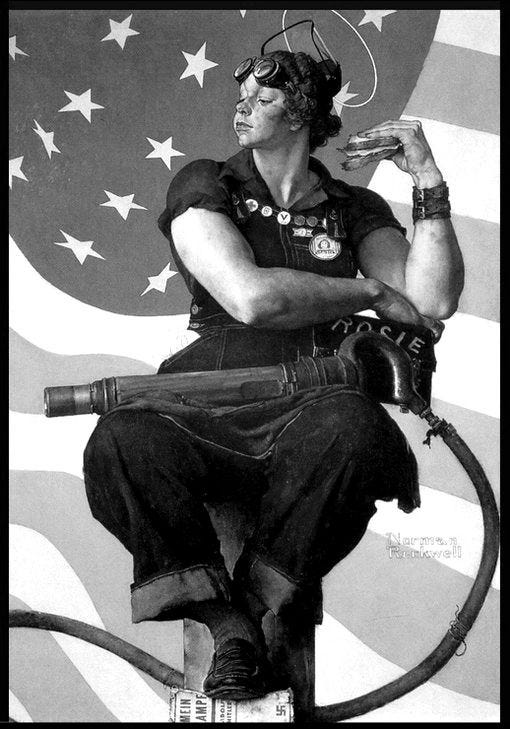
One of the most recognizable symbols of female empowerment, “We Can Do It!” poster, depicts Rosie the Riveter, a fictional character representing the women who entered the workforce to support the war. Created by J. Howard Miller in 1943, this poster aimed to inspire women to take up traditionally male jobs and become integral contributors to the war effort. Rosie’s strong posture, clenched fist, and determined expression became an enduring symbol of female empowerment.
2. “I Want You” — United States
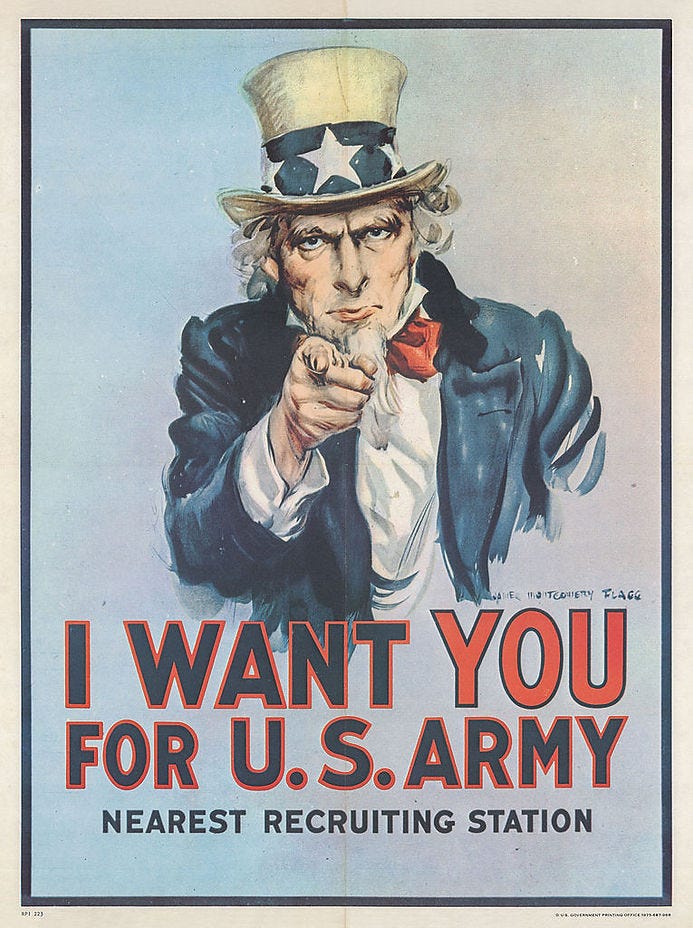
Undoubtedly one of the most famous propaganda posters in history, “I Want You” features Uncle Sam pointing directly at the viewer, demanding their immediate involvement. Designed by James Montgomery Flagg in 1917 during World War I, the poster experienced a resurgence during WWII and remains an enduring symbol of American patriotism. Its powerful message successfully stirred nationalistic sentiments and encouraged enlistment.
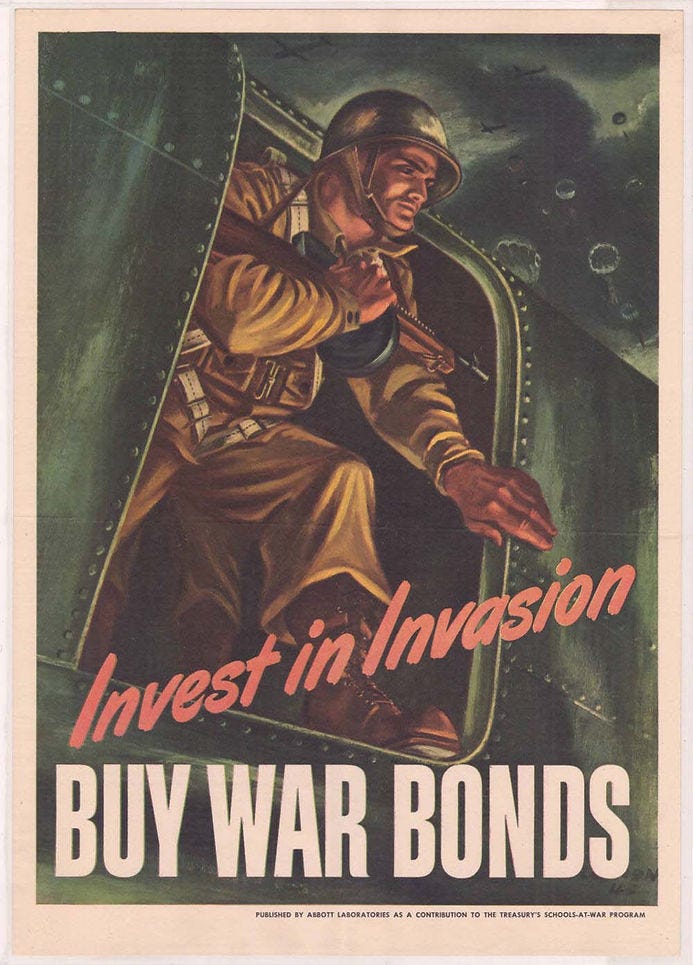
3. “Buy War Bonds” — United States
Financial support was vital for funding the war, and the United States utilized propaganda posters to encourage citizens to purchase war bonds. The “Buy War Bonds” poster series featured illustrations of soldiers, families, and heroic acts, coupled with persuasive slogans. One notable example depicts a young boy embracing his father, a soldier, with the caption “Daddy, what did you do in the Great War?”. These emotionally charged images aimed to evoke a sense of duty and sacrifice among the population.
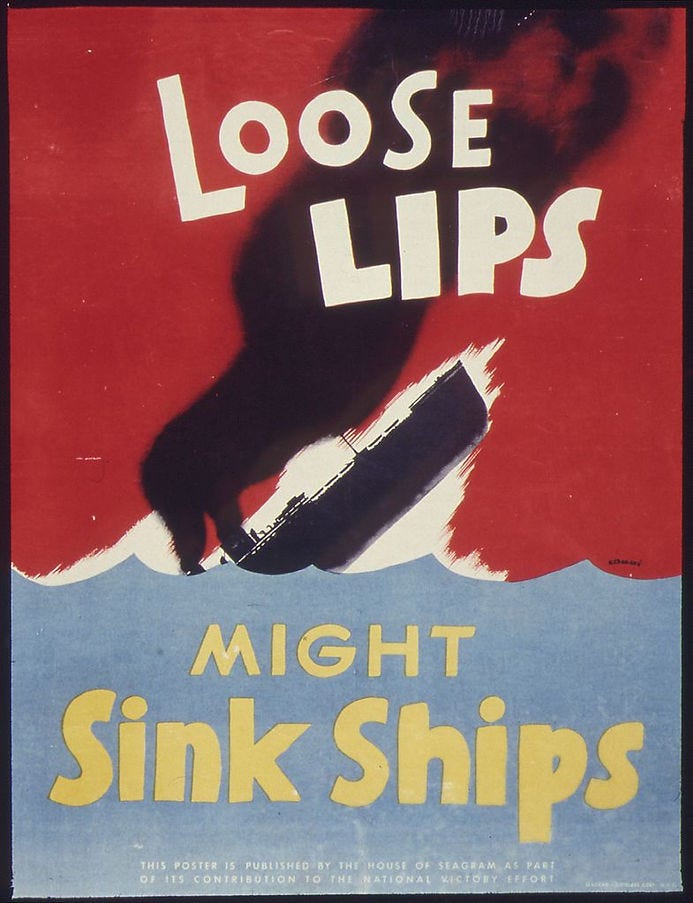
4. “Loose Lips Might Sink Ships” — United States
In an era without social media or smartphones, the dissemination of sensitive information posed a significant threat. To combat potential leaks, the United States created the “Loose Lips Might Sink Ships” poster series. These visually striking artworks employed catchy phrases, vivid colors, and memorable imagery to caution citizens about the consequences of careless talk. The posters served as a constant reminder to remain vigilant and discreet, enhancing national security.
Propaganda posters during World War II held immense power to shape public perception, evoke emotions, and inspire action. In this first part of our article, we explored the captivating American propaganda posters, which served as catalysts for unity and active engagement in the war effort. Join us in the next part as we embark on a journey to discover the influential propaganda campaigns launched by the United Kingdom.
Part 2: United Kingdom — For King, Country, and Victory! In the midst of the Second World War, the United Kingdom harnessed the power of propaganda posters to bolster morale, instill patriotism, and reinforce the determination of its people. Let’s delve into the captivating world of British propaganda posters and uncover the stories behind their powerful messages.
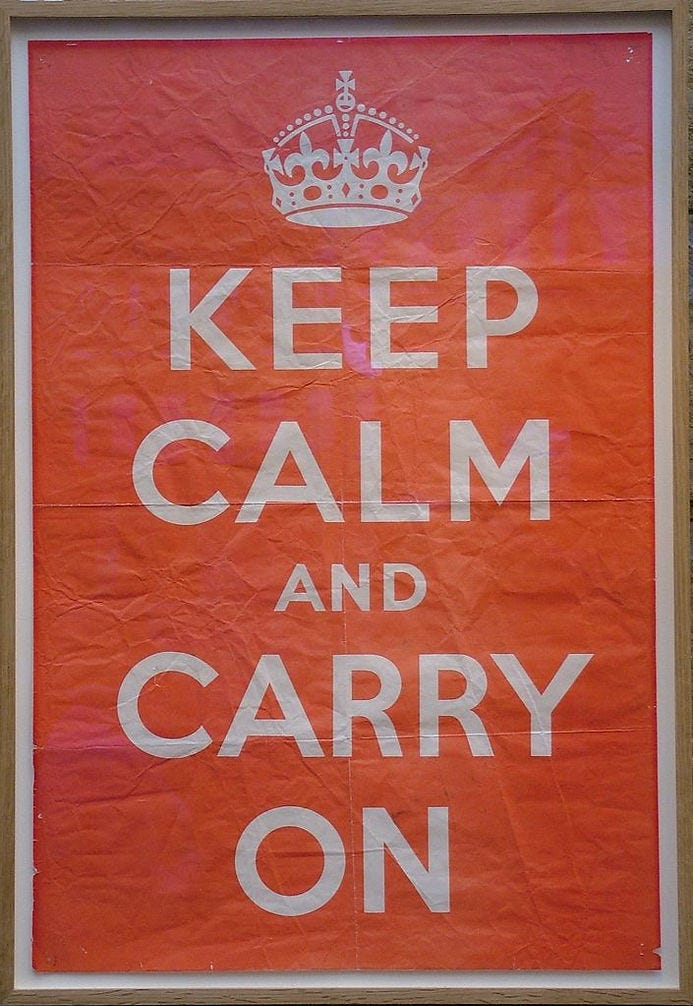
1. “Keep Calm and Carry On” — United Kingdom
Perhaps one of the most iconic slogans of the war, “Keep Calm and Carry On” originated as a motivational message in 1939, intended to be displayed in the event of a German invasion. This particular poster was never widely distributed during the war and only resurfaced decades later. In 2000, the owners of the second-hand bookstore in Alnwick, Northumberland, stumbled upon a faded poster hidden among a pile of old books. Its message, “Keep Calm and Carry On,” resonated with people invoking calm in times of uncertainty and adversity. It became an emblem of resilience and determination, urging individuals to remain composed and persevere in the face of challenges. The rediscovery of this simple yet powerful slogan sparked a global phenomenon, transforming the poster into an enduring symbol of British resolve and inspiring people worldwide to maintain composure and press forward, even in the most trying times.
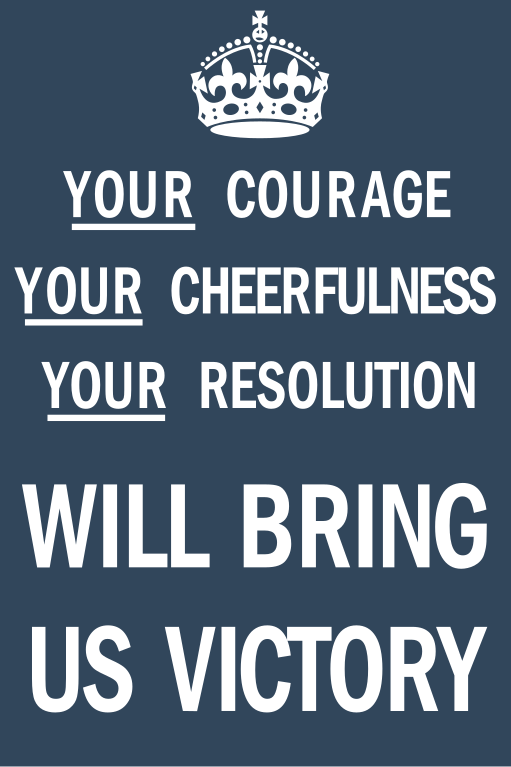
2. “Your Courage, Your Cheerfulness, Your Resolution Will Bring Us Victory” — United Kingdom
Designed by artist Savile Lumley in 1939, this poster aimed to boost morale and inspire unity among the British population. Depicting a confident and determined Tommy soldier, the poster emphasized the importance of individual courage and resolve in achieving victory. It’s striking composition and motivational message resonated deeply with the public, reinforcing the British spirit during challenging times.
3. “Dig for Victory” — United Kingdom
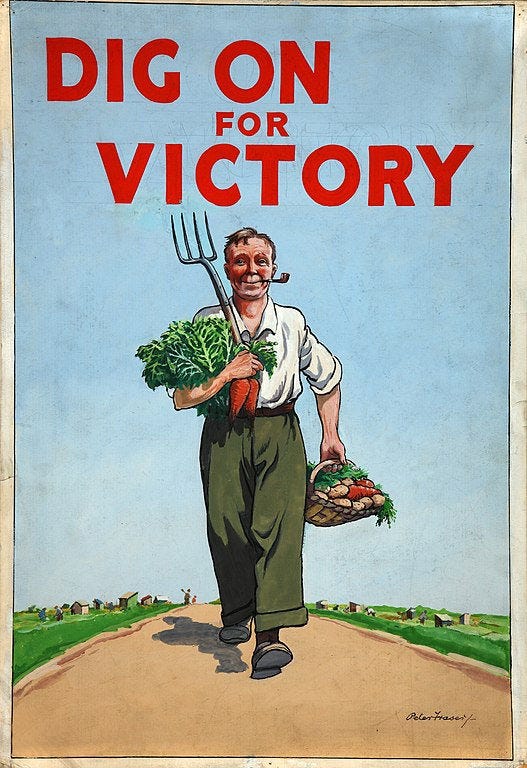
With resources in short supply during the war, the British government launched the “Dig for Victory” campaign, encouraging citizens to grow their own food in allotments and gardens. The accompanying propaganda posters featured illustrations of happy families tending to their gardens and urged individuals to contribute to the war effort by becoming self-sufficient. This initiative not only boosted morale but also helped alleviate food shortages and fostered a sense of communal responsibility.
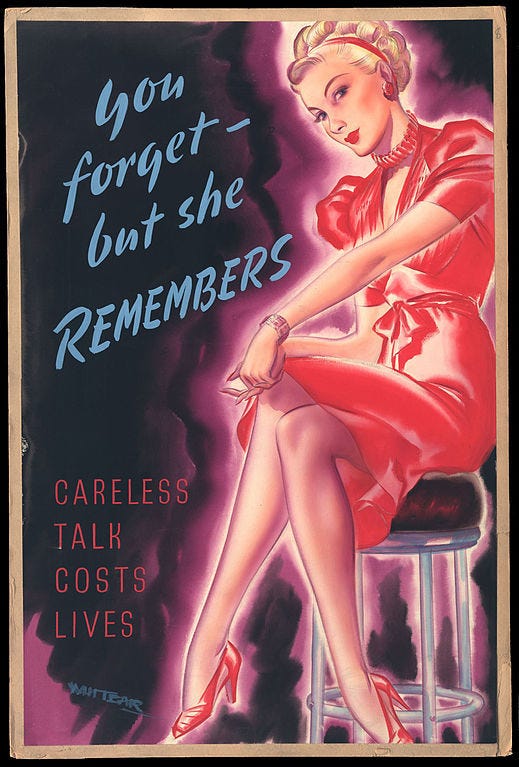
4. “Careless Talk Costs Lives” — United Kingdom
In an effort to prevent sensitive information from falling into enemy hands, the British government employed the “Careless Talk Costs Lives” campaign. Utilizing striking visuals and concise slogans, the posters warned against the perils of careless conversation. Images of eavesdropping enemy spies or sinking ships accompanied by captions such as “Enemy Ears Are Listening” served as constant reminders to remain cautious and avoid discussing classified matters in public.
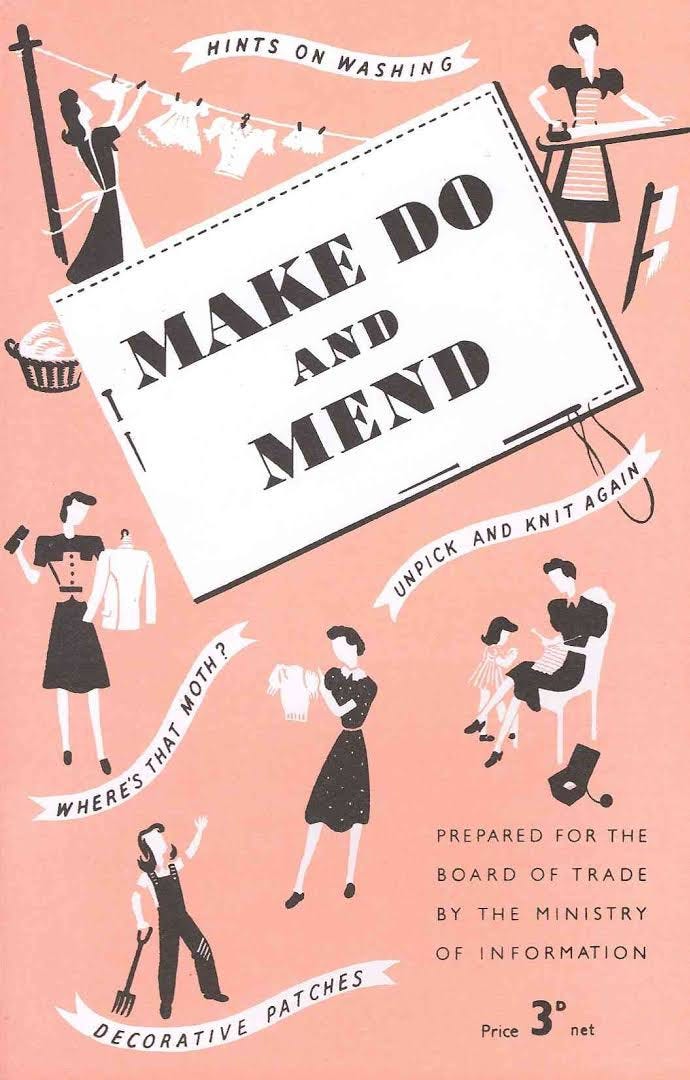
5. “Make Do and Mend” — United Kingdom
Facing severe shortages of clothing and other essential goods, the “Make Do and Mend” campaign urged the British public to repair and reuse items rather than discard them. The propaganda posters depicted individuals skillfully sewing, knitting, and repairing garments, encouraging resourcefulness and emphasizing the importance of thrift. This initiative not only conserved vital resources but also fostered a spirit of resilience and adaptability.
Part 3: The Soviet Union, Germany, and Japan — Propaganda in the Face of Conflict!
In the crucible of World War II, the Soviet Union, Germany, and Japan deployed propaganda posters as powerful tools to shape public opinion, rally support, and further their respective war efforts.
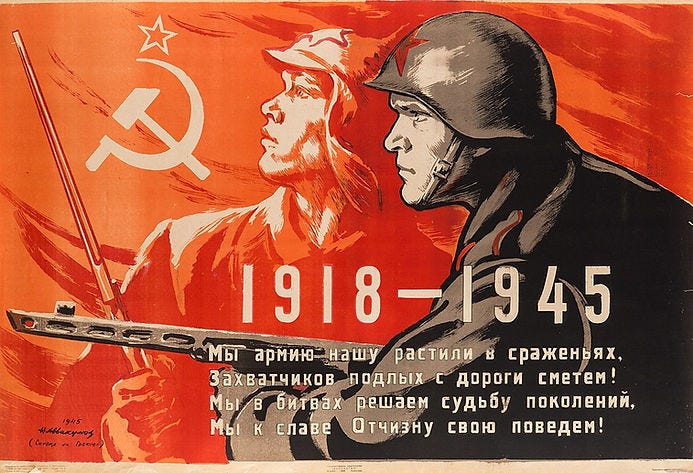
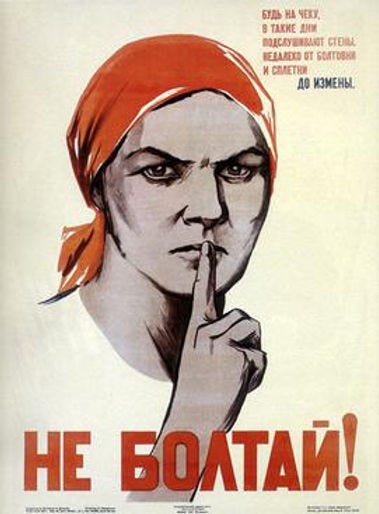
1. Soviet Union — For the Motherland, for Stalin!
The Soviet Union utilized propaganda posters to foster a sense of unity, sacrifice, and unwavering loyalty to the state and its leader, Joseph Stalin. These posters often depicted strong and heroic figures, emphasizing the collective power of the Soviet people. The artistic style varied from realistic portrayals to bold and dramatic imagery, infused with patriotic colors. Messages emphasized the defense of the Motherland, the importance of industry and production, and the valor of Soviet soldiers.
2. Germany — Propaganda for the Reich
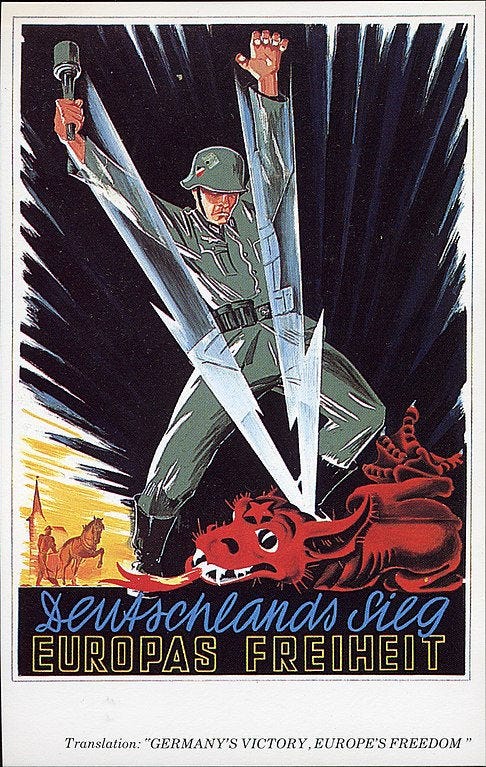
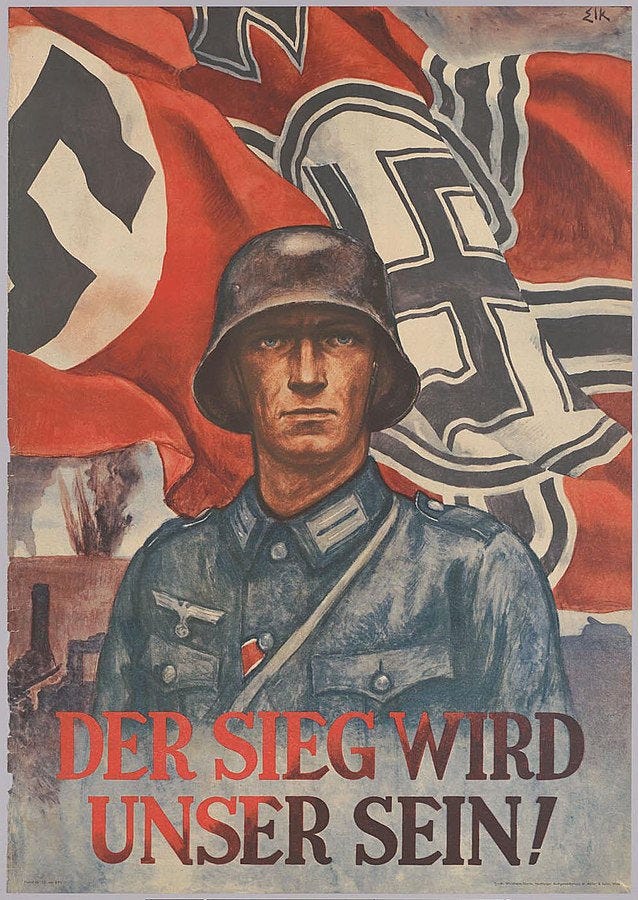
Under the Nazi regime, Germany employed propaganda posters as a means of promoting Aryan superiority, demonizing enemies, and glorifying Adolf Hitler and the ideals of National Socialism. The posters often featured idealized German figures, such as soldiers and workers, embodying strength, loyalty, and racial purity. Bold typography, strong contrasts, and distinctive symbols, such as the swastika, were employed to evoke emotions and reinforce Nazi ideology. Messages aimed to instill fear, racial hatred, and unwavering allegiance to the Third Reich.

3. Japan — The Spirit of the Rising Sun
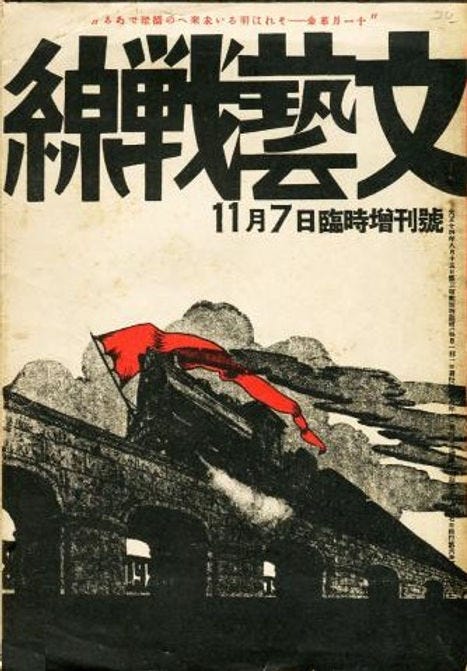
Japanese propaganda posters during World War II promoted militarism, national pride, and the notion of a divinely ordained destiny for Japan. These posters often showcased the courage and sacrifice of Japanese soldiers, highlighting their unwavering loyalty and devotion to the Emperor. The artistic style ranged from traditional Japanese art elements to modern graphic design. Symbolism and references to Shinto beliefs were prevalent, reinforcing the idea of Japan’s divine mission. Messages focused on national unity, honor, and the need to triumph over the enemy.
4. Comparison and Contrast: Artistic Techniques and Themes
While the Soviet Union, Germany, and Japan shared a common goal of influencing public sentiment during the war, their artistic techniques and themes diverged significantly. The Soviet Union’s posters embraced realism and celebrated the strength of the people, while German propaganda emphasized Aryan superiority and Nazi ideology through stark symbolism. Japanese posters drew inspiration from traditional art forms and infused them with militaristic imagery to evoke a sense of national identity and divine purpose.
WWII propaganda posters from the Soviet Union, Germany, and Japan serve as striking examples of how visual imagery and persuasive messaging were used to shape public opinion during a time of conflict.
Within the captivating world of WWII propaganda posters, we will hopefully appreciate the convergence of art, politics, and persuasion that defined this era. These posters not only serve as historical artifacts but also remind us of the importance of critical thinking and media literacy in navigating the complex landscape of information and persuasion in the present day.