
Unmasking COVID’s Impact: The Plastic Pandemic
Plastic pollution is piling up with nowhere to go
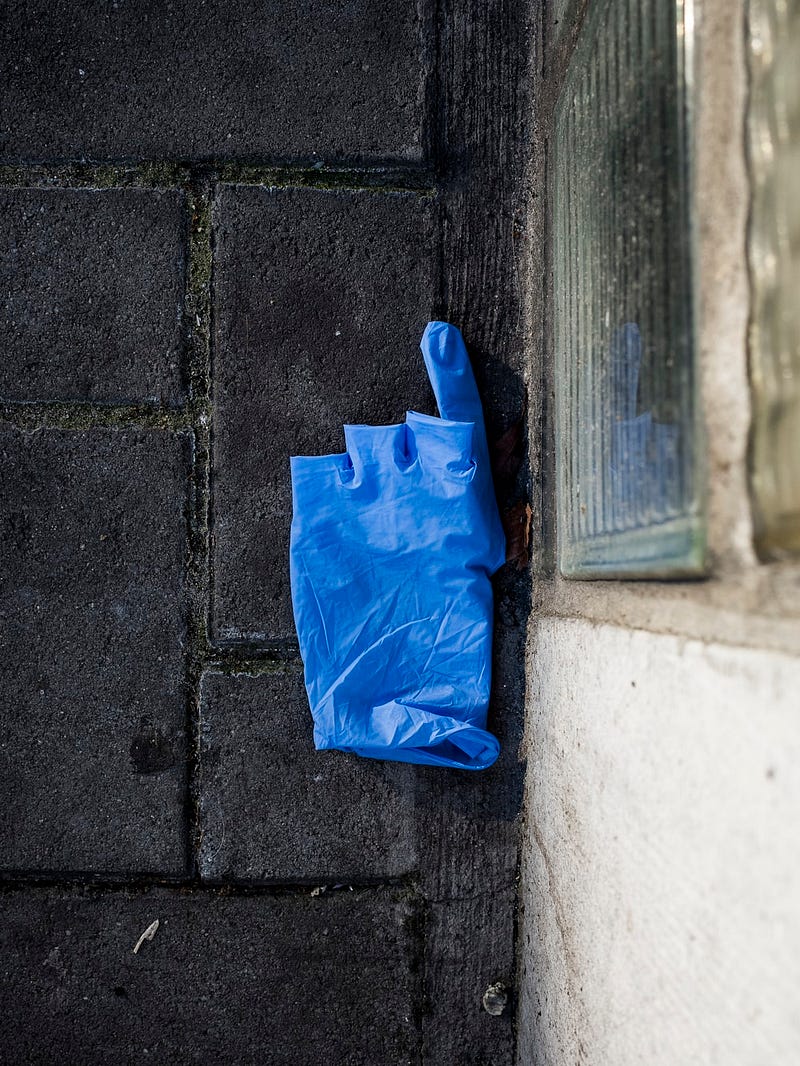
COVID-19 has devastated entire communities and shaken healthcare systems. As a result, global citizens have hastened to take measures to safeguard their health against the virus. Precautions against COVID-19 primarily include extensive use of personal protective equipment (PPE) such as gloves, face masks, and single-use plastics.
The virus is impacting the integrity and health of human lives, as well as the environment. A troubling consequence of COVID-19 is the plastic disposal tsunami, with the medical field and foodservice industry battering our shores as the most prominent waves.
Plastic is a double-edged sword. On the one hand, single-use plastics are lifesaving for frontline healthcare workers fighting against COVID-19 and have helped curb transmission. We are trying to protect ourselves in the sacrifice of the environment. On the other hand, the environment is taking a beating from the surge of plastic.
One step forward, two steps backward
Pre-COVID, there were eight million metric tons of plastic waste swimming in the ocean every year. Even more alarming, plastic pollution is projected to increase by 40% within the next decade. We plan to see 30% more waste on a shorter timeline by the end of 2020 than in 2019.
There was some progress in banning plastics and encouraging reusable bags before the coronavirus outbreak. Since the pandemic, health concerns have taken precedence over environmental concerns and reversed environmental progress. We took an environmentally friendly step forward but took two steps backward.
- Establishments reversed the use of reusable items due to fear of spreading the disease. Starbucks and Dunkin’ Donuts ceased the allowance of customers to use reusable mugs.
- The U.S. states that banned single-use plastic bags pre-COVID, like California, Connecticut, and New York, lifted these bans for precautionary measures.
- Some retailers have banned customers from bringing reusable bags, whereas pre-COVID, some cities implemented a plastic bag tax to encourage reusable bags.
Plastic is cheaper than ever before. Nearly every piece of plastic begins as a fossil fuel. When the oil market collapsed due to the economic slowdown, plastic became less expensive than before. It is now financially advantageous for companies to package products in new, cheap virgin plastic. As a result, there is an overwhelming increase in one-time-use and plastics such as masks, gloves, hand sanitizer bottles, delivery packaging, and takeout containers.
Recycling Took a Hit
Recycling has slowed down tremendously due to budget strains and priorities. Recycling facilities are tied to local budgets and are already cutting recycling programs to slash costs. Much of the plastic in the Western world ends up in mismanaged open dumps or landfills, which often ends up back in the environment.
The plastic pandemic is a result of the combined breakdown of recycling and trend in single-use plastic. Plastic pollution also has a very long lifespan that exacerbates the issue.
Approximately 450 years.
This is the daunting lifespan of plastic. Single-use plastic can outlive us and many generations to come. To make matters worse, plastic never fully degrades but shrinks into smaller pieces of plastics, called microplastics. Microplastics become problematic when they leech into the water system after discard due to their domino effect.
Imagine a disposable face mask floating in the plastic tsunami that is becoming our ocean. When the mask finally breaks down, marine creatures such as zooplankton ingest the microplastics. When larger fish consume small sea creatures like zooplankton, these microplastics are absorbed and transferred into the fish, where they can cause inflammation and other adverse reactions.
Microplastics swim farther up the chain when humans consume these larger fish because the toxic compounds transfer into the human body. Vegans and vegetarians are not out of the woods either. Even more disturbing, microplastics have also been found hiding in table salt, tap water, and ~90% of bottled mineral water. This cycle indicates we are ingesting some parts of plastics in our diet.
The plastic tsunami involves massive waves from personal protective equipment and food-related services.
Plastic from PPE
It is essential to ensure healthcare workers have the resources and tools to support themselves on the job safely. PPE, such as surgical masks and gowns, are mainly made of non-woven fabrics like polypropylene, polystyrene, and polyethylene. These materials effectively keep bodily fluid droplets out due to the microfibers’ hydrophobic composition, but not so effective once discarded in a landfill or ocean.
Plastic from personal protective equipment has driven increased plastic pollution. We have 129 billion facemasks being produced every month, with a lot ending up in our water. It is now more common to spy a disposable mask on the side of the road than a plastic bag.
Single-use face mask production in China catapult to 116 million per day in February 2020 –12x the usual amount. Global use of PPE increased to 129 billion face masks and 65 billion gloves every month post-COVID. We have a massive trail of clinical waste polluting the environment as a result of COVID-19.
Plastic from Food
One-time packaged takeout meals and delivered groceries contribute to additional waste. The restaurant industry has increased the amount of plastic involved in takeout and delivery orders as more people are reluctant to leave the house or under shelter-in-place orders.
There has also been a steady rise in takeout and delivery orders. The global plastic packaging market size is projected to grow at a compound annual rate of 5.5% due to this pandemic response.
The pandemic aftermath increased plastic pollution, but what can we do to help?
Quick Solutions: Reduce — Reuse — Recycle — Be Mindful
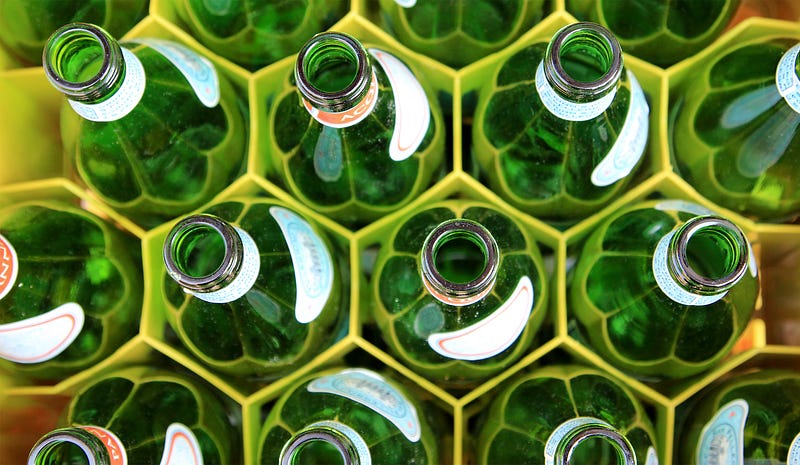
Recycling alone is not the answer.
We used to densely focus on ‘recycling’ to help save the environment, but little of the plastic we use is actually recyclable. It is favorable to continue recycling as much as possible, but there are additional benefits from an emphasis on reducing and reusing.
What can we do today to reduce or reuse plastic?
- Wear reusable face masks
- Dispose of single-use face masks correctly
- Purchase hand sanitizer contained in ecologically sustainable packaging
- Use a reusable stainless steel metal straw in substitution for a plastic straw
- Generate a QR code to read the restaurant menu instead of using a disposable menu
- Bring your own reusable shopping/produce bags to markets
- Request to opt-out of single-use plastics when ordering food
- Carry and use a reusable water bottle
- Bring a reusable container to a restaurant when you expect to have leftovers
On a larger scale, one solution is for restaurants to adopt asking customers to opt-in or out if they want plastic utensils with their order. When a restaurant chain, Just Salad, took plastic pollution a step farther and implemented asking customers whether they wanted single-use utensils or not, they reduced utensil to use on those orders by a whopping 88%.
Unmasking The Plastic Pollution
Killing plastic is not the ultimate answer, but reducing and reusing help. How we dispose of plastic must be balanced against COVID-19’s fast-spreading threat. We can not lose sight of humanity’s long-term challenges, including environmental and public-health risks generated by plastic waste.
If everyone acted with incremental lifestyle changes and mindfulness, it could result in large scale environmental support for Mother Earth. We all hold social and environmental responsibilities, so let us focus on what we can change and improve now.
COVID-19 was a sudden shockwave to most of us, but plastic pollution is a reputable threat that has been sounding the alarm for years.