
Unlocking the Power of Storytelling in Strategic Planning with the Hero’s Journey

As humans, we are driven by stories. There is nothing like a story to capture our real attention and drive our behavior. The best story tellers are the ones that have influenced humanity along its existence.
Storytelling is the art of communicating a narrative or series of events through words, images, or other forms of media. It is a fundamental aspect of human communication and has been used for thousands of years to entertain, educate, and convey meaning. Stories can take many forms, from traditional oral tales to books, movies, television shows, and digital media. The best stories are often those that resonate emotionally with the audience and leave a lasting impression. Storytelling can be used in many different contexts, including entertainment, advertising, education, and even in the workplace to communicate important messages and values.
Joseph Campbell, a writer and mythology researcher, who studied the religions and myths in the evolution of humankind, discovered that every story follows a standard path composed of a series of steps called The Hero´s Journey. In the long version, those are 17 steps. In the shortest version, only 3.
When you think about strategy design and execution, you find out that it also involves the same steps of Joseph Campbell´s Hero´s Journey.
The Hero´s Journey and the Strategic Planning

- The Ordinary World
The first step in the Hero’s Journey is to establish the ordinary world. In strategy planning, this involves analyzing the current state of the business or organization, including its strengths, weaknesses, opportunities, and threats.
2. The Call to Adventure
In the second step the hero receives a call to adventure. In strategy planning, this relates to identifying a challenge or opportunity that the business or organization needs to address.
3. Refusal of the Call
In the third step the hero initially refuses the call to adventure. In strategy planning, this could involve resistance or hesitation from stakeholders who may not want to take risks or disrupt the status quo.
4. Meeting the Mentor
The fourth step involves the hero meeting a mentor or guide who will help them on their journey. In strategy planning, this is when the team or director seeks for advice from experts or consulting with outside resources to develop a plan.
5. Crossing the Threshold
The fifth step involves the hero crossing the threshold into a new world. In strategy planning, this could involve making a commitment to change and taking action to implement the plan.
6. Tests, Allies, and Enemies
The sixth step involves the hero encountering tests, allies, and enemies along the way. In strategy planning, this could involve identifying obstacles and challenges that must be overcome, as well as potential allies and detractors who may impact the success of the plan.
7. Approach to the Inmost Cave
The seventh step involves the hero approaching the inmost cave, which represents the central challenge or conflict of the journey. In strategy planning, this relates to developing a detailed plan of action and identifying potential roadblocks.
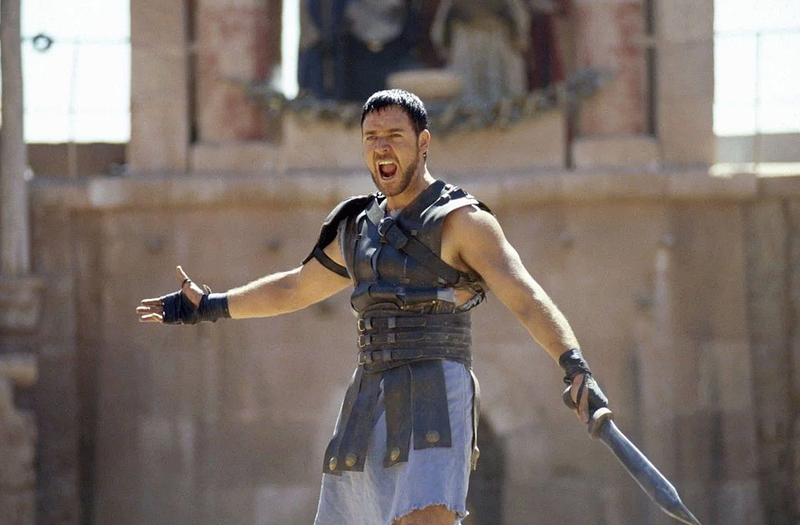
8. The Ordeal
The eighth step involves the hero facing their greatest challenge or ordeal. In strategy planning, this implicates executing the plan and overcoming obstacles or setbacks.
9. Reward (Seizing the Sword)
The ninth step involves the hero seizing the sword or achieving the goal they set out to accomplish. In strategy planning, this comprises achieving the desired outcome or achieving a major milestone along the way.
10. The Road Back
The tenth step involves the hero returning to the ordinary world with their newfound knowledge or experience. In strategy planning, this entails evaluating the success of the plan and identifying opportunities for improvement.
11. Resurrection
The eleventh step involves the hero facing one final test or challenge that determines their ultimate fate. In strategy planning, this could involve facing unexpected challenges or competition.
12. Return with the Elixir
The twelfth step involves the hero returning with the elixir, which represents the knowledge or experience gained on the journey. In strategy planning, this suggests sharing the lessons learned and applying them to future projects or initiatives.
13. Freedom to Live
The thirteenth step involves the hero achieving freedom to live and enjoying the rewards of their journey. In strategy planning, this involves celebrating the success of the plan and rewarding those who contributed to its success.
14. Character Arc
The fourteenth step involves the hero undergoing a character arc or transformation. In strategy planning, this entails developing new skills or capabilities that enable the organization to be more agile and responsive to change.
15. Theme
The fifteenth step involves the theme or moral of the story. In strategy planning, this involves identifying key values or principles that guide the organization and inform decision-making.
16. Symbolism
The sixteenth step involves the use of symbolism to convey deeper meaning. In strategy planning, this means using metaphors or visual representations to communicate complex ideas.
17. Reflection
The seventeenth and final step involves reflecting on the journey and its impact. In strategy planning, this suggests conducting a post-project review to assess the effectiveness of the plan and identify opportunities for improvement in future initiatives. It could also involve recognizing the contributions of team members and stakeholders who helped to make the plan a success. By reflecting on the journey, organizations can continue to learn and grow, and apply the lessons learned to future projects and initiatives.
Conclusion
Storytelling is a great tool to build the narrative of stories and influence on every person. If used properly, any organization can use it to create narratives and stories to pursue the business strategy. The Hero´s Journey by Joseph Campbell is a great framework to use with the Strategic Planning and influence in the behavior of the collaborators in any organization.