
Unlocking the Power of Broccoli: The Anti-Cancer Nutrient of All Times
In the world of nutrition, few foods have garnered as much attention and acclaim as broccoli. Often hailed as a superfood, broccoli is celebrated not only for its exceptional taste and versatility but also for its remarkable health benefits, particularly its potential in cancer prevention and treatment.
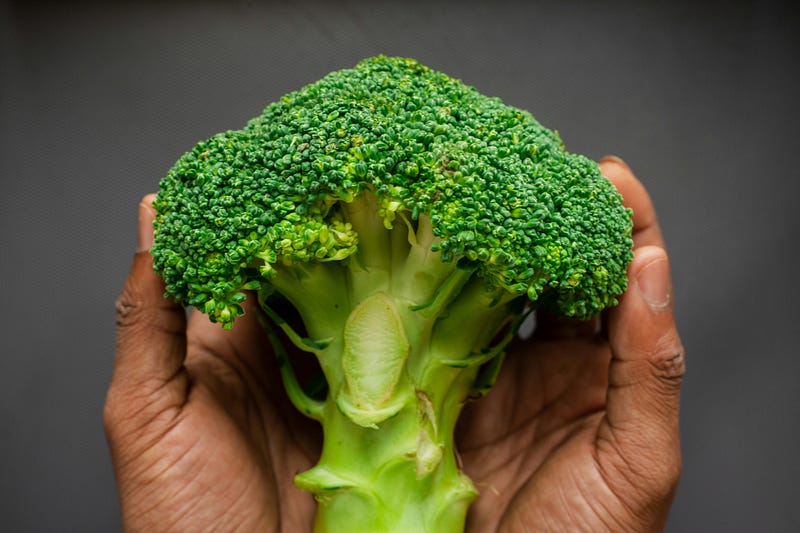
Let’s delve into the science behind why broccoli has earned its reputation as the anti-cancer nutrient of all times.
Cruciferous Marvel: Understanding Broccoli’s Potential
Broccoli belongs to the cruciferous vegetable family, which also includes cauliflower, kale and Brussels sprouts.
These vegetables are rich in phytochemicals, vitamins, and minerals that have been linked to numerous health benefits including cancer prevention.
Sulforaphane: The Cancer-Fighting Compound
One of the key compounds in broccoli that has garnered significant attention from researchers is sulforaphane.
This potent phytochemical is formed when broccoli is chopped, chewed, or otherwise damaged — leading to the activation of enzymes that convert glucoraphanin, a precursor compound into sulforaphane.
Sulforaphane is known for its powerful anti-cancer properties including its ability to:
1. Combat oxidative stress
Sulforaphane acts as a powerful antioxidant, neutralizing harmful free radicals and reducing oxidative damage to cells, which is implicated in cancer development.
2. Inhibit cancer cell growth
Studies have shown that sulforaphane can inhibit the proliferation of cancer cells, induce apoptosis (cell death) in cancer cells and suppress the formation of blood vessels that supply tumors with nutrients.
3. Detoxify carcinogens
Sulforaphane enhances the body’s detoxification pathways, helping to eliminate carcinogens and other harmful substances that may contribute to cancer development.
Evidence from Research: Broccoli’s Impact on Cancer Prevention
Numerous studies have provided compelling evidence of broccoli’s potential in cancer prevention and treatment.
Research has shown that individuals who consume higher amounts of cruciferous vegetables including broccoli have a lower risk of developing various types of cancer, including breast, prostate, lung, and colorectal cancer.
In laboratory studies and animal models, sulforaphane has demonstrated promising anti-cancer effects against a wide range of cancer types, suggesting its potential as a therapeutic agent in cancer treatment.
Clinical trials evaluating the effects of sulforaphane-rich broccoli extracts or supplements on cancer prevention and treatment are ongoing and hold promise for the future.
Incorporating Broccoli into Your Diet: Tips and Tricks
To reap the health benefits of broccoli and sulforaphane, consider incorporating this nutrient-packed vegetable into your diet regularly. Here are some tips for maximizing the nutritional value of broccoli:
Eat it raw or lightly cooked
- To preserve the maximum amount of sulforaphane, consume broccoli raw or lightly cooked. Steaming or stir-frying broccoli for a short period can help retain its nutrients while enhancing its flavor and texture.
Pair it with other cruciferous vegetables
- Combine broccoli with other cruciferous vegetables like cauliflower, kale or Brussels sprouts to boost your intake of cancer-fighting compounds.
Try different cooking methods
- Experiment with different cooking methods such as roasting, grilling or sautéing to discover new ways to enjoy broccoli while reaping its health benefits.
Include it in various dishes
- Incorporate broccoli into a variety of dishes, including salads, stir-fries, soups and casseroles to add flavor, texture and nutritional value to your meals.
Harnessing the Power of Broccoli for Health and Wellness
Broccoli’s status as the anti-cancer nutrient of all times is well-deserved. Thanks to its rich array of phytochemicals, vitamins and minerals, particularly sulforaphane.
By incorporating broccoli into your diet regularly and embracing its cancer-fighting potential, you can take proactive steps toward optimizing your health and reducing your risk of cancer.
So, next time you’re planning your meals, don’t forget to include this cruciferous marvel on your plate — and savor the taste of good health with every bite.
References:
- Zhang Y, et al. “Sulforaphane, a Dietary Component of Broccoli/Broccoli Sprouts, Inhibits Breast Cancer Stem Cells.” Clinical Cancer Research, 2010.
- Higdon JV, et al. “Cruciferous Vegetables and Human Cancer Risk: Epidemiologic Evidence and Mechanistic Basis.” Pharmacological Research, 2007.
- Fahey JW, et al. “Broccoli Sprouts: An Exceptionally Rich Source of Inducers of Enzymes that Protect Against Chemical Carcinogens.” Proceedings of the National Academy of Sciences of the United States of America, 1997.
- Liu RH. “Potential Synergy of Phytochemicals in Cancer Prevention: Mechanism of Action.” The Journal of Nutrition, 2004.


