

Unlock 50K Views on Medium with This Winning Article Template
The template below has consistently brought me success; it’s an outstanding method for organizing technical articles.
Template
Introduction
Learning Objectives
Prerequisites
Getting Started
  Sub Topics 1
    Code Examples for Each Sub-Topic
    Output
  Sub Topics 2
    Code Examples for Each Sub-Topic
    Output
Final Thoughts/Conclusion
Github Sample (If Applicable)
Impressum
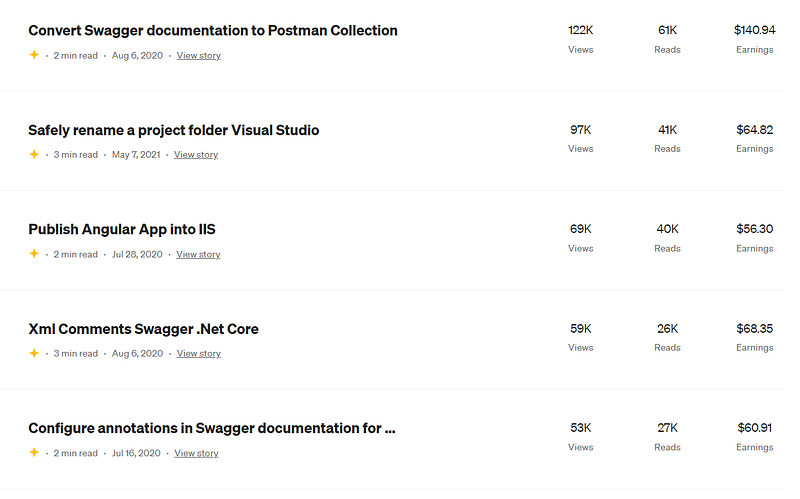
Here’s a list of statistics that demonstrate the success of following this template:
Tip 1: How to Write an Introduction
Writing a compelling introduction is crucial for grabbing the reader’s attention and setting the base for the article's contents.
- Clearly define the topic of the article
- Briefly explain why the topic is important
- Define the problem you’re trying to solve
- Set tone
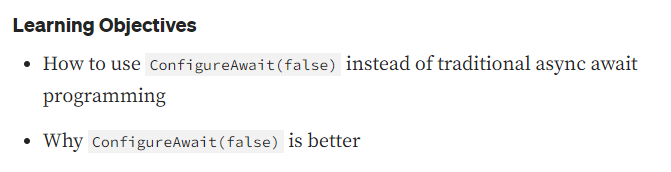
Tip 2: How to write Learning Objectives
Define what the reader is going to learn after finishing the story.
- Clearly define the skills the reader will gain
- Don’t write what you aren’t delivering.
Example
Tip 3: How to Write Prerequisites
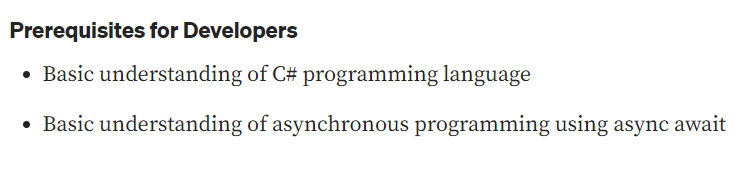
Define what knowledge or skills are required to understand the article.
- Identify the Required Knowledge or Skills
Example
Tip 4: How to write “Getting Started”
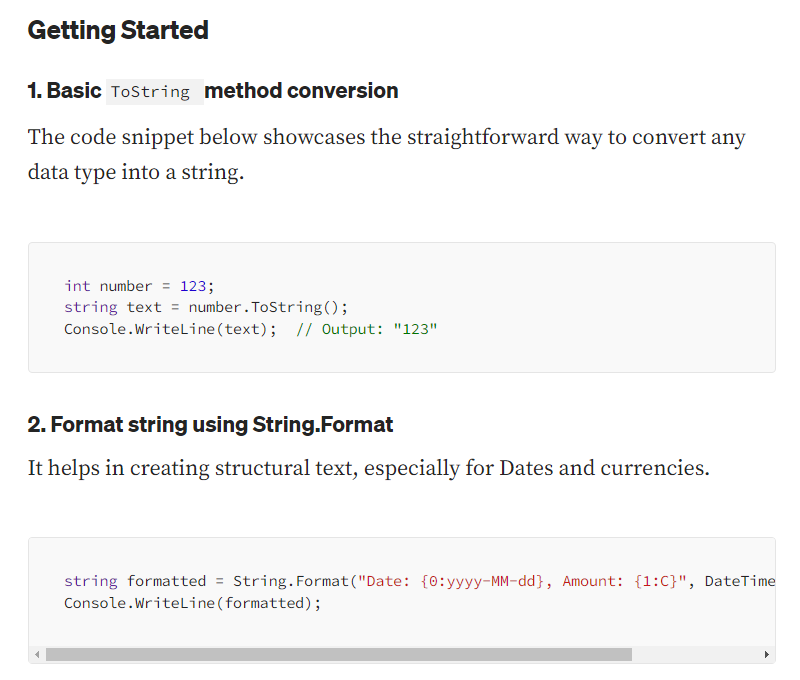
The simplest trick is to divide the content into sub-topics and create a section for the same.
Example
Divide each section with a paragraph and code example for each of the sub-sections.
Bonus: Add the output of the code as a screenshot or GIF if applicable.
Tip 5: How to write “Final Thoughts/Conclusion”
- Summarize key points.
- Highlight the takeaways.
- Provide CTA (Call to Action) if applicable.
Tip 6: Github Sample
This section can be optional, but if you add a GitHub sample it enhances the article in many ways.
- It acts as a testament to the code examples above.
- Enhance learning with practical examples.
- Improve SEOs too.
- Most Devs are searching on Google to solve a problem, and a Github sample makes their life easier.
Tip 7: Add Impressum
An Impressum provides more information about the author, it adds professionalism and credibility to the story.
- Keep it short and crisp.
- Don’t add too many links.
- Don’t ask for claps as the Medium doesn't encourage it.
Medium Impressum Example
C# Programming🚀
Thank you for being a part of the C# community! Before you leave:
Follow us: Youtube | X | LinkedIn | Dev.to Visit our other platforms: GitHub More content at C# Programming
Conclusion
The above template has proven to be highly successful for writing technical articles, engaging readers and providing a standard structure to the stories
Including a Github sample further solves the challenges a dev faces while looking for practical implementations of the code.
The structure makes the content more memorable & actionable.


