Unleashing Crypto Power: Mastering Bitstamp API for Python Order Execution
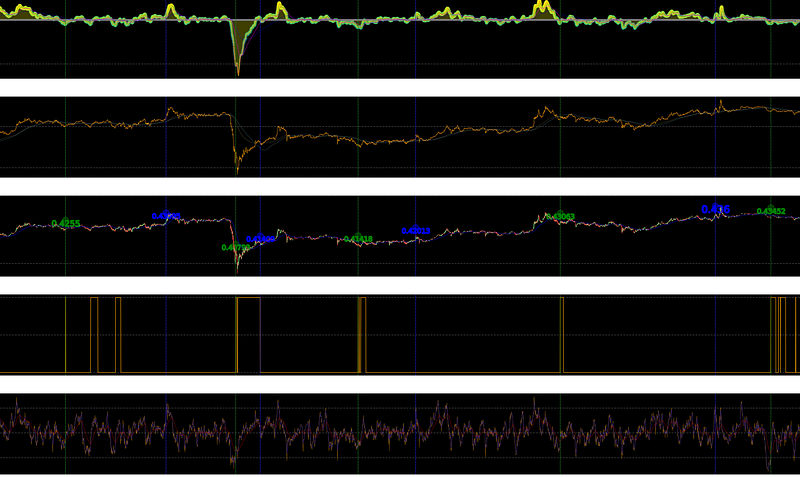
Navigating the Challenges of 24/7 Trading and Financial Stakes
Embark on a journey through the thrilling realm of cryptocurrency trading, where each decision has the potential to shape your financial future with the mere click of a button. However, within this exhilarating landscape looms a substantial obstacle that can complicate this venture: establishing effective connections to exchange APIs. Picture the scenario: your trading bot must operate seamlessly, 24 hours a day, while you rest or tend to other matters. Your funds are at stake, and an unstable connection could cause you to miss out on significant opportunities or, at worst, result in losses. Nevertheless, cast aside your concerns, for over the course of this article, you will uncover how to master this pivotal aspect. Prepare to delve into the process of setting up a secure and reliable connection to Bitstamp’s API, enabling you to conduct cryptocurrency transactions in Python, free from worry.
Getting Started: Setting Up General Configuration Code
import requests
import time
import hashlib
import hmac
import ast
from datetime import datetime
import json
import uuid
import sys


api_key = '##########################################'
api_secret = str.encode('##########################################')
api_user = 'my_name_is'

timestamp = str(int(round(time.time() * 1000)))
nonce = str(int(datetime.utcnow().timestamp()*10000000))
content_type = 'application/x-www-form-urlencoded'

def config(params,url2,request_type):

    payload = params
    if sys.version_info.major >= 3:
        from urllib.parse import urlencode
    else:
        from urllib import urlencode
    payload_string = urlencode(payload)

    message = 'BITSTAMP ' + api_key + \
        request_type + \
        'www.bitstamp.net' + \
        url2 + \
        '' + \
        content_type + \
        nonce + \
        timestamp + \
        'v2' + \
        payload_string
    message = message.encode('utf-8')
    ### added connection close to headers
    signature = hmac.new(api_secret, msg=message, digestmod=hashlib.sha256).hexdigest()
    headers = {
        'X-Auth': 'BITSTAMP ' + api_key,
        'X-Auth-Signature': signature,
        'X-Auth-Nonce': nonce,
        'X-Auth-Timestamp': timestamp,
        'X-Auth-Version': 'v2',
        'Content-Type': content_type,
        'Connection':'close'
    }

    return payload_string, message, signature, headers, api_key, api_secret, api_user, timestamp, nonce, content_type
Cracking the Code: Unraveling the Secrets of Crypto Trading with Python
You’ve just stumbled upon a snippet of code that holds the key to unlocking the world of cryptocurrency trading through Bitstamp’s API. Buckle up as we take a whimsical journey through this intriguing piece of digital craftsmanship.
Behold the backstage pass to trading prowess:
import requests
import time
import hashlib
import hmac
import ast
from datetime import datetime
import json
import uuid
import sys

# Enter your API credentials here
api_key = '##########################################'
api_secret = str.encode('##########################################')
api_user = 'my_name_is'

# Configuring essentials
timestamp = str(int(round(time.time() * 1000)))
nonce = str(int(datetime.utcnow().timestamp()*10000000))
content_type = 'application/x-www-form-urlencoded'

# Function to configure API request
def config(params, url2, request_type):
    # More code magic here

    return payload_string, message, signature, headers, api_key, api_secret, api_user, timestamp, nonce, content_type
Now, let’s shine a spotlight on the elusive “nonce.” Picture it as your ticket to the party — but, like any exclusive event, it can be a bit finicky. A “nonce” is a unique identifier that prevents replay attacks, ensuring that each request is distinct. Think of it as the secret handshake between you and the Bitstamp API. However, if it’s not handled with care, this little troublemaker can wreak havoc on your requests, causing them to be rejected. So, as you embark on this API adventure, keep an eye on your “nonce” and keep the party going smoothly!
Ready for more insights? Let’s decode this piece of code and transform it into a powerful tool that navigates the complexities of the crypto trading world.
Demystifying the Code: An Adventure in Crypto Trading
Now that we’ve unveiled the mysterious code before us, let’s take a closer look at what each line brings to the table. Imagine this code as your trusty guide through the intricate maze of crypto trading.
First, we establish your identity by entering your API credentials. This is like your secret handshake to access the treasures of the trading realm. Next, we set the stage by configuring the timestamp and generating a unique nonce. These elements are vital to ensure your requests are authenticated and won’t be mistaken for an impostor.
But what’s with the “config” function? This is where the magic happens. Just like a magician’s incantation, this function assembles the essential elements of your API request: from the payload to the headers and everything in between. It’s your enchanting spell that crafts a message that speaks the API’s language.
Now, let’s shine a spotlight on the “nonce.” Picture it as your personal stamp of authenticity, a digital autograph that says, “Hey, this request is unique!” This stamp is crucial to maintaining order and security in the crypto realm.
But be warned — much like an orchestra, every instrument must play in harmony. If the nonce isn’t handled with care, it’s like a sour note that throws off the melody. Requests may be rejected, leaving you on the sidelines while others continue to dance in the crypto arena.
So, fellow adventurer, as you embark on this journey of code and crypto, remember the importance of each line. Think of it as assembling pieces of a puzzle — a puzzle that, when solved, opens the doors to a realm where digital assets dance and fortunes await. With the code in hand and the knowledge to wield it, you’re ready to join the ranks of crypto traders who navigate this intricate landscape with confidence.
Equipping Your Crypto Arsenal: Setting the Stage for Trading Mastery
Our journey into the captivating realm of cryptocurrency trading begins with the fine art of preparation. Much like a painter readies their canvas, you’re about to set the stage for your trading masterpiece. Take a closer look at the lines of code below, and let’s unravel the magic they bring to your crypto journey.
import sys
sys.path.append(r'C:\Users\..\..\projets_python\CryptoBot\config')
import config_bitstamp as cf
import ast
from datetime import datetime
import json
import hashlib
import hmac
import time
import requests
import uuid

api_key = cf.api_key
api_secret = cf.api_secret
api_user = cf.api_user
the code above will refer to the config script
In these lines, you’re not just importing modules; you’re assembling your toolkit. By tapping into the expertise of the config_bitstamp script and the capabilities of various modules, you're shaping a robust foundation. From managing time and security to crafting API requests, these lines of code form the backbone of your trading endeavors. And just as an artist selects their palette, you've chosen your tools wisely to paint your path in the crypto landscape.
Selling with Swagger: Unleashing the Sell Limit Power
def sell_limit(pair,amount,price):

        # --------------Get Config Parameters------------------------

    request_type = "POST"
    url2 = "/api/v2/sell/"
    params = {'amount': amount, 'price': price}
    config = cf.config(params,(url2 + pair + "/"), request_type)

    payload_string = config[0]
    message = config[1]
    signature = config[2]
    headers = config[3]
    api_key = config[4]
    api_secret = config[5]
    api_user = config[6]
    timestamp = config[7]
    nonce = config[8]
    content_type = config[9]

        # --------------Trade Functions------------------------

    def sell_limit_order(pair):

        path = str('https://www.bitstamp.net/api/v2/sell/' + str(pair) + "/")
        r = requests.post(path, timeout=10, headers=headers,data=payload_string)
        r.raise_for_status()
        r.close()
        if not r.status_code == 200:
            raise Exception('Status code not 200')
        string_to_sign = (nonce + timestamp + r.headers.get('Content-Type')).encode('utf-8') + r.content
        signature_check = hmac.new(api_secret, msg=string_to_sign, digestmod=hashlib.sha256).hexdigest()
        if not r.headers.get('X-Server-Auth-Signature') == signature_check:
            raise Exception('Signatures do not match')
        return r.json()
    sell_limit_order(pair)
Configuring the Magic: Making the Sell Limit Order Work
Prepare to unravel the inner workings of your code as we shine a light on how the configuration code sets the stage for executing your sell_limit function. With the power of Python, you're about to venture into the exciting realm of crypto trading.
def sell_limit(pair, amount, price):
    # --------------Get Config Parameters------------------------

    request_type = "POST"
    url2 = "/api/v2/sell/"
    params = {'amount': amount, 'price': price}
    config = cf.config(params, (url2 + pair + "/"), request_type)

    # Rest of the code...
Imagine you’re gearing up for a thrilling performance. In the role of the director, the config_bitstamp script comes to your aid, providing the tools necessary to assemble your masterpiece—the sell limit order. The script is like the conductor of an orchestra, harmonizing the different instruments to create a symphony of trading actions.
Building Your Request: Crafting the Symphony of Trade
As you step onto the trading stage, you need to communicate your intentions clearly. Just like penning down notes for a musician, your code constructs a precise message that Bitstamp’s API understands. Let’s break down this process:
request_typeandurl2: You signal your intent to place a sell order using a POST request. Theurl2variable points to the appropriate API endpoint for selling.params: This dictionary holds the parameters of your sell order: theamountand the desiredprice.config: With these parameters in hand, theconfigfunction from theconfig_bitstampscript comes into play. It takes your parameters and constructs a payload, a message, and headers that will be used in your API request. Think of this as your script being translated into a language the exchange understands.
Executing the Order: A Showstopping Performance
With your order finely composed and orchestrated, it’s time for the grand performance — executing the sell limit order. Just as a magician completes their spell with a flourish, your code sends an API request that presents your sell order to Bitstamp.
def sell_limit_order(pair):
    path = str('https://www.bitstamp.net/api/v2/sell/' + str(pair) + "/")
    r = requests.post(path, timeout=10, headers=headers, data=payload_string)
    # Rest of the code...
The sell_limit_order function is the spotlight moment. It assembles the URL, integrates your prepared payload and headers, and sends it to Bitstamp's API using a POST request. The exchange examines the request, ensuring it's properly signed with your credentials and containing the necessary information.
As the curtain falls on this explanation, you’re not just observing the trade; you’re orchestrating it. With the code of configuration and the magic of sell limit orders at your disposal, you’re all set to execute your crypto trading maneuvers with precision and flair.
Conclusion: Crafting the Symphony of Crypto Trading
As our journey through the enchanting world of crypto trading comes to a close, we find ourselves not just at the edge of potential profits, but at the brink of a beautiful technical adventure. The code you’ve been introduced to isn’t just a means to financial gain; it’s the brushstroke that paints your passion for the intricate art of coding.
Every line of code we’ve explored has been a note in the symphony of your crypto journey. From configuring your trading arsenal to executing sell limit orders, each line is an instrument that contributes to the harmony of the trading experience. And in this adventure, the real treasure lies not only in the potential gains but in the pure delight of crafting, orchestrating, and executing your trading strategies.
Amid the whirlwind of data, strategies, and real-time action, take a moment to appreciate the elegance of the technical dance you’re engaged in. With Python as your medium and the exchange’s API as your canvas, you’re not just making trades — you’re composing a masterpiece. The allure lies in the mastery of the tools, the precision of execution, and the exhilaration of watching your code translate into tangible outcomes.
So, let your enthusiasm be kindled not merely by the promise of profits, but by the intricate beauty of the code you wield. Embrace the journey as an opportunity to learn, create, and explore the dynamic world of crypto trading with an artist’s heart and a programmer’s mind. As you continue this passionate voyage, remember that in the realm of code, every line you write is a brushstroke on the canvas of possibility, crafting a symphony that resonates with the melody of your aspirations.